 EN
EN
STEP 1
Full vehicle warranty for 2 years
2026/08/14
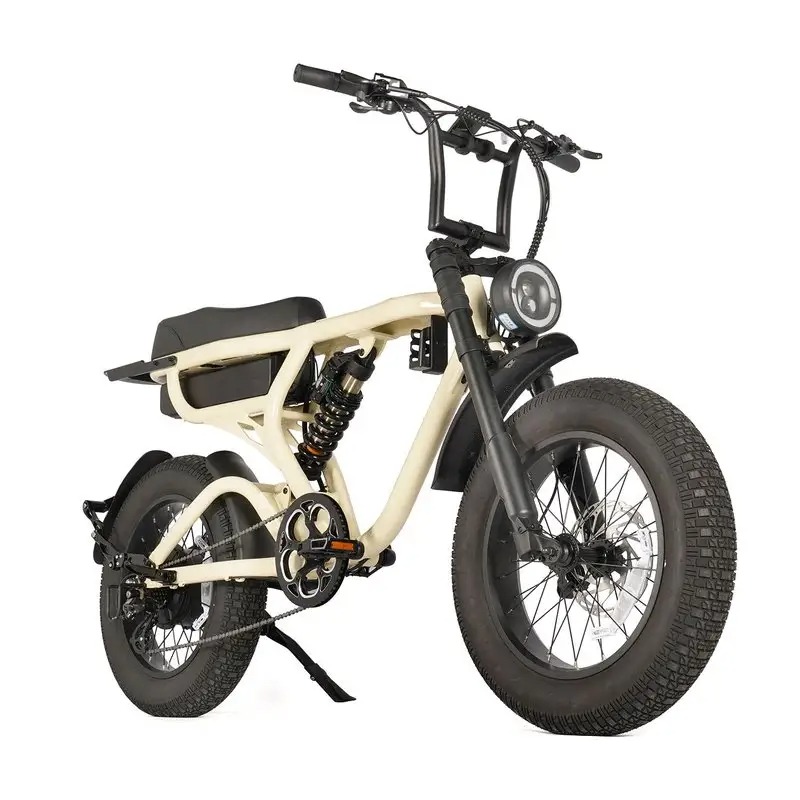
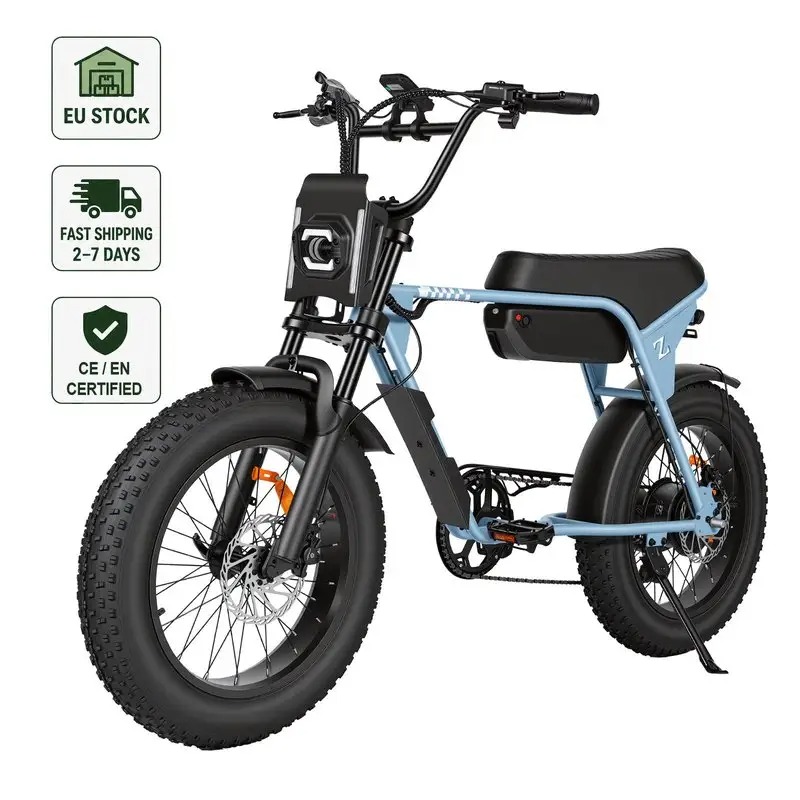
Adventure parks demand equipment that can withstand intense terrain, unpredictable weather, and sustained high performance. An off road electric bike represents a significant investment, and protecting that investment requires a structured maintenance schedule tailored to the unique stresses of off-road riding. Unlike casual urban ebikes, these machines face deeper mud, steeper grades, water crossings, and dusty conditions that accelerate wear on drivetrain components, suspension systems, and electrical connections. Establishing a proactive maintenance routine ensures your off road electric bike stays reliable throughout the season and extends its operational lifespan in demanding adventure park environments.
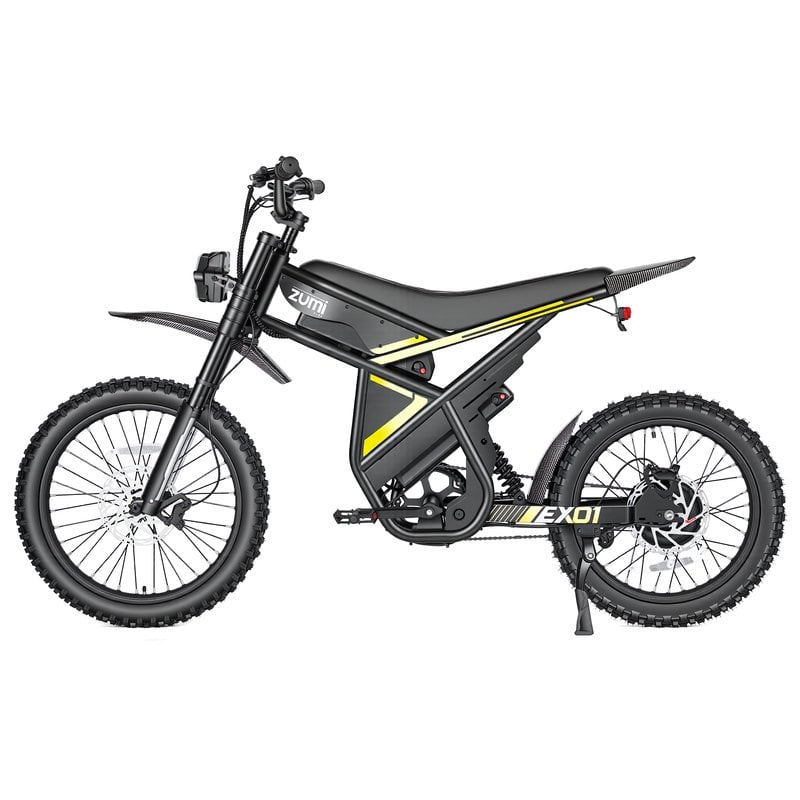
Maintenance scheduling for ebikes off road requires understanding how different components degrade under specific conditions. Wet terrain accelerates corrosion on exposed metal parts, while high-torque power delivery stresses the chain and cassette faster than traditional bicycles. Adventure park operators and serious riders must balance performance needs with downtime costs, making preventive maintenance more cost-effective than reactive repairs. A well-designed schedule addresses pre-ride inspections, weekly checks, monthly deep cleaning, seasonal replacements, and annual professional servicing. This article provides a comprehensive maintenance framework designed specifically for fat tire off road electric bike and other electric off road mountain bike models used in commercial and recreational settings.
Before each adventure park session, riders must perform quick safety checks that take less than five minutes. Start by visually inspecting the fat tire off road electric bike frame for cracks, loose bolts, or bent components from previous rides. Check tire pressure using a digital gauge—proper pressure prevents pinch flats and maintains traction on technical terrain. Test the brakes by squeezing each lever fully and confirming resistance; if the lever reaches the handlebar, brake fluid needs flushing or pads need replacement. Verify that the battery is fully charged and the display shows no error codes, which might indicate electrical issues requiring immediate attention before heading to the park.
Electrical integrity directly impacts off road electric bike reliability in remote settings where mechanical failure could leave riders stranded. Weekly inspections should include checking all connector points for corrosion, especially around the motor, battery, and controller areas. Use a clean cloth to wipe connector terminals, and apply a thin layer of dielectric grease to prevent oxidation from moisture exposure during wet rides. Test the motor response by accelerating gradually on flat ground and listening for unusual noises that might signal internal bearing wear. For models with removable batteries, inspect the battery contacts for debris, ensure the locking mechanism works smoothly, and confirm the battery pack sits flush in the mount without wobbling.
Monthly deep cleaning prevents mud and grit from grinding into the chain, cassette, and derailleur pulleys. Use a chain cleaning tool with biodegradable degreaser to remove encrusted dirt from every link, then rinse thoroughly with water and dry completely. Inspect the chain for worn links by measuring center-to-center distance using a chain checker tool—chains typically need replacement after 1,000 miles on aggressive off-road terrain. Apply appropriate chain lubricant designed for wet conditions, which adheres longer than urban formulations and provides better protection during water crossings. Check cassette teeth for hooking or uneven wear, as worn cassettes often signal that chain replacement is overdue, since riding with a stretched chain accelerates cassette damage.
Suspension forks and rear shocks on electric off road mountain bike models require monthly attention because dirt ingress degrades seal performance and increases internal friction. Visually inspect fork stanchions for dirt rings—these indicate where dust seals have failed to block debris. Gently clean around the fork seals using a soft, damp cloth, never forcing water into the seals themselves. Feel for any grinding sensation by compressing the fork smoothly through its full travel and confirming the rebound feels consistent. If seals feel damaged or stiction develops, schedule professional service rather than attempting home repair, as suspension service requires specialized tools and knowledge specific to your electric off road mountain bike model.
After 20–30 hours of intense off-road riding—typical for a busy adventure park season—inspect brake pads for remaining thickness. Wet environments accelerate brake pad wear, and adventure park liability requires reliable braking performance, making seasonal replacement often prudent even if pads appear adequate. Check the fat tire off road electric bike tires for embedded rocks, punctures, or sections of reduced tread depth that compromise grip on steep technical terrain. Most off-road tires need replacement annually or after 1,500 miles, whichever occurs first, due to the extreme forces and sharp terrain contact that accelerate degradation compared to road riding. Inspect cable routing for abrasion points where shifter or brake cables might contact frame edges, and apply protective tubing or frame tape to prevent future cable damage.
Once per year, send your off road electric bike or ebikes off road fleet to an authorized dealer for comprehensive professional servicing. Technicians should perform full electrical diagnostics, including load testing the battery to confirm capacity retention and identify cells approaching failure. They should inspect motor windings for heat damage, bearing play, and waterproofing integrity, as water intrusion into sealed motor systems leads to internal corrosion that eventually causes performance loss or catastrophic failure. Professional servicing includes controller diagnostics to verify proper voltage delivery and thermal management, plus detailed inspection of all wiring harnesses for cuts, abrasion, or degradation. Annual servicing costs less than emergency repairs and ensures compliance with liability requirements for commercial adventure park operations.
Most off road electric bike batteries maintain 80% capacity after 500–800 full charge cycles, typically lasting 2–3 years with regular use in adventure park settings. Capacity degrades faster in extreme heat or cold environments, so monitor performance during seasonal transitions. If your electric off road mountain bike acceleration feels noticeably reduced despite full charging or the range drops more than 20% compared to earlier in the season, professional battery diagnostics can determine whether reconditioning or replacement is needed, usually recommended when capacity falls below 70%.
Warning signs include unusual grinding or squealing noises from the motor, loss of power despite full battery charge, visible cracks in the frame or motor housing, brake lever feel changes, or error codes displayed on the control screen. Additionally, if your ebikes off road exhibit reduced braking power, suspension feels locked or overly soft, or electrical connections show green corrosion, discontinue use immediately and seek professional inspection. Ignoring these symptoms risks component failure during rides and potential injury in remote adventure park locations where mechanical failure could leave riders stranded far from help.
While routine cleaning, brake adjustment, and cable maintenance are accessible for experienced cyclists, major repairs involving motor disassembly, controller reprogramming, or suspension overhaul require specialized tools and technical training specific to your off road electric bike model. Improper repair attempts can damage components irreversibly or create safety hazards through incorrect reassembly. For adventure park operations, professional servicing protects your liability coverage and ensures technicians document all work for maintenance record-keeping that commercial operations require for insurance and regulatory compliance.
2026/08/03
Fix time zones, language gaps, and unclear protocols—boost speed, cut costs, and scale confidently.
2026/08/03
Avoid liability & import bans: Learn IEC 62619, UN 38.3, and UL 2271—plus how to verify real compliance (not fakes).
2026/08/03
Learn precise air pressure, rebound & compression tuning for optimal suspension performance. Get pro-level setup tips now.
2026/08/03
Discover how voltage drop saps performance—and proven fixes to restore responsiveness, range, and battery life. Read now.
2026/08/03
Discover data-backed protocols, smart infrastructure & operational fixes. Optimize now.
2026/08/03
How payload cuts 48V cargo ebike range by 15–50%+ — backed by real-world degradation curves, motor load science & fleet optimization strategies.
Comprehensive warranty, fast parts shipping, remote diagnostics and local dealer training


