 EN
EN
STEP 1
Full vehicle warranty for 2 years
2026/08/14
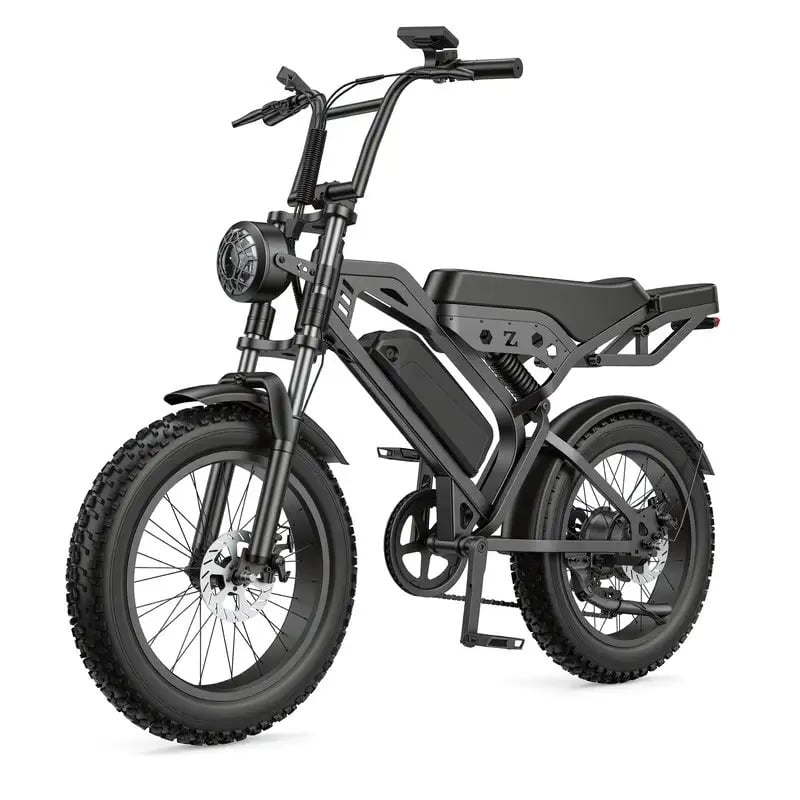
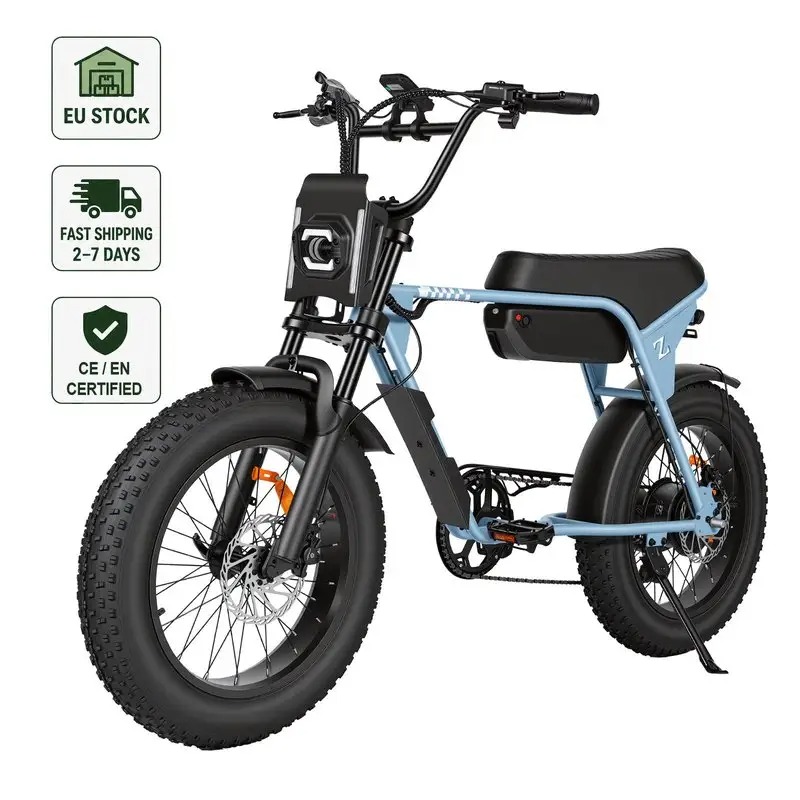
When choosing between an off road electric bike and a traditional gas dirt bike, operating costs represent one of the most significant long-term financial considerations for riders. Many enthusiasts focus primarily on the upfront purchase price without fully understanding how fuel expenses, maintenance requirements, and battery replacement costs accumulate over months and years of riding. This comprehensive comparison examines the real-world operating expenses associated with both technologies, helping you make an informed investment decision tailored to your riding frequency and budget constraints.
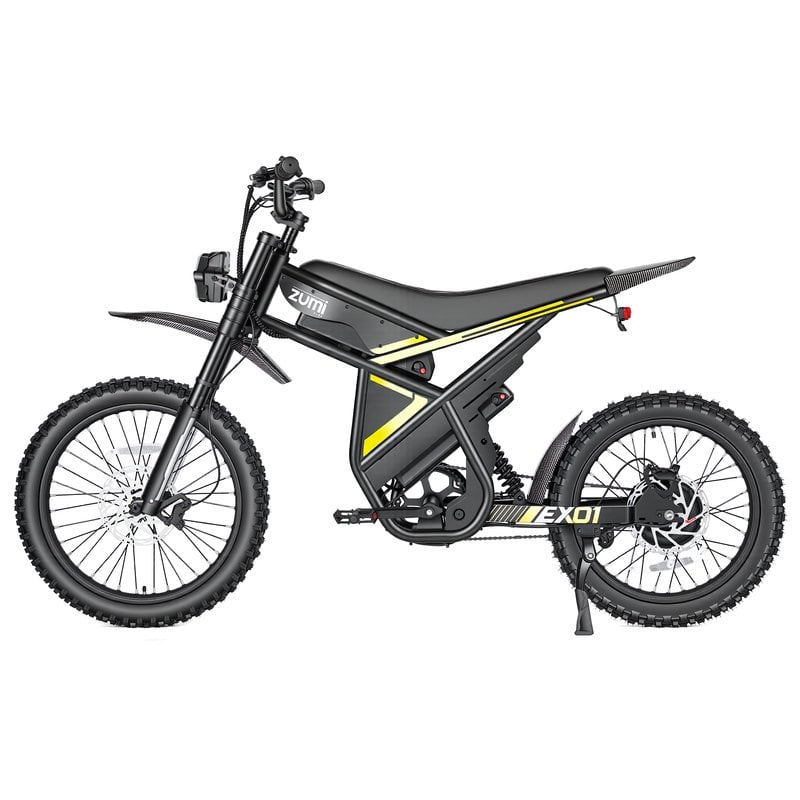
Understanding the complete cost picture requires examining multiple expense categories that extend far beyond the initial machine purchase. From daily operational expenses to annual maintenance schedules, the financial implications of each technology diverge significantly. This detailed breakdown equips riders with concrete numbers and practical insights to evaluate which option delivers superior value for their specific riding scenario and long-term commitments.
Traditional gas dirt bikes consume fuel at rates that vary based on riding style, terrain difficulty, engine displacement, and riding intensity. A typical recreational gas dirt bike uses between 2 to 4 gallons per hour during mixed riding conditions, translating to approximately 40 to 80 miles per gallon depending on throttle management and terrain. Assuming an average fuel price of $3.50 per gallon, casual weekend riders spending 8 hours monthly face monthly fuel costs between $56 and $112. More aggressive riders or those covering extensive trail networks may spend substantially more, with annual fuel expenses easily exceeding $1,000 for serious enthusiasts.
An off road electric bike operates on rechargeable battery systems, eliminating dependence on gasoline entirely. Electricity costs remain remarkably consistent and predictable compared to volatile fuel markets. Charging a typical fat tire off road electric bike with a 1.5 kilowatt-hour battery costs approximately $0.18 to $0.25 per full charge using average U.S. residential electricity rates of $0.12 per kilowatt-hour. Extended-range models featuring larger battery capacities like electric off road mountain bike systems cost proportionally more per charge but deliver significantly greater mileage. Monthly charging expenses for regular recreational riders typically range from $3.60 to $7.50, representing roughly 95 percent savings compared to gasoline-powered alternatives.
Gas dirt bikes demand regular maintenance schedules to maintain reliability and performance on challenging terrain. Oil changes, spark plug replacements, air filter cleaning, carburetor servicing, and fuel system maintenance constitute ongoing expenses that accumulate throughout the riding season. Professional maintenance intervals typically occur every 20 to 50 operating hours, with seasonal tune-ups costing $150 to $400 per visit depending on complexity and local labor rates. Worn components including clutches, chains, sprockets, and brake pads require frequent replacement due to demanding off-road conditions. Annual maintenance costs for casually maintained gas dirt bikes typically reach $500 to $1,200, while heavily used machines may exceed $2,000 annually when accounting for unexpected repairs and component failures.
Electric off road bikes eliminate approximately 80 percent of traditional maintenance requirements by removing internal combustion engine complexity. No oil changes, spark plugs, carburetors, or fuel systems require servicing. Battery management systems handle charging regulation automatically, preventing operator errors common with fuel-based machines. Maintenance for ebikes off road primarily involves basic components like brake pads, tire replacements, chain lubrication, and bearing inspections. Most casual riders complete routine maintenance independently, requiring only periodic professional inspection. Annual maintenance costs for off road electric bikes typically remain under $200, focusing primarily on consumable items and safety checks rather than complex mechanical repairs.
Battery longevity represents the primary long-term expense consideration when evaluating off road electric bikes for sale. Modern lithium-ion battery systems powering electric off road mountain bikes typically maintain 80 percent of their original capacity after 500 to 1,000 complete charge cycles, translating to approximately 3 to 7 years of regular recreational use. Battery replacement costs range from $800 to $2,000 depending on capacity, chemistry, and manufacturer specifications. A rider who charges their fat tire off road electric bike every other weekend would expect approximately 8 to 10 years before replacement becomes necessary, while daily riders might require replacement after 4 to 5 years. Even accounting for eventual battery replacement, total operating costs remain significantly lower than equivalent gas dirt bike expenses over similar timeframes.
Over a five-year ownership period, a gas dirt bike accumulates approximately $2,500 to $6,000 in fuel expenses plus $2,500 to $6,000 in maintenance costs, totaling $5,000 to $12,000 in operating expenses. An equivalent off road electric bike incurs approximately $108 to $225 in annual electricity costs totaling $540 to $1,125 over five years, plus roughly $1,000 in maintenance and potential battery replacement reserves. Total five-year operating costs for electric options typically range from $1,500 to $2,500, representing 65 to 85 percent cost savings compared to gasoline-powered machines. This substantial financial advantage expands dramatically when examining extended ownership periods or comparing heavy-use scenarios where gas fuel consumption intensifies.
Modern lithium-ion batteries in off road electric bikes for sale typically support 500 to 1,000 complete charge cycles before capacity degradation becomes significant. This translates to 3 to 7 years of regular recreational riding or 2 to 4 years of daily use before replacement becomes necessary. The exact cycle count varies based on charging practices, temperature management, and usage patterns, but most riders can expect 5 to 7 years of practical battery life with normal care.
A gas dirt bike costs approximately $56 to $112 monthly in fuel alone, plus $40 to $100 in maintenance reserves, totaling $96 to $212 per month. An off road electric bike costs $3.60 to $7.50 monthly in electricity plus $15 to $20 in maintenance reserves, totaling roughly $20 to $28 per month. This represents approximately 80 percent monthly savings with an electric off road mountain bike, with larger savings appearing for heavier riders or those using fat tire off road electric bikes on longer trail systems.
No, off road electric bikes are substantially cheaper to maintain than gas dirt bikes. Annual maintenance for gas models typically reaches $500 to $1,200 due to engine service requirements, while electric models cost $100 to $300 annually focusing only on brake servicing, tire replacement, and basic inspections. The simplified mechanical design of ebikes off road eliminates expensive engine maintenance while reducing overall component wear through regenerative braking systems on many models.
2026/08/03
Fix time zones, language gaps, and unclear protocols—boost speed, cut costs, and scale confidently.
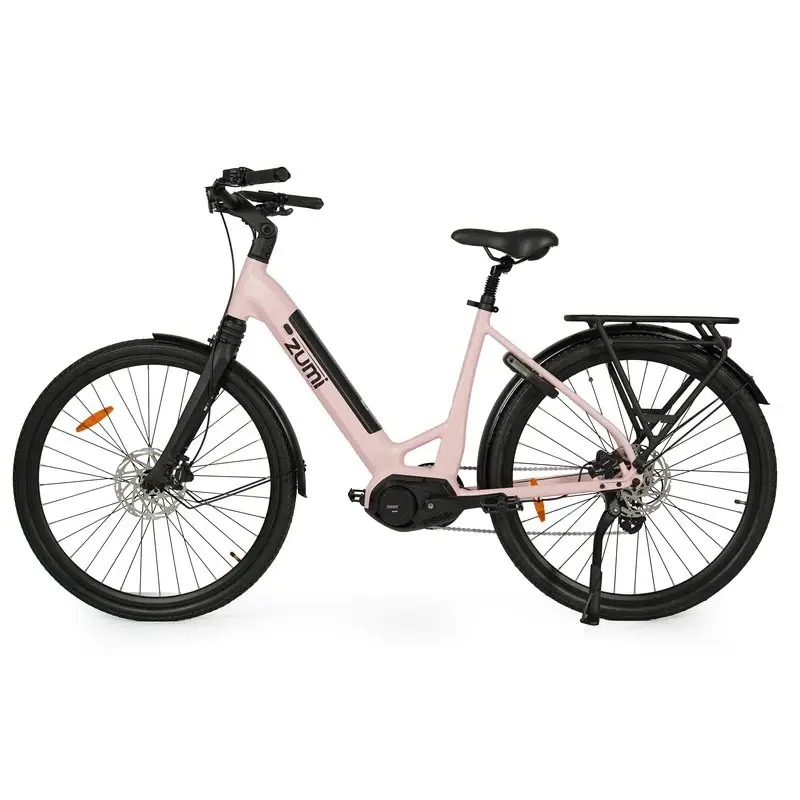
2026/08/03
Avoid liability & import bans: Learn IEC 62619, UN 38.3, and UL 2271—plus how to verify real compliance (not fakes).
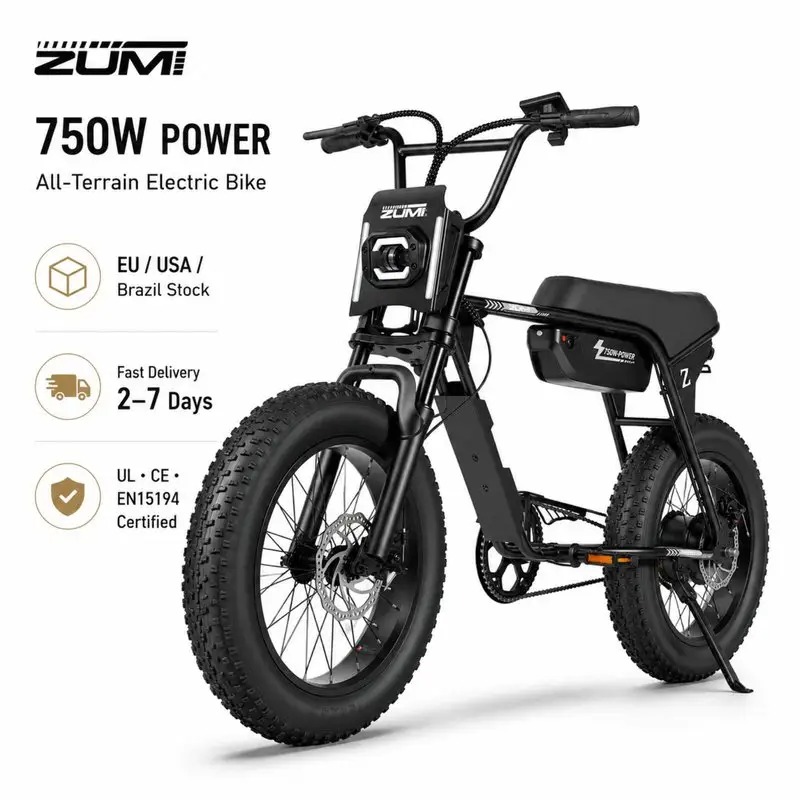
2026/08/03
Learn precise air pressure, rebound & compression tuning for optimal suspension performance. Get pro-level setup tips now.
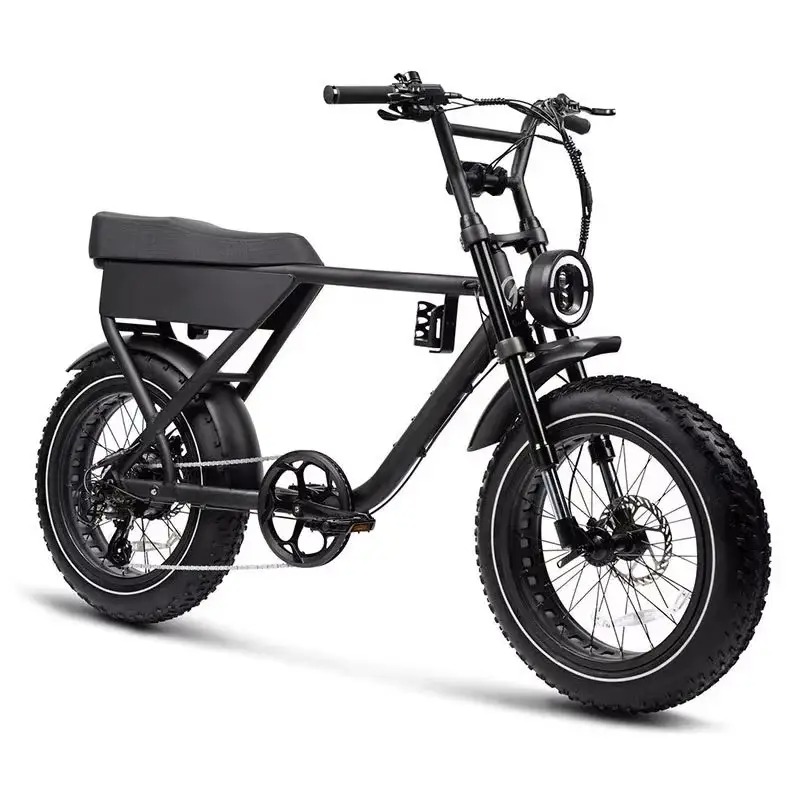
2026/08/03
Discover how voltage drop saps performance—and proven fixes to restore responsiveness, range, and battery life. Read now.
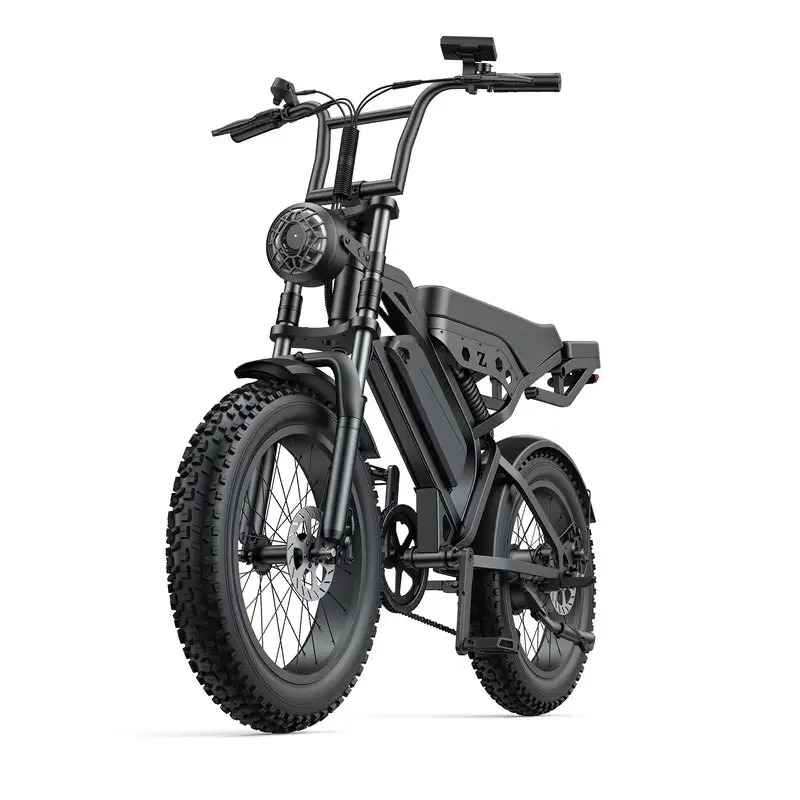
2026/08/03
Discover data-backed protocols, smart infrastructure & operational fixes. Optimize now.
2026/08/03
How payload cuts 48V cargo ebike range by 15–50%+ — backed by real-world degradation curves, motor load science & fleet optimization strategies.
Comprehensive warranty, fast parts shipping, remote diagnostics and local dealer training


