 EN
EN
STEP 1
Full vehicle warranty for 2 years
2026/08/19
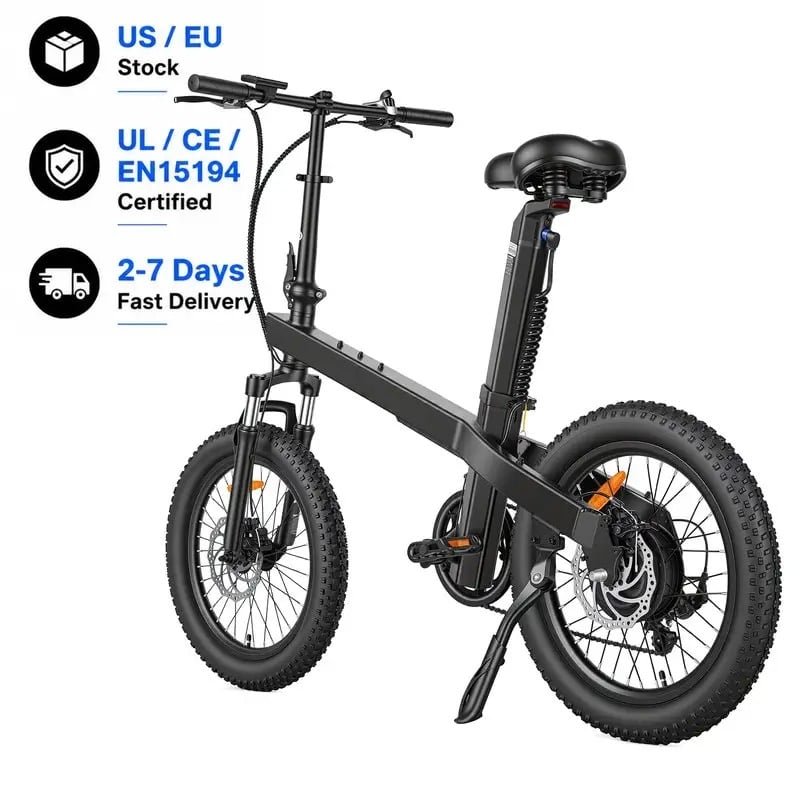
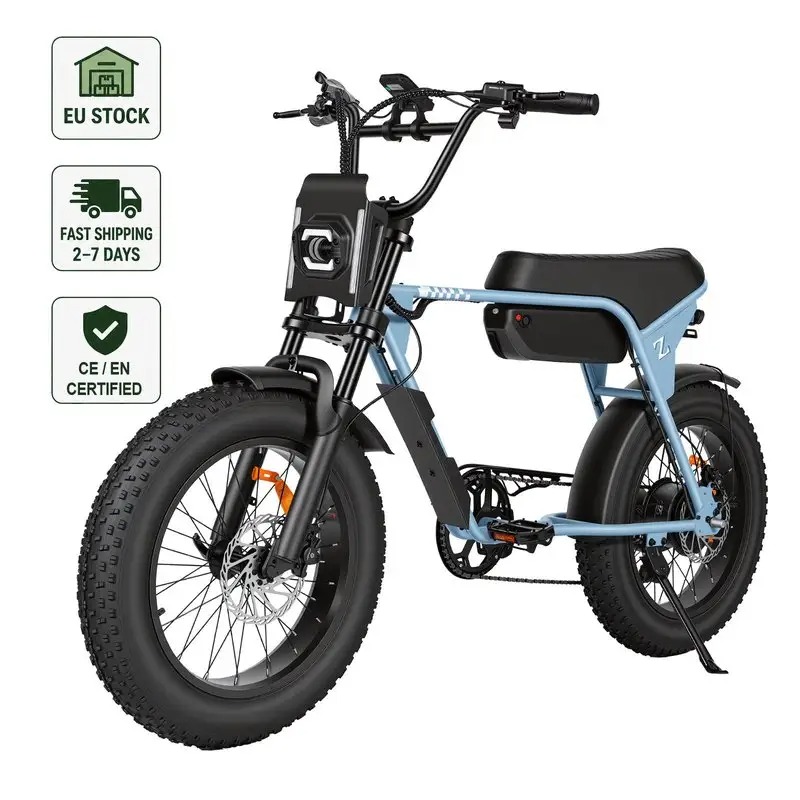
Off-road trail access for a 1000w electric bike requires understanding both local regulations and trail-specific rules that govern where riders can legally operate their machines. As electric bikes become increasingly popular for outdoor recreation, trail managers and land agencies have implemented specific guidelines that directly impact which paths remain accessible to 1000 watt ebikes. Understanding these regulations prevents costly violations, ensures a positive riding experience, and maintains sustainable access for the entire e-bike community.
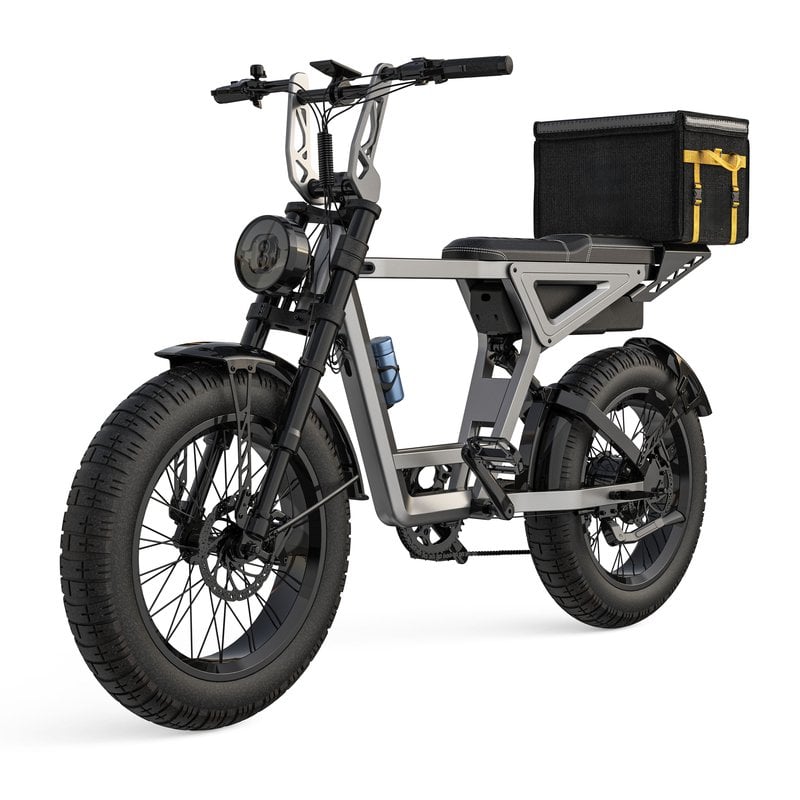
The legal landscape for 1000 watt ebikes varies significantly across regions, making it essential for riders to research their local jurisdictions before heading out. Federal lands, state parks, and municipal trails each maintain distinct policies regarding electric bikes, especially high-powered models. A 1000w fat tire ebike sits in a category where many standard trail systems impose restrictions, particularly on singletrack routes and protected natural areas. Knowing these distinctions helps riders choose appropriate locations and avoid conflicts with land managers and other trail users.
Electric bikes fall into three federally recognized classes in most North American jurisdictions. Class 1 systems provide motor assistance only while pedaling and stop at 20 miles per hour. Class 2 e-bikes include a throttle function but also cap out at 20 miles per hour. Class 3 systems assist pedaling up to 28 miles per hour. A 1000 watt ebike typically exceeds these federal classifications, placing it in a gray area where many trail systems classify it as a motorized vehicle rather than a traditional e-bike. Understanding this distinction is critical because many singletrack trails that permit Class 1 or Class 2 e-bikes explicitly prohibit more powerful 1000 watt e bikes.
Federal public lands managed by the U.S. Forest Service, Bureau of Land Management, and National Park Service each apply their own standards. The National Forest system generally allows Class 1 and Class 2 electric bikes on trails designated for bicycle use, but a 1000w fat tire ebike or other high-powered models typically require special authorization. State park systems vary widely; some embrace all electric bikes on certain trails, while others restrict usage to paved paths only. Municipal trails frequently permit Class 1 and Class 2 models but prohibit 1000 watt ebikes to minimize trail damage and environmental impact. Privately owned trails may establish their own rules, and some actively welcome high-powered machines while others exclude them entirely.
Trail managers restrict 1000 watt ebikes on sensitive terrain because the combination of high torque output and heavier bike weight increases erosion and soil compaction. A 1000w fat tire ebike carrying a full-power electric motor delivers significantly more force to the ground than a standard bicycle or lower-power e-bike, particularly during acceleration and climbing. This increased impact can accelerate trail degradation, especially on wet or loose soil conditions. Riding responsibly means choosing trails designed for motorized traffic or specifically approved for 1000 watt e bikes. Even on permitted trails, riders should practice low-impact techniques such as avoiding wet conditions immediately after heavy rain and staying within established track boundaries.
Singletrack mountain bike trails typically prohibit 1000 watt ebikes due to their narrow width and fragile construction. Doubletrack and wider forest roads generally accept high-powered electric bikes more readily, and many land managers explicitly permit 1000 watt e bikes on designated vehicle routes. Gravel roads and well-established dirt roads often accommodate ebike 1000w 48v systems without issue. Designated off-road vehicle trails specifically engineered for motorcycles, ATVs, and similar machines frequently welcome electric bikes, including powerful 1000w fat tire ebike models. Before riding, consult local trail databases, signage, and land manager websites to verify which terrain types allow your specific machine.
Before departing for any off-road expedition on your 1000 watt ebike, spend time reviewing official trail maps and regulations from the managing agency. Most federal and state land agencies maintain websites with downloadable maps, PDF guides, and explicit policies regarding electric bikes. Local bicycle advocacy groups and e-bike shops often provide detailed regional information and can recommend trails where 1000w fat tire ebike models are explicitly welcomed. Join online forums and community groups where riders share current trail conditions and access news; regulations change, and community knowledge often reflects the most up-to-date guidance. Document your findings by taking screenshots or printing materials so you have evidence of permitted access should questions arise.
Riders operating 1000 watt e bikes should equip their machines with proper safety gear, including functional lights, audible warning devices, and reflective markings that comply with local regulations. When riding on permitted trails, maintain speeds appropriate for terrain and visibility, even though 1000 watt ebike systems can achieve higher speeds than conventional bicycles. Practice predictable steering, avoid sudden acceleration that could disturb other trail users, and yield appropriately to hikers and horses. Some jurisdictions require registration or insurance for high-powered electric bikes, so verify your local requirements and maintain documentation. Operate within the legal parameters of your specific location; the reputation of the e-bike community depends on responsible riders respecting trail rules and environmental standards.
Most standard singletrack mountain bike trails prohibit 1000 watt ebikes because they exceed Class 1 and Class 2 e-bike definitions used in trail policies. However, designated off-road vehicle trails, wide doubletrack roads, and some gravel systems do permit 1000w fat tire ebike models. Always check specific trail regulations before riding, as policies vary significantly by region and managing agency.
Class 1 ebike systems provide motor assistance up to 20 miles per hour while pedaling and produce up to 750 watts of power. A 1000 watt ebike delivers significantly higher power output and may reach higher speeds, which places it outside standard federal classifications and typically triggers motorized vehicle restrictions on many trails. This distinction is why 1000 watt e bikes face stricter access limitations compared to lower-power models.
Many forest service roads allow 1000w fat tire ebike use because they are designated for vehicle traffic and designed to handle heavier equipment. However, specific forest service units maintain their own policies, so you must consult the district office managing the road you wish to ride. Some roads permit only non-motorized uses, while others welcome all electric bikes. Always verify with the managing agency before planning your ride.
2026/08/03
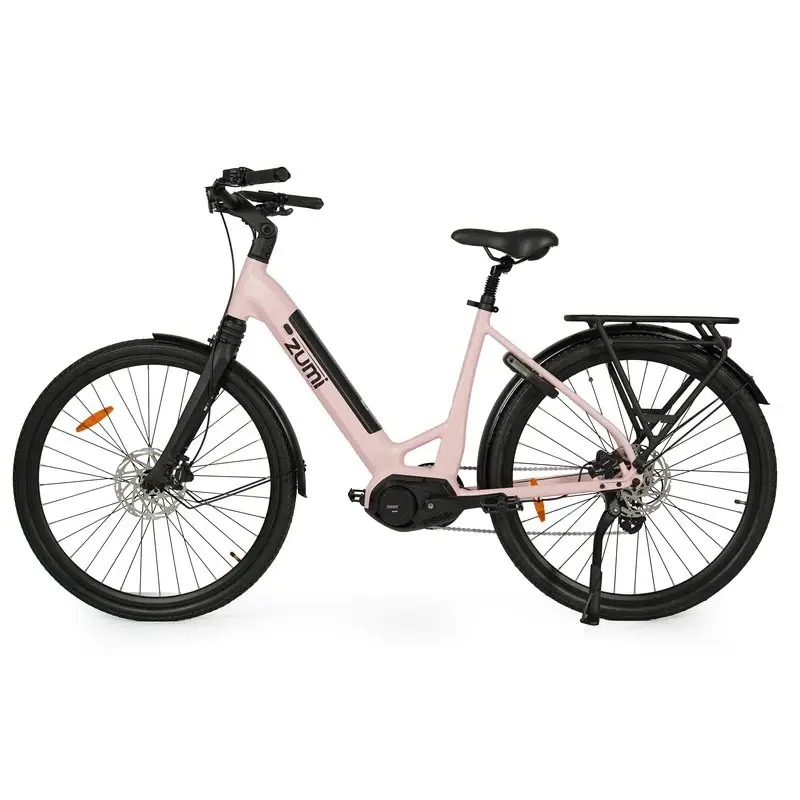
Fix time zones, language gaps, and unclear protocols—boost speed, cut costs, and scale confidently.
2026/08/03
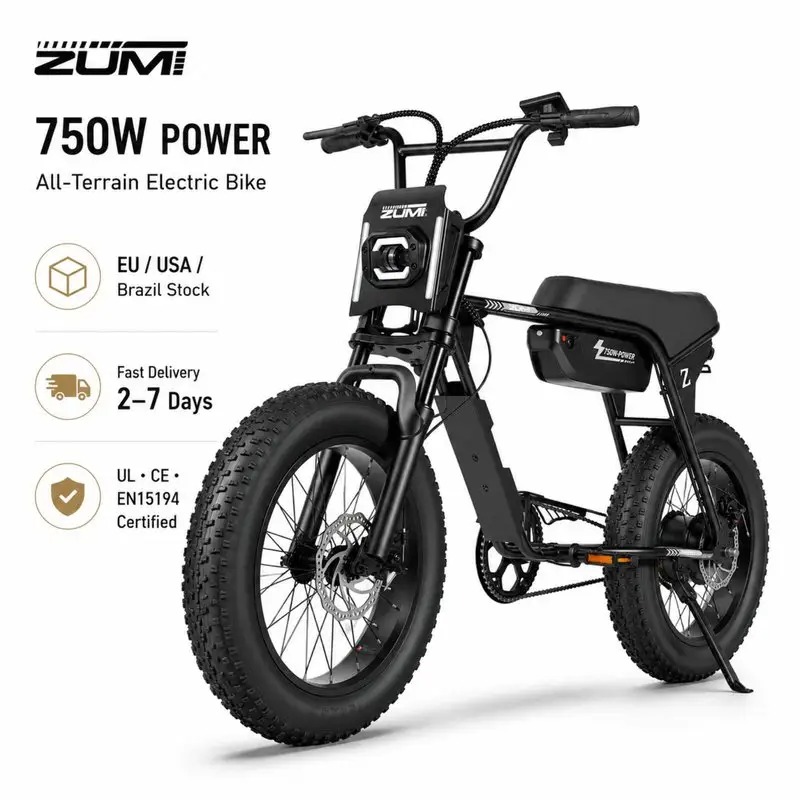
Avoid liability & import bans: Learn IEC 62619, UN 38.3, and UL 2271—plus how to verify real compliance (not fakes).
2026/08/03
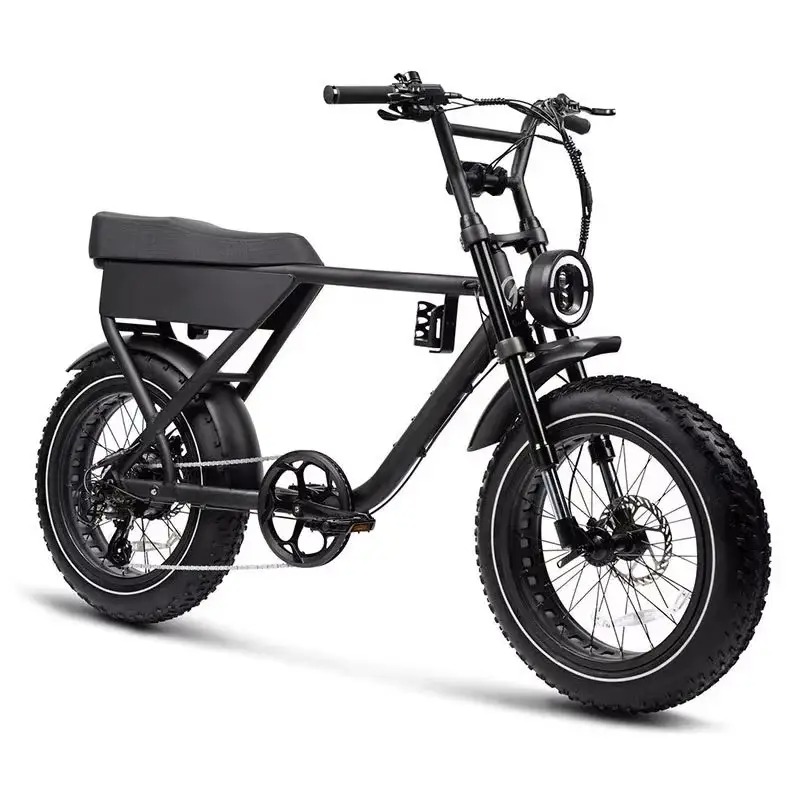
Learn precise air pressure, rebound & compression tuning for optimal suspension performance. Get pro-level setup tips now.
2026/08/03
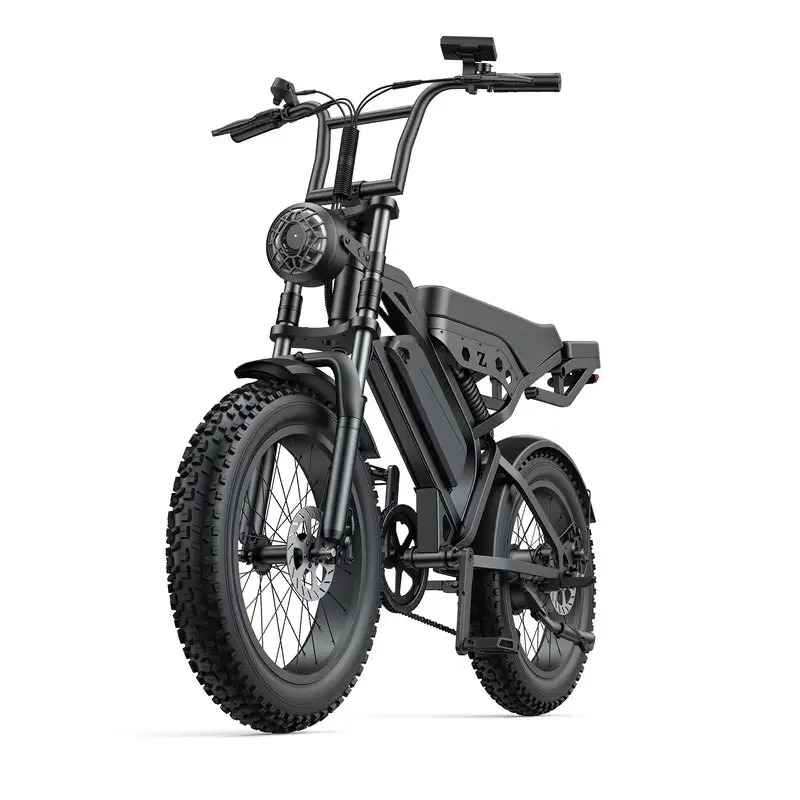
Discover how voltage drop saps performance—and proven fixes to restore responsiveness, range, and battery life. Read now.
2026/08/03
Discover data-backed protocols, smart infrastructure & operational fixes. Optimize now.
2026/08/03
How payload cuts 48V cargo ebike range by 15–50%+ — backed by real-world degradation curves, motor load science & fleet optimization strategies.
Comprehensive warranty, fast parts shipping, remote diagnostics and local dealer training


