 EN
EN
STEP 1
Full vehicle warranty for 2 years
2026/08/10
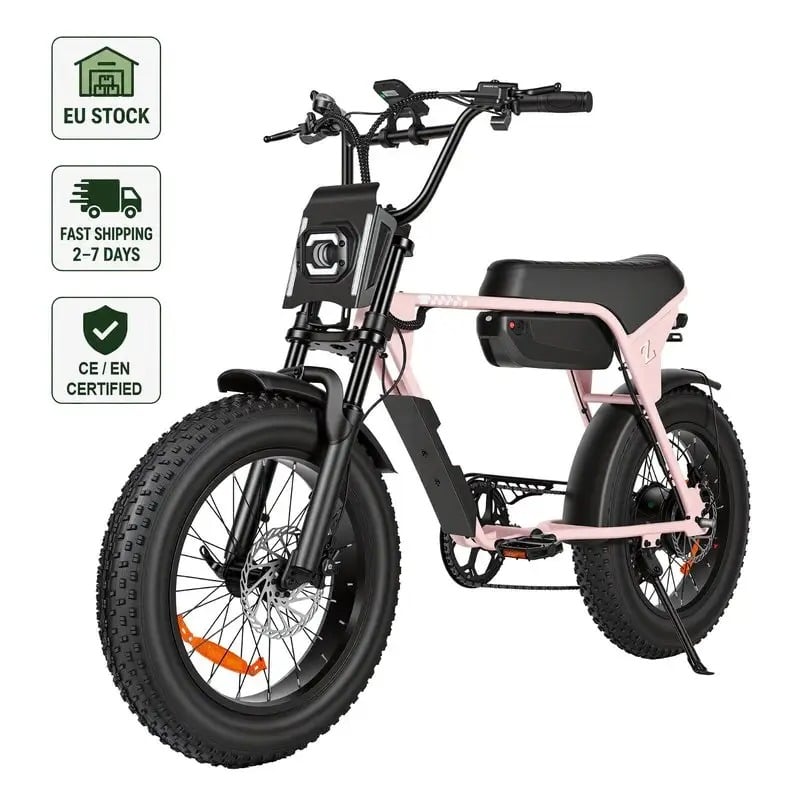
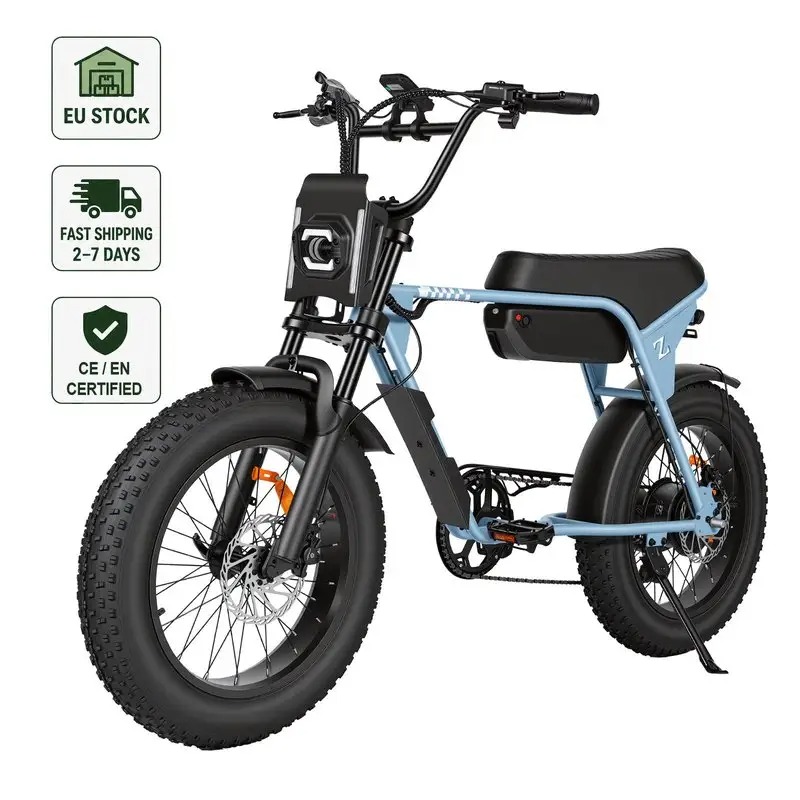
Climbing steep hills on a fat tire ebike presents unique challenges that differ significantly from traditional bicycles or lightweight electric models. The weight, motor power, and tire characteristics of a fat tire ebike require specific techniques and understanding to navigate inclines safely and effectively. Whether you own a fat tire ebike 750w model or a custom fat tire ebike designed for rugged terrain, mastering hillclimbing fundamentals will transform your riding confidence and extend your battery range on challenging routes.
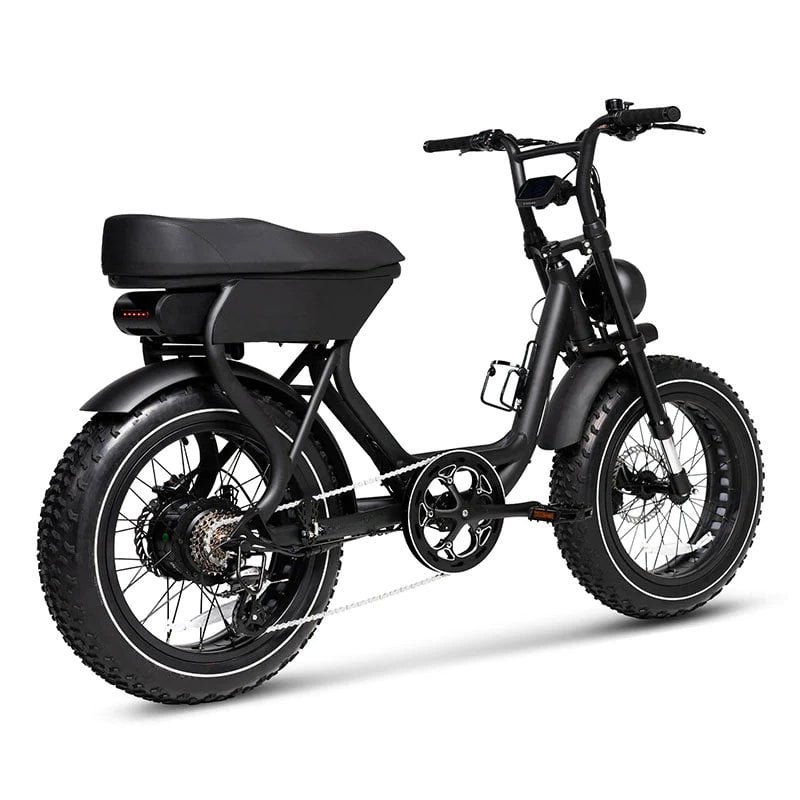
The wide, low-pressure tires characteristic of a fat tire ebike cruiser provide exceptional grip and traction on loose or uneven ground, but they also create rolling resistance that affects your approach to climbing. Understanding how your motor assistance works, how to distribute your weight correctly, and how to manage your energy consumption will make the difference between struggling on hills and climbing them with control and ease. This comprehensive guide explores the essential strategies for safe uphill riding on any fat tire ebike model.
Your fat tire ebike 750w motor provides different assistance levels that directly impact your climbing performance and battery consumption. Most fat tire ebike models offer pedal-assist modes ranging from low to high, each suited to different hill gradients and riding situations. On steep inclines, starting with medium assistance allows you to gauge the hill's difficulty while maintaining control and battery efficiency. As the grade increases, higher assistance modes become necessary, but ramping up too aggressively wastes battery power and can cause motor strain.
Experienced riders of a custom fat tire ebike recommend beginning climbs in lower gear ratios with moderate assistance, then increasing the motor support incrementally as needed. This approach prevents wheel slippage on loose terrain and allows the motor to work more sustainably throughout the climb. Throttle control, if your fat tire ebike cruiser includes it, should be used smoothly rather than abruptly to maintain consistent power delivery and prevent sudden lurching that could compromise your stability on steep grades.
Hills demand more battery energy than flat terrain, and understanding this relationship is crucial for safe, confident riding on your fat tire ebike. Steep climbs can consume battery charge two to three times faster than level ground, especially when you rely on full throttle or maximum assistance modes. Planning your route to include the most demanding hills earlier in your ride, when your battery is fully charged, ensures you have adequate power reserves for safe descent and return navigation. A custom fat tire ebike equipped with a larger battery capacity provides greater margin for error on hilly terrain.
Before tackling steep hills, check your battery charge and estimate the climbing distance ahead. If you have less than 40 percent charge remaining and face multiple steep climbs, consider reducing assistance levels or taking a different route. Your fat tire ebike 750w motor will continue assisting below 20 percent charge, but power output diminishes, and you risk being stranded without sufficient assistance to descend safely.
Climbing hills safely on a fat tire ebike requires deliberate weight distribution to maximize traction and control. When ascending steep grades, shifting your weight slightly forward over the handlebars helps keep the front wheel planted on the ground and prevents the bike from becoming unstable. However, excessive forward lean reduces pedaling power and can cause hand fatigue on long climbs. The ideal position balances comfort, power generation, and stability for your specific fat tire ebike cruiser geometry.
For a custom fat tire ebike with adjustable seat positioning, raise the seat slightly higher than your typical flat-ground setting to improve leg extension and pedaling efficiency on climbs. Keep your elbows relaxed and slightly bent rather than locked, which allows better shock absorption and control. On very steep grades exceeding 15 percent, some riders find standing slightly out of the saddle improves power transfer, but this technique requires practice and should only be attempted on terrain where you feel fully confident with your fat tire ebike's handling.
The wide tires of a fat tire ebike provide excellent flotation on sand, gravel, and soft terrain, but hills covered in loose material present unique traction challenges. Maintain steady pressure on the pedals and avoid sudden accelerations or decelerations that could cause wheel slippage. If your fat tire ebike 750w model begins to spin out, immediately reduce motor assistance and cadence to regain grip. Anticipate challenging sections and approach them with slightly lower speed, allowing the wide tire contact patch to work effectively.
On muddy or snow-covered hills, fat tire ebike cruiser models excel due to their tire surface area and low pressure, but smooth, controlled movements remain essential. Jerky inputs or rapid power changes destabilize traction even on forgiving terrain. Practice these techniques on smaller hills first, building muscle memory and confidence before attempting steeper, more technical climbs on your fat tire ebike.
Many riders focus on climbing but neglect the equally important challenge of descending safely on a fat tire ebike. Hydraulic disc brakes on most modern fat tire ebike 750w models provide excellent stopping power, but using them incorrectly during long descents generates excessive heat and can cause brake fade. Feather your brakes lightly and consistently rather than applying hard pressure in bursts, distributing braking energy over a longer distance. A custom fat tire ebike equipped with dual hydraulic brakes offers better modulation and safety than single-brake systems, especially on steep terrain.
Body positioning during descent is equally important to climbing technique. Shift your weight slightly backward toward the rear wheel, and lower your seat slightly if your fat tire ebike cruiser allows quick adjustment. Keep your elbows wide and relaxed, allowing the bike to move beneath you as it encounters bumps or roughness. On steep descents, your motor will likely provide regenerative braking assistance if equipped, reducing brake workload and heat generation while recovering small amounts of battery charge.
Safe hillclimbing on a fat tire ebike combines technical skill with physical conditioning. Regular climbing practice, even on moderate hills, builds leg strength and teaches your body the muscle memory required for proper weight distribution and cadence control. Start with hills that feel manageable and gradually progress to steeper challenges as your confidence and fitness increase. Many fat tire ebike 750w riders benefit from strength training focused on quadriceps, hamstrings, and core stability, which translates directly to improved hillclimbing performance and injury prevention.
Consistency matters more than intensity. Riding your fat tire ebike regularly on varied terrain, including hills of different gradients, develops the neurological adaptation and muscle endurance necessary for safe, confident climbing. A custom fat tire ebike matched to your fitness level accelerates this progress, ensuring that motor assistance supports rather than replaces your physical effort.
Start in a lower gear ratio that allows a comfortable pedal cadence between 60 and 80 revolutions per minute on steep climbs. A fat tire ebike cruiser with wider gear spacing helps you find the optimal balance between power and speed. Avoid extremely low gears that cause very rapid spinning or very high gears that require excessive force, as both reduce control and efficiency on slopes.
A fat tire ebike 750w delivers comparable or superior climbing power due to its motor capacity, but the heavier overall weight and rolling resistance of the wider tires mean climbing speed is typically slower. The advantage of a fat tire ebike lies in superior traction and stability on loose or uneven terrain, making climbing safer and more predictable. A custom fat tire ebike optimized for hill riding balances weight, motor power, and gearing to maximize climbing performance.
A fat tire ebike cruiser is absolutely capable of safe hillclimbing when ridden with proper technique and motor management. The comfortable geometry and powerful motor of most cruiser models make them well-suited to mixed terrain that includes significant elevation changes. The key is understanding your specific bike's capabilities, planning your routes accordingly, and practicing the techniques described in this guide to build confidence and skill.
2026/08/03
Fix time zones, language gaps, and unclear protocols—boost speed, cut costs, and scale confidently.
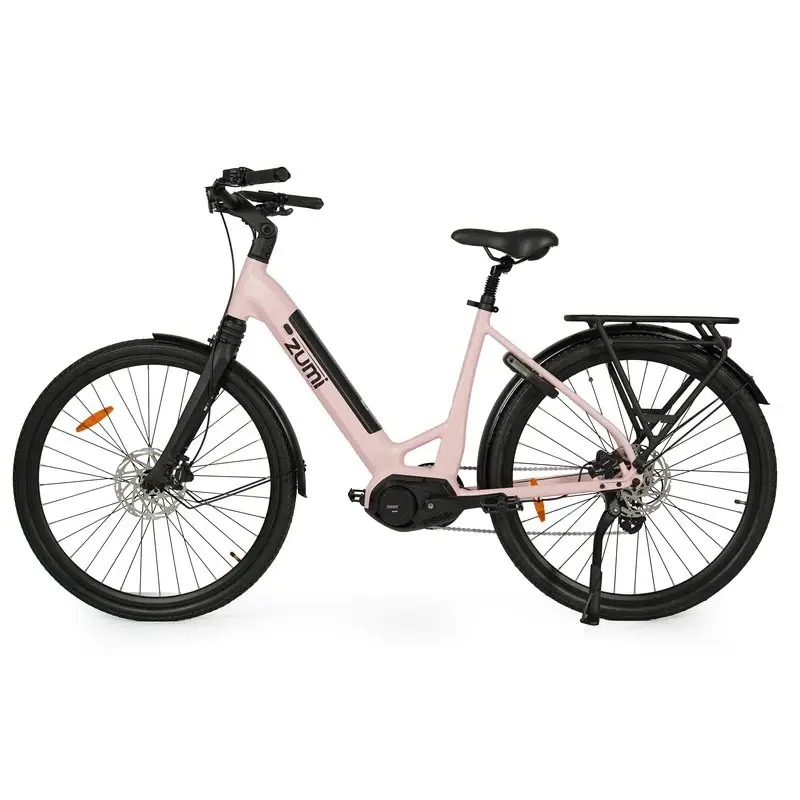
2026/08/03
Avoid liability & import bans: Learn IEC 62619, UN 38.3, and UL 2271—plus how to verify real compliance (not fakes).
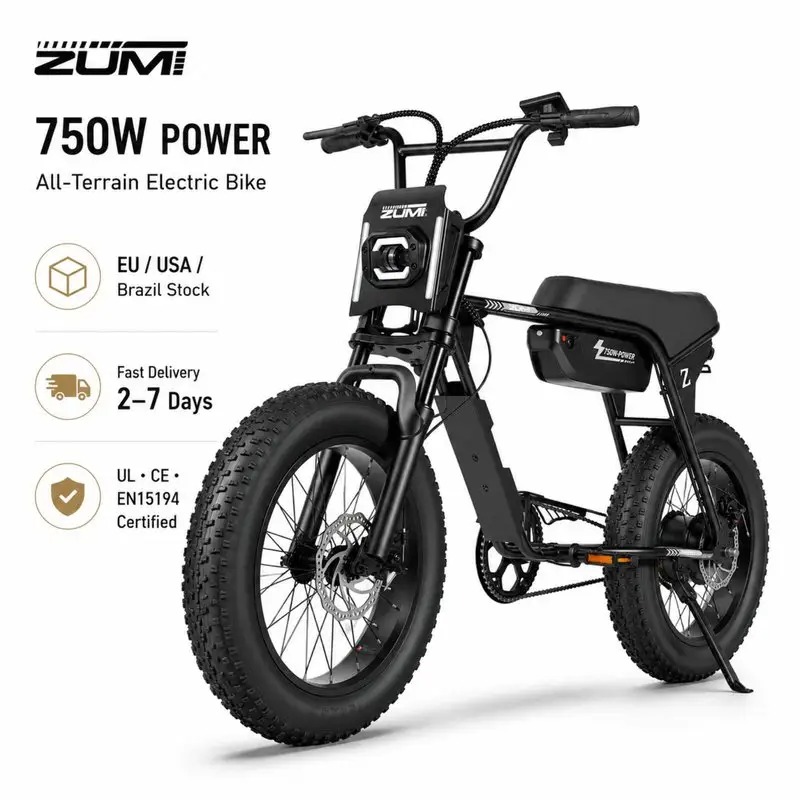
2026/08/03
Learn precise air pressure, rebound & compression tuning for optimal suspension performance. Get pro-level setup tips now.
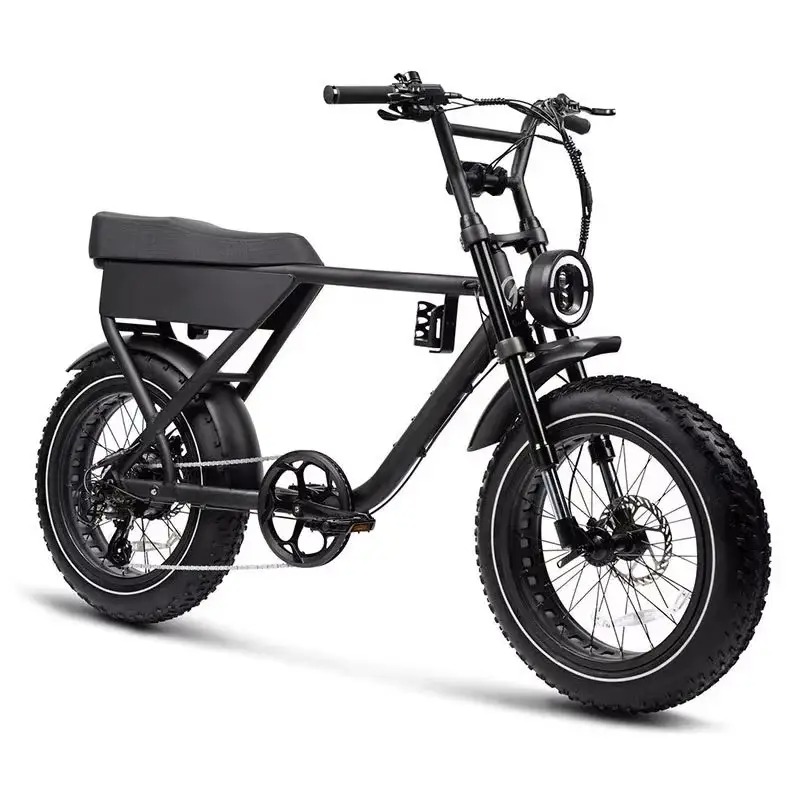
2026/08/03
Discover how voltage drop saps performance—and proven fixes to restore responsiveness, range, and battery life. Read now.
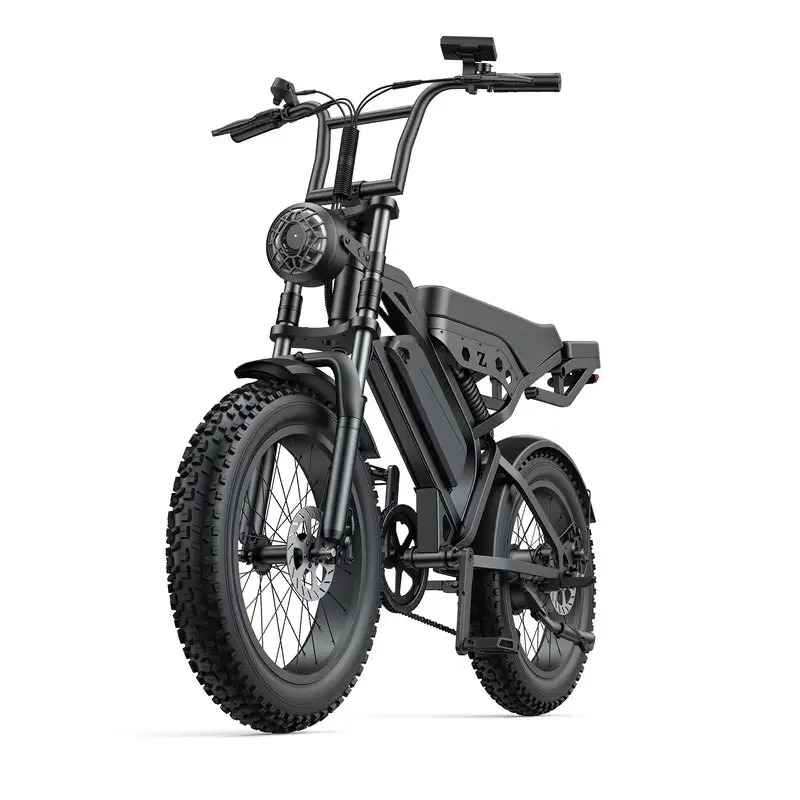
2026/08/03
Discover data-backed protocols, smart infrastructure & operational fixes. Optimize now.
2026/08/03
How payload cuts 48V cargo ebike range by 15–50%+ — backed by real-world degradation curves, motor load science & fleet optimization strategies.
Comprehensive warranty, fast parts shipping, remote diagnostics and local dealer training


