 EN
EN
STEP 1
Full vehicle warranty for 2 years
2026/08/27
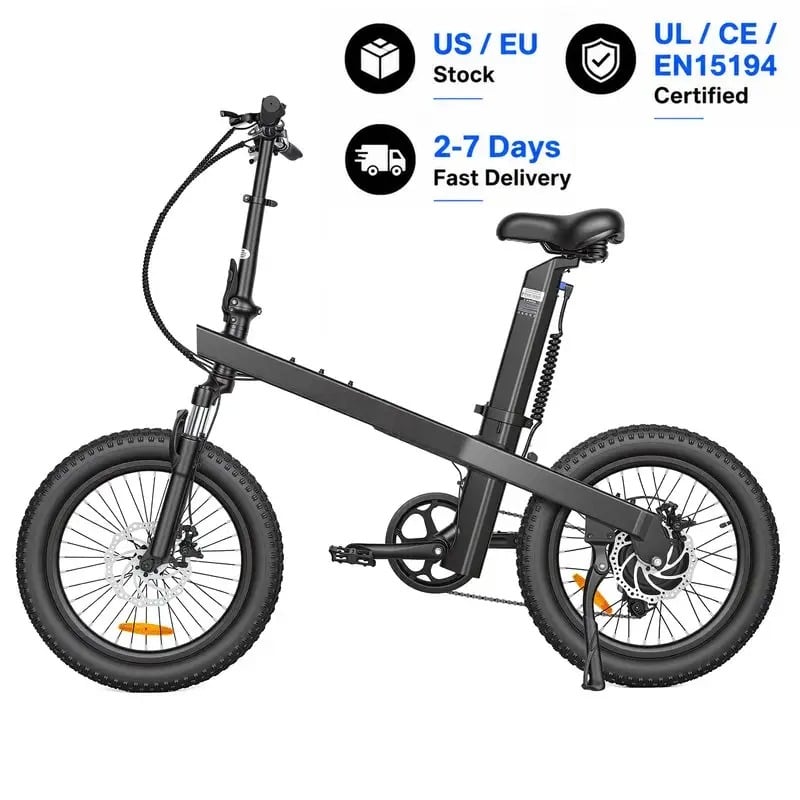
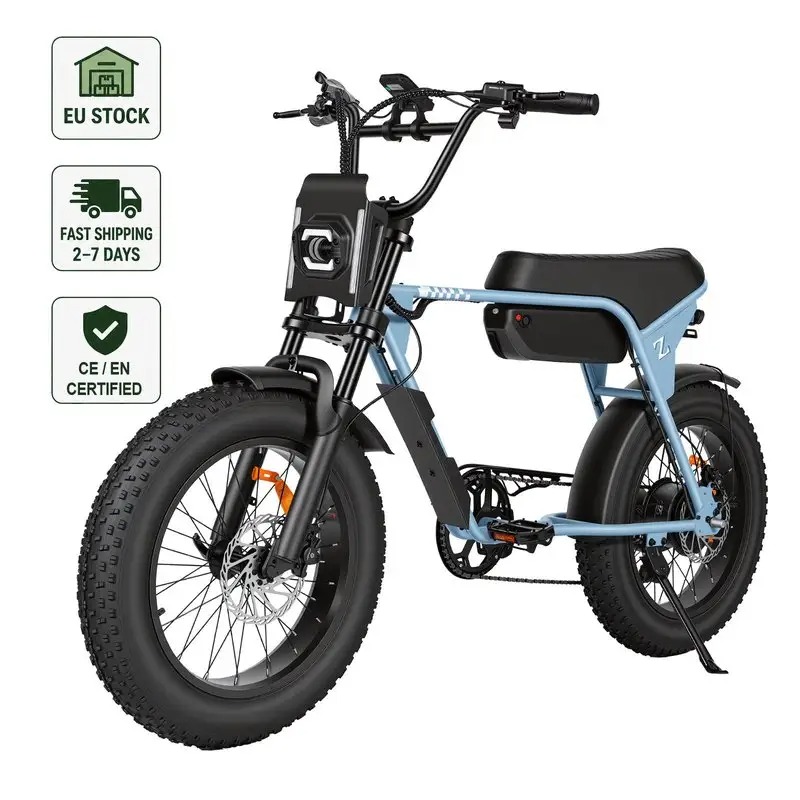
Pedal assist algorithm tuning represents one of the most impactful yet underutilized optimization opportunities for riders of a fat tire electric bike 250w. The algorithm governing how motor power responds to your pedaling input directly influences acceleration smoothness, battery efficiency, hill-climbing capability, and overall ride comfort. Many owners accept factory settings without realizing that fine-tuning these parameters can transform their riding experience, especially on varied terrain where fat tire ebikes excel. Understanding the mechanics of pedal assist calibration empowers riders to extract maximum performance from their 250w systems while maintaining reliability and battery longevity.
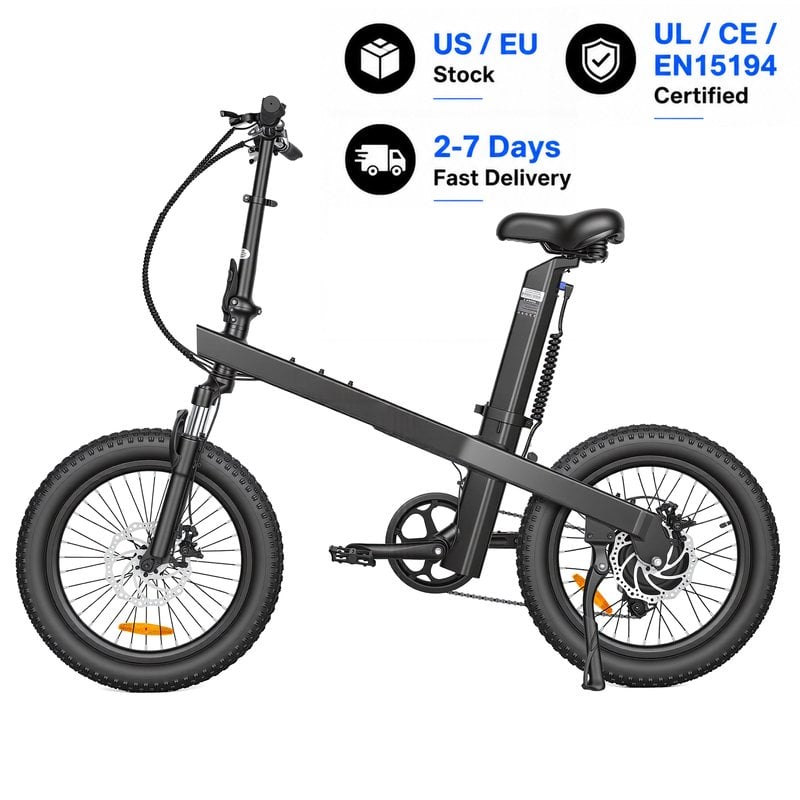
A 250w electric fat bike operates within specific power constraints that make algorithm tuning particularly important. Unlike higher-wattage systems, a 250w motor demands intelligent power delivery to achieve responsive assistance across different riding conditions. The pedal assist algorithm interprets pedal cadence, torque input, and motor load, then modulates power output accordingly. Proper tuning ensures your fat tire ebike delivers power when needed without motor lag, maintains consistent acceleration, and preserves battery capacity across longer rides. This guide explores the key tuning parameters, practical adjustment methods, and optimization strategies specifically designed for 250w fat tire electric bike systems.
Pedal assist algorithms rely on multiple sensor inputs to determine appropriate motor output levels. Most 250w ebike systems use torque sensors or cadence sensors to detect rider input. Torque sensors measure the force applied to pedals and provide proportional motor assistance, creating natural, rider-responsive acceleration. Cadence sensors count pedal revolutions per minute and deliver preset power levels based on assistance mode selected. For a fat tire ebike, accurate sensor calibration forms the foundation of effective algorithm tuning. When sensors drift from factory calibration, the motor may respond sluggishly, cut assistance prematurely, or deliver inconsistent power. Understanding your specific sensor type helps identify which tuning adjustments will yield the most noticeable improvements to pedal assist responsiveness.
The power delivery curve defines how quickly a 250w motor ramps from zero to full output as pedal input increases. Aggressive curves deliver immediate, forceful power but consume battery faster and may feel jerky during light pedaling. Smooth curves distribute power gradually, improving ride comfort but sometimes creating acceleration lag. Your electric fat bike tuning strategy should match intended riding style. Aggressive curves suit trail riding and quick acceleration from stops, while smooth curves optimize long-distance efficiency and smooth commuting. Testing different curve profiles on varied terrain reveals which tuning configuration best serves your primary riding purpose. Most 250w fat tire ebike controllers allow custom curve adjustment through smartphone apps or display panel menus, though specific methods vary by manufacturer.
Most 250w ebike systems offer multiple assistance levels, typically ranging from eco mode through sport or turbo mode. Factory calibration assigns fixed power percentages to each level, but tuning allows optimization for your actual riding conditions. Eco mode typically delivers thirty percent power, cruise mode delivers sixty percent, and sport mode delivers ninety-nine percent on a 250w electric fat bike. However, actual output depends on algorithm settings, sensor calibration, and motor characteristics. Fine-tuning assistance levels involves testing each mode across different terrain types, noting acceleration feel and battery drain rate. Adjusting the power percentage allocated to each level ensures responsive assistance in your primary riding mode while maximizing efficiency in low-power modes for extended range.
Motor engagement delay describes the time between pedal input and motor power output response. Excessive delay creates noticeable lag, making a 250w fat tire ebike feel unresponsive and less enjoyable. Minimal delay creates snappy response that improves trail performance and urban riding. Algorithm tuning adjusts the threshold sensitivity and ramp rate that governs motor engagement. For a fat tire electric bike, slightly aggressive engagement settings work well because the increased rolling resistance of wide tires naturally dampens sudden power surges. Testing engagement settings involves accelerating from standstill and noting whether power arrives smoothly or abruptly. Optimized settings deliver power just as pedal torque builds, creating seamless acceleration that feels like natural leg power rather than mechanical assistance.
Different terrain types benefit from distinct pedal assist tuning approaches. Rocky, technical trails demand responsive power delivery and sensitive cadence detection to maintain momentum and traction on a fat tire ebike. Smooth pavement favors moderate assist curves that extend battery range. Steep climbs require aggressive motor engagement to prevent stalling. Advanced 250w fat tire electric bike systems allow storing multiple custom profiles that activate based on terrain or riding mode selection. Riders can optimize each profile for specific conditions without compromising performance elsewhere. Testing custom profiles across your typical riding locations reveals which tuning configurations provide genuine performance improvements. Some riders maintain separate profiles for loaded cargo hauling, unloaded fast riding, and casual cruising, each with distinct power curves and sensitivity settings suited to those specific use cases.
Improper algorithm tuning can accelerate battery degradation and reduce motor lifespan by forcing excessive power demands during low-battery conditions or creating thermal stress through sustained high-power draws. A properly tuned 250w ebike system modulates power based on battery state-of-charge, reducing assistance gradually as capacity depletes rather than cutting power abruptly. This approach maintains consistent ride feel while protecting battery chemistry. Motor temperature monitoring represents another critical tuning parameter that prevents overheating during extended climbs or continuous high-power operation on a fat tire electric bike. Tuning algorithms to reduce power output when motor temperature exceeds safe thresholds prevents damage while maintaining ridability. These protective calibrations extend overall system lifespan and improve reliability across thousands of charging cycles.
Aggressive power curves deliver maximum motor output quickly in response to pedal input, creating snappy acceleration ideal for trail riding and climbing but consuming battery faster. Smooth curves ramp power gradually, delivering steady assistance that feels more natural and extends range significantly. A 250w fat tire ebike typically balances these approaches through tuning profiles that adjust curve steepness based on riding mode selection.
Sensor calibration determines whether your fat tire ebike accurately detects pedal input strength and cadence. Miscalibrated torque sensors deliver inconsistent power relative to actual pedal force, creating lag or overwhelming assistance. Drifted cadence sensors miscount pedal revolutions, triggering incorrect power levels. Regular recalibration of sensors ensures the algorithm receives accurate data, allowing precise tuning of power delivery responses on your 250w system.
Yes, strategic tuning can improve efficiency significantly. Adjusting power delivery curves to prevent unnecessary maximum-power draws, optimizing assistance mode settings for different terrain, and enabling battery state-of-charge responsive modulation all extend range. A properly tuned 250w ebike can achieve ten to twenty percent better range through intelligent algorithm calibration while maintaining responsive, enjoyable assist characteristics on varied terrain.
2026/08/03
Fix time zones, language gaps, and unclear protocols—boost speed, cut costs, and scale confidently.
2026/08/03
Avoid liability & import bans: Learn IEC 62619, UN 38.3, and UL 2271—plus how to verify real compliance (not fakes).
2026/08/03
Learn precise air pressure, rebound & compression tuning for optimal suspension performance. Get pro-level setup tips now.
2026/08/03
Discover how voltage drop saps performance—and proven fixes to restore responsiveness, range, and battery life. Read now.
2026/08/03
Discover data-backed protocols, smart infrastructure & operational fixes. Optimize now.
2026/08/03
How payload cuts 48V cargo ebike range by 15–50%+ — backed by real-world degradation curves, motor load science & fleet optimization strategies.
Comprehensive warranty, fast parts shipping, remote diagnostics and local dealer training


