 EN
EN
STEP 1
Full vehicle warranty for 2 years
2026/08/18
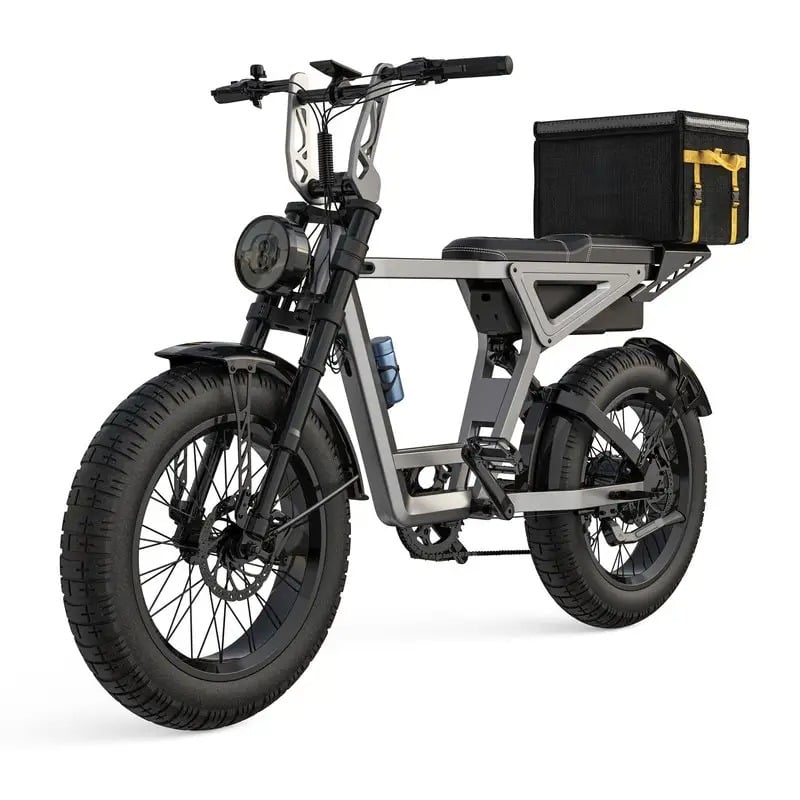
Muddy trails present unique challenges that separate capable all terrain ebikes from underperformers. When you ride an all terrain electric bike through wet, loose terrain, the interaction between tire grip, motor torque, frame geometry, and suspension becomes critical. Understanding these performance factors helps riders make informed decisions about whether an electric mountain bike matches their trail conditions and riding style.
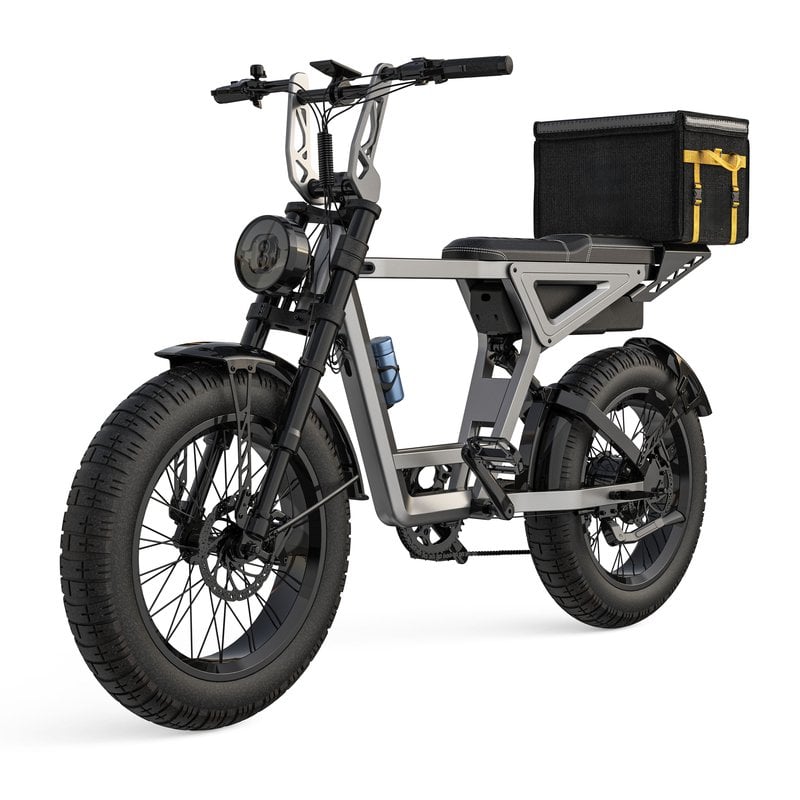
Real-world muddy trail performance depends on specific design features built into all terrain fat tire electric bikes. Motor power alone does not guarantee success on slippery surfaces. The combination of tire width, tread pattern, suspension travel, weight distribution, and braking system determines whether an all terrain ebike will climb steep muddy slopes, maintain control during descents, and navigate through unpredictable terrain without losing traction or stability.
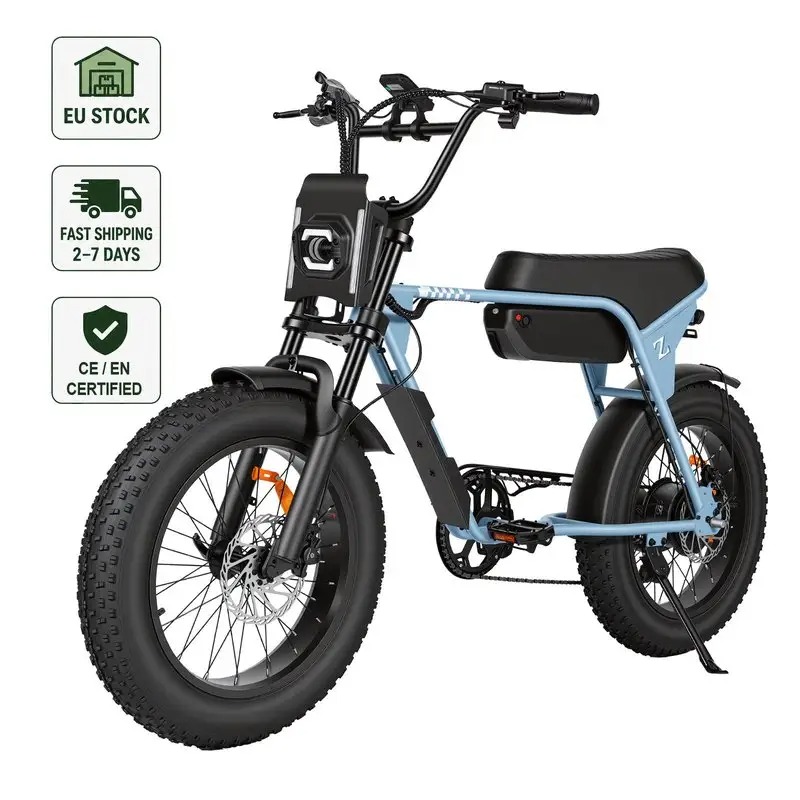
All terrain fat tire electric bikes feature wider tires, typically between 4 and 5 inches, that distribute rider weight across a larger surface area. This increased footprint creates lower ground pressure, which reduces tire sinking into mud and improves flotation characteristics. The larger contact patch with the ground provides superior grip compared to standard mountain bike tires. When mud clings to tire surfaces, fat tires on all terrain ebikes maintain more usable traction because the tread blocks remain engaged with underlying soil rather than floating on loose debris.
Tread pattern significantly influences mud-shedding capabilities on all terrain electric mountain bikes. Aggressive block designs with deep spacing allow mud to escape quickly during rotation, preventing the tire from becoming a smooth, slippery disc. Conversely, tread patterns designed for rock and hardpack terrain often clog with mud, eliminating traction entirely. Optimal muddy trail tread features widely spaced blocks, rounded edges for mud release, and sufficient sidewall thickness to handle impacts from hidden rocks or roots.
Tire pressure adjustment represents a simple yet powerful performance tool for all terrain ebikes on muddy trails. Reducing pressure below manufacturer maximums increases tire flexibility and conformity to uneven ground. Lower pressure allows the tire sidewalls to flex more, increasing the contact patch and improving grip without risking rim damage. Most all terrain fat tire electric bikes perform optimally in mud at pressures between 8 and 15 PSI, dramatically lower than hard-packed trail riding. Riders must balance lower pressure benefits against increased rolling resistance and the added effort required from the motor to maintain speed.
An all terrain electric mountain bike must deliver sufficient torque to overcome both the weight of rider and bike plus the resistance created by mud clinging to tires and frame. Motors rated between 750 and 1000 watts represent the practical minimum for consistent muddy trail performance. Lower-powered systems struggle to maintain momentum on steep, slippery sections, forcing riders to dismount and walk. High-torque motor characteristics prove essential because muddy terrain offers unpredictable traction, and consistent power delivery prevents stalling mid-climb when traction suddenly diminishes.
Motor placement on all terrain ebikes influences how power translates to trail performance. Mid-drive motors offer better weight distribution and more natural power delivery for climbing, making them preferred for technical muddy trails. Hub motors, while simpler, can cause rear wheel spin if insufficient traction exists. When an all terrain electric bike's motor encounters sudden traction loss, mid-drive systems allow riders to modulate power by shifting gears, while hub motors can only reduce throttle input. This flexibility becomes critical when navigating transition zones between dry and muddy sections.
Muddy terrain consumes significantly more battery energy than hard-packed trails because higher rolling resistance demands sustained motor effort. All terrain ebikes with 48-volt battery systems at 20-amp-hour capacity provide reasonable muddy trail range for recreational riding. However, riders should expect 20 to 30 percent reduced range when muddy conditions dominate. The heavier wet mud creates constant drag that depletes battery capacity faster than any other terrain type. Pre-ride battery checks and conservative throttle usage help prevent stranding on distant trails.
All terrain fat tire electric bikes designed for muddy trails typically feature full-suspension or hardtail frames with sufficient travel to absorb impacts from hidden obstacles beneath mud. Suspension travel between 4 and 6 inches provides adequate compliance for maintaining traction through rough, muddy sections. When suspension compresses excessively, wheels can lose ground contact momentarily, destroying traction when riders need it most. An all terrain electric mountain bike with properly tuned suspension keeps tires in consistent contact with ground despite mud-obscured rocks, roots, and ruts.
Mud adds unpredictable weight and resistance that affect how suspension behaves during rides. Wet mud increases effective bike weight by 5 to 10 pounds when accumulated on tires, frame, and components. All terrain ebikes benefit from suspension tuning that accounts for this mud weight accumulation. Stiffer springs and higher damping settings help maintain control as mud gradually cakes onto the bike. Riders who frequently tackle muddy trails should learn basic suspension adjustment to optimize performance throughout the season as trail conditions change.
Frame geometry directly impacts an all terrain electric bike's ability to shed mud during riding. Generous clearance between the rear triangle and tires prevents mud buildup that can eventually jam the rear wheel or make pedaling impossible. All terrain fat tire electric bikes require more clearance than standard mountain bikes because tire width naturally reduces available space. Well-designed models feature chainstay angles and frame tubes positioned to direct mud downward and outward rather than trapping it against suspension or brake components. Riders navigating consistently muddy trails should inspect clearances and consider removing fenders if clogging occurs frequently.
Disc brakes on all terrain ebikes must function reliably despite mud, water, and contamination coating rotors and pads. Hydraulic disc brakes offer superior performance compared to mechanical versions because sealed systems exclude most mud from brake fluid pathways. When descending muddy slopes, riders need progressive braking power that modulates smoothly without sudden lock-up or fade. All terrain electric mountain bikes equipped with large-diameter rotors (203 mm or 180 mm) provide better heat dissipation and stronger stopping power than smaller sizes. Adequate brake power becomes essential safety consideration when riding downhill with motor assistance, as speed management prevents loss of control.
Brake pad wear accelerates dramatically on muddy trails because contaminants create an abrasive slurry between pads and rotors. All terrain ebikes ridden frequently in mud require more frequent brake maintenance than similar bikes used on dry terrain. Riders should inspect brake pads monthly during muddy season and replace them when thickness drops below specifications. Failing to maintain brakes on muddy trail all terrain electric bikes creates genuine safety hazard, as brake fade during extended descents can prevent adequate speed control.
All terrain electric mountain bikes excel in muddy conditions primarily because motor assistance helps maintain momentum and traction when slippery surfaces would cause manual bikes to stall. The larger tire volume of all terrain fat tire electric bikes distributes weight more effectively, reducing sinking. However, rider skill, tire selection, and suspension tuning matter equally to motor power. Well-maintained traditional bikes can navigate muddy terrain, but all terrain ebikes require less physical effort and less risk of getting stuck mid-climb.
All terrain electric bikes used regularly on muddy trails require inspection and cleaning after every ride. Mud traps moisture against frame and components, accelerating corrosion. Chain drivetrain wear increases dramatically when mud contaminates links and sprockets. Battery connectors and motor seals should be checked for water ingress monthly during muddy season. Complete drivetrain cleaning and lubrication should occur every 2 to 4 weeks depending on mud frequency and local conditions.
Optimal tire pressure for all terrain fat tire electric bikes on muddy trails typically ranges from 8 to 15 PSI, significantly lower than highway or hardpack riding. Riders should start at approximately 10 PSI and adjust based on specific mud depth and terrain composition. Lower pressure increases grip and traction but increases rolling resistance and motor energy consumption. Riders should never exceed 20 PSI on muddy trails, as higher pressure reduces traction and increases wheel slipping.
2026/08/03
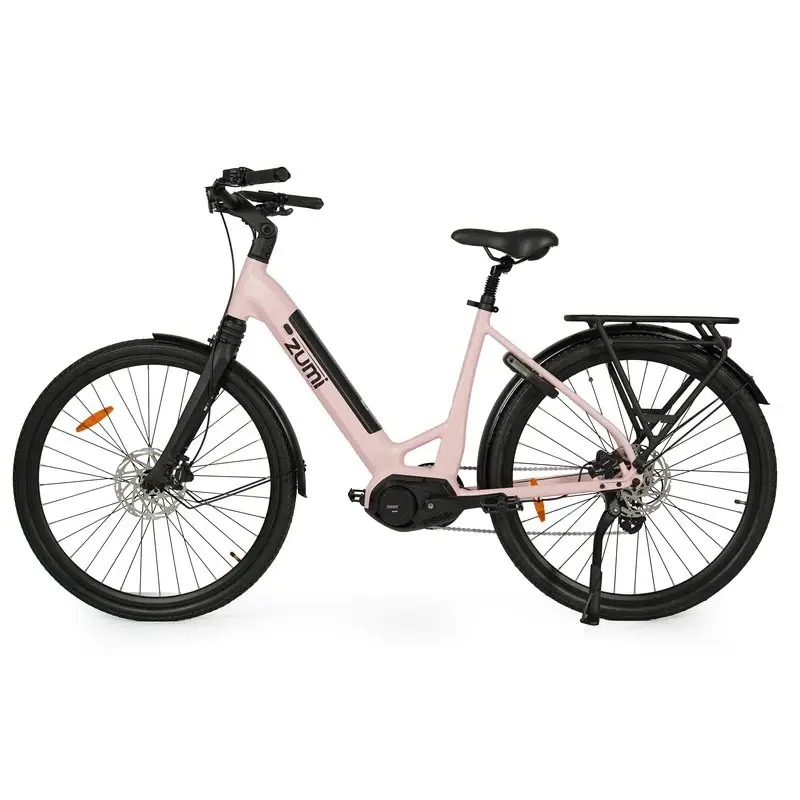
Fix time zones, language gaps, and unclear protocols—boost speed, cut costs, and scale confidently.
2026/08/03
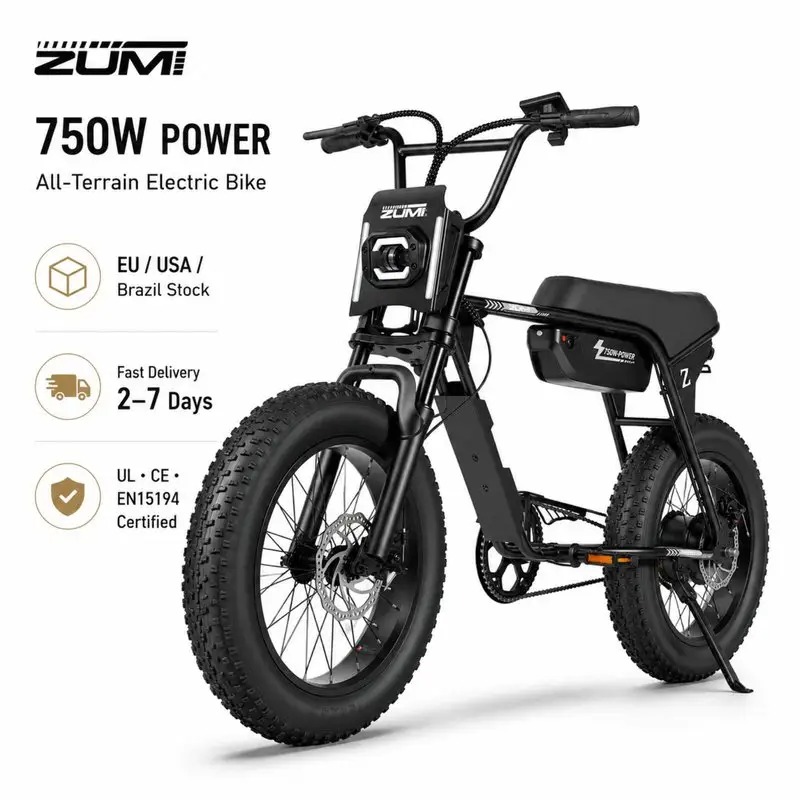
Avoid liability & import bans: Learn IEC 62619, UN 38.3, and UL 2271—plus how to verify real compliance (not fakes).
2026/08/03
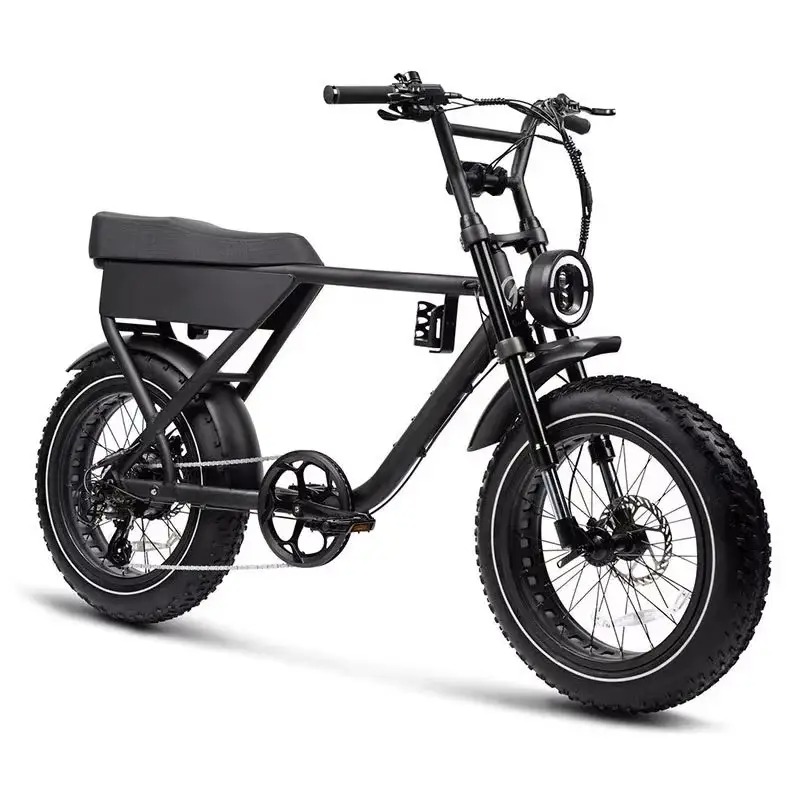
Learn precise air pressure, rebound & compression tuning for optimal suspension performance. Get pro-level setup tips now.
2026/08/03
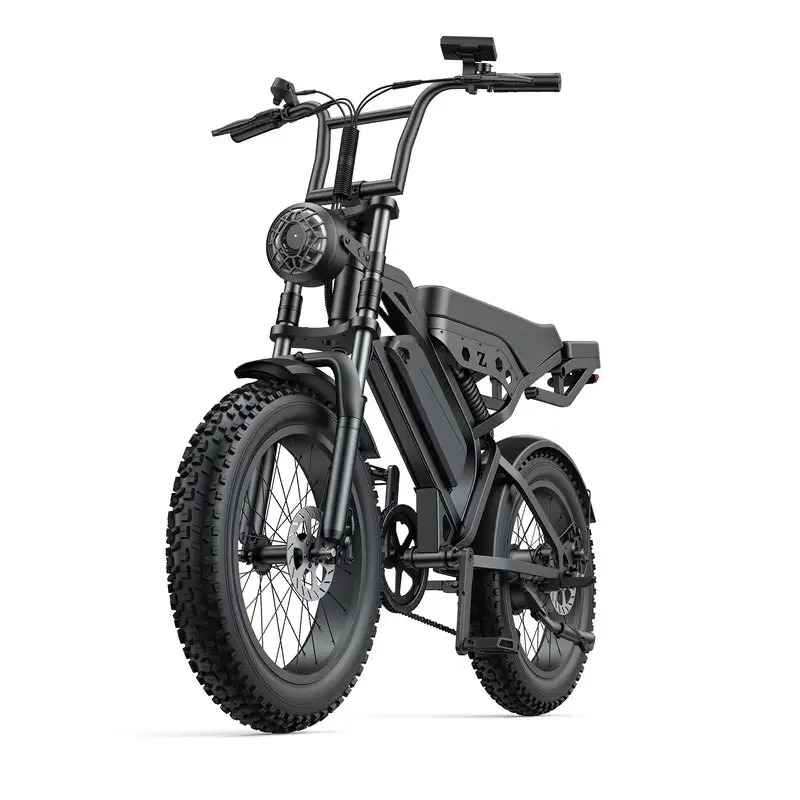
Discover how voltage drop saps performance—and proven fixes to restore responsiveness, range, and battery life. Read now.
2026/08/03
Discover data-backed protocols, smart infrastructure & operational fixes. Optimize now.
2026/08/03
How payload cuts 48V cargo ebike range by 15–50%+ — backed by real-world degradation curves, motor load science & fleet optimization strategies.
Comprehensive warranty, fast parts shipping, remote diagnostics and local dealer training


