 EN
EN
STEP 1
Full vehicle warranty for 2 years
2026/08/21
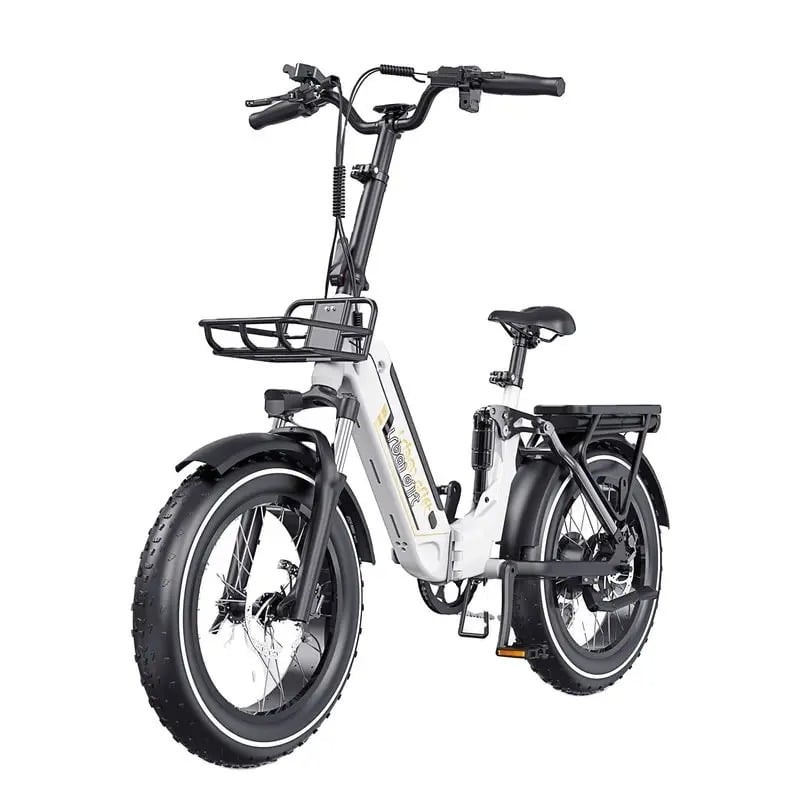
Sand terrain presents unique challenges for any vehicle, and understanding how an electric fat tire bike performs on this surface is essential for riders planning beach or desert adventures. The combination of wide tires, electric power, and sand creates a complex interaction where weight distribution, motor torque, and tire pressure all play critical roles in determining success. Unlike road surfaces, sand offers variable resistance that changes with moisture content, grain size, and compaction level, demanding specific bike characteristics to maintain traction and forward momentum. An off road fat tire electric bike must balance power delivery with efficiency to avoid rapid battery depletion while traversing loose, shifting terrain.
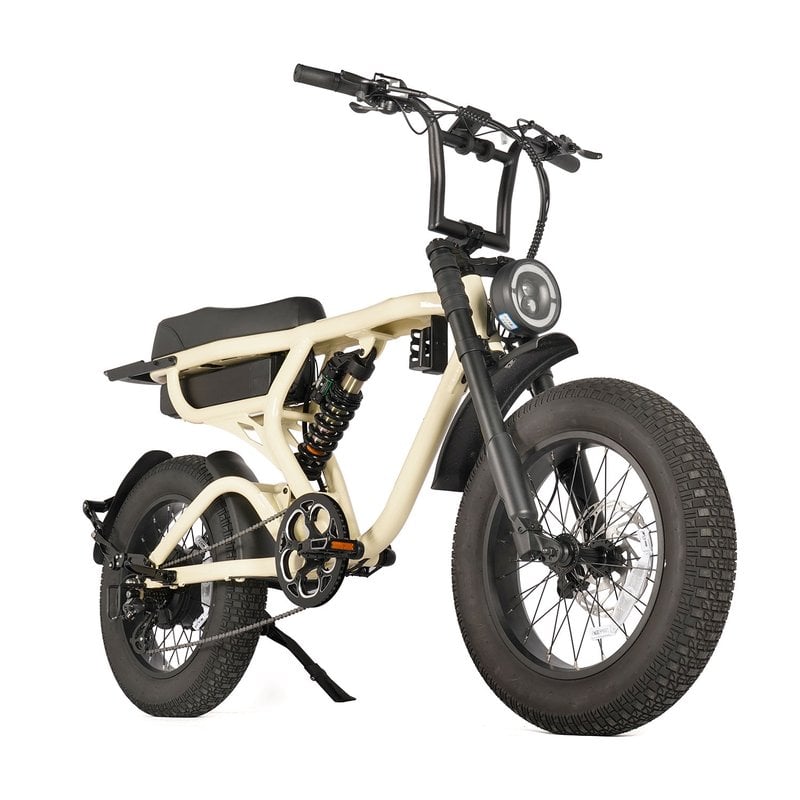
The performance of an adult fat tire electric bike on sand depends on several interconnected factors including tire volume, motor power, frame geometry, and rider weight. When properly configured, these bikes excel where conventional bicycles fail, providing stable acceleration and controlled deceleration across unstable surfaces. Sand riding requires riders to understand how their electric wide tire bike responds to throttle input, how motor assistance impacts traction, and what adjustments maximize both range and enjoyment. Real-world sand terrain testing reveals significant differences between theory and practice, making detailed performance analysis invaluable for anyone considering this specialized cycling application.
The footprint created by fat tires on sand is fundamentally different from narrow tires, and this difference defines traction performance. A fat tyre electric cycle distributes the rider's weight across a much larger surface area, reducing ground pressure and preventing sinking into soft sand. Tire pressure represents the critical control variable for sand performance; lower pressures increase the contact patch while higher pressures concentrate force into a smaller area. Most sand riders find that reducing tire pressure by 30 to 50 percent from typical road levels improves traction significantly, though this reduction also increases rolling resistance and power consumption. The optimal pressure balances flotation against efficiency, typically falling between 5 and 12 PSI for dedicated sand riding rather than the standard 20 to 30 PSI for mixed terrain.
Electric motor characteristics directly influence how an off road fat tire electric bike maintains traction when accelerating through sand. Mid-drive motors typically offer better traction management than direct-drive hub motors because they engage the bike's gears, allowing riders to multiply motor torque through the drivetrain for enhanced grip at lower wheel speeds. Hub-mounted motors provide consistent power but can cause wheel spin if torque application is too aggressive. The relationship between motor power and sand resistance means that a 750-watt adult fat tire electric bike handles firm, wet sand reasonably well, while 1000 watts or higher becomes necessary for loose, dry sand or steep dune climbs. Cadence and throttle modulation become essential skills; aggressive throttle input breaks traction quickly, while smooth power application maximizes forward progress. Experienced sand riders learn to feather throttle input, applying power gradually as the bike accelerates rather than demanding maximum power immediately.
Sand creates significantly higher rolling resistance than pavement, and this resistance directly reduces the maximum speed an electric wide tire bike can achieve. On firm, wet beach sand, riders typically maintain speeds of 12 to 18 miles per hour, compared to 20 to 28 miles per hour on similar terrain with pavement. Loose, dry sand reduces speeds further, often dropping to 8 to 12 miles per hour depending on conditions and motor power. The electric fat tire bike must work harder to maintain any given speed on sand because the surface absorbs energy rather than reflecting it. Heavier riders experience more pronounced speed reductions because their increased weight compresses the sand further, creating deeper ruts and greater resistance. Motor efficiency also changes with sand conditions; the motor works harder proportionally on very soft sand, reducing energy conversion efficiency and limiting peak performance.
Battery range on sand deteriorates more rapidly than on road terrain due to increased motor load and inefficiency. A typical adult fat tire electric bike rated for 40 to 60 miles on mixed terrain might achieve only 15 to 25 miles on soft sand with the same battery capacity. This range reduction occurs because sand riding demands continuous or near-continuous motor assistance; coasting provides minimal relief since sand drag is so high. An off road fat tire electric bike with a larger battery capacity becomes increasingly valuable for sand adventures, as it provides the buffer necessary for longer explorations. Rider weight multiplies the range penalty; heavier riders lose proportionally more range on sand than lighter riders with the same bike. Temperature, sand moisture, and tire pressure adjustments all influence actual range, meaning pre-ride testing and conservative range planning are essential for sand terrain.
Fat tires dramatically improve stability on sand compared to conventional narrow tires, though handling characteristics differ significantly from road riding. An electric fat tire bike feels planted and secure on loose terrain, resisting the tendency to slip sideways that narrower tires experience. Steering response becomes slower and heavier on sand because the tires resist directional changes more than they do on firm surfaces. Riders accustomed to road bikes often find sand steering requires more deliberate input and greater physical effort. The wide stance provided by fat tires reduces tipping risk even when leaning aggressively, making cornering safer on sand than on pavement at equivalent lean angles. However, this stability comes with a trade-off: the bike becomes more difficult to maneuver quickly, and sudden direction changes can cause tires to break traction or slide. Most sand enthusiasts adopt a smooth, flowing riding style that respects the terrain's constraints rather than fighting for aggressive handling.
Braking on sand presents unique challenges for any bike, and an off road fat tire electric bike's braking system must be managed carefully to maintain control. Sand provides unpredictable friction, and braking power can vary dramatically depending on moisture content and depth. Aggressive braking often causes tires to lock, reducing traction and control, so progressive brake application becomes more important on sand than on pavement. Hydraulic disc brakes offer better modulation than mechanical options, allowing riders to apply braking force smoothly without sudden engagement. Electric fat tyre electric cycle riders benefit from regenerative braking on hub-motor models, which provides additional stopping force without mechanical brake wear. Stopping distances increase significantly on sand, and riders should anticipate longer braking zones and avoid sudden braking situations. Understanding the bike's braking characteristics requires practice and testing in your local sand conditions before tackling challenging terrain.
Sand moisture dramatically changes performance characteristics; wet sand provides better traction and requires less power than dry sand, extending both range and top speed significantly. Moisture compacts sand particles, reducing energy loss and rolling resistance. However, extremely wet sand near water can create sticky conditions that increase power demand again. Most riders find the ideal sand is damp but not saturated, offering optimal balance between traction and efficiency for an electric wide tire bike.
For dedicated sand terrain exploration, an adult fat tire electric bike with 750 watts minimum power handles firm sand adequately, though 1000 watts or higher becomes necessary for loose sand and dune climbing. More powerful motors provide better acceleration and hill-climbing ability on challenging sand conditions. Motor power works together with tire pressure and rider technique; lower tire pressures and smooth throttle control can compensate for moderate power limitations to some degree.
Steep dune climbing depends on motor power, tire traction, rider weight, and sand consistency. An off road fat tire electric bike with 1000+ watts can climb moderate slopes, though very steep or soft dunes may exceed the bike's capability. Wider, lower-pressure tires improve dune climbing performance by increasing traction. Riders should test their bike on small dunes before attempting steep terrain, as recovery from losing traction halfway up a dune becomes complicated and potentially dangerous.
2026/08/03
Fix time zones, language gaps, and unclear protocols—boost speed, cut costs, and scale confidently.
2026/08/03
Avoid liability & import bans: Learn IEC 62619, UN 38.3, and UL 2271—plus how to verify real compliance (not fakes).
2026/08/03
Learn precise air pressure, rebound & compression tuning for optimal suspension performance. Get pro-level setup tips now.
2026/08/03
Discover how voltage drop saps performance—and proven fixes to restore responsiveness, range, and battery life. Read now.
2026/08/03
Discover data-backed protocols, smart infrastructure & operational fixes. Optimize now.
2026/08/03
How payload cuts 48V cargo ebike range by 15–50%+ — backed by real-world degradation curves, motor load science & fleet optimization strategies.
Comprehensive warranty, fast parts shipping, remote diagnostics and local dealer training


