 EN
EN
STEP 1
Full vehicle warranty for 2 years
2026/09/04
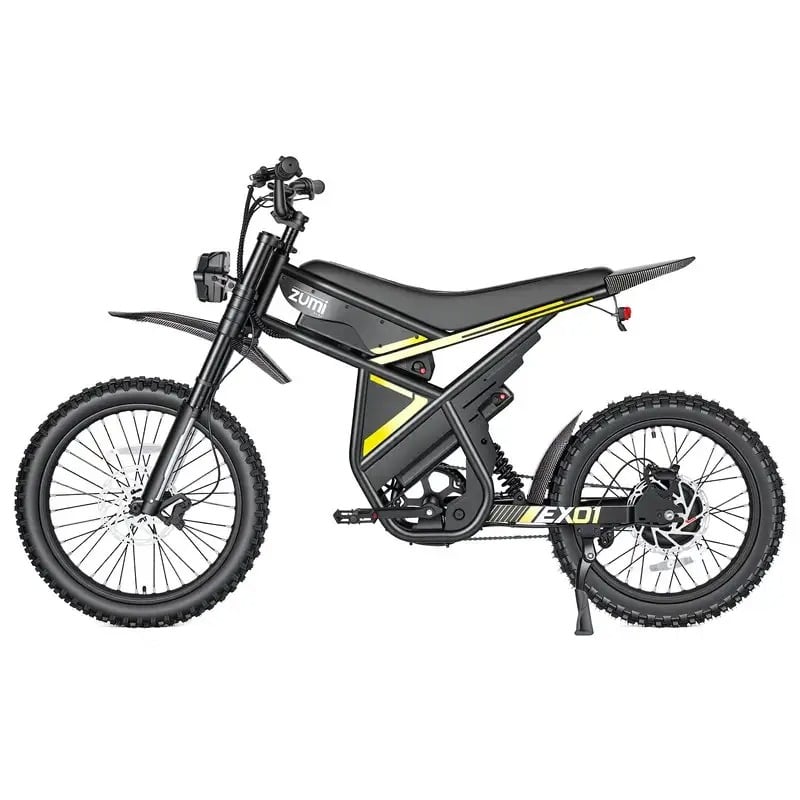
Choosing the right motor type is one of the most critical decisions when building a custom electric bike. Whether you opt for a hub motor or a mid-drive system, this choice fundamentally affects how your custom electric bike handles, accelerates, and performs across different terrain and riding conditions. Understanding the mechanical and practical differences between these two motor configurations will help you make an informed decision aligned with your specific riding goals and budget.
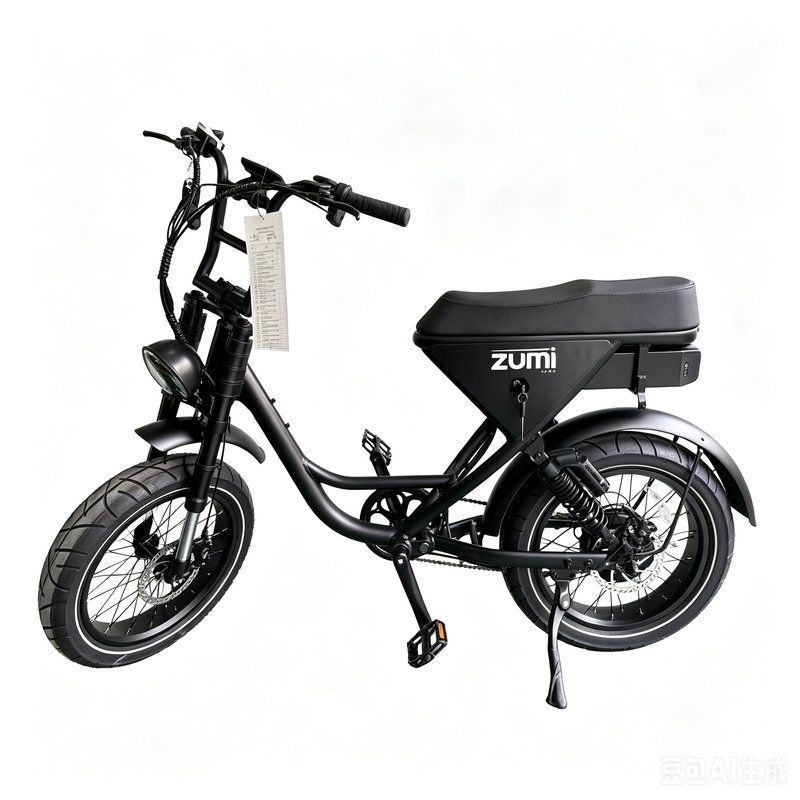
The motor architecture you select will influence everything from handling characteristics to maintenance requirements, efficiency in varied landscapes, and overall ride experience.
Hub motors are integrated directly into the wheel hub, with the electric motor replacing the traditional wheel axle. When you build a custom electric bike with a hub motor, the motor drives the wheel directly without engaging the bicycle's chain or gears. This direct-drive approach eliminates the need for mechanical power transfer through the drivetrain, which means hub motor systems experience virtually no power loss through the chain or cassette.
Hub motors come in two variants: direct-drive and geared. Direct-drive hub motors are heavier and stronger, typically used in performance-oriented custom electric mountain bike builds where raw torque and reliability matter most. Geared hub motors use internal reduction gearing to multiply torque while keeping the motor smaller and lighter, making them popular in compact custom made electric bikes and urban commuter builds.
Mid-drive motors mount near the bottom bracket and drive power through the bicycle's existing chain, cassette, and derailleur system. This architecture allows your custom built e bikes to leverage the mechanical advantage of your bike's gearing system, meaning the motor's output torque is multiplied when you use lower gears.
Because mid-drive motors work through the existing gearing system, they offer exceptional efficiency and torque multiplication in challenging terrain. A 500-watt mid-drive motor can deliver effective power equivalent to much higher wattage in certain riding scenarios because the gearing system multiplies motor torque just as it multiplies your pedaling force. This mechanical efficiency is one reason custom electric mountain bike builds frequently use mid-drive configurations for steep, technical trails where torque multiplication proves critical.
Hub motors place significant weight at the wheel rim, raising the rotating mass and affecting how your custom electric bike handles during cornering and acceleration. Rear hub motors shift weight toward the rear of the bike, potentially causing the rear wheel to feel slightly disconnected from the bike's center mass during aggressive maneuvering.
Mid-drive motors keep weight lower and more centered near the bike's frame, preserving the natural geometry and balance of traditional bicycles. Since the motor mounts at the bottom bracket, your custom electric mountain bike or trail-focused custom built e bikes maintains handling characteristics closer to conventional bikes, even with electric assistance.
Hub motor systems deliver power proportionally to wheel speed, creating a linear, predictable power curve. As your wheel spins faster, the motor delivers proportional power smoothly. This creates a gentle, surging acceleration feel that suits casual urban riding and long-distance cruising. Custom electric mountain bike setups with hub motors feel consistent across speed ranges, with no gear-shifting complexity affecting power delivery.
Mid-drive motors feel more like powerful pedal assistance, with power delivery varying based on which gear you're in. When climbing steep terrain on custom made electric bikes using mid-drive systems, you can downshift to maximize torque just as you would on a non-electric bike, and the motor multiplies that gearing advantage.
Hub motors bypass the chain entirely, eliminating chain wear caused by motor torque. Your custom electric bike chain only manages your pedal power, extending chain and cassette lifespan significantly compared to mid-drive systems. Custom built e bikes with hub motors often run 2,000–3,000 miles on a single chain, whereas mid-drive custom e bikes for sale typically need chain replacement every 800–1,500 miles due to motor torque loading the chain harder.
Mid-drive motors apply motor torque through your existing chain and cassette, accelerating wear on both components. The motor torque combined with pedal power creates higher total stress on the drivetrain than either force alone. However, this same characteristic means your custom electric mountain bike's gearing system remains simple and familiar, with off-the-shelf replacement components readily available anywhere bikes are serviced. Chain replacement for custom built e bikes remains straightforward and inexpensive, even if it's needed more frequently.
Hub motors operate within the wheel structure, fully sealed against mud, water, and dirt. Direct-drive hub motors have no internal gears, meaning fewer mechanical components that could fail. Custom electric bike designs with hub motors demonstrate excellent long-term reliability under harsh conditions because the motor operates sealed and away from external abrasion.
Mid-drive motors mount externally on the frame and operate in a less-sealed environment. The motor is exposed to chain splatter, water spray, and vibration from trail impacts. Custom made electric bikes with mid-drive systems require more careful maintenance, including periodic cleaning and protective covers for extended trail riding. However, because mid-drive systems are increasingly standardized across the industry, repairs and component sourcing remain relatively accessible compared to older or highly proprietary hub motor designs.
Hub motors maintain relatively consistent efficiency across most speed ranges, converting approximately 85–92% of battery energy into wheel motion. This makes custom e bikes for sale with hub motors predictable for range estimation and battery management. In flat terrain or steady-state cruising, hub motors deliver reliable efficiency mile after mile.
Mid-drive motors achieve peak efficiency in the mid-range of your bike's gearing system, typically around 60–70% of maximum chain speed. Because the gearing system multiplies torque, custom electric mountain bike systems require less motor wattage to climb steep terrain, extending range in hilly landscapes. Custom made electric bikes optimized for steep, technical terrain achieve superior efficiency per watt with mid-drive architecture because motor torque multiplication reduces the energy required to overcome gravity and rolling resistance on climbs. Your custom e bikes for sale in mountainous regions will deliver noticeably longer range with mid-drive systems on challenging terrain.
Hub motors excel on flat, paved surfaces and gentle trails where consistent power delivery matters more than torque multiplication. Custom built e bikes with hub motors feel responsive in urban environments and maintain stable, predictable power delivery on bikepaths and light gravel. Because hub motor acceleration remains linear regardless of terrain, riders enjoy familiar, predictable power characteristics across diverse riding situations.
Mid-drive motors dominate in steep, technical terrain where your custom electric mountain bike needs maximum torque per watt. When climbing rocky switchbacks or tackling serious elevation gain, the gearing system's mechanical advantage means your motor energy is used far more efficiently than hub motor equivalents.
Hub motors deliver superior simplicity because the motor is self-contained within the wheel, requiring no modification to your custom built e bikes chain, derailleur, or drivetrain. You avoid the complexity of motor integration with gearing logic, making hub motor custom made electric bikes mechanically straightforward. Installation involves mounting the motor-wheel assembly and routing electrical connectors—no chain tensioning or derailleur compatibility concerns. For riders prioritizing low-maintenance, fuss-free operation in their custom e bikes for sale, hub motors offer unmatched simplicity.
Both motor types can function on steep terrain, but they deliver very different performance characteristics. Mid-drive motors excel because the gearing system multiplies torque, making steep climbs more efficient and responsive. Hub motors work on steep terrain but require higher wattage to deliver equivalent climbing power because they lack torque multiplication.
Hub motor custom electric bikes require minimal drivetrain maintenance because the motor bypasses your chain and cassette entirely. Mid-drive systems on custom e bikes for sale experience faster chain and cassette wear because motor torque loads the drivetrain harder than pedal power alone. Hub motor custom built e bikes need chain replacement every 2,000–3,000 miles, while mid-drive custom electric mountain bike systems typically need replacement every 800–1,500 miles. Overall maintenance burden depends on your tolerance for frequent chain service versus hub bearing complexity.
2026/08/03
Fix time zones, language gaps, and unclear protocols—boost speed, cut costs, and scale confidently.
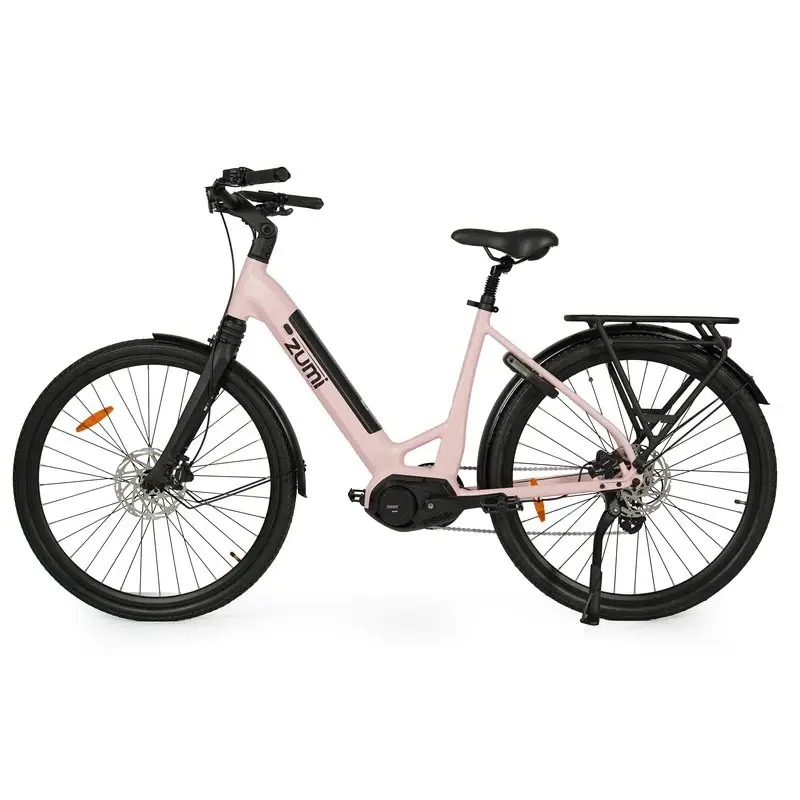
2026/08/03
Avoid liability & import bans: Learn IEC 62619, UN 38.3, and UL 2271—plus how to verify real compliance (not fakes).
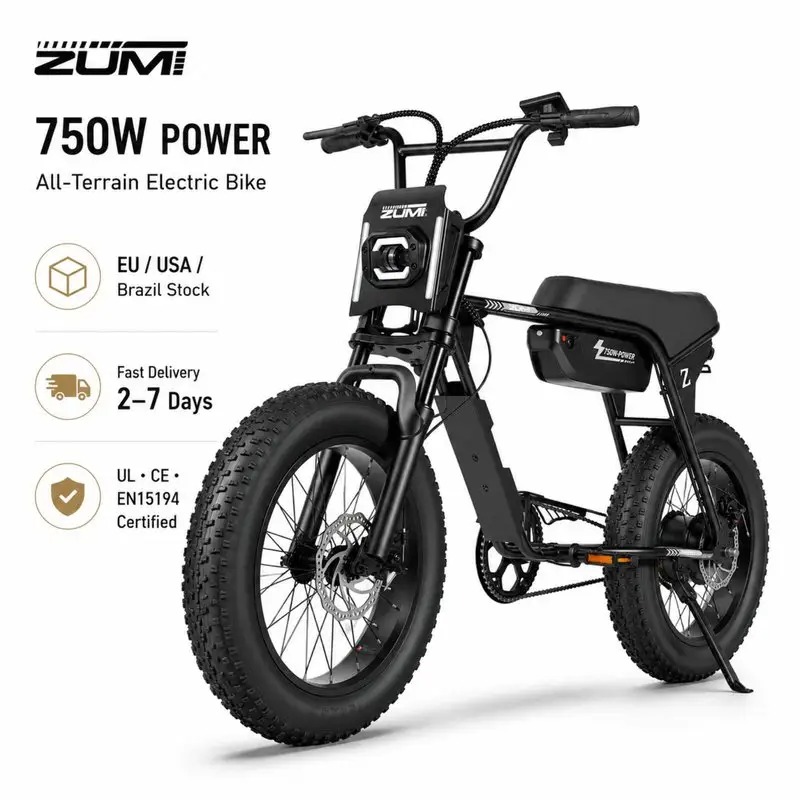
2026/08/03
Learn precise air pressure, rebound & compression tuning for optimal suspension performance. Get pro-level setup tips now.
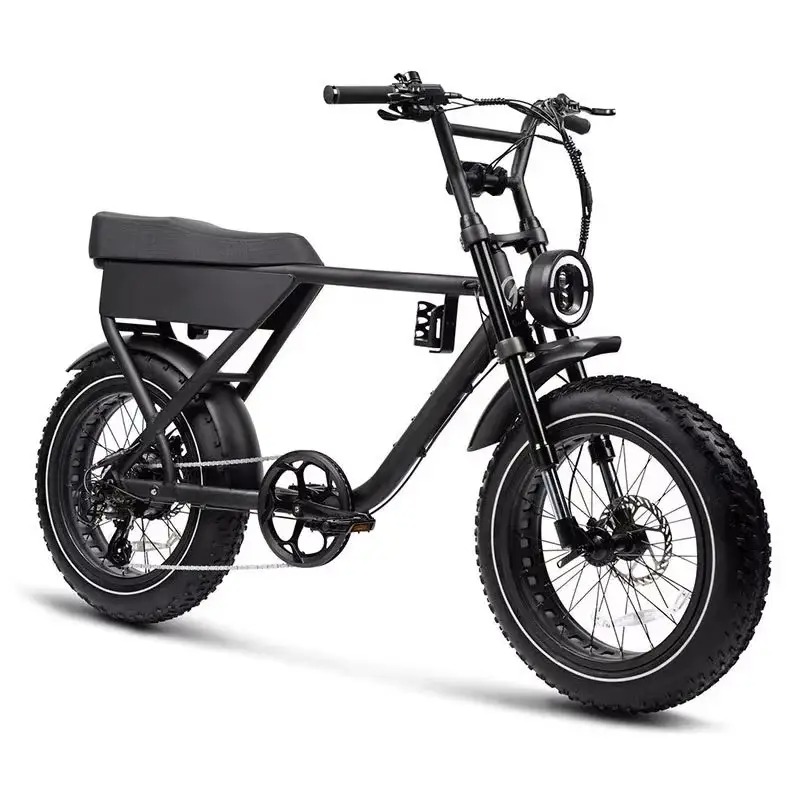
2026/08/03
Discover how voltage drop saps performance—and proven fixes to restore responsiveness, range, and battery life. Read now.
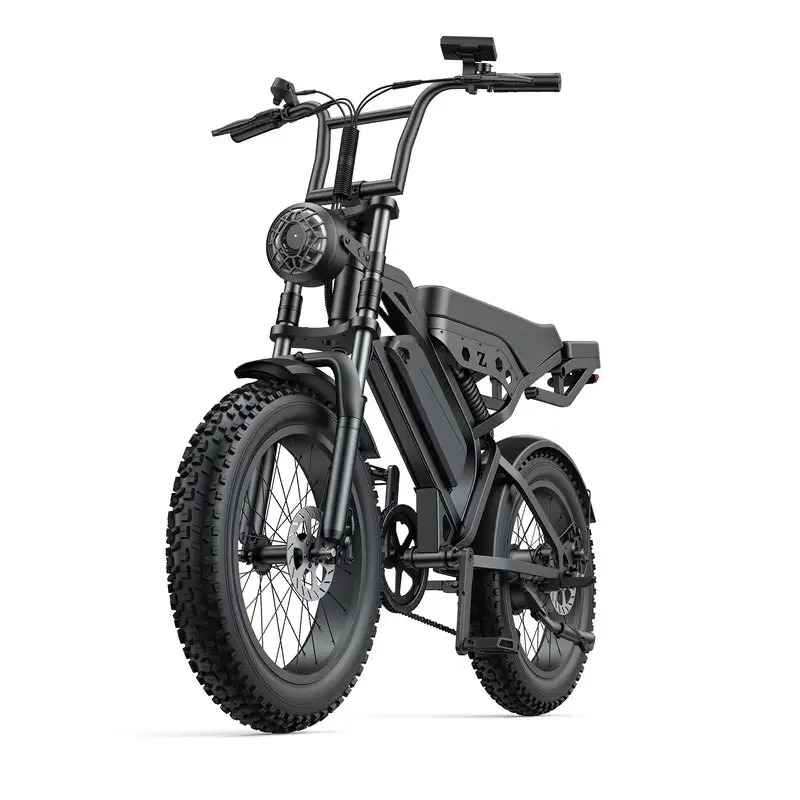
2026/08/03
Discover data-backed protocols, smart infrastructure & operational fixes. Optimize now.
2026/08/03
How payload cuts 48V cargo ebike range by 15–50%+ — backed by real-world degradation curves, motor load science & fleet optimization strategies.
Comprehensive warranty, fast parts shipping, remote diagnostics and local dealer training


