 EN
EN

STEP 1
Full vehicle warranty for 2 years
2026/08/20
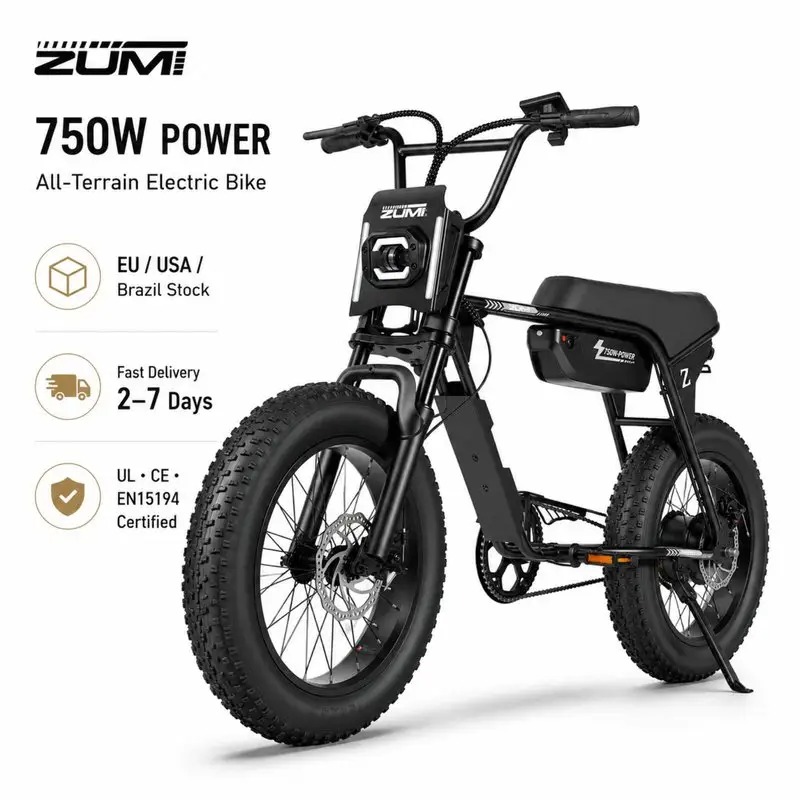
Owning and operating a 1500w electric bike on private property requires more than simply purchasing the vehicle and riding. Success depends on understanding operational best practices, maintenance protocols, and strategic planning that maximizes both performance and longevity. A 1500w electric bike represents a significant investment, and private property owners must develop comprehensive strategies that address terrain considerations, battery management, rider safety, and legal compliance within their own domain. This guide explores practical approaches to getting the most from your investment while maintaining peak performance year-round.
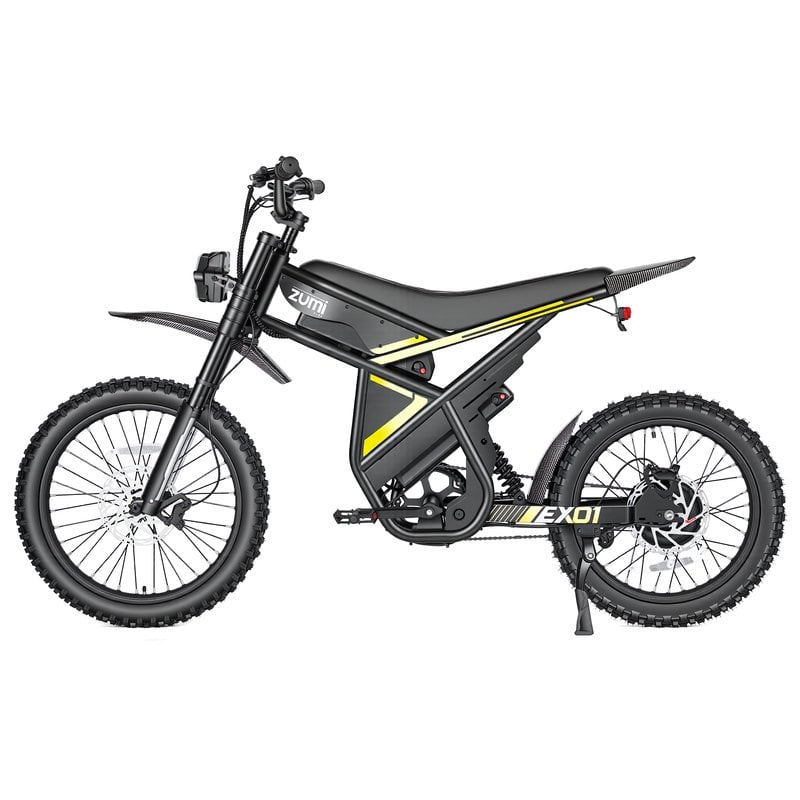
Private property provides an ideal testing ground for 1500w electric bike applications where you control the environment, manage usage patterns, and develop riding confidence. Whether your property spans acres or modest grounds, strategic planning ensures safe operation while extracting maximum range and performance from your 1500 watt ebike investment. Understanding how terrain, weather, and rider behavior impact 1500w ebikes empowers owners to make informed decisions about deployment, charging schedules, and maintenance timing.
Before operating any 1500w electric mountain bike on your property, conduct a thorough terrain evaluation. Identify slopes, obstacles, surface types, and areas where a fat tire electric bike 1500w would perform optimally or face challenges. Properties with mixed terrain benefit most from 1500 watt ebike versatility, as these machines handle both smooth paths and rough ground effectively. Document elevation changes, drainage patterns, and seasonal conditions that affect traction and battery performance. This assessment becomes your baseline for planning safe routes and understanding where your 1500w ebikes will operate most efficiently throughout different seasons.
Establish specific riding zones within your property that align with your 1500w electric bike capabilities and your safety preferences. Mark preferred routes that balance distance with terrain difficulty, allowing riders to learn machine behavior progressively. A fat tire electric bike 1500w performs excellently on established paths, meadows, and gentle slopes, while steep ravines or hazardous terrain should remain off-limits. Designate a primary charging station near these routes to minimize carry distance after riding sessions. By creating defined riding zones, property owners maximize the practical value of 1500 watt ebike ownership while preventing accidents and property damage.
Battery performance directly determines how effectively your 1500w electric mountain bike performs daily. Implement a consistent charging schedule that keeps your battery in the optimal state-of-charge range between 20% and 80% for routine rides. This practice extends overall battery lifespan significantly compared to frequent full-charge cycles. A 1500 watt ebike battery stores substantial energy, requiring proper power management to maintain consistent performance across seasons. Install a dedicated charging station with weatherproof protection and a reliable outlet system that prevents electrical hazards. Monitor charging times and temperature conditions, avoiding rapid charging during extreme heat or cold when battery chemistry becomes less efficient.
Understanding your 1500w ebikes range capabilities under various conditions prevents unexpected battery depletion during rides. Factors including rider weight, terrain difficulty, weather conditions, and motor assistance level all impact how far a 1500w electric bike travels on a single charge. Create a riding log documenting route distance, terrain type, weather, and final battery percentage to build predictive models for your specific property. A fat tire electric bike 1500w typically maintains strong range across mixed terrain, but muddy or sandy surfaces require more power consumption. Reserve at least 10% battery capacity as a safety margin, ensuring you can return to your charging station under your own power if unexpected conditions develop.
Regular maintenance keeps your 1500 watt ebike operating reliably and safely on private property. Inspect tire pressure, brake function, and chain lubrication before every riding session, as a 1500w electric mountain bike experiences significant stress during off-road use. Check battery connections monthly to ensure no corrosion develops that might reduce power delivery. A fat tire electric bike 1500w requires more frequent maintenance than lower-powered alternatives due to the increased torque and strain on mechanical components. Maintain detailed service records including tire replacements, brake pad changes, and battery health assessments. This documentation helps identify patterns and prevents catastrophic failures during operation.
Operating a 1500w electric bike safely requires understanding machine capabilities and developing appropriate riding skills before attempting challenging terrain. Start with low-power settings on familiar ground to learn how your 1500 watt ebike responds to steering inputs, braking, and acceleration. Practice emergency stopping procedures repeatedly until they become automatic reflexes. A 1500w electric mountain bike generates substantial power that can surprise inexperienced riders, so gradual skill progression matters more than immediate performance seeking. Establish clear boundaries about acceptable riding conditions, weather limits, and maximum daily operating hours to prevent operator fatigue from affecting judgment and safety.
Your 1500w electric bike strategy must adapt to seasonal changes that affect terrain conditions, weather hazards, and battery performance. Winter riding requires different maintenance protocols and battery management than summer operations, particularly in cold climates where a 1500 watt ebike battery loses efficiency. A fat tire electric bike 1500w excels during seasonal transitions when terrain becomes muddy or sandy, showcasing advantages over conventional bikes. Plan maintenance windows during off-season periods when riding frequency naturally decreases. Store your 1500w electric mountain bike indoors during extreme weather, maintaining moderate temperatures that preserve battery chemistry and prevent rust development on mechanical components.
Systematic performance monitoring transforms your 1500w ebikes from mere recreational tools into optimized property assets. Record data including average distance per charge, battery health metrics, maintenance intervals, and seasonal performance variations. A 1500 watt ebike typically shows predictable performance patterns once baseline data accumulates, allowing owners to identify efficiency improvements or degradation. Use this information to refine charging strategies, adjust riding patterns, and schedule preventive maintenance proactively. Advanced riders may experiment with different motor assistance levels and terrain combinations to discover optimal configurations for specific property conditions, further maximizing the value of 1500w electric mountain bike ownership.
Terrain significantly impacts battery consumption on a 1500 watt ebike, with soft surfaces like mud and sand requiring substantially more power than hard-packed paths. A 1500w electric mountain bike consumes roughly 20-30% more energy navigating sandy terrain compared to equivalent distances on established trails. Fat tire electric bike 1500w models handle this variation better than road-oriented designs, distributing energy across broader contact surfaces. Uphill riding requires the most power; steep grades can reduce a 1500w electric bike range by 40% or more depending on slope steepness. Understanding your property terrain allows strategic route planning that optimizes battery usage based on riding conditions.
A comprehensive maintenance schedule for a 1500w electric mountain bike includes weekly inspections, monthly detailed checks, and seasonal service intervals. Weekly tasks involve checking tire pressure, brake function, and battery charge status, ensuring your 1500 watt ebike remains road-ready. Monthly maintenance should include chain cleaning and lubrication, brake pad inspection, and loose fastener checks, as vibration from a powerful 1500w electric bike can loosen components. Seasonal service involves tire replacement when worn, battery health diagnostics, and deep cleaning especially important for fat tire electric bike 1500w models that accumulate mud buildup. Professional servicing annually prevents major failures and extends overall 1500w ebikes lifespan significantly.
Yes, a 1500w electric bike can operate in cold weather, though performance decreases compared to moderate temperatures. Battery range on a 1500 watt ebike typically drops 20-40% in freezing conditions because chemical reactions in battery cells slow considerably. A 1500w electric mountain bike produces sufficient power for winter riding, but you should expect reduced distance capability and slower acceleration. Fat tire electric bike 1500w advantages multiply during winter when snow and ice reduce traction; the broader tire footprint provides better control than conventional bikes. Minimize cold-weather battery damage by storing your 1500w ebikes indoors between rides, charging batteries to 60-70% for storage, and avoiding rapid heating immediately after cold operation.
2026/08/03
Fix time zones, language gaps, and unclear protocols—boost speed, cut costs, and scale confidently.
2026/08/03
Avoid liability & import bans: Learn IEC 62619, UN 38.3, and UL 2271—plus how to verify real compliance (not fakes).
2026/08/03
Learn precise air pressure, rebound & compression tuning for optimal suspension performance. Get pro-level setup tips now.
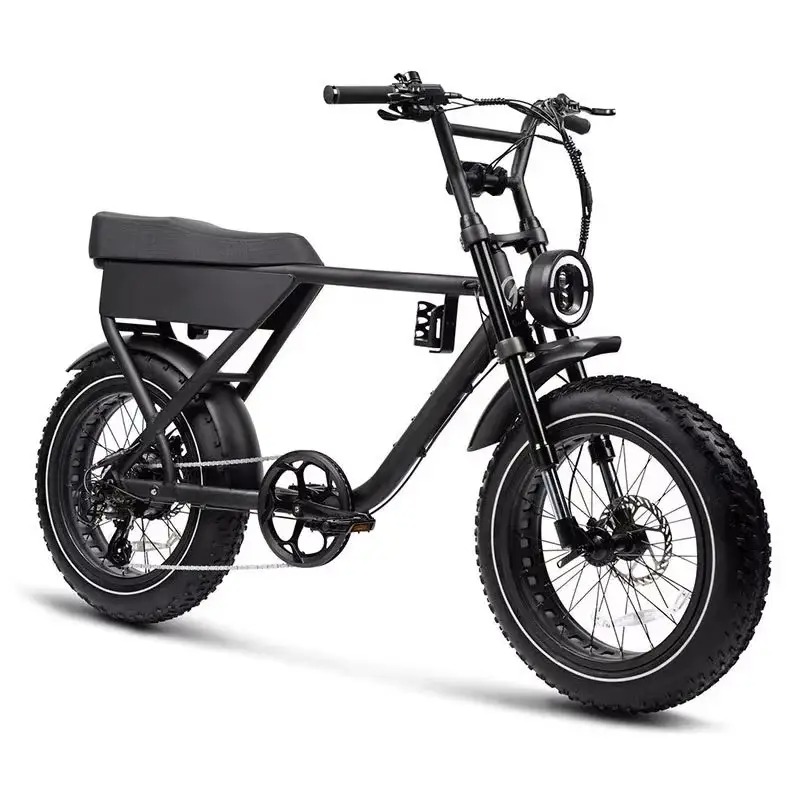
2026/08/03
Discover how voltage drop saps performance—and proven fixes to restore responsiveness, range, and battery life. Read now.
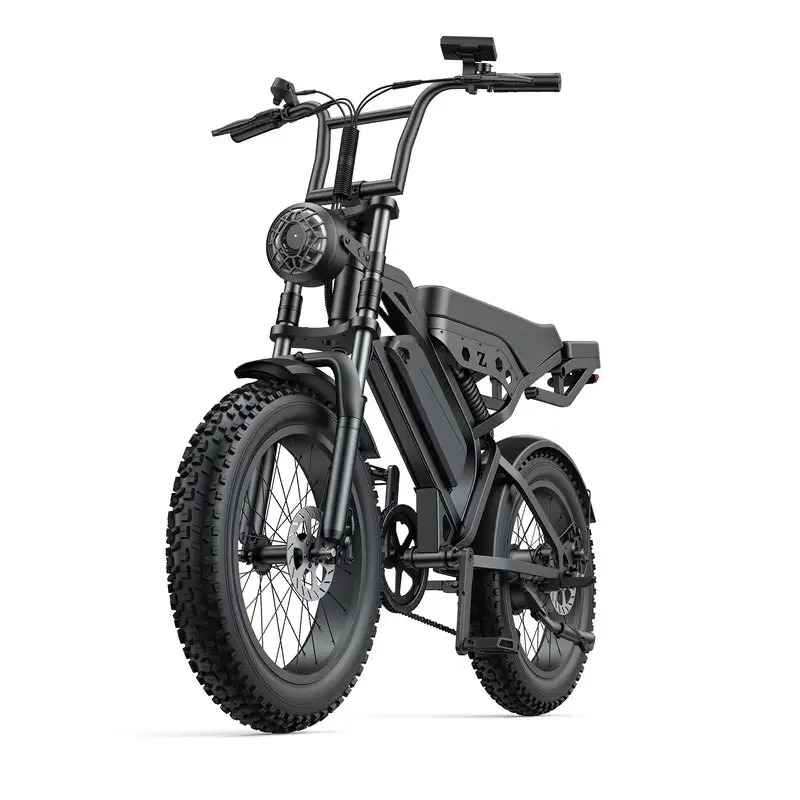
2026/08/03
Discover data-backed protocols, smart infrastructure & operational fixes. Optimize now.
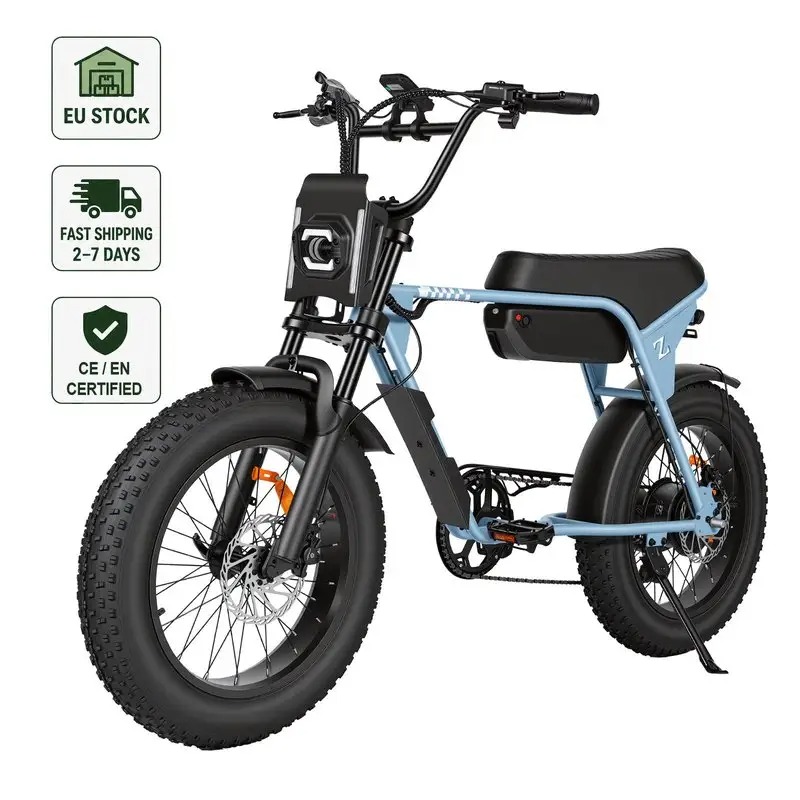
2026/08/03
How payload cuts 48V cargo ebike range by 15–50%+ — backed by real-world degradation curves, motor load science & fleet optimization strategies.
Comprehensive warranty, fast parts shipping, remote diagnostics and local dealer training


