 EN
EN
STEP 1
Full vehicle warranty for 2 years
2026/08/10
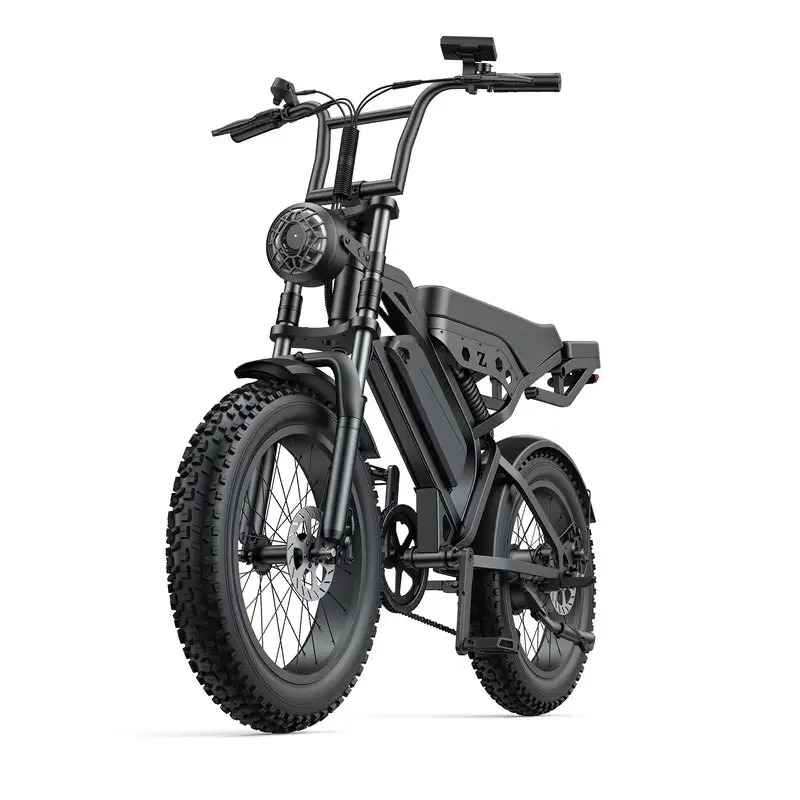
Managing a rental business centered on fat tire electric bike fleets requires a strategic approach that balances operational efficiency with customer satisfaction and profitability. The growing demand for eco-friendly transportation solutions has created significant opportunities for rental operators to capitalize on the popularity of fat tire electric bikes. Understanding how to optimize fleet operations, maintain peak performance, and scale your business is essential for success in this competitive market.
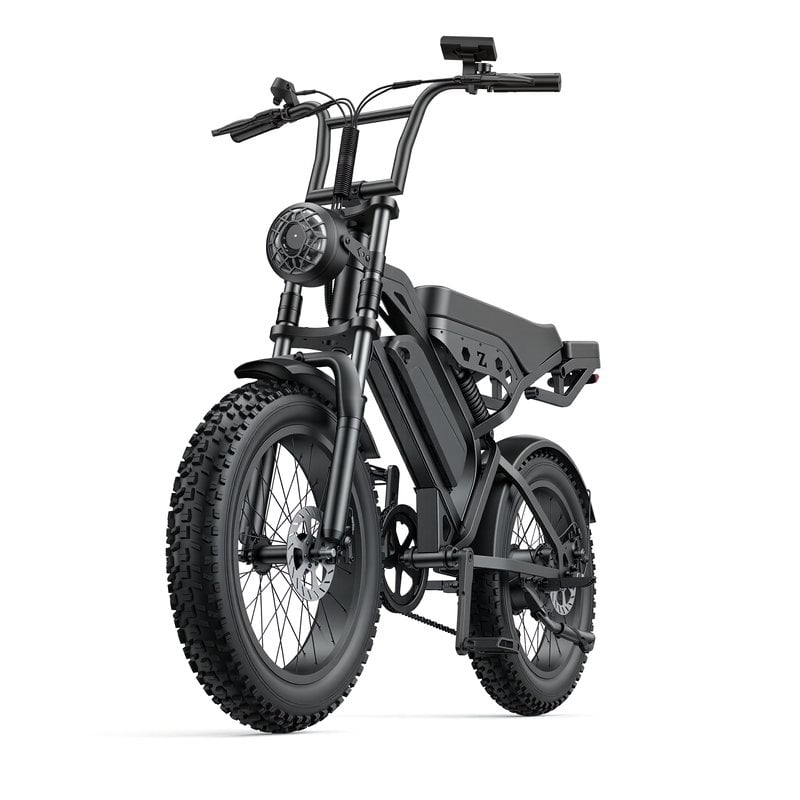
A robust rental business optimization strategy transforms your fat tire electric bicycle for sale inventory into a revenue-generating asset. By implementing best practices across fleet management, pricing models, and maintenance protocols, rental operators can maximize utilization rates while minimizing downtime and operational costs. This comprehensive guide explores the key strategies for running a successful fat tire electric bike rental operation.
Determining the optimal number of bikes in your fleet directly impacts profitability and customer satisfaction. Start by analyzing demand patterns in your service area, considering seasonal fluctuations, tourist traffic, and local events. A cruiser fat tire electric bike appeals to various customer segments, from casual riders to fitness enthusiasts, which allows you to serve diverse markets. Monitoring booking data helps you identify peak demand periods and adjust inventory accordingly. Most successful rental operators maintain a reserve fleet of 15 to 20 percent beyond average daily demand to handle unexpected spikes without turning customers away. This buffer ensures consistent revenue during high-demand periods while preventing excessive overhead during slower seasons.
Offering multiple models of fat tire electric bikes allows you to cater to different customer preferences and price points. A fat bike electric cycle with premium components commands higher rental rates, while more affordable models generate higher volume. Consider stocking a mix of entry-level and premium options to maximize market coverage. Standardizing components across your fleet reduces spare parts inventory and simplifies maintenance procedures. Selecting bikes with durable construction and proven reliability minimizes repair frequency and extends asset lifespan. The fat tire electric bike model you choose should balance durability, customer appeal, and maintenance requirements for optimal fleet performance.
Establishing a structured maintenance schedule prevents breakdowns and extends the lifespan of your fat tire electric bike inventory. Daily inspections should check tire pressure, brake functionality, chain condition, and battery charge levels before each rental. Weekly maintenance includes deeper cleaning, bolt tightening, and electrical system checks. Monthly procedures involve battery diagnostics, motor assessment, and component wear evaluation. Documenting all maintenance activities creates a service history that helps identify recurring issues and informs replacement decisions. Preventive maintenance reduces emergency repairs that damage customer experience and drain operational budgets. Investing in quality tools and staff training ensures maintenance work meets professional standards and maintains bike performance consistency.
Battery health directly determines the viability and appeal of each fat tire electric bicycle for sale in your rental fleet. Implement a battery rotation system where charged units replace depleted ones, ensuring continuous availability without customers experiencing reduced range during rentals. Establish dedicated charging stations with weather protection and security measures to prevent theft and environmental damage. Monitor battery health metrics regularly using diagnostic tools to identify degraded cells early. Most quality fat bike electric cycle batteries maintain 80 percent capacity after 500 to 1000 charge cycles, so tracking usage helps predict replacement timing. Proper battery storage at moderate temperatures and consistent charge maintenance extends service life significantly. Training staff on correct charging procedures and temperature considerations prevents premature battery degradation.
Implementing dynamic pricing for your cruiser fat tire electric bike rental business maximizes revenue while maintaining competitive positioning. During peak seasons, weekends, and special events, demand justifies premium rates that reflect scarcity and customer willingness to pay. Off-peak periods benefit from promotional pricing that maintains utilization rates when demand naturally declines. Time-based pricing tiers encourage longer rentals by offering better hourly rates for extended bookings. Membership programs create recurring revenue streams while building customer loyalty and improving predictability for operational planning. Offering package deals combining multiple bikes or rental days attracts group bookings and corporate events. Location-based pricing adjustments reflect local market conditions and customer demographics, ensuring rates remain competitive while maximizing profit margins.
Complementary services enhance your fat tire electric bike rental business value proposition beyond base rental fees. Offering guided tours, fitness programs, or scenic route packages commands premium pricing while differentiating your service. Selling protective gear, accessories, and maintenance products provides additional revenue with minimal incremental cost. Partnerships with local restaurants, accommodations, and attractions create cross-promotional opportunities that increase customer lifetime value. Insurance add-ons protect customers from liability while generating predictable income. Corporate team-building events featuring fat bike electric cycle rentals tap into the growing business events market. Weather-dependent or seasonal services, such as winter fat bike tours or summer fitness challenges, optimize asset utilization throughout the year and diversify income sources.
Streamlined booking systems and convenient logistics create positive customer experiences that drive repeat business and referrals. Offering online reservations, mobile app access, and multiple payment options reduces friction and increases accessibility. Clear communication about fat tire electric bicycle for sale rental policies, safety guidelines, and equipment features sets appropriate expectations and reduces complaints. Flexible pickup and dropoff locations, including hotel delivery services, appeal to tourists and busy professionals. Quick onboarding processes that explain bike features, assist with sizing, and demonstrate operation maximize customer confidence and satisfaction. Real-time GPS tracking on fleet bikes provides security while enabling responsive support if customers encounter issues. Convenient maintenance facilities near rental stations allow quick assistance without lengthy transportation delays.
Responsive customer support builds trust and loyalty while protecting your liability exposure. Training staff to provide expert guidance on cruiser fat tire electric bike operation, maintenance, and local riding conditions enhances customer confidence. Offering 24/7 support hotlines for emergencies, mechanical issues, or route guidance demonstrates commitment to customer safety. Educational content about fat bike electric cycle safety, proper riding techniques, and weather-appropriate gear prepares renters for successful experiences. Collecting customer feedback through surveys and reviews identifies service gaps and improvement opportunities. Maintaining comprehensive insurance coverage protects your business while offering customers confidence in rental reliability. Regular safety audits of bikes and equipment maintain standards and reduce incident frequency and liability exposure.
Fleet size depends on your target market, local demand patterns, and available capital. Most successful rental operations maintain enough fat tire electric bikes to meet 80 to 90 percent of peak demand while keeping utilization rates above 60 percent. Starting with 20 to 40 bikes allows you to test your market, gather operational data, and scale based on profitability. Maintain a reserve capacity of 15 to 20 percent beyond average daily demand. Seasonal adjustments and expansion funding decisions should align with demonstrated demand and revenue performance in your specific market.
Quality fat tire electric bicycle for sale batteries typically last 500 to 1000 charge cycles, translating to three to five years depending on usage intensity. Monitor battery capacity regularly using diagnostic tools to identify degradation early. Most rental operators replace batteries when capacity drops below 70 to 80 percent of original specifications. Implementing a staggered replacement schedule prevents sudden budget pressures from simultaneous failures. Tracking battery performance data helps predict replacement timing and budget accordingly. Extended warranties from manufacturers can offset replacement costs and provide financial predictability for fleet maintenance planning.
Effective pricing balances market competitiveness, operational costs, and profit margins while optimizing utilization. Research local competition for cruiser fat tire electric bike and fat bike electric cycle rentals to establish baseline rates. Calculate pricing based on fixed costs divided by expected daily utilization plus desired profit margin. Implement dynamic pricing that adjusts for demand fluctuations, seasonal variations, and booking lead time. Consider customer segments and willingness to pay, offering premium pricing for premium bike models and ancillary services. Monitor utilization rates and adjust pricing to maintain target occupancy levels while maximizing revenue per rental day.
2026/08/03
Fix time zones, language gaps, and unclear protocols—boost speed, cut costs, and scale confidently.
2026/08/03
Avoid liability & import bans: Learn IEC 62619, UN 38.3, and UL 2271—plus how to verify real compliance (not fakes).
2026/08/03
Learn precise air pressure, rebound & compression tuning for optimal suspension performance. Get pro-level setup tips now.
2026/08/03
Discover how voltage drop saps performance—and proven fixes to restore responsiveness, range, and battery life. Read now.
2026/08/03
Discover data-backed protocols, smart infrastructure & operational fixes. Optimize now.
2026/08/03
How payload cuts 48V cargo ebike range by 15–50%+ — backed by real-world degradation curves, motor load science & fleet optimization strategies.
Comprehensive warranty, fast parts shipping, remote diagnostics and local dealer training


