 EN
EN
STEP 1
Full vehicle warranty for 2 years
2026/08/12
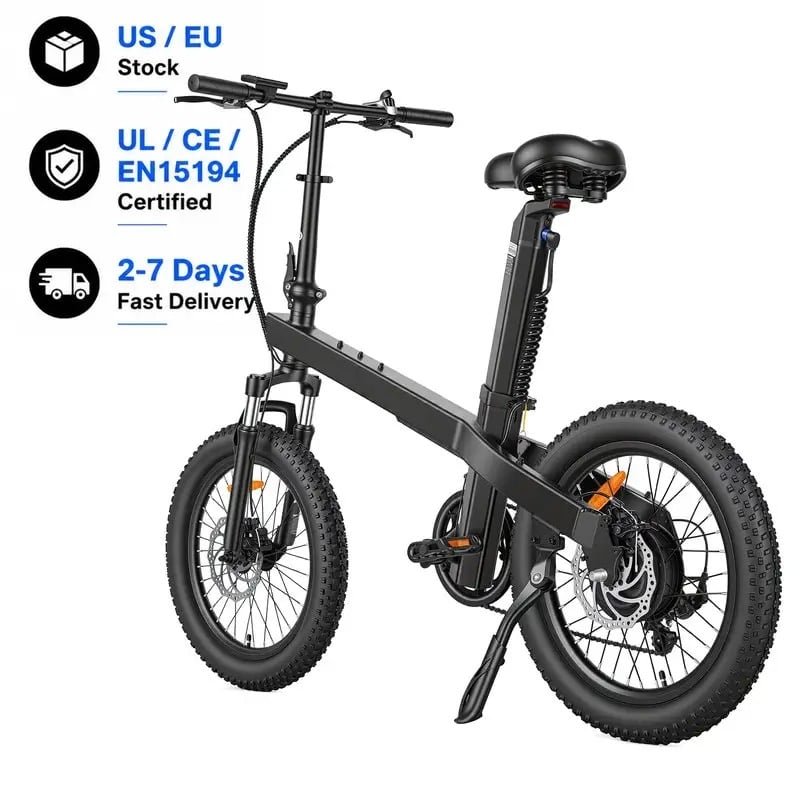
Managing a rental fleet of full suspension electric bike units requires a strategic approach that balances operational efficiency with equipment longevity. A full suspension electric bike combines dual suspension systems with electric propulsion, creating unique maintenance demands that differ significantly from traditional bicycles or single-suspension e-bikes. Fleet operators who invest in structured maintenance protocols experience measurably higher uptime rates, lower component replacement costs, and improved customer satisfaction. The complexity of full suspension mountain ebikes means that reactive repair approaches drain resources quickly, while preventive strategies position your business for sustainable growth and competitive advantage.
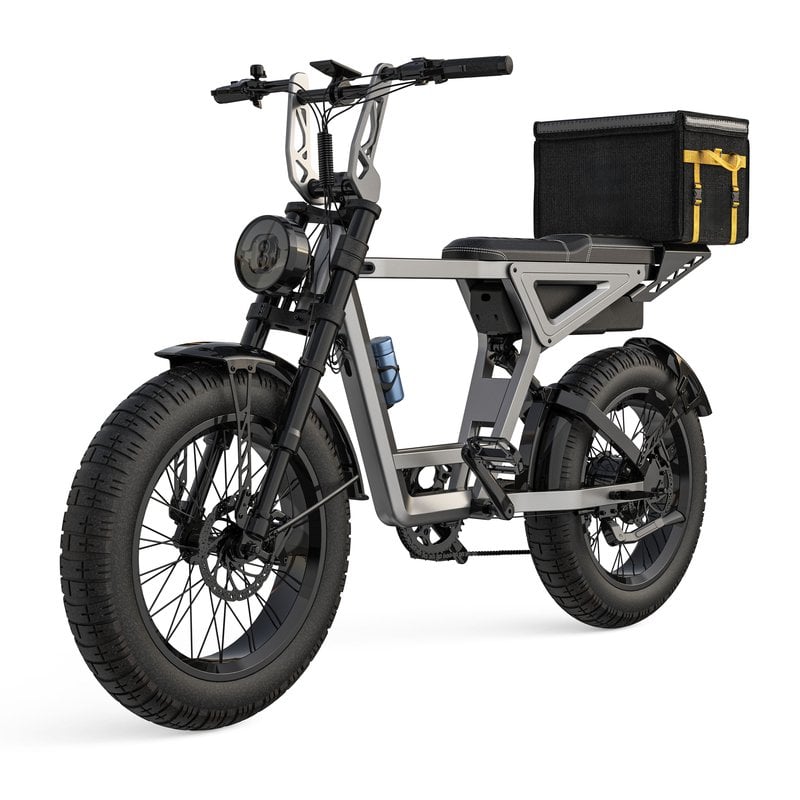
The foundation of effective fleet maintenance lies in understanding the interaction between electrical and mechanical systems. Full suspension ebike mountain bike models integrate battery management, motor controllers, hydraulic or mechanical suspension components, and traditional drivetrain elements into a single system. When one component fails or performs below specification, it often creates cascading stress on adjacent systems. This interconnectedness means that generic maintenance schedules built for non-electric bicycles will not adequately protect your rental assets. Establishing a maintenance program tailored to electric full suspension bikes ensures that every system receives appropriate attention at the right intervals, preventing costly downtime and extending the overall service life of your fleet.
Rental fleets experience higher-than-average stress on full suspension electric bike components due to continuous daily use, varied rider skill levels, and exposure to diverse terrain. A preventive maintenance calendar should begin with baseline inspections after every 20 hours of fleet runtime, with more detailed services every 50 to 100 hours depending on terrain difficulty and local environmental conditions. Each full suspension mountain ebikes unit should be logged in a digital tracking system that records ride duration, trail type, weather conditions, and rider weight to enable predictive maintenance scheduling. This data-driven approach identifies units that deteriorate faster than average, allowing targeted intervention before catastrophic failures occur. Operators who implement condition-based scheduling rather than calendar-based scheduling reduce emergency repairs by up to 40 percent and maintain higher fleet availability.
The battery pack represents the most expensive single component in a full suspension ebike mountain bike, and its lifespan directly affects overall fleet economics. Monthly capacity testing using manufacturer-approved diagnostic tools ensures that battery voltage, cell balance, and charge acceptance remain within specification. Charge cycles should be managed through centralized charging stations where environmental conditions, charge rate, and discharge depth can be controlled. Temperature extremes accelerate battery degradation, so seasonal adjustments to charging protocols become necessary in climates with significant temperature swings. Motor controller connections should be inspected quarterly for corrosion or loose connectors, particularly in humid or coastal environments. By monitoring electrical systems proactively, fleet operators extend battery service life from three to five years, dramatically improving return on asset investment.
The dual suspension architecture of an electric full suspension bike requires specialized knowledge to maintain properly. Hydraulic suspension components demand quarterly seal inspections, fluid level checks, and pressure testing to identify internal leakage or performance drift. Mechanical suspension forks on budget-conscious full suspension mountain ebikes models require regular lube application to reduce friction and prevent corrosion, particularly after rides in wet conditions. Air spring systems need annual recharge cycles to restore proper pressure and eliminate nitrogen migration that occurs naturally over time. Neglecting suspension maintenance creates a cascading effect where frame geometry changes incrementally, leading to altered steering response, reduced braking power, and premature tire wear. Fleet managers who assign suspension service to trained technicians prevent secondary damage and maintain consistent ride quality across all electric full suspension bikes in their inventory.
The full suspension ebike mountain bike frame design incorporates multiple pivot points where suspension arms connect to the main chassis. These pivots experience continuous cyclical stress that gradually loosens fasteners and wears bearing surfaces. Bi-monthly inspections of all pivot bolts using calibrated torque wrenches ensure fasteners remain tightened to manufacturer specification without over-tightening that creates micro-fractures. Frame cracks around weld points or in aluminum, while rare, become catastrophic when undetected, so visual inspections combined with ultrasonic crack detection on high-use units prevent safety incidents. Corrosion in pivot areas reduces bearing life and creates noise that signals deeper problems to discerning riders. Applying corrosion-inhibiting lubricant to pivot areas during seasonal maintenance extends bearing life by 30 to 50 percent.
The full suspension electric bike drivetrain experiences accelerated wear because the motor provides consistent torque delivery regardless of rider input, unlike human-powered bicycles where fatigue naturally reduces stress. Chain tension should be checked weekly and adjusted to 10 to 12 millimeters of deflection at the midpoint. Cassette sprockets show wear faster on electric full suspension bikes, requiring replacement at 1000 to 2000 miles rather than the 3000 to 5000 miles typical for non-electric systems. Chain lube applied every 200 to 300 miles with residue cleaned weekly prevents premature cassette degradation and maintains efficient power transfer. Derailleur cable tension drift becomes more pronounced under motor assistance, necessitating monthly indexing verification and quarterly cable replacement. Operators who establish a disciplined drivetrain service schedule cut replacement costs by 25 to 35 percent compared to reactive replacement approaches.
Hydraulic disc brakes on most full suspension mountain ebikes require quarterly bleeding to remove air bubbles that reduce braking consistency. Brake pad thickness should be monitored monthly, with replacement scheduled at 2 millimeters remaining material to prevent rotor damage from complete pad wear. Tire pressure management becomes critical because electric full suspension configurations add substantial weight compared to non-electric alternatives, increasing tire stress and puncture risk. Weekly pressure checks with maintenance of 15 to 20 percent higher pressure than standard recommendations reduce rolling resistance and extend tire life. Seasonal tire rotation between front and rear axles prevents uneven wear patterns that develop quickly under consistent electric motor assistance. Implementing these brake and tire protocols reduces safety incidents, extends tire lifespan to 1500 to 2500 miles, and maintains consistent braking feel across your entire full suspension ebike mountain bike rental fleet.
Effective fleet maintenance depends on complete historical records for every unit, enabling pattern recognition that predicts component failures before they impact operations. Cloud-based maintenance management software allows technicians to log service work, parts replaced, and performance observations that accumulate into predictive maintenance insights. Barcode or QR code labeling on each full suspension mountain ebikes unit ensures rapid work order assignment and prevents duplicate servicing. Integration with GPS fleet tracking provides ride duration and terrain data that feeds directly into maintenance scheduling algorithms. Digital records create accountability for technicians, enable spare parts inventory optimization, and provide documentation that supports warranty claims or recalls. Fleet operators reporting maintenance data to manufacturers contribute to collective reliability insights that improve future product design for electric full suspension models.
The specialized nature of full suspension ebike mountain bike maintenance requires training beyond general bicycle repair knowledge. Technicians should complete manufacturer-specific certification programs covering battery management, motor controller diagnostics, and suspension service before working on rental fleet units. Investing in ongoing training as new full suspension electric bike models enter your fleet prevents service errors that damage components or create liability exposures. Cross-training multiple technicians on critical systems ensures maintenance continuity when staff availability fluctuates. Maintenance quality directly correlates with technician expertise and accountability, making training investment one of the highest-ROI expenditures in fleet operations. Operators with certified, well-trained maintenance teams report 30 to 40 percent fewer customer complaints and 50 percent fewer repeat repairs within 30 days.
Suspension fluid in hydraulic full suspension mountain ebikes systems should be completely replaced every 12 to 18 months of active rental operation, every 100 to 150 hours of cumulative ride time, whichever occurs first. High-use rental units may require annual replacements to maintain optimal damping performance and prevent moisture contamination in sealed hydraulic systems.
Battery capacity testing should include manufacturer-approved diagnostic equipment that measures voltage across individual cells, overall battery voltage under load, and charge acceptance rates monthly. Full discharge and recharge cycles should be performed quarterly to recalibrate battery management system firmware and identify cells showing degradation patterns earlier than they would appear in standard usage.
Minor suspension issues like small seal leaks or reduced air pressure can often be repaired through fluid replacement or air spring recharge, but structural damage to shafts, pistons, internal seals typically requires full component replacement to restore performance and maintain safety for rental riders.
2026/08/03
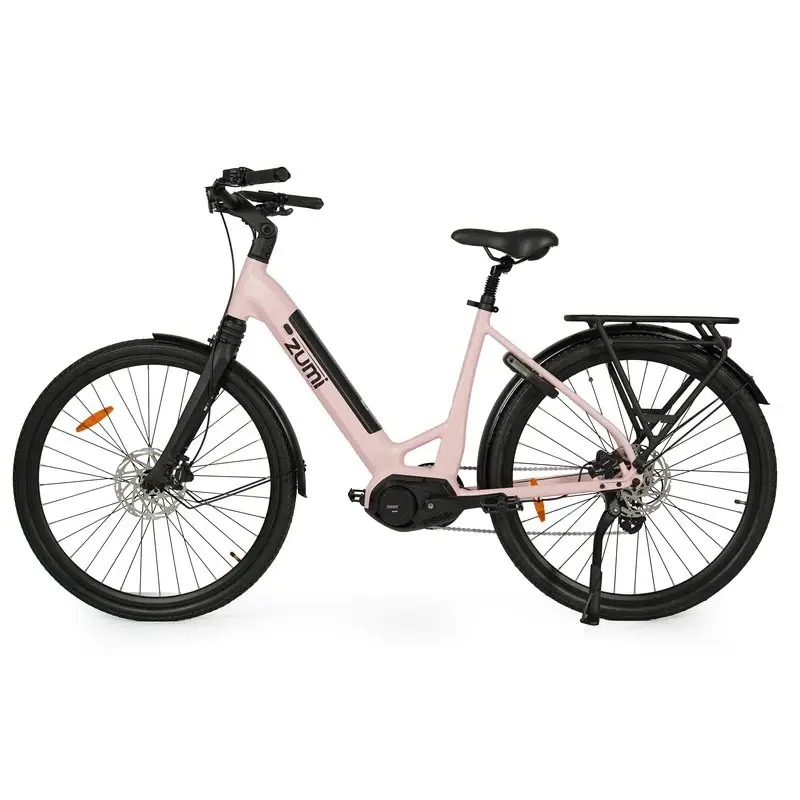
Fix time zones, language gaps, and unclear protocols—boost speed, cut costs, and scale confidently.
2026/08/03
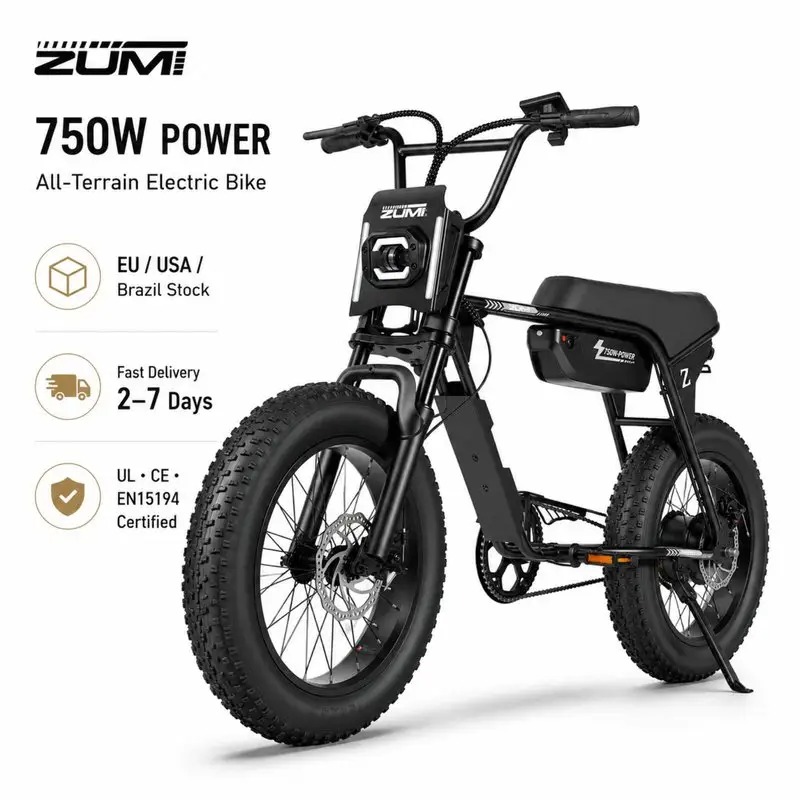
Avoid liability & import bans: Learn IEC 62619, UN 38.3, and UL 2271—plus how to verify real compliance (not fakes).
2026/08/03
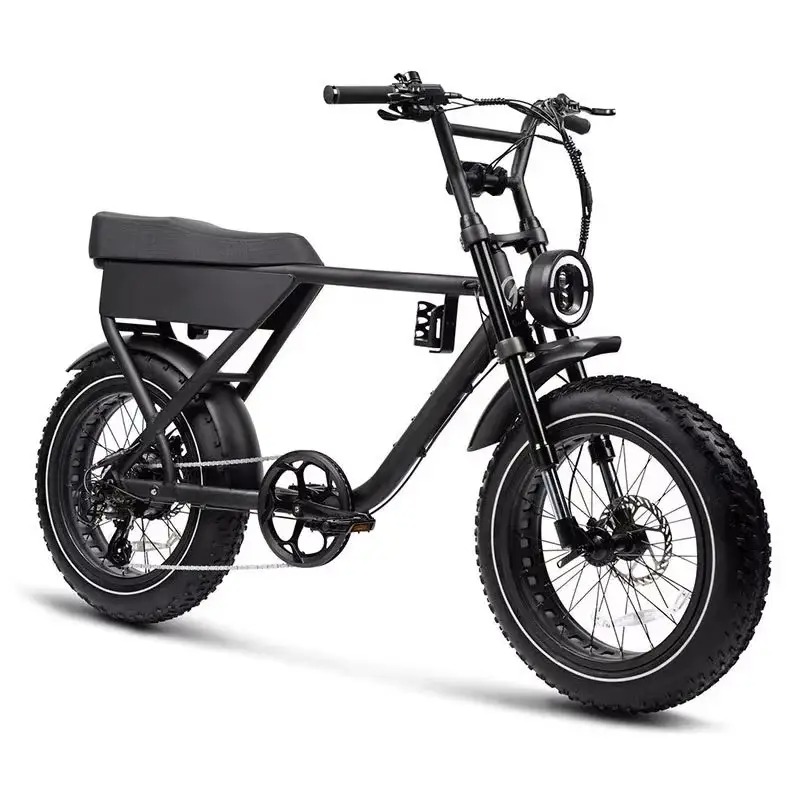
Learn precise air pressure, rebound & compression tuning for optimal suspension performance. Get pro-level setup tips now.
2026/08/03
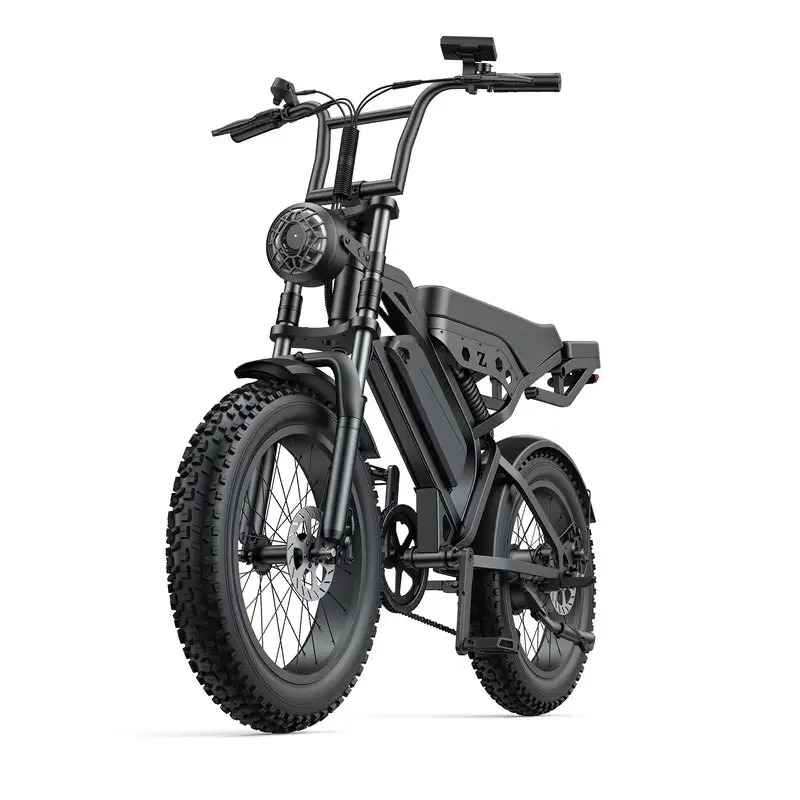
Discover how voltage drop saps performance—and proven fixes to restore responsiveness, range, and battery life. Read now.
2026/08/03
Discover data-backed protocols, smart infrastructure & operational fixes. Optimize now.
2026/08/03
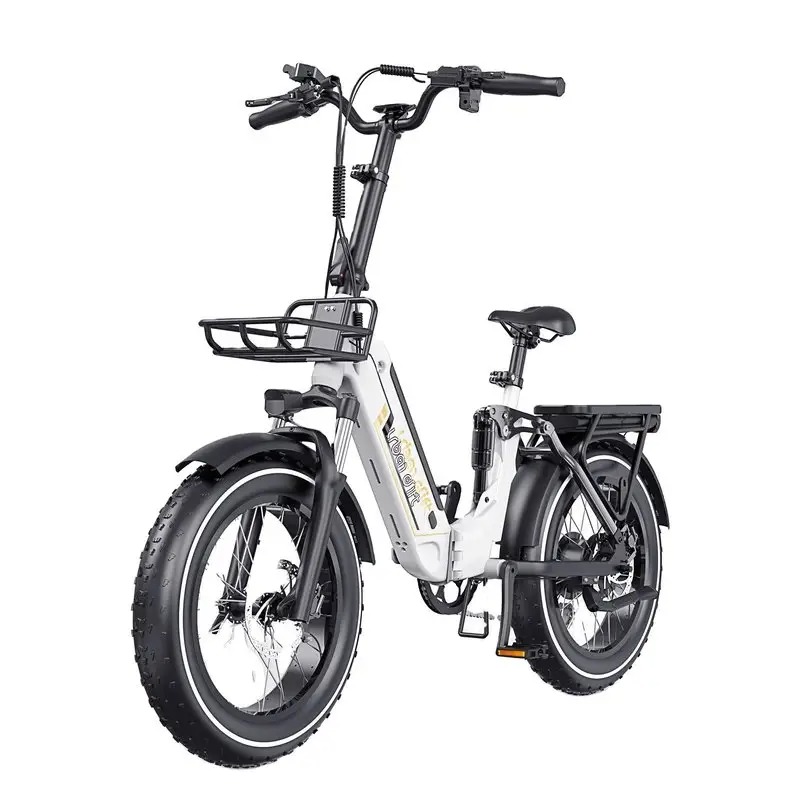
How payload cuts 48V cargo ebike range by 15–50%+ — backed by real-world degradation curves, motor load science & fleet optimization strategies.
Comprehensive warranty, fast parts shipping, remote diagnostics and local dealer training


