 EN
EN
STEP 1
Full vehicle warranty for 2 years
2026/08/05
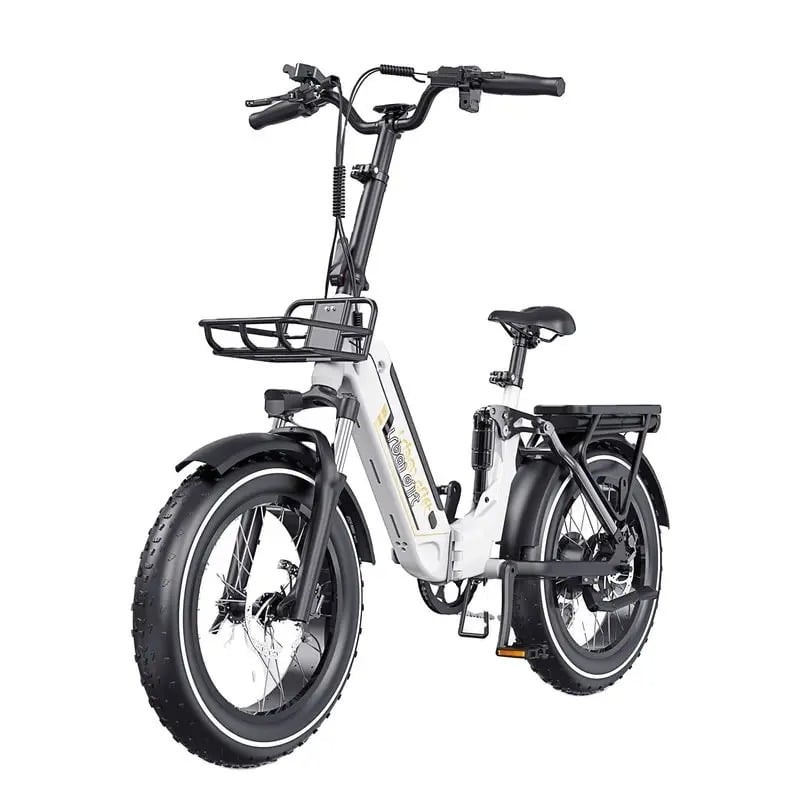
Building custom ebike solutions requires careful attention to battery selection and integration. One of the most critical challenges builders face is ensuring proper battery fitment within the frame geometry, electrical system compatibility, and weight distribution. When designing or assembling custom built e bikes, the battery pack becomes the foundation for performance, range, and rider safety. Without addressing fitment challenges early in the build process, you risk creating systems that perform poorly, suffer premature failures, or present safety hazards.
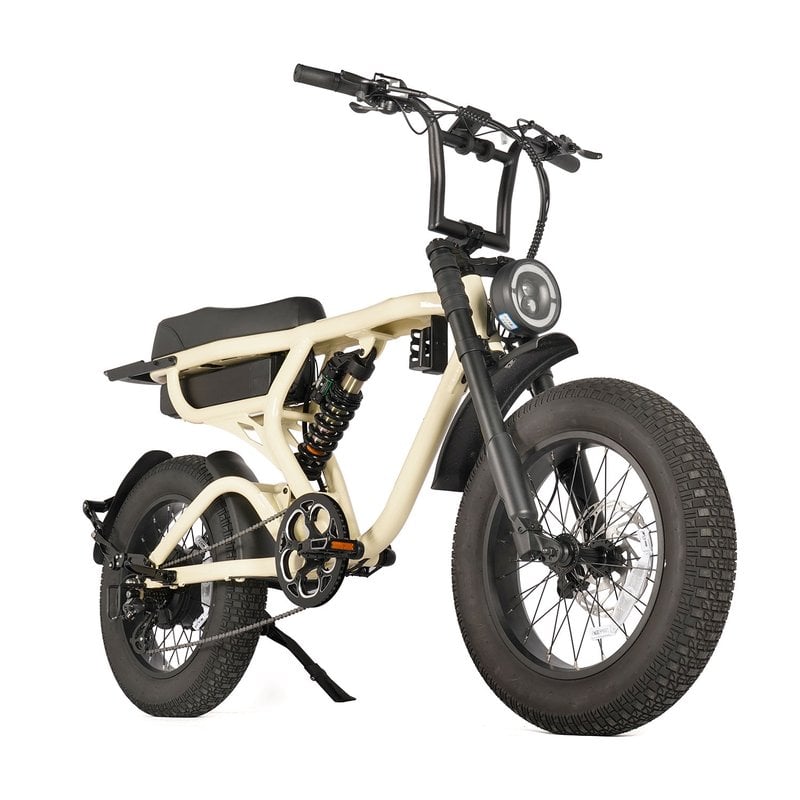
The battery is typically the heaviest and most expensive component in any custom ebike project. An ebike manufacturer or ebike factory must navigate multiple fitment constraints simultaneously: frame compatibility, voltage system requirements, thermal management, and integration with the motor and controller. Understanding these challenges allows builders to make informed decisions about battery chemistry, form factor, and mounting strategy before committing resources to fabrication.
Every custom ebike design begins with frame geometry. The battery must fit within or around the existing frame tubes, seat posts, or cargo areas without compromising structural integrity or rider comfort. Many custom built e bikes use hardtail or full-suspension frames designed for traditional bicycles, requiring creative battery placement solutions. Builders often choose between tube-mounted packs, downtube batteries, seat tube configurations, or external cargo racks depending on available space.
The challenge intensifies when working with compact frames or specialized geometries. A custom ebike manufacturer must measure internal and external dimensions, account for cable routing, and ensure the battery doesn't interfere with pedaling motion or frame flex. Some designs require custom frame modifications, which adds complexity and cost. Thermal management also influences placement decisions—batteries generate heat during charge and discharge cycles, so proper airflow around the pack prevents degradation and extends lifespan.
Battery placement directly affects a custom ebike's weight distribution and handling characteristics. Placing the battery too high raises the center of gravity, compromising stability on technical terrain. Mounting it too far rearward can create a sluggish, difficult-to-maneuver feel. Professional ebike factory designs typically position the battery near the frame's center to maintain balanced weight distribution. For custom projects, this requires testing and adjustment after assembly.
Weight distribution becomes especially critical for off-road or fat tire applications where traction and control determine safety. A poorly balanced custom ebike becomes fatiguing to ride and increases crash risk. Builders must consider the rider's weight, intended use case, and frame material when finalizing battery placement. Aluminum frames tolerate different loading patterns than steel, and suspension designs require careful planning to avoid interference.
Battery voltage directly determines motor compatibility and system performance in any custom ebike project. Standard systems use 36V, 48V, or 52V configurations, with 48V representing the most common choice among ebike manufacturers. An ebike factory building custom solutions must select battery cells with appropriate voltage ratings and chemistry—lithium-ion (Li-ion) remains standard due to superior energy density, but builders must match cell specifications to controller requirements.
Voltage selection affects motor torque, acceleration, and top speed. Higher voltages deliver more power but require more expensive controllers and may exceed legal limits in certain jurisdictions. Chemistry choices between lithium polymer, nickel-metal hydride, or other compositions impact longevity, temperature performance, and charging characteristics. A custom ebike using mismatched voltage or chemistry between battery, motor, and controller will either fail to function or face premature component degradation.
Once voltage and chemistry are determined, the custom ebike requires appropriate connectors, gauge wiring, and protective systems. Battery management systems (BMS) must communicate with the motor controller to prevent overcharging, over-discharge, and thermal runaway conditions. Custom ebike builders need access to pre-assembled battery packs or the expertise to safely integrate individual cells into protected enclosures. Improper wiring creates fire hazards, electrical shorts, and safety failures.
The ebike factory or custom builder must also install fuses, disconnect switches, and cable management systems that prevent damage during assembly, transportation, and use. Wiring must be rated for the system's maximum current draw and protected from pinching, abrasion, and moisture. Many builders source pre-assembled battery packs from established manufacturers to ensure electrical safety and warranty compliance, reducing custom development time and risk.
Professional ebike manufacturers increasingly adopt modular battery approaches that offer flexibility for custom applications. Instead of single large packs, designers segment batteries into smaller modules that mount independently, allowing multiple fitment configurations across different frame sizes. This modular strategy reduces the tooling cost for custom ebike production while improving serviceability and upgrade options for end users.
Modular designs also enable builders to scale capacity without redesigning the entire mounting system. A custom ebike customer needing extended range can add a second battery module, while those prioritizing weight savings select single-module configurations. An ebike factory using modular architecture can serve diverse market segments with fewer SKUs and faster time-to-market for new models.
For truly specialized custom built e bikes, builders may commission bespoke frame designs that integrate battery storage into the structural design. This approach maximizes performance by optimizing weight distribution, aerodynamics, and component packaging from the ground up. However, custom frame development requires significant investment, skilled welders or composites specialists, and extensive testing to ensure durability and safety.
Prototyping is essential in this process. Initial designs often reveal unexpected fitment issues, interference points, or thermal problems that require iteration. Computer-aided design (CAD) modeling helps visualize battery placement before fabrication, reducing costly physical prototypes. Many progressive ebike manufacturers use 3D printing to validate critical interfaces before committing to full-scale production tooling.
Once batteries are integrated into custom built e bikes, comprehensive testing validates fitment performance under real-world conditions. Builders should test thermal performance by charging and discharging under load, monitor battery temperature distribution, and verify that no components experience unexpected stress. Vibration testing simulates trail conditions and reveals loose connections or mounting failures before delivery to customers.
Safety testing is non-negotiable. An ebike factory or custom builder must verify that no sharp edges, moving parts, or electrical hazards are exposed. Battery enclosures must withstand impacts, weather exposure, and mechanical abuse. Documentation of testing results builds customer confidence and protects builders from liability in the event of field failures.
The most frequent challenge is accommodating battery size within existing frame geometry while maintaining proper weight distribution. Many custom built e bikes adapt traditional bicycle frames, which lack design space specifically for batteries. Builders must choose between mounting externally on racks, integrating into the seat tube, or commissioning custom frames. The trade-off between capacity, form factor, and fitment flexibility drives most design decisions.
An ebike manufacturer ensures compatibility by standardizing on specific voltage platforms (36V, 48V, 52V) and using industry-standard connector types that match motor and controller specifications. Battery management systems must communicate with controllers via defined protocols to manage charging, power delivery, and safety functions. Most custom ebike builders source pre-assembled packs from established suppliers to guarantee compatibility and eliminate integration risks.
Relocating a battery after final assembly is possible but challenging and risky. Moving the battery changes weight distribution, potentially affecting handling and stability. Rewiring may introduce electrical hazards if not executed properly by experienced technicians. Most builders recommend finalizing battery placement during the design phase through simulations and prototyping rather than attempting relocations post-assembly. If relocation becomes necessary, professional assistance from an experienced ebike factory is strongly recommended to ensure safety and performance.
2026/08/03
Fix time zones, language gaps, and unclear protocols—boost speed, cut costs, and scale confidently.
2026/08/03
Avoid liability & import bans: Learn IEC 62619, UN 38.3, and UL 2271—plus how to verify real compliance (not fakes).
2026/08/03
Learn precise air pressure, rebound & compression tuning for optimal suspension performance. Get pro-level setup tips now.
2026/08/03
Discover how voltage drop saps performance—and proven fixes to restore responsiveness, range, and battery life. Read now.
2026/08/03
Discover data-backed protocols, smart infrastructure & operational fixes. Optimize now.
2026/08/03
How payload cuts 48V cargo ebike range by 15–50%+ — backed by real-world degradation curves, motor load science & fleet optimization strategies.
Comprehensive warranty, fast parts shipping, remote diagnostics and local dealer training


