 EN
EN
STEP 1
Full vehicle warranty for 2 years
2026/08/13
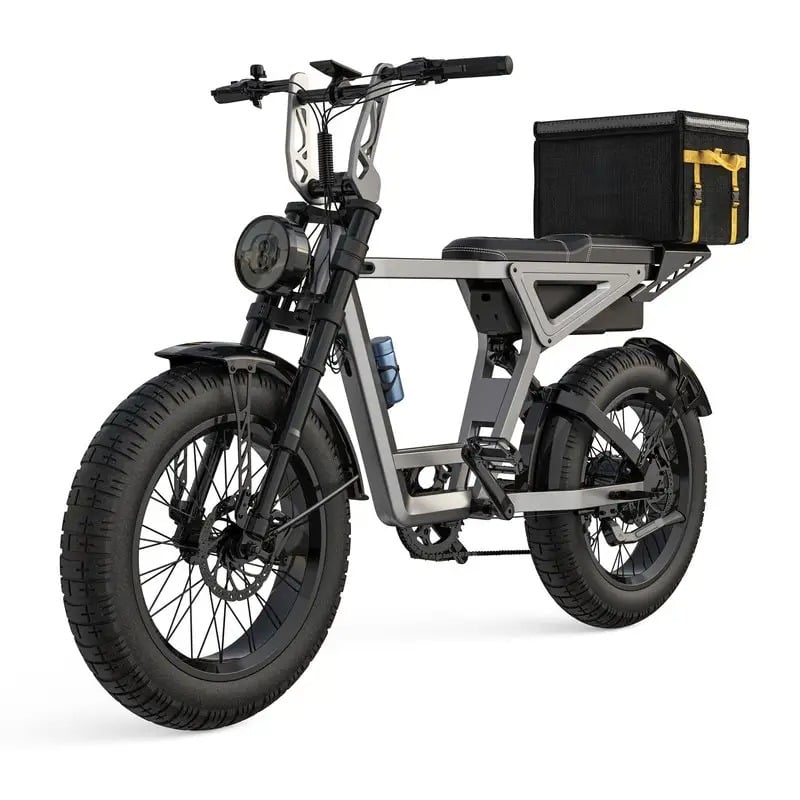
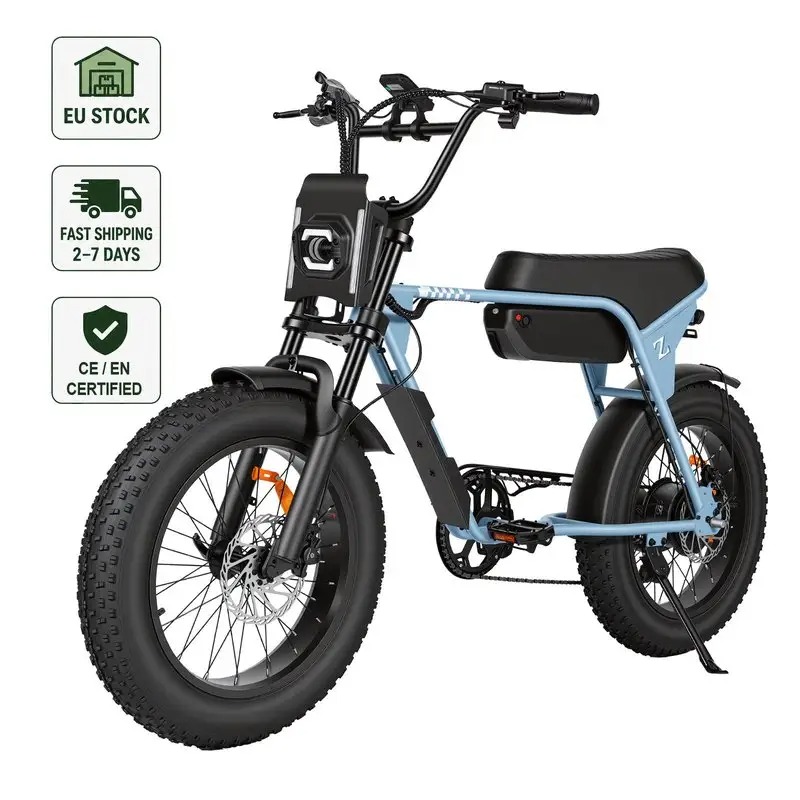
Choosing the right tire size for a custom electric bike involves balancing performance, comfort, and mechanical fit. Wide tires offer exceptional benefits for riders seeking traction, stability, and shock absorption, but they introduce critical clearance considerations that demand careful planning during the design and build phase. Whether you are building a custom made electric bike from scratch or modifying an existing frame, understanding how wide tires interact with frame geometry, drivetrain components, and brake systems is essential to avoid costly mistakes and ensure safe, reliable operation.
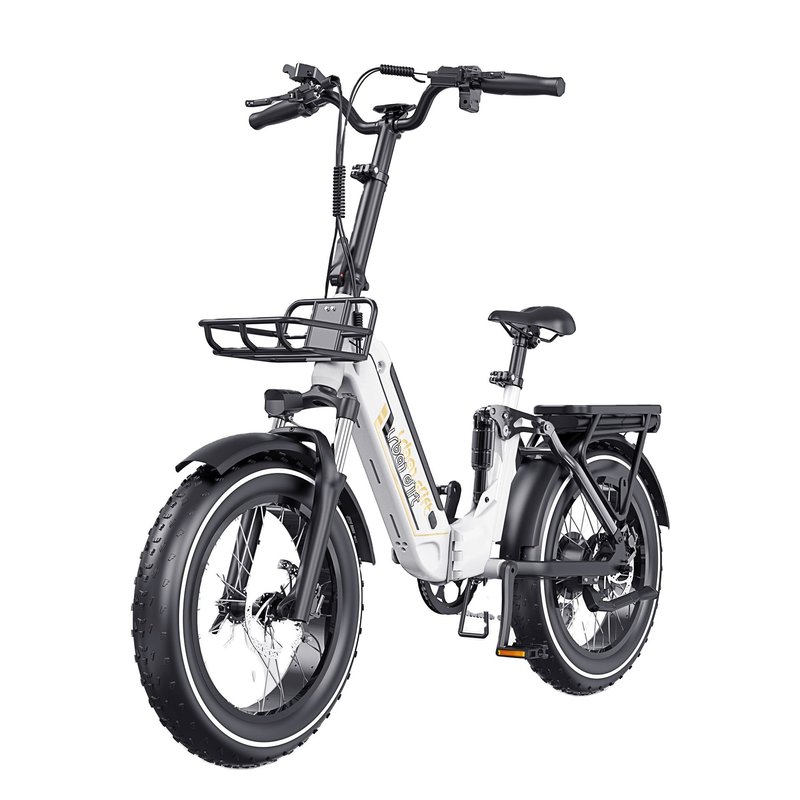
Clearance problems with wide tires typically emerge when the wheel and tire assembly interferes with frame tubes, chainstays, seat tubes, or brake calipers. These conflicts are especially common when retrofitting wide tires onto an existing frame designed for narrower wheels, or when building custom built e bikes without proper upfront measurement. Solving these issues requires understanding the relationships between tire width, rim diameter, frame geometry, and component placement. This guide explores practical solutions, measurement strategies, and design principles that allow you to successfully integrate wide tires into your custom e bikes for sale or personal build project.
Before selecting wide tires for your custom electric bike, you must identify and measure the tightest clearance zones on your frame. The rear triangle presents the most restrictive area, particularly where the seat tube, chain stays, and rear brake assembly converge. Measure the internal space between the chain stay inner edges to determine maximum tire width. For custom made electric bikes, this measurement should be taken at the widest part of the tire when mounted at recommended pressure. Front-end clearance, including space between the fork blades and brake assembly, requires equal attention. Professional builders use digital calipers and string-wrapping techniques to establish precise measurements before finalizing tire and rim selections for custom built e bikes.
Dynamic frame behavior complicates static clearance calculations on custom e bikes for sale. Under load, suspension systems compress, and frame tubes may flex slightly inward or outward depending on geometry, material, and welding quality. When planning wide tires for a custom electric bike build, add a safety margin of 5 to 10 millimeters beyond minimum measured clearance to accommodate these movements. Suspension-equipped frames demand greater caution because compression reduces available clearance significantly. Testing the clearance under rider weight before final assembly prevents post-purchase returns and safety issues on custom made electric bikes. Many experienced builders perform full-load clearance checks using blocks or jacks to simulate real-world frame deflection.
Building a custom electric bike specifically designed for wide tires requires intentional frame geometry choices from the outset. Increasing the bottom bracket height and extending the chain stay length creates more internal clearance without compromising structural integrity. Frame builders for custom e bikes for sale often increase the seat tube angle slightly or move brake calipers to mounting positions that do not interfere with tire rotation. These design changes are simple when incorporated during initial engineering but become expensive or impossible to retrofit on existing frames. Custom made electric bikes benefit tremendously from this upfront planning, as the wider tire footprint delivers superior traction and comfort across diverse terrain while maintaining safe, predictable handling characteristics.
Brake system type significantly influences clearance compatibility on custom e bikes. Mechanical disc brakes require less radial space than hydraulic rim brake systems, and their mounting flexibility allows engineers to position calipers away from tire paths. For custom electric bike builds using wide tires, frame-mounted disc brake calipers provide superior clearance compared to fork or wheel-hub mounted alternatives. Drivetrain components, particularly rear derailleur pulleys and chain guard elements, also demand repositioning when wide tires are integrated into a custom made electric bike. Custom built e bikes often benefit from moving the derailleur mounting point higher or using a single-speed drivetrain to eliminate clearance conflicts entirely. These modifications require component sourcing and potentially custom metalwork but deliver significant improvements for riders prioritizing comfort and off-road capability.
The relationship between rim width, tire profile, and overall tire diameter critically affects clearance on your custom electric bike. A wider rim may actually reduce tire width at the contact patch while maintaining adequate sidewall support, a counterintuitive principle that solves clearance issues on custom made electric bikes. Choosing a slightly smaller rim diameter for your custom built e bikes can accommodate very wide tires because smaller-diameter rims yield narrower overall wheel assemblies despite substantial tire rubber. For example, a 26-inch rim with a 4-inch tire may fit where a 29-inch rim with a 3-inch tire creates interference. This strategy is particularly effective for custom e bikes for sale targeting mountain terrain where the smaller wheel diameter also reduces frame standover height and improves handling responsiveness.
Once clearance is confirmed, correct tire mounting ensures the wide tire settles into its final position without rubbing or shifting during use on your custom electric bike. Tire pressure dramatically affects sidewall deflection and the tire's effective width. Lower pressure allows the tire to spread laterally, potentially creating clearance conflicts on a custom made electric bike, while excessive pressure creates a harder, narrower contact patch. For custom built e bikes, tire pressure recommendations vary significantly based on rider weight, terrain, and tire construction. Most wide-tire applications on custom e bikes for sale operate optimally between 15 and 35 psi, a range that supports traction and comfort while maintaining adequate clearance. Always verify clearance at the pressure range specified by the tire manufacturer and confirmed through your frame design testing.
After installation, periodic inspection prevents clearance-related failures on your custom electric bike. Check for scuff marks or rub patterns on frame tubes, brake calipers, and fender components after the first 20 miles of riding. Slight rubbing signals that frame flex under load is reducing clearance more than anticipated; additional shimming or minor brake caliper adjustment resolves most instances. For custom made electric bikes used regularly, monthly clearance checks should be part of routine maintenance alongside tire pressure verification and chain inspection. Custom built e bikes sometimes develop clearance problems due to rim tape shifting, valve stem movement, or spoke popping slightly outward. These minor issues cascade into serious problems if undetected, particularly on custom e bikes for sale that may be ridden hard across challenging terrain. Proactive monitoring on your custom electric bike keeps performance consistent and prevents embarrassing mid-ride failures.
No, tire compatibility depends on your specific frame geometry, brake type, and drivetrain configuration. Always measure your frame's internal clearance zones before purchasing tires for your custom made electric bike. Consulting with experienced frame builders or using digital modeling tools helps confirm that wide tires will fit safely on your custom built e bikes without interference.
Tire width selection balances your riding terrain, frame capacity, and weight distribution goals on your custom electric bike. For general-purpose custom e bikes for sale, tire widths between 3.0 and 4.0 inches work well on most frames. Very wide tires (4.5 to 5.0 inches) require intentional frame geometry and component selection when building custom made electric bikes, but deliver unmatched traction and comfort for adventurous riders.
Test clearance by spinning the wheel fully while checking for contact points at frame tubes, brakes, and drivetrain components on your custom built e bikes. Perform this check at the recommended tire pressure and with rider weight applied to simulate real-world conditions. For custom e bikes for sale, professional builders use precision measurement tools and load-testing protocols to certify clearance before delivery, ensuring customer satisfaction and safety.
2026/08/03
Fix time zones, language gaps, and unclear protocols—boost speed, cut costs, and scale confidently.
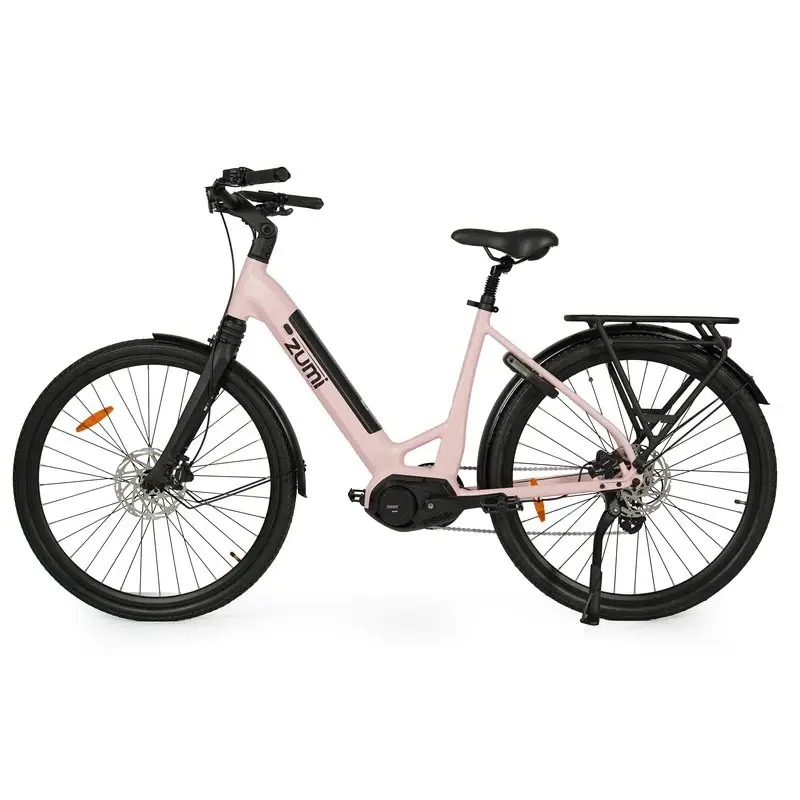
2026/08/03
Avoid liability & import bans: Learn IEC 62619, UN 38.3, and UL 2271—plus how to verify real compliance (not fakes).
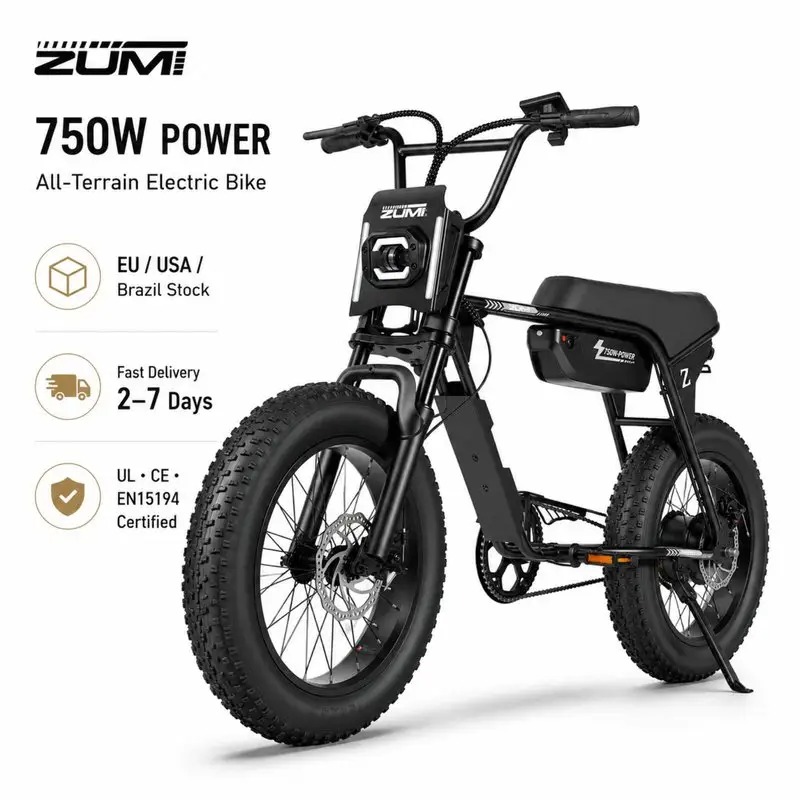
2026/08/03
Learn precise air pressure, rebound & compression tuning for optimal suspension performance. Get pro-level setup tips now.
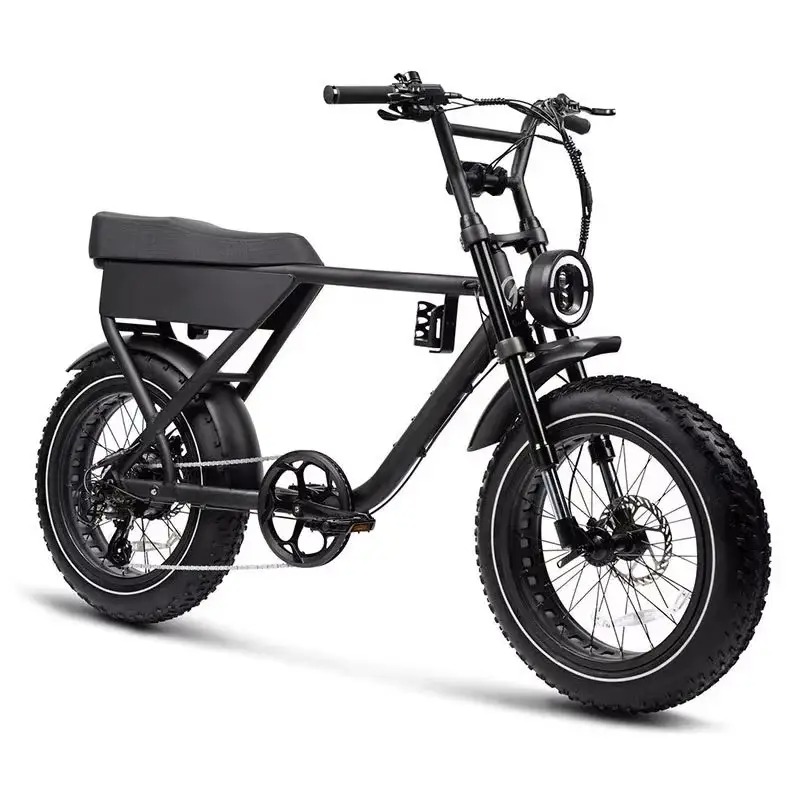
2026/08/03
Discover how voltage drop saps performance—and proven fixes to restore responsiveness, range, and battery life. Read now.
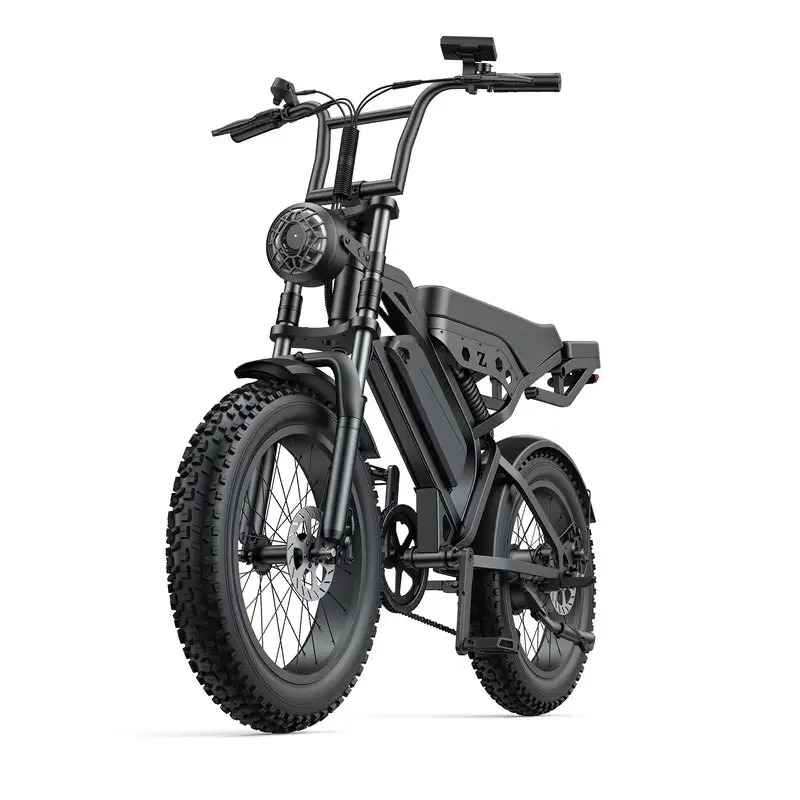
2026/08/03
Discover data-backed protocols, smart infrastructure & operational fixes. Optimize now.
2026/08/03
How payload cuts 48V cargo ebike range by 15–50%+ — backed by real-world degradation curves, motor load science & fleet optimization strategies.
Comprehensive warranty, fast parts shipping, remote diagnostics and local dealer training


