 EN
EN

STEP 1
Full vehicle warranty for 2 years
2026/08/27
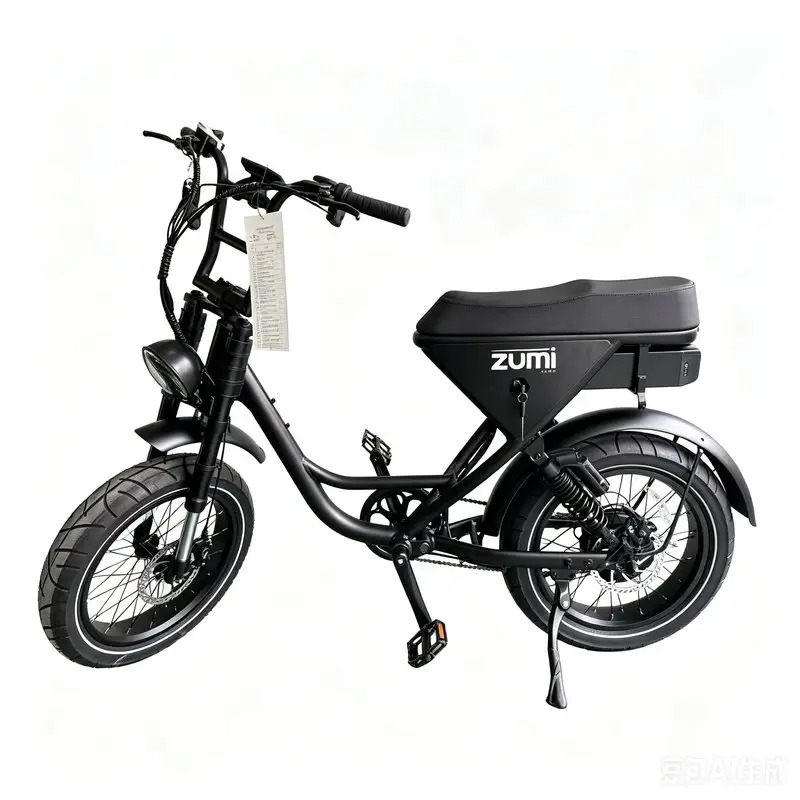
Cosmetic damage represents one of the most common issues affecting the resale value and customer satisfaction in the wholesale electric bikes market. Whether caused by shipping, storage, handling, or minor accidents, scratches, dents, paint chips, and frame imperfections can significantly diminish the appeal of otherwise functional units. Understanding how to identify, assess, and resolve these issues is essential for anyone purchasing wholesale electric bikes for sale, as it directly impacts your ability to move inventory quickly and maintain healthy profit margins.
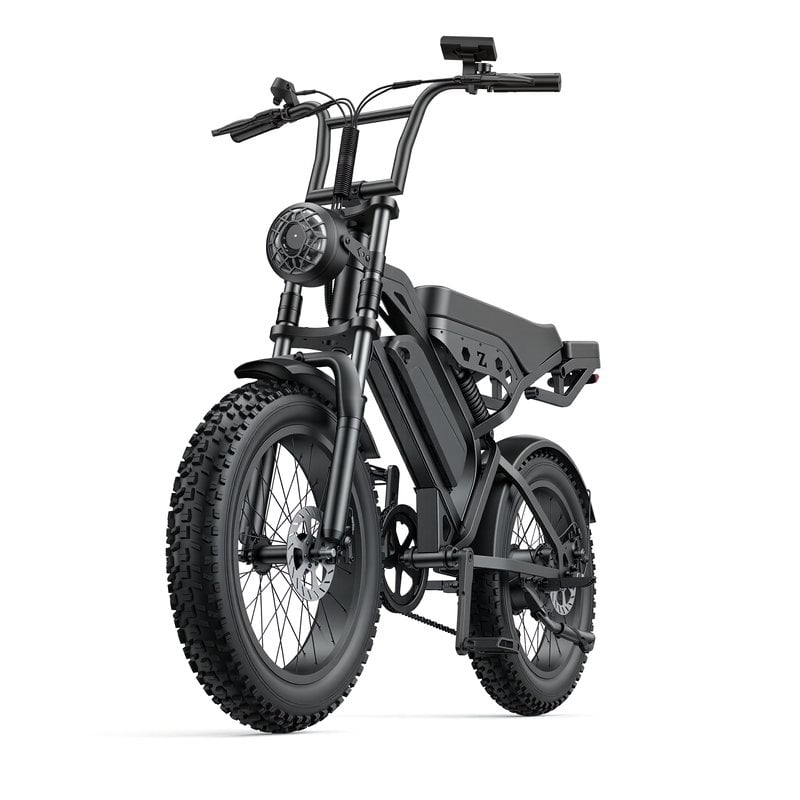
The cosmetic condition of ebike wholesale units directly influences end-user perception and purchasing decisions. A bike with surface damage may function perfectly, but buyers often perceive it as lower quality or poorly maintained. This perception creates a pricing challenge and slower sales cycles. By developing systematic approaches to assess, document, and repair cosmetic issues, wholesale distributors can restore confidence in their inventory and unlock additional sales channels that would otherwise be closed to damaged stock.
Cosmetic damage on electric bike wholesale units typically includes paint scratches, frame dents, scuffed components, and discolored sections. Paint damage ranges from minor hairline scratches that expose bare metal to deeper gouges that compromise the protective coating. Dents in the aluminum or steel frame may appear minor cosmetically but can weaken structural integrity if severe. Scuffs on the seat, grips, or plastic components are purely aesthetic but create a perception of heavy use or poor handling during logistics. For wholesale electric bikes for sale, documenting these defects during intake helps establish accurate grading and pricing strategies that reflect actual condition rather than applying blanket discounts.
Establishing a standardized damage grading system allows consistent assessment across your entire ebike wholesale inventory. Grade A units should have zero to minimal cosmetic imperfections visible only under close inspection. Grade B units may have visible minor scratches or scuffs that do not affect function or structural integrity. Grade C units exhibit noticeable but repairable damage that significantly impacts aesthetics. A clear photographic record and written condition notes attached to each unit create transparency with downstream buyers and reduce disputes. This structured approach to evaluating electric bike wholesale stock helps justify pricing differences and enables targeted repair investments based on potential return on labor costs.
Paint scratches and chips represent the most visible cosmetic issues in wholesale electric bikes for sale. For shallow scratches that do not penetrate to bare metal, touch-up paint kits matching the original frame color can provide a professional-looking repair. For deeper damage exposing the substrate, light sanding, primer application, and matching topcoat paint restore both appearance and corrosion protection. Frame dents that do not compromise structural rigidity can sometimes be minimized through careful heat application or specialized dent removal techniques without requiring complete repainting. When damage is extensive, consider whether a full frame respray is economically viable compared to offering the unit at a discounted price. Electric bike wholesale buyers often accept minor cosmetic imperfections if the pricing reflects the condition and the mechanics function flawlessly.
Scuffed seats, worn grips, and discolored plastic components can be cost-effectively replaced or renewed. Replacing grip tape or grips takes minimal time and dramatically improves the tactile experience and perceived quality of ebike wholesale units. Seat covers or seat replacements are inexpensive relative to the improvement in overall presentation. Plastic fenders and mudguards can be cleaned with appropriate solvents or replaced entirely. These component-level repairs are often higher-ROI activities than attempting to restore paint damage, as they directly affect the user experience and require minimal technical skill. For wholesale electric bikes, having stock replacement parts on hand enables rapid turnaround and reduces inventory hold times.
Before investing in cosmetic repairs for electric bike wholesale inventory, calculate whether the cost of labor and materials justifies the potential price recovery. A minor touch-up costing five to ten dollars that enables pricing fifty dollars higher represents sound economics. Extensive repainting costing one hundred fifty dollars or more may not be justified if the market for that model is price-sensitive. Analyze historical sales data for damaged units at various discount levels to determine the optimal repair threshold. Some wholesale electric bikes for sale may sell faster at a fifteen percent discount without repairs than they would after spending time and money on restoration. Understanding your specific market dynamics and buyer preferences is essential to making these decisions profitably.
Transparency about cosmetic condition opens new sales channels that might otherwise be closed. Educational buyers, rental businesses, and value-conscious consumers often accept minor cosmetic damage at appropriate price points. Rather than attempting to hide or minimize damage in listings, clearly document it with photos and condition notes. This honesty builds trust with wholesale buyers and reduces return rates and disputes. Offering tiered pricing for different cosmetic grades of the same ebike wholesale model allows you to move all inventory rather than holding damaged stock indefinitely. Some distributors successfully market cosmetic-grade units as 'refurbished' or 'condition graded,' creating a legitimate category that appeals to cost-conscious buyers while maintaining transparency.
Cosmetic damage itself does not impact the electrical, mechanical, or safety performance of the ebike. Paint scratches, dents, and scuffs are purely aesthetic issues. However, deep dents that compromise frame structural integrity or damage that exposes wiring or battery components can create functional or safety concerns. Before classifying damage as cosmetic only, always verify that no underlying systems are affected. For wholesale electric bikes, thoroughly testing all electrical and mechanical systems independent of cosmetic condition is the professional standard.
Minor paint touch-ups cost three to fifteen dollars per unit. Complete frame repainting can range from seventy to two hundred dollars depending on size and complexity. Seat or grip replacement typically costs ten to thirty dollars. Component swaps for plastic fenders or guards cost fifteen to fifty dollars. Labor time varies significantly by your location and in-house capabilities versus outsourcing. For wholesale electric bikes for sale, maintaining a cost breakdown for common repairs helps you quickly assess whether restoration or discounting is the optimal strategy for each unit.
Use a standardized condition report that includes high-resolution photos from multiple angles, written descriptions of all visible damage, and a clear grade classification. Include measurements or size references for dents or damage to help buyers assess severity. Note whether damage is isolated to paint or extends to structural components. Attach this documentation to the unit record and provide copies to potential buyers early in the sales discussion. Transparent documentation reduces return rates and disputes, building long-term relationships with wholesale buyers. Electronic condition reports with timestamp and photo metadata provide defensible records of unit condition at the time of sale.
2026/08/03
Fix time zones, language gaps, and unclear protocols—boost speed, cut costs, and scale confidently.
2026/08/03
Avoid liability & import bans: Learn IEC 62619, UN 38.3, and UL 2271—plus how to verify real compliance (not fakes).
2026/08/03
Learn precise air pressure, rebound & compression tuning for optimal suspension performance. Get pro-level setup tips now.
2026/08/03
Discover how voltage drop saps performance—and proven fixes to restore responsiveness, range, and battery life. Read now.
2026/08/03
Discover data-backed protocols, smart infrastructure & operational fixes. Optimize now.
2026/08/03
How payload cuts 48V cargo ebike range by 15–50%+ — backed by real-world degradation curves, motor load science & fleet optimization strategies.
Comprehensive warranty, fast parts shipping, remote diagnostics and local dealer training


