 EN
EN
STEP 1
Full vehicle warranty for 2 years
2026/08/06
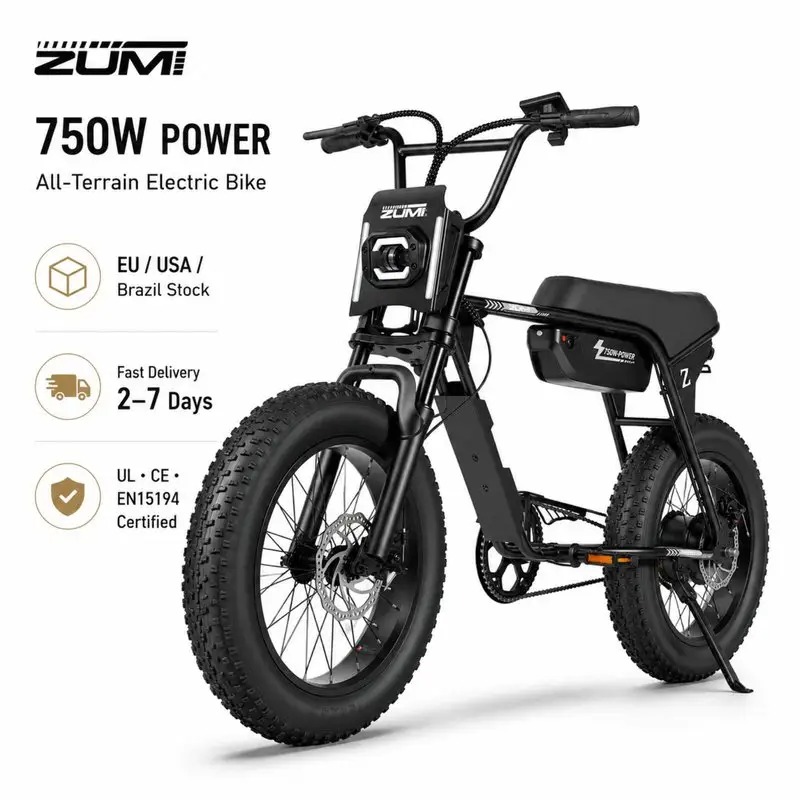
Drivetrain incompatibilities represent one of the most persistent technical challenges facing riders who invest in modern electric bikes. When components fail to work harmoniously, performance suffers, maintenance costs rise, and user satisfaction plummets. An experienced electric fat bike company understands these complexities deeply and builds solutions that prevent incompatibility problems before they start. This article explores how specialized manufacturers tackle drivetrain challenges and why their expertise matters for your riding experience.
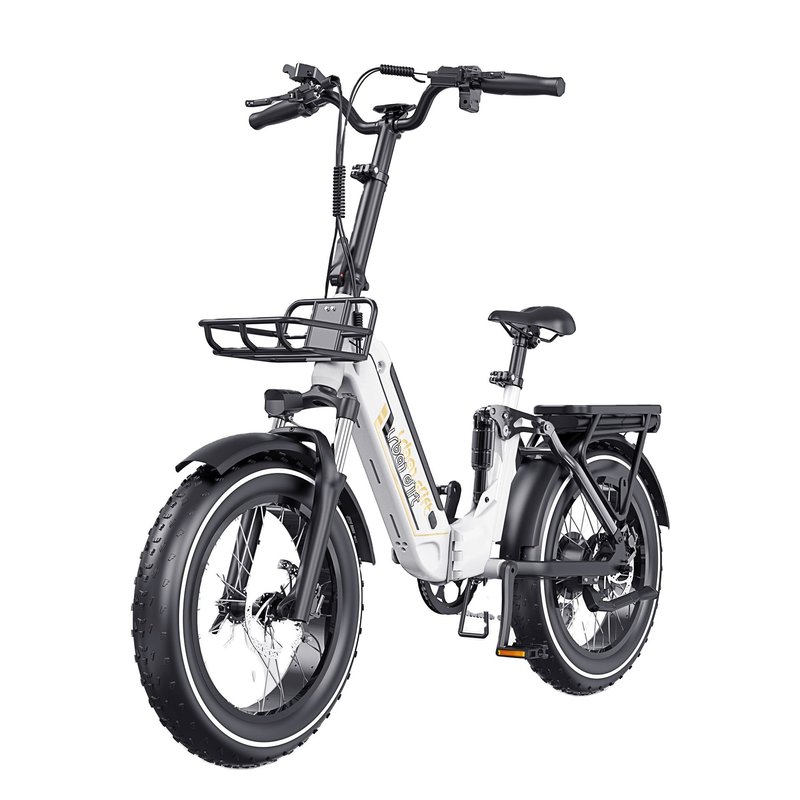
Fat tire ebike systems operate under unique stress patterns because their wider tires, heavier frames, and powerful motors demand precision-engineered drivetrain components. A fat tire ebike requires carefully matched gear ratios, chain tension specifications, and motor controller settings that work seamlessly together. Without proper integration, riders face chain slippage, premature wear, shifting delays, and catastrophic failures. The best ebike manufacturer approaches component selection as a unified system rather than assembling parts independently.
Drivetrain incompatibilities emerge when different components operate on conflicting specifications. An ebike factory manufacturing fat tire ebike systems must coordinate motor power delivery, cassette sprocket counts, chain gauge, derailleur throw specifications, and controller programming. If a motor outputs power at 750 watts but the drivetrain was designed for 500 watts, chain tension increases abnormally and wear accelerates. Mismatched spoke counts, rim widths, and hub motor implementations create additional compatibility layers that require expert engineering.
Many riders purchase aftermarket parts expecting direct compatibility without realizing that electric fat bike systems demand stricter tolerances than conventional bikes. A standard chain might appear to fit the sprockets visually but fail under the sustained torque that fat tire ebike riding generates. The ebike factory must validate every component combination through extensive testing to ensure that each part harmonizes with others across varied terrain and weather conditions.
When an electric fat bike company fails to integrate its drivetrain properly, performance degradation manifests gradually or suddenly. Shifters that don't respond crisply indicate derailleur misalignment or cable tension problems rooted in incompatible frame design. Cassettes that slip under acceleration reveal sprocket tooth profile mismatches with the chain. Motors that disconnect intermittently suggest controller incompatibility with the speed sensor or brake lever system. Each failure points to systemic design flaws rather than isolated component defects.
The most successful ebike manufacturer approach involves pre-integrating all drivetrain elements during design phases rather than treating them as separate modules. Expert engineers at top fat tire ebike manufacturers specify motor power outputs that match cassette gear ranges precisely. They select chains with exact pitch and width tolerances that guarantee smooth engagement with validated sprocket profiles. They program motor controllers with acceleration curves that never exceed the designed chain tension limits. Testing protocols include thousands of shifting cycles, extreme load scenarios, and environmental stress conditions before production begins.
This comprehensive validation process costs significantly more than the aftermarket assembly approach that many cheaper manufacturers use. However, the reliability premium justifies the investment for serious riders. An ebike factory that invests in this level of quality control eliminates customer complaints, warranty claims, and reputational damage. The fat tire ebike market rewards manufacturers who prioritize this discipline because riders recognize the difference immediately.
Motor controller programming represents a hidden but critical element of drivetrain compatibility that most consumers overlook. The electric fat bike company calibrates acceleration behavior, power scaling, and torque delivery to match the specific drivetrain's mechanical advantages. A controller designed for hub motors operates differently than one for mid-drive systems because torque application points differ fundamentally. The ebike manufacturer must account for chain dynamics, cassette ratios, and tire diameter to optimize power delivery without overwhelming components.
Proper calibration ensures that the motor never applies excessive torque at low speeds where mechanical advantage is highest. It prevents the rapid acceleration that causes chain slip during standing starts. It manages power smoothly during shifting transitions to prevent derailleur strain. This sophistication separates professional fat tire ebike manufacturers from DIY builders who simply bolt together off-the-shelf parts.
An experienced ebike factory invests in component materials specifically chosen for electric bike environments. Chains must withstand continuous high torque that exceeds conventional bike chains. Cassettes require harder tooth profiles and stronger carrier materials. Chainrings need precise tooth geometry to minimize wear and chattering. Derailleur components demand stiffer springs and more responsive pivot points. The fat tire ebike manufacturer sources these specifications from suppliers who understand electric bike demands rather than accepting standard bicycle components.
Material selection extends beyond just hardness. Corrosion resistance matters because fat tire ebike riders often encounter wet, muddy, salty environments where standard steel components degrade rapidly. Stainless steel options, protective coatings, and sealed bearing designs become non-negotiable specifications. The electric fat bike company that prioritizes these details builds reputation for reliability that translates directly into customer loyalty and positive word-of-mouth.
Smart manufacturers design fat tire ebike drivetrains with future serviceability in mind. They specify industry-standard component connections that allow riders to replace worn parts without forcing complete drivetrain replacement. They provide detailed compatibility documentation listing exact replacement cassettes, chains, and derailleur models. They maintain spare parts availability for several years beyond production to support long-term customer needs. This approach builds trust and extends the economic life of each bike sold.
The ebike manufacturer also designs their systems to work with reputable aftermarket upgrades for advanced riders. A professional fat tire ebike company publishes compatibility charts and validates popular upgrade combinations. This customer-centric approach acknowledges that serious riders eventually want to customize their drivetrains while protecting component quality and safety.
The most frequent incompatibilities include chain pitch mismatches with cassette sprockets, motor torque exceeding derailleur cable tension ratings, spoke and rim specifications that don't match hub motor flanges, and brake system conflicts with motor controllers in regenerative systems. An ebike factory minimizes these problems through comprehensive pre-testing before shipping any model.
Riders should consult the manufacturer's component compatibility documentation and cross-reference replacement parts against the original specifications. A responsible ebike manufacturer provides detailed parts lists with supplier names and model numbers. Riders should avoid mixing components from different generations or brands unless the manufacturer explicitly approves the combination.
No drivetrain system eliminates problems completely, but an experienced ebike manufacturer dramatically reduces incompatibility failures through rigorous engineering and quality control. Regular maintenance, proper lubrication, and correct shifting technique remain essential user responsibilities that complement manufacturer excellence.
2026/08/03
Fix time zones, language gaps, and unclear protocols—boost speed, cut costs, and scale confidently.
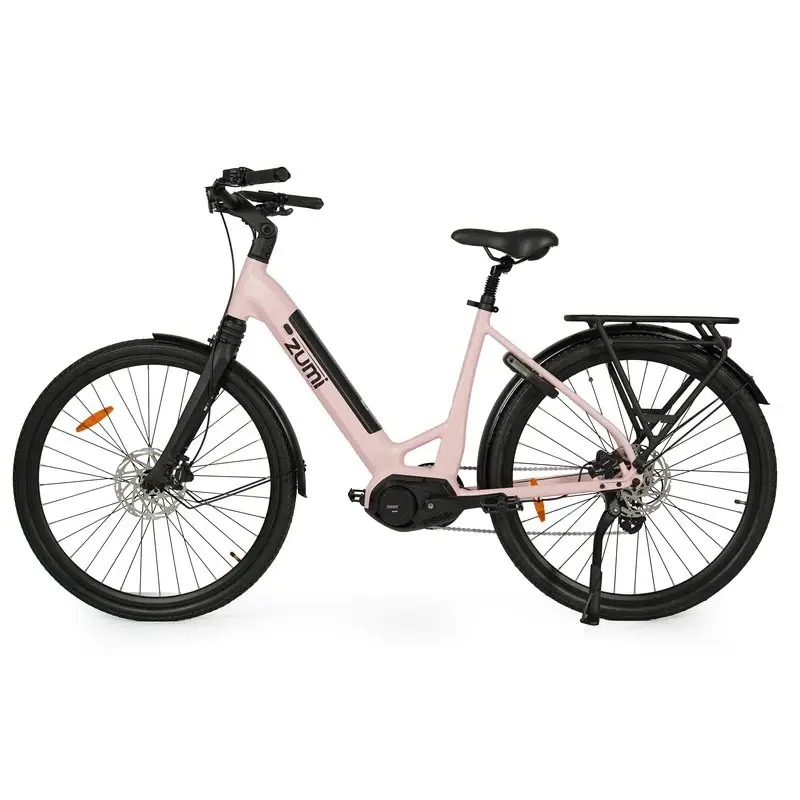
2026/08/03
Avoid liability & import bans: Learn IEC 62619, UN 38.3, and UL 2271—plus how to verify real compliance (not fakes).
2026/08/03
Learn precise air pressure, rebound & compression tuning for optimal suspension performance. Get pro-level setup tips now.
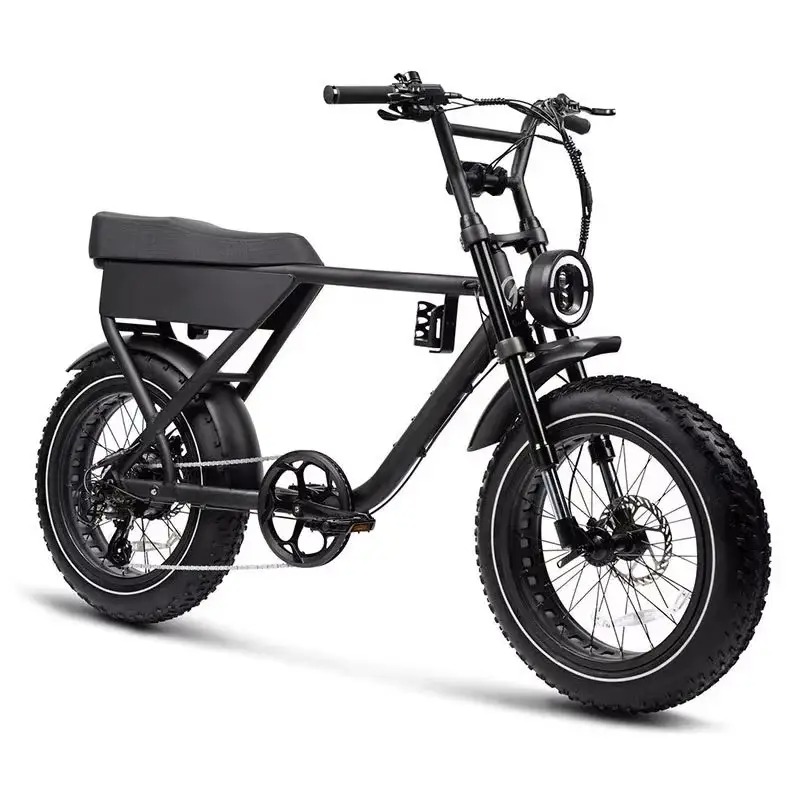
2026/08/03
Discover how voltage drop saps performance—and proven fixes to restore responsiveness, range, and battery life. Read now.
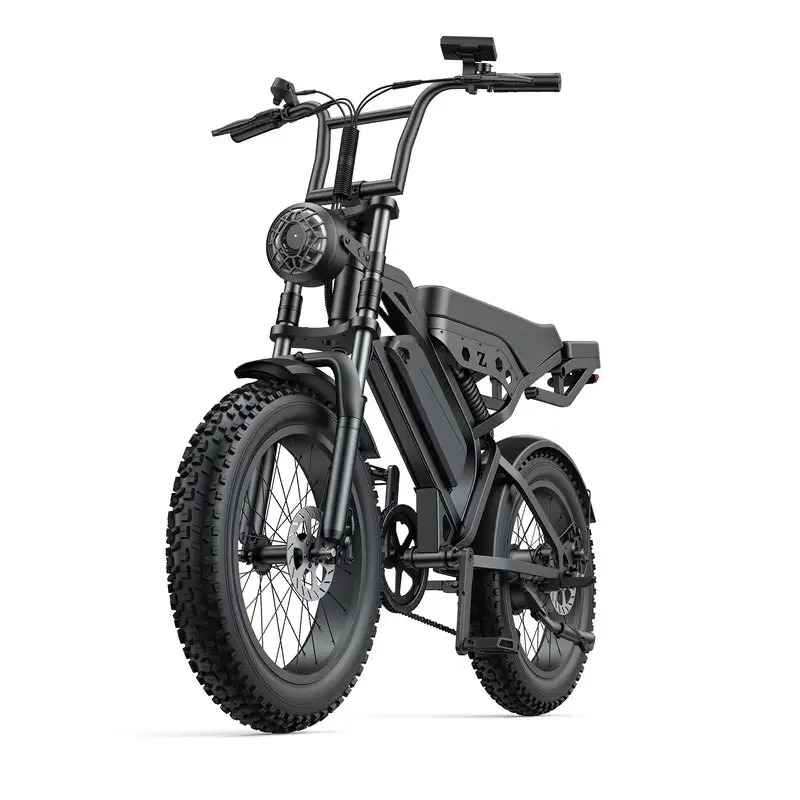
2026/08/03
Discover data-backed protocols, smart infrastructure & operational fixes. Optimize now.
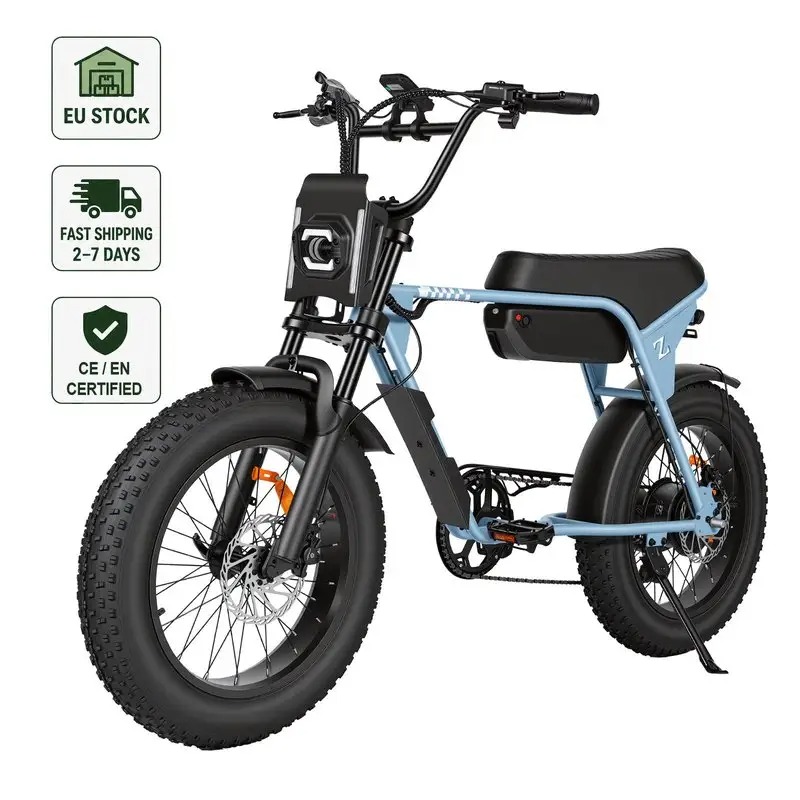
2026/08/03
How payload cuts 48V cargo ebike range by 15–50%+ — backed by real-world degradation curves, motor load science & fleet optimization strategies.
Comprehensive warranty, fast parts shipping, remote diagnostics and local dealer training


