 EN
EN
STEP 1
Full vehicle warranty for 2 years
2026/08/13
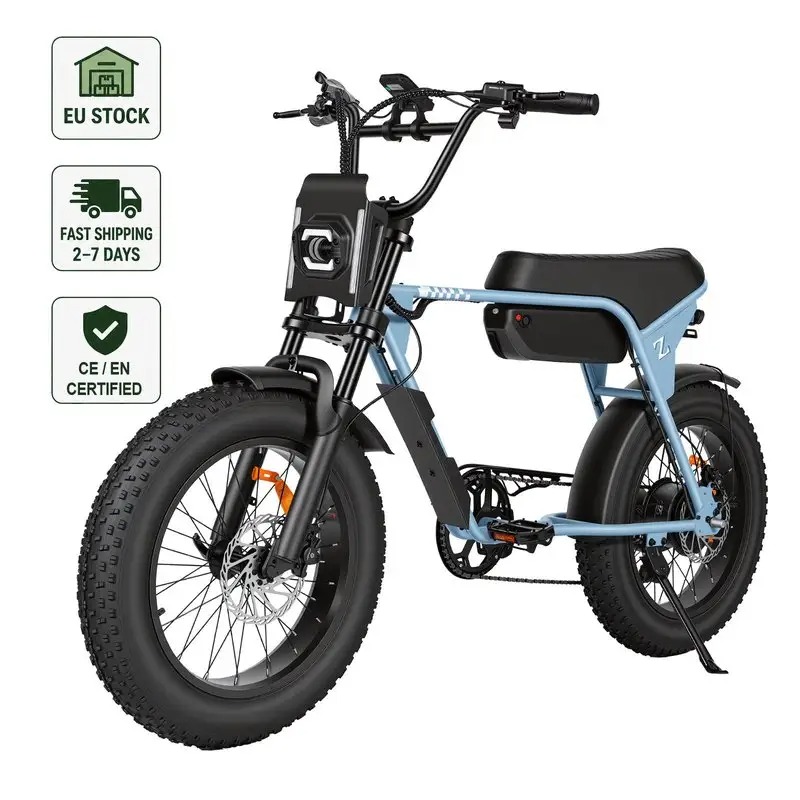
Hill climbing presents a genuine challenge for riders using a fat tire electric bike 250w, particularly when navigating steep terrain or loaded with cargo. While a 250w ebike delivers efficient performance on flat surfaces and moderate slopes, its motor capacity creates real constraints when tackling vertical elevation gain. Understanding these limitations and learning practical strategies to overcome them transforms your riding experience and expands the terrain your fat tire ebike can handle effectively.
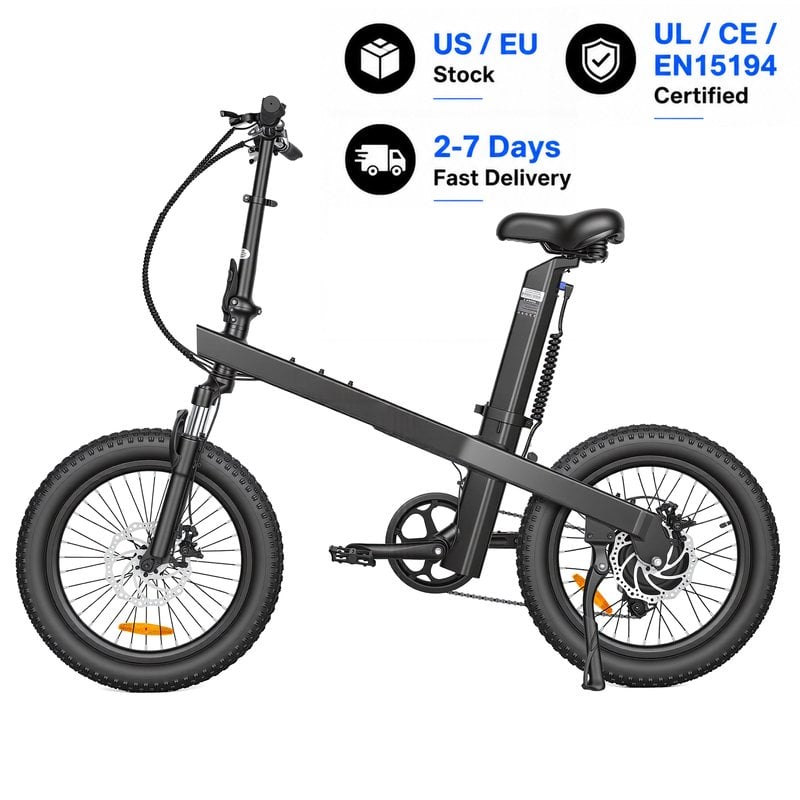
The relationship between motor power, rider effort, and hill performance forms the foundation of effective climbing on a 250w ebike. Your fat tire ebike excels at distributing weight across low-pressure tires for traction and stability, but overcoming gravitational resistance on steep grades requires strategic approach. This guide explores the physical limitations inherent to 250w systems, reveals why standard riding techniques fail on challenging hills, and provides actionable methods to extract maximum climbing capability from your electric fat bike.
A 250w motor produces roughly one-third the power of a 750w system, meaning a fat tire ebike with 250w requires more strategic energy management to climb steep grades. When your combined weight (rider plus bike) exceeds 120 kilograms and you face slopes steeper than fifteen percent, the 250w electric fat bike motor operates near maximum capacity just maintaining forward motion. Gravitational force pulling downhill increases exponentially with slope angle, while your 250w motor output remains constant. This mismatch creates the fundamental climbing limitation: insufficient reserve power for acceleration, cargo support, or sustained uphill momentum.
Hill climbing drains battery reserves far faster than level riding because your fat tire ebike motor works continuously without efficiency breaks. A typical 250w ebike consuming power at seventy percent output on a steep climb depletes a 48v 12ah battery in roughly forty to fifty minutes of continuous uphill riding. The heavier your load and the steeper your grade, the more current your motor draws from the battery. Understanding this energy consumption pattern helps you plan routes, manage climb duration, and recognize when alternative strategies become necessary for completing challenging terrain on your electric fat bike.
Your fat tire ebike performs best when properly configured for climbing, starting with checking tire pressure, frame geometry alignment, and cargo positioning. Slightly lower tire pressure on your fat tire ebike increases rolling resistance but improves traction, which paradoxically helps climbing efficiency on loose or steep terrain. Center your load weight over the bike's wheelbase rather than behind the seat, positioning heavier items low and forward. Remove unnecessary accessories, cargo, and weight before tackling significant climbs. Every kilogram reduction directly decreases the gravitational load your 250w motor must overcome, translating to better climbing speed and reduced battery drain on your fat tire electric bike.
Your human power matters significantly on a 250w ebike because the motor and your legs work together rather than independently. Most riders benefit from maintaining a steady cadence between sixty and eighty revolutions per minute on climbs, allowing your legs to produce consistent power while the 250w motor supplements your effort. Select an appropriate pedal-assist level before the climb starts; using maximum assist from the beginning creates rapid battery depletion and motor heat buildup. Instead, begin with moderate assist and increase only as your legs fatigue, keeping your cadence smooth rather than standing aggressively on the pedals. This coordinated approach extends your range and climbing capability on your electric fat bike dramatically compared to using the motor alone.
Intelligent route selection compensates for a 250w ebike's climbing limitations more effectively than fighting against unsuitable terrain. Analyze elevation profiles before riding, seeking routes with gradual grade increases rather than steep switchbacks. A sustained ten-percent climb actually challenges a 250w ebike less than a brief eighteen-percent section because your legs recover partially during the long approach. Plan climbs during morning hours when your battery charge remains full and your energy is highest. Combine climbs with flat recovery sections where you can pedal without motor assistance, allowing your battery to conserve charge for the next elevation gain. This strategic approach makes challenging terrain accessible on a fat tire ebike that might otherwise seem impossible.
Your fat tire ebike's climbing performance depends significantly on tread pattern and rubber compound characteristics. Winter or aggressive-tread fat tires provide superior grip compared to slick summer compounds, reducing wheel slip and improving climbing efficiency. Consider switching to puncture-resistant tires with aggressive tread if you regularly encounter steep or loose terrain. Some riders apply tire sealant products that increase grip in wet conditions, which improves traction during wet-weather climbs. These modifications directly enhance your fat tire electric bike's ability to maintain momentum and traction on challenging slopes, reducing the effective load your 250w motor must overcome.
Maintaining your 250w ebike's motor and battery systems ensures consistent performance during demanding climbs. Dirty motor windings reduce efficiency and heat dissipation, so clean your fat tire ebike's motor area regularly to prevent thermal throttling during long climbs. Check battery connections for corrosion or loose terminals that reduce power delivery. Store your electric fat bike battery at moderate temperatures between uses, as lithium cells lose capacity when exposed to extreme heat or cold. A well-maintained 250w motor delivers peak output reliably, while neglected systems lose efficiency precisely when you need maximum climbing power. Preventive maintenance becomes more valuable as rides become more challenging.
A 250w fat tire electric bike can climb most hills below twenty percent grade with steady effort and proper technique, though steep grades require significant rider contribution. Safety depends more on your riding skill, tire traction, and route selection than raw motor power. The wide tires and low center of gravity of a fat tire ebike actually provide stability advantages on steep climbs compared to narrow-tire systems. However, extremely steep terrain, loose surfaces, or inadequate traction create safety risks regardless of motor power. Always wear appropriate safety gear, practice weight distribution techniques, and choose routes matched to your experience level.
Every additional kilogram of weight significantly impacts climbing performance because your 250w motor must overcome gravitational force applied to total mass. Adding ten kilograms of cargo typically reduces climbing speed by fifteen to twenty-five percent on a steep gradient. Your body weight matters less than load weight because rider strength scales somewhat with body mass, while cargo represents pure additional burden. A one-hundred-kilogram rider on an unloaded fat tire ebike climbs more efficiently than an eighty-kilogram rider carrying twenty kilograms of cargo. Strategic weight management and load optimization represent the most practical ways to improve climbing capability on a 250w electric fat bike without upgrading the motor.
A 48v 12ah battery represents the minimum practical capacity for regular hill climbing on a fat tire ebike, providing roughly forty to fifty minutes of continuous steep climbing. Upgrading to a 48v 14ah or 48v 17ah battery extends climbing range significantly while maintaining your 250w motor compatibility. Higher capacity batteries increase weight slightly but provide proportionally greater range extension, making them worthwhile investments for riders who frequently encounter climbing challenges. Some riders use external battery systems or portable chargers during long rides on fat tire electric bikes, allowing break-based charging during lunch stops. Battery capacity directly determines how many climbs you can complete before depletion, making it the primary consideration for extended hill-climbing adventures.
2026/08/03
Fix time zones, language gaps, and unclear protocols—boost speed, cut costs, and scale confidently.
2026/08/03
Avoid liability & import bans: Learn IEC 62619, UN 38.3, and UL 2271—plus how to verify real compliance (not fakes).
2026/08/03
Learn precise air pressure, rebound & compression tuning for optimal suspension performance. Get pro-level setup tips now.
2026/08/03
Discover how voltage drop saps performance—and proven fixes to restore responsiveness, range, and battery life. Read now.
2026/08/03
Discover data-backed protocols, smart infrastructure & operational fixes. Optimize now.
2026/08/03
How payload cuts 48V cargo ebike range by 15–50%+ — backed by real-world degradation curves, motor load science & fleet optimization strategies.
Comprehensive warranty, fast parts shipping, remote diagnostics and local dealer training


