 EN
EN
STEP 1
Full vehicle warranty for 2 years
2026/08/05
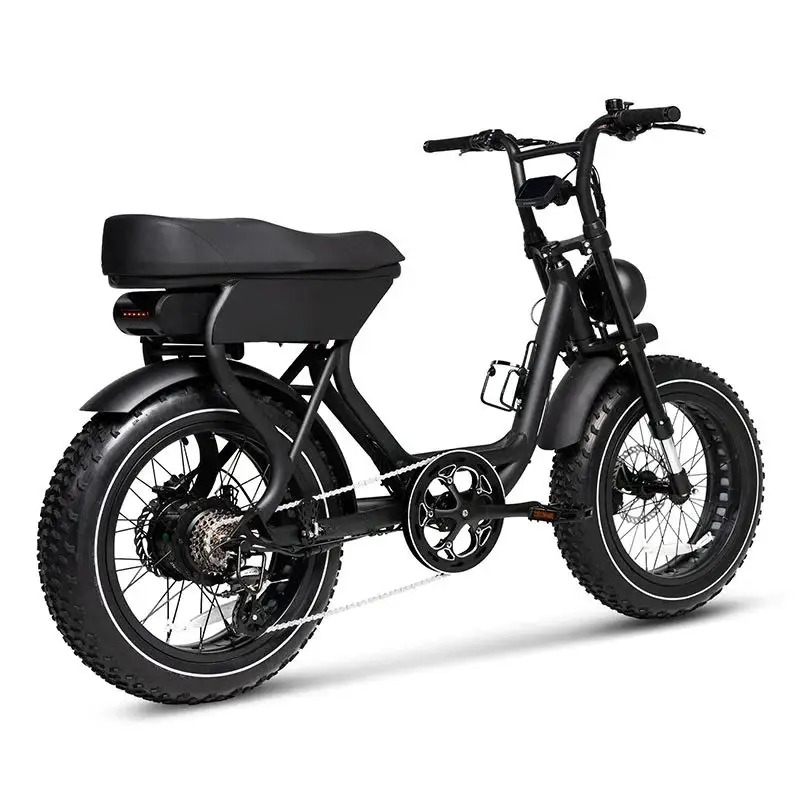
Importing electric bikes direct from manufacturer offers significant cost advantages, but import duties and tariffs can substantially impact your final pricing and profitability. Understanding how these duties apply to ebike factory sourcing is essential for businesses looking to source electric bike wholesale inventory. Import costs vary by country of origin, destination market, and product classification, making it critical to understand the regulatory landscape before committing to large orders.
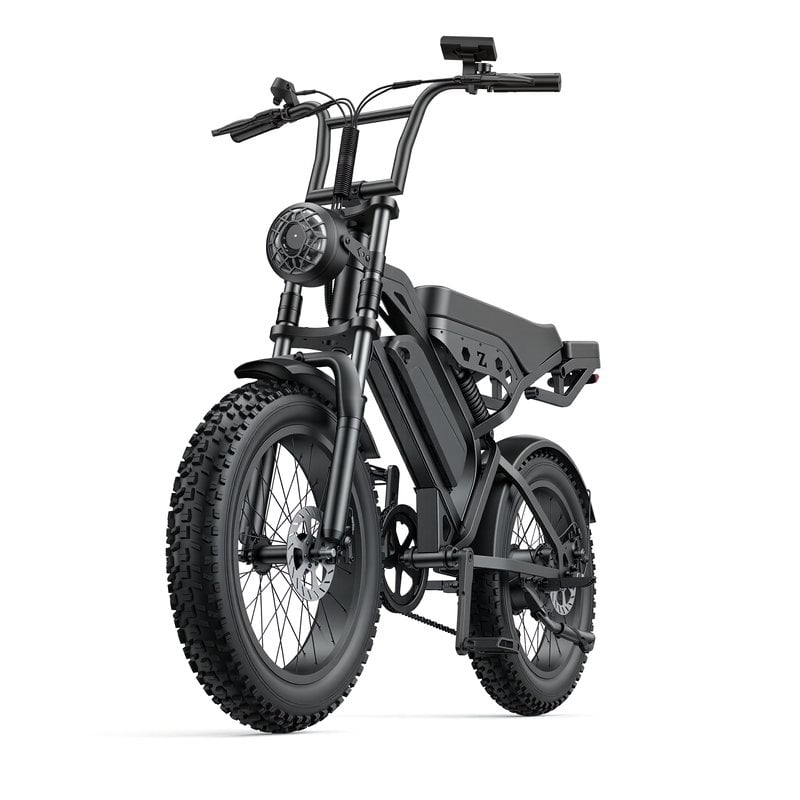
When working with an ebike manufacturer, the duty structure depends on where the bikes are produced and where they will be sold. Most countries classify electric bicycles under specific tariff codes that determine the applicable import tax rate. By proactively planning your sourcing strategy with an ebike factory partner, you can minimize unexpected costs and better forecast your total landed price per unit.
Electric bicycles fall under different tariff classifications depending on motor size, battery capacity, and design. When sourcing from an ebike manufacturer or ebike factory, the tariff code assigned to your shipment directly determines the import duty percentage. Most jurisdictions classify e-bikes under a specific HS code, such as 8711 for electric bicycles or related classifications under 8704 for motorized cycles.
The difference between a standard bicycle and an electric bike affects how customs authorities assess the duty rate. An ebike manufacturer must provide accurate technical specifications to ensure correct classification. Misclassification can result in higher duties, delays at customs, or penalties. Working closely with your ebike factory supplier to obtain detailed product specifications ensures smoother customs clearance and prevents costly reclassification disputes.
Duty rates for electric bike wholesale imports vary significantly by region. The European Union typically applies tariffs ranging from 10 to 14 percent on e-bikes imported from certain countries. The United States has historically imposed lower tariffs, though recent trade policies have affected rates on electric bikes from specific origins. When sourcing electric bikes direct from manufacturer in different regions, comparing duty rates is essential to selecting the most cost-effective production location.
Countries with free trade agreements may offer preferential tariff rates for imports from partner nations. An experienced ebike factory partner can advise on which jurisdictions offer the lowest duty exposure for your target market. Some businesses strategically select their ebike manufacturer based on tariff optimization, particularly when serving multiple international markets. Understanding these regional differences allows you to make data-driven decisions about where to source your electric bike wholesale orders.
Leveraging free trade agreements and preferential trade programs can significantly reduce the cost of sourcing electric bikes direct from manufacturer. Many countries offer reduced tariffs for products manufactured in designated partner nations. When selecting an ebike manufacturer or ebike factory, consider whether they operate in a region that qualifies for lower duty rates into your target market. This strategic decision can result in 5 to 10 percent savings on total landed costs.
Some businesses structure their sourcing across multiple ebike factory locations to optimize tariff treatment. For example, certain value-added operations performed in lower-tariff jurisdictions can reduce the effective duty rate on the final product. Working with an experienced international logistics partner or tariff consultant helps identify legitimate strategies to minimize duties while maintaining compliance with all trade regulations and origin requirements.
Accurate documentation is critical when importing electric bikes from any ebike manufacturer. Proper invoicing, certificates of origin, and technical specifications must accompany your shipment to support the claimed tariff classification. Incomplete or incorrect paperwork can result in customs delays, additional inspections, and reclassification at higher duty rates. An established ebike factory with experience exporting will provide all required documentation to support compliance and duty minimization.
Maintaining clear records of component sourcing also supports duty reduction claims. If your electric bike wholesale order includes components sourced from multiple qualifying countries, proper documentation may allow you to claim preferential treatment. Customs authorities increasingly scrutinize the origin of parts used in electric bikes, so transparency with your ebike manufacturer about component sourcing is essential. Working with suppliers who maintain certified documentation systems reduces audit risk and ensures smooth customs processing.
Consolidating shipments when sourcing electric bikes direct from manufacturer can reduce per-unit duty exposure by optimizing container utilization. Larger, consolidated orders may qualify for bulk discounts from your ebike factory partner, which can help offset duty costs. Additionally, selecting appropriate incoterms with your ebike manufacturer affects who bears the duty responsibility and can influence the declared value used for customs calculations.
Timing your electric bike wholesale imports strategically can also help manage duty impacts. Some importers schedule larger shipments to coincide with seasonal demand peaks, maximizing the revenue potential of each shipment relative to duty costs. Working with your ebike factory to align production schedules with your business cycles ensures you can spread duty payments across multiple shipments rather than bearing them all at once.
Import duties represent only one component of total landed costs when sourcing electric bikes from an ebike manufacturer. Additional fees include customs brokerage charges, merchandise processing fees, and potential anti-dumping duties in certain cases. The ebike factory you select may also charge freight insurance, handling fees, and documentation preparation costs. Understanding the complete cost structure allows you to accurately forecast profitability and identify whether sourcing electric bikes direct from manufacturer truly delivers cost savings compared to domestic sourcing.
Currency fluctuations and payment terms also affect the effective duty burden. If your ebike manufacturer quotes prices in a currency that strengthens against your home currency, the higher purchase price increases the duty calculation base. Hedging currency exposure or negotiating fixed pricing with your ebike factory helps stabilize total landed costs and prevents margin compression from unexpected duty increases.
Long-term success with electric bike wholesale sourcing requires building relationships with reliable ebike factory partners who understand tariff compliance and can adapt to changing trade policies. Import regulations evolve, and trade agreements shift, so your ebike manufacturer should actively communicate policy changes that affect duty rates. Establishing open communication channels with your supplier ensures you receive advance notice of any tariff changes that might impact your cost structure.
Consider diversifying your ebike manufacturer network across different regions to reduce dependency on any single tariff regime. This approach provides flexibility if duties increase in one jurisdiction, allowing you to redirect orders to lower-cost sources. An experienced global electric bikes direct from manufacturer partner can help you navigate these complexities and maintain competitive pricing despite evolving trade conditions.
Import duty rates for electric bikes depend on tariff classification, country of origin, and destination market regulations. The motor size, battery capacity, and product design all influence how customs classifies the bike and which duty rate applies. Additionally, trade agreements between the origin country and destination country may reduce standard tariff rates. Consulting with an ebike manufacturer experienced in international trade ensures your shipment receives the most favorable classification.
Yes, selecting an ebike manufacturer or ebike factory located in a country with preferential trade agreements with your target market can significantly reduce import duties. Many regions offer free trade zones or preferential tariff treatment for goods manufactured in partner nations. An electric bike wholesale supplier familiar with these programs can identify the most cost-effective production locations for your business. Strategic sourcing decisions can reduce total duties by 5 to 10 percent or more.
Your ebike manufacturer should provide a detailed commercial invoice, certificate of origin, bill of lading, and technical specifications for each shipment. Accurate component sourcing documentation and proof of tariff classification support your import declaration and help customs authorities confirm the duty rate applies correctly. Requesting that your ebike factory supplier include these documents with every shipment ensures smooth customs processing and reduces the risk of delays or duty reclassification that could increase your costs.
2026/08/03
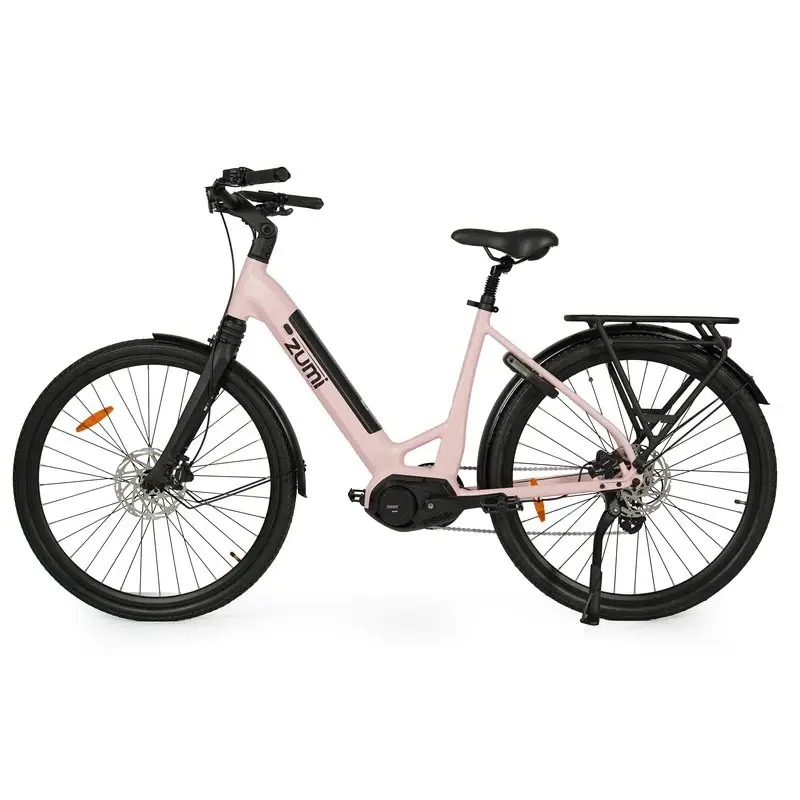
Fix time zones, language gaps, and unclear protocols—boost speed, cut costs, and scale confidently.
2026/08/03
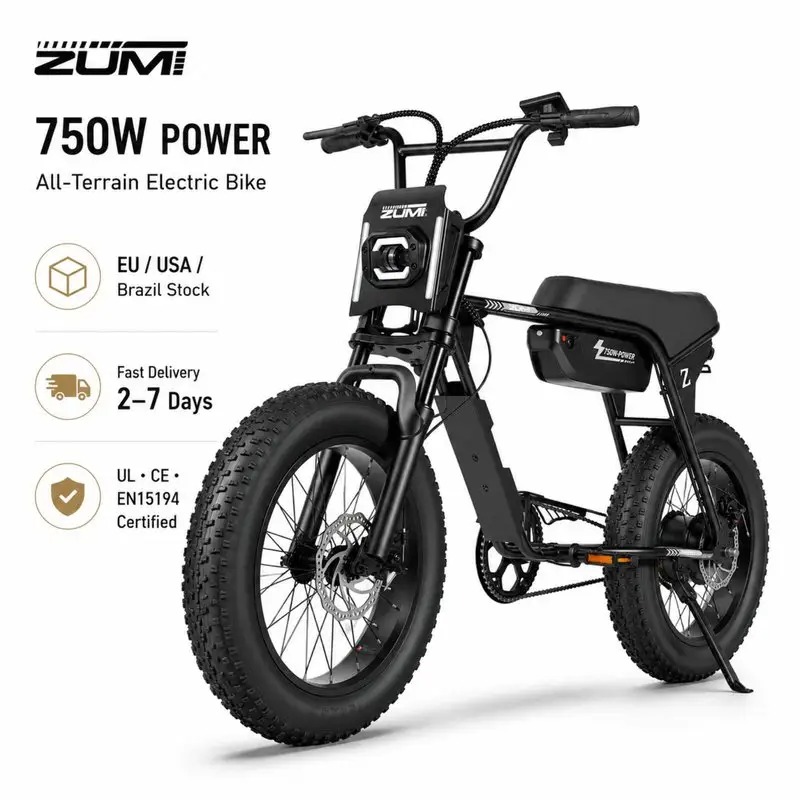
Avoid liability & import bans: Learn IEC 62619, UN 38.3, and UL 2271—plus how to verify real compliance (not fakes).
2026/08/03
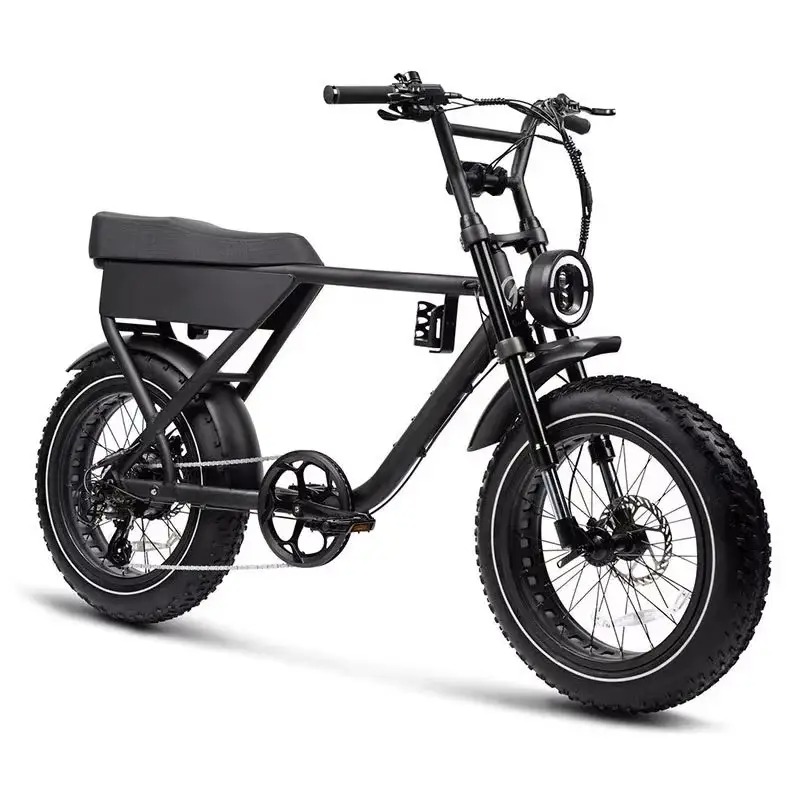
Learn precise air pressure, rebound & compression tuning for optimal suspension performance. Get pro-level setup tips now.
2026/08/03
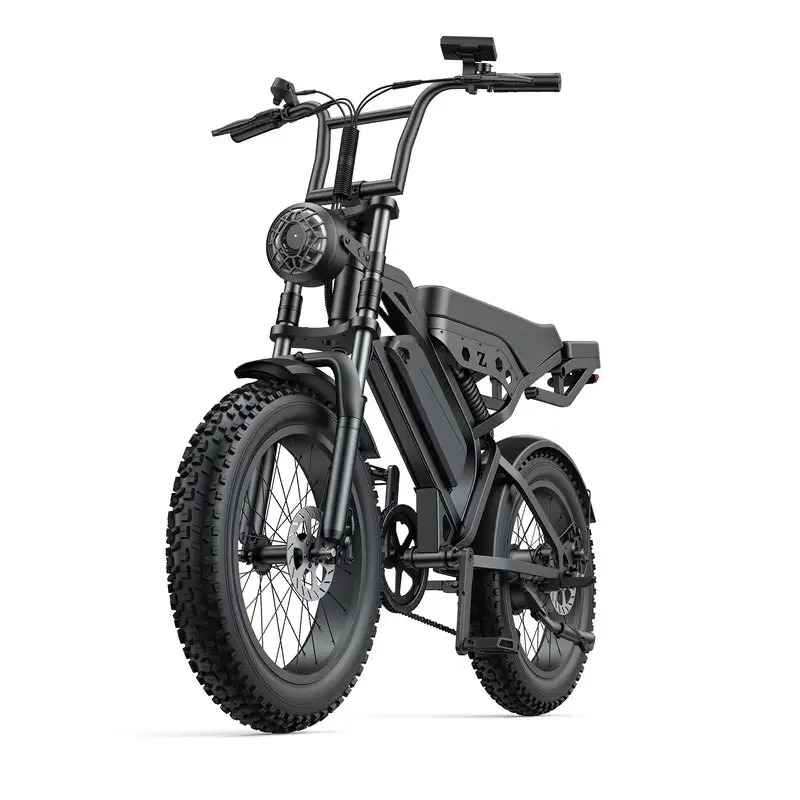
Discover how voltage drop saps performance—and proven fixes to restore responsiveness, range, and battery life. Read now.
2026/08/03
Discover data-backed protocols, smart infrastructure & operational fixes. Optimize now.
2026/08/03
How payload cuts 48V cargo ebike range by 15–50%+ — backed by real-world degradation curves, motor load science & fleet optimization strategies.
Comprehensive warranty, fast parts shipping, remote diagnostics and local dealer training


