 EN
EN
STEP 1
Full vehicle warranty for 2 years
2026/08/28
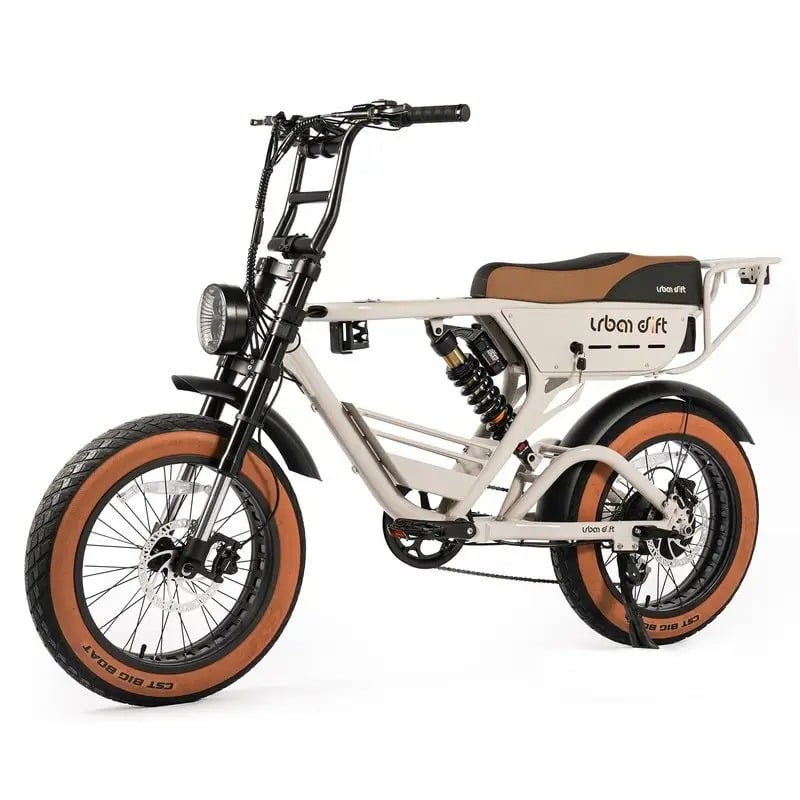
Charger plug mismatches represent a common operational challenge in electric bicycle wholesale businesses. When you receive or fulfill bulk orders, discovering that connectors do not align with customer specifications, regional standards, or existing inventory creates delays, frustrates end customers, and damages supplier credibility. This issue stems from the fragmented landscape of ebike charging standards across different markets, manufacturers, and voltage configurations.
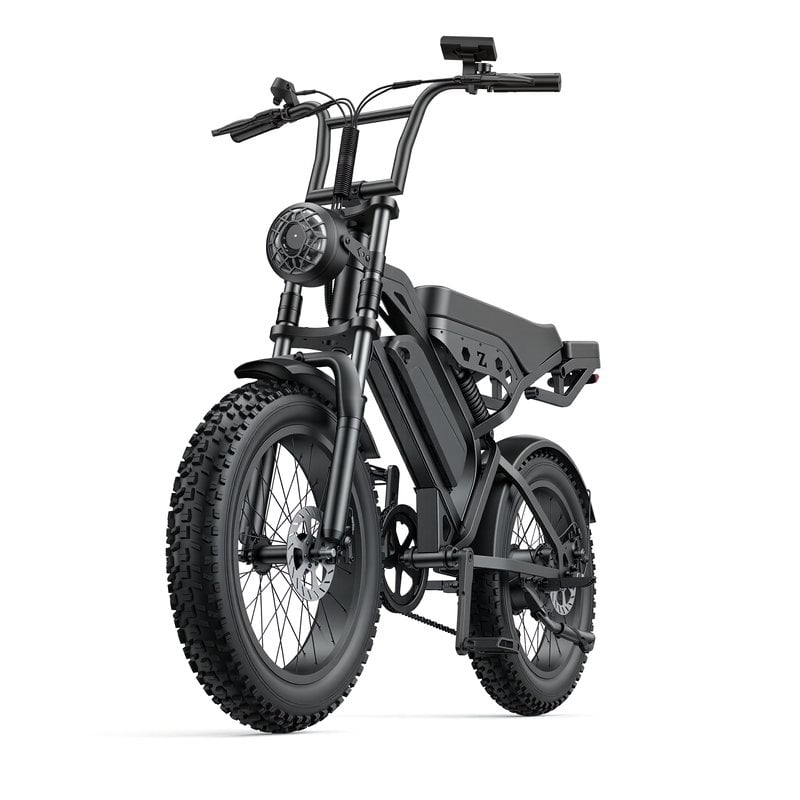
Understanding charger compatibility becomes essential when managing electric bike wholesale operations at scale. Whether you source units from multiple manufacturers, serve customers across different regions, or handle mixed voltage batteries, mismatches can occur during procurement, quality checks, or final fulfillment. The solution requires a systematic approach combining knowledge of connector standards, preventative supplier communication, and practical remediation strategies that protect your wholesale electric bikes reputation and margins.
The electric bike wholesale market uses several dominant connector families. XLR connectors, particularly the three-pin and five-pin variants, remain common in mid-to-high-end ebike wholesale products due to their robust design and widespread availability. XT60 connectors, originating from the RC hobby industry, appear frequently in budget-conscious wholesale electric bikes offerings. Anderson PowerPole connectors dominate certain regional markets and industrial ebike applications. Meanwhile, proprietary barrel connectors from specific manufacturers create additional complexity in wholesale electric bikes coordination.
Geographic markets also impose standards independently. European wholesale electric bikes often feature different connector preferences than North American or Asian suppliers. Battery voltage ratings—36V, 48V, 52V, and higher configurations—sometimes correlate with specific connector choices within each ebike wholesale segment. Understanding these regional and voltage-based patterns helps procurement teams anticipate incompatibilities before orders arrive.
Higher-voltage systems in the wholesale electric bikes category typically require heavier-gauge connectors capable of handling increased current safely. A 48V charger cannot safely deliver power through a 36V connector rated for lower amperage. This safety consideration means that ebike wholesale operations must verify both the connector type and the voltage specification marked on each charger unit. Chargers designed for rapid charging in premium wholesale electric bikes models often feature connectors optimized for higher current delivery, further narrowing compatibility options.
Most mismatches in electric bicycle wholesale orders stem from unclear specifications during the purchase order phase. Suppliers may assume standard connectors without confirming the exact model preferred by wholesale electric bikes buyers. Purchase orders sometimes specify battery voltage but omit charger connector details, leaving suppliers to guess or default to their manufacturing convenience rather than customer requirements. Regional differences in terminology—where 'XLR' might refer to slightly different pin configurations—add ambiguity that procurement teams miss during order placement.
When ebike wholesale teams work with multiple suppliers simultaneously, ensuring consistent connector specifications across shipments becomes logistically complex. A third-party logistics provider or assembly facility may receive components from different sources and fail to verify charger compatibility before packaging. This fragmentation in the wholesale electric bikes supply chain creates blind spots where mismatches remain undetected until units reach end customers.
Warehouse stock management in electric bike wholesale operations sometimes creates substitution errors. When a specified charger connector becomes temporarily out of stock, warehouse staff may substitute a similar-looking alternative without confirming electrical and mechanical compatibility. This practice, while well-intentioned, violates the precision required in ebike wholesale fulfillment. Lack of clear labeling and connector type identification systems increases the risk of these substitutions going undetected through quality checks.
Establishing detailed charger specifications in every purchase order represents the foundation of wholesale electric bikes quality control. Include the exact connector type, pin configuration, voltage rating, amperage capacity, and preferred manufacturer or equivalent option. Photographic references or technical drawings embedded in procurement templates eliminate ambiguity that text descriptions may create. Request suppliers to confirm receipt of these specifications and to explicitly acknowledge that their quoted unit includes the exact connector type specified, not an alternative.
For ebike wholesale teams managing international sourcing, translate specifications into the supplier's primary language and verify that technical terms carry identical meaning in both contexts. Some suppliers interpret 'XLR-type' broadly to include near-equivalent connectors, while your wholesale electric bikes business requires exact matches. Building glossaries of connector specifications with visual comparisons helps align understanding across all parties in the supply chain.
Implementing a supplier verification protocol strengthens reliability in electric bicycle wholesale procurement. Request samples of charger units before committing to large orders, and physically confirm that connectors match your specifications exactly. Establish ongoing communication channels with key suppliers where any charger changes are pre-announced, allowing electric bike wholesale teams to approve or reject modifications before production runs commence. Consider requiring suppliers to maintain detailed batch documentation showing charger connector specifications for traceability within each shipment.
When mismatches are discovered in ebike wholesale orders, rapid resolution protects customer relationships and minimizes financial impact. Evaluate whether the mismatched chargers can safely power the batteries through simple adapter solutions or whether complete charger replacement is necessary for safety and reliability. For wholesale electric bikes operations, maintaining a small inventory of common adapter cables and replacement chargers allows fulfillment teams to resolve minor mismatches on-site without delaying shipments. Document every mismatch incident to identify recurring patterns and inform supplier negotiations.
Prevent mismatches by including detailed charger connector specifications in purchase orders, requesting supplier confirmation before production, and verifying sample units before bulk shipments. Maintain clear communication channels with suppliers about any changes to charger specifications. Implement labeling and inventory systems that prevent accidental substitution of different connector types during warehouse handling.
Some connector mismatches can be resolved with quality adapters, but safety and reliability must take priority in wholesale electric bikes fulfillment. High-voltage systems require adapters rated for the full amperage and voltage, and poor-quality adapters create fire and damage risks. If adapters are viable, verify the electrical specifications carefully and test with actual battery and charger units before using them in wholesale electric bikes operations at scale.
Require suppliers to provide technical specifications listing exact connector type, pin configuration, voltage rating, and amperage capacity for every charger unit. Request batch documentation linking charger specifications to specific production dates or serial number ranges. Include photographic evidence or batch test reports confirming connector compatibility. For wholesale electric bikes operations, maintain copies of these documents for every order to support quality investigations and warranty claims.
2026/08/03
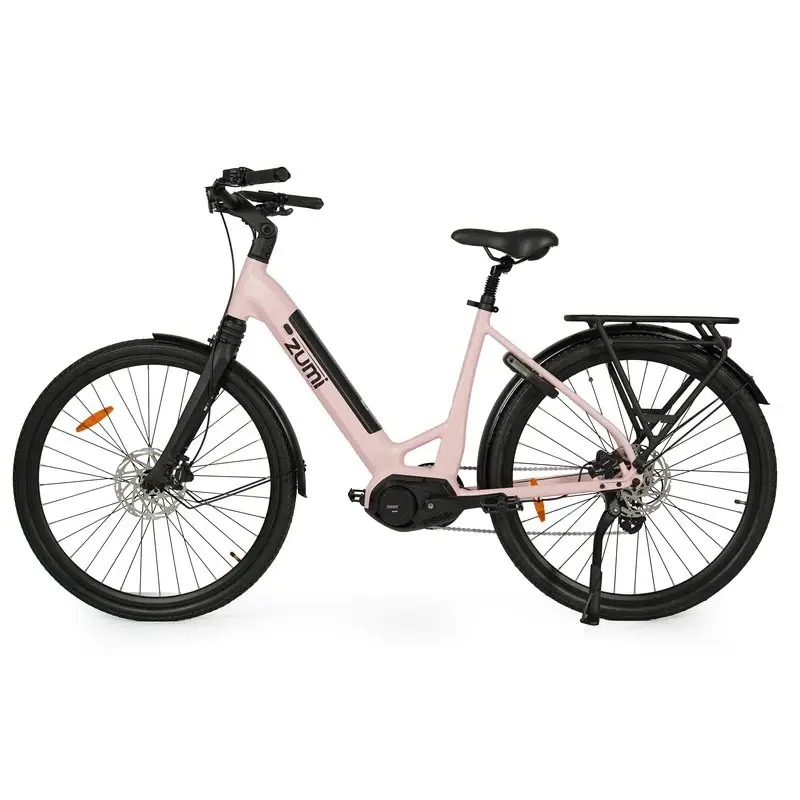
Fix time zones, language gaps, and unclear protocols—boost speed, cut costs, and scale confidently.
2026/08/03
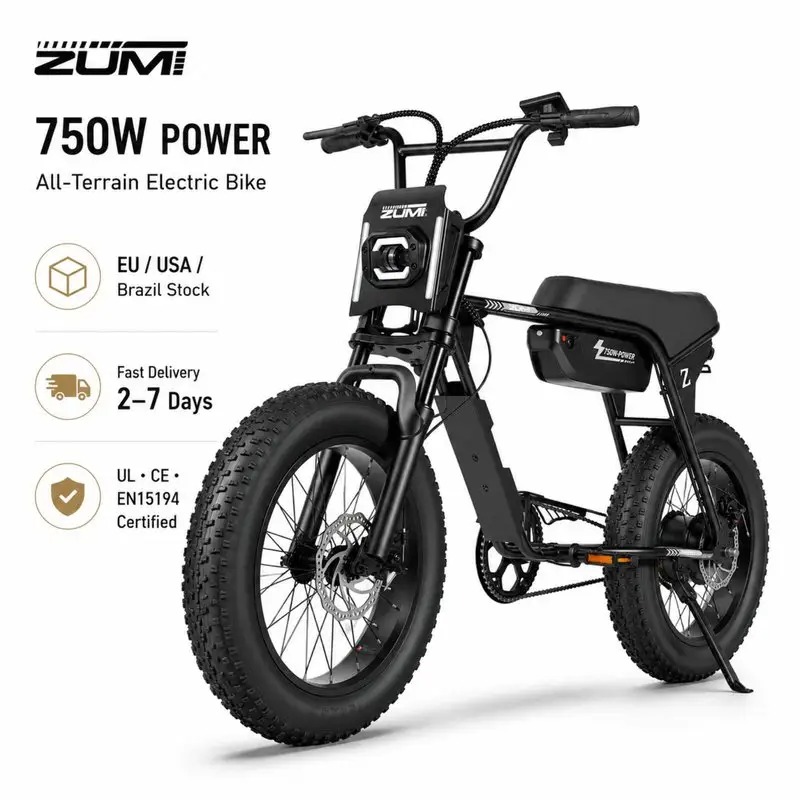
Avoid liability & import bans: Learn IEC 62619, UN 38.3, and UL 2271—plus how to verify real compliance (not fakes).
2026/08/03
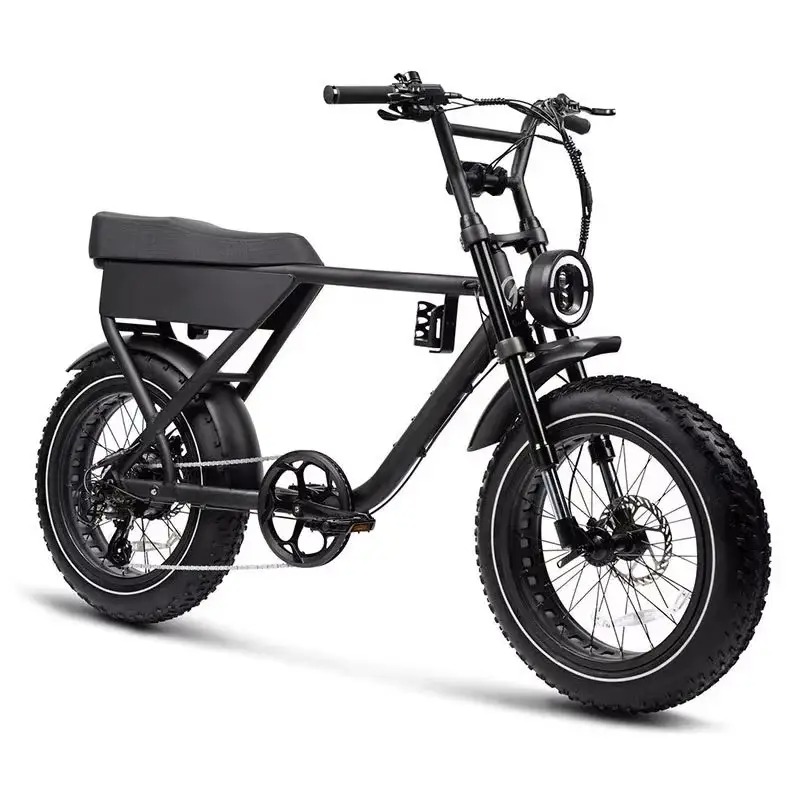
Learn precise air pressure, rebound & compression tuning for optimal suspension performance. Get pro-level setup tips now.
2026/08/03
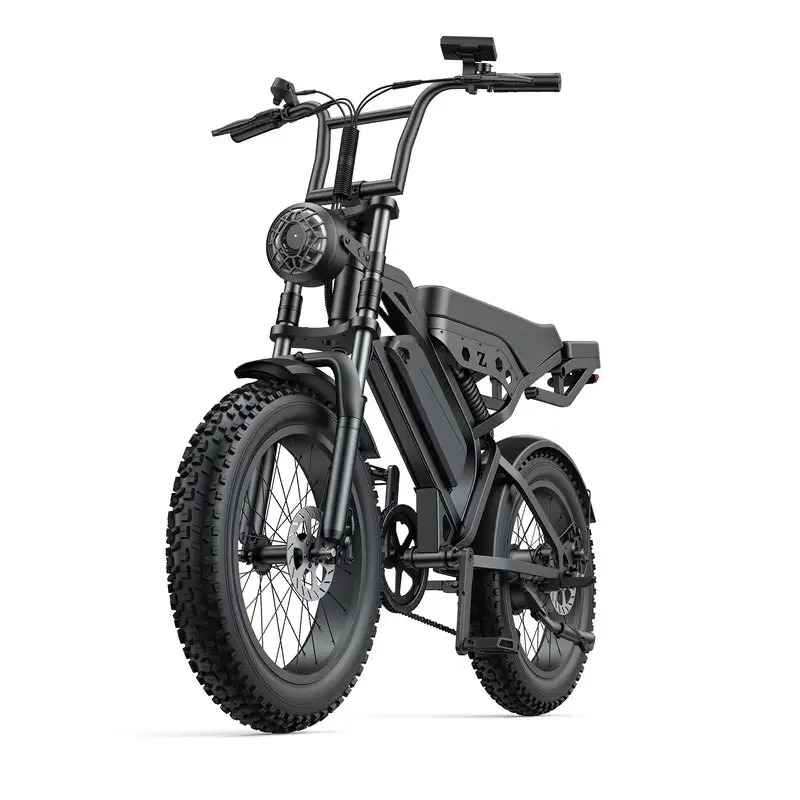
Discover how voltage drop saps performance—and proven fixes to restore responsiveness, range, and battery life. Read now.
2026/08/03
Discover data-backed protocols, smart infrastructure & operational fixes. Optimize now.
2026/08/03
How payload cuts 48V cargo ebike range by 15–50%+ — backed by real-world degradation curves, motor load science & fleet optimization strategies.
Comprehensive warranty, fast parts shipping, remote diagnostics and local dealer training


