 EN
EN
STEP 1
Full vehicle warranty for 2 years
2026/09/01
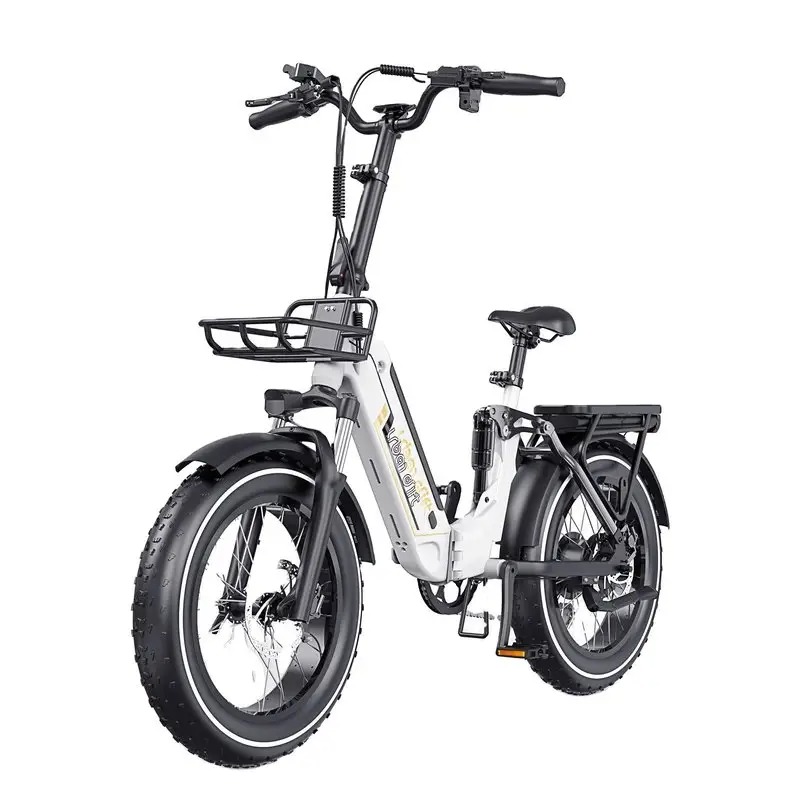
Motor clearance is one of the most critical yet often overlooked challenges when building or maintaining a full suspension electric bike. The combination of a powerful motor mounted near the frame, rear wheel suspension components, and chain-drive mechanics creates a complex spatial puzzle that demands precision engineering and thoughtful design. When motor clearance is inadequate, the result can be catastrophic: chain contact with suspension links, motor housing rubbing against the frame under compression, or worse, complete failure during critical moments on the trail.
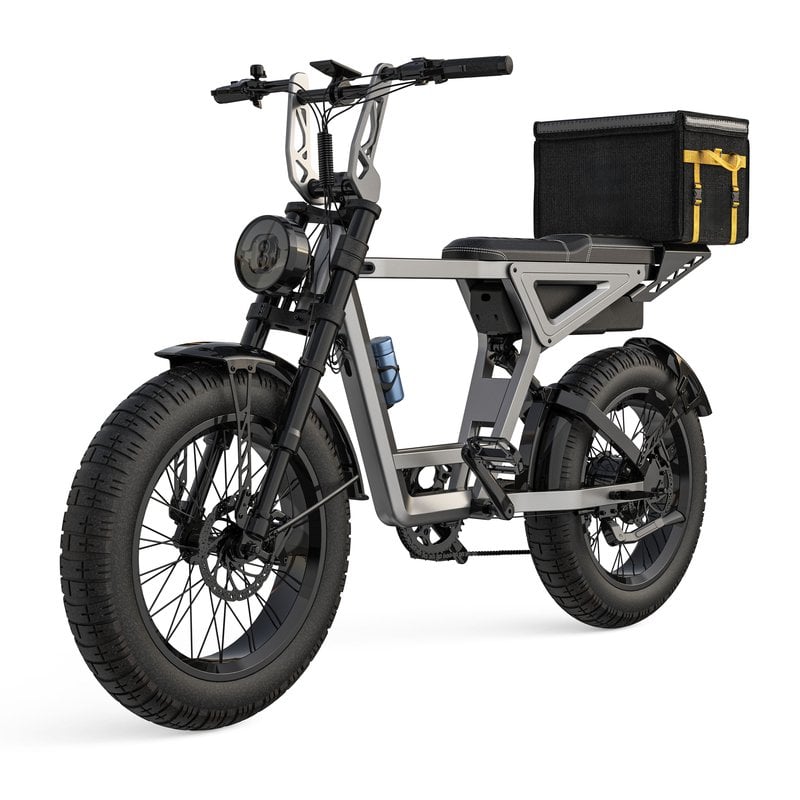
Understanding motor clearance challenges is essential for anyone investing in full suspension mountain ebikes or building a custom full suspension ebike mountain bike. Motor placement, suspension travel distance, and frame geometry all interact to determine whether your electric full suspension system functions reliably or becomes a source of constant maintenance headaches.
A full suspension electric bike differs fundamentally from hardtail electric bikes in how motor placement affects overall performance. The rear suspension mechanism—typically a linkage system that moves the rear wheel vertically—creates a dynamic envelope that shrinks and expands as the bike compresses and extends. When you mount a mid-drive or hub motor on this moving architecture, even a few millimeters of miscalculation can trigger contact between components.
The challenge becomes more acute with electric full suspension designs that prioritize compact motor housings and tight frame clearances to reduce weight and improve aesthetics. Manufacturers must balance motor displacement, suspension linkage geometry, and chain routing through a three-dimensional spatial puzzle.
Inadequate motor clearance on a full suspension electric bike produces several failure modes. Chain rub against suspension links generates friction, heat, and accelerated chain wear. Motor housing contact with the frame during compression causes paint damage, electrical connector strain, and potential water ingress.
The first step in diagnosing motor clearance issues on your full suspension ebike mountain bike is a thorough visual inspection. Compress the rear suspension fully by hand or apply your body weight to the seat while observing the space between the motor assembly and frame components. Look for contact marks, paint scrapes, or polished metal spots indicating repeated rubbing.
Mark the motor housing and suspension components with tape or marker, then cycle the suspension through its full range of motion. If tape marks are disturbed or show signs of contact, motor clearance requires immediate attention. Pay particular attention to chain line and derailleur cage clearance as well, since chain deflection under load can consume margin that appears adequate during static inspection.
Real-world riding reveals motor clearance problems that static inspection might miss. Listen for unusual clicking, rubbing, or grinding sounds that occur during acceleration or under suspension compression. These auditory cues often indicate contact before visible damage becomes apparent. On your full suspension mountain ebikes rides, pay attention to whether the rear suspension feels like it tracks smoothly through its full range or whether it seems to catch or bind at certain compression levels. Binding sensation often points to mechanical contact from motor clearance interference.
After rides, inspect the motor assembly and nearby frame for fresh contact marks or heat discoloration. On full suspension electric bikes where the motor works hard climbing steep terrain, heat generation from friction becomes noticeable.
The most direct solution for motor clearance issues involves repositioning the motor assembly to increase clearance margins. On full suspension mountain ebikes, this might mean adjusting the motor mounting plate forward or backward, higher or lower on the seat tube or down tube. Even small adjustments—5 to 10 millimeters—can create meaningful clearance improvements.
On some full suspension ebike mountain bike designs, motor rotation might increase clearance without actual repositioning. By rotating the motor assembly slightly around its mounting axis, you can redirect the housing away from contact points. This requires careful measurement and testing to ensure motor cooling air intake remains unobstructed and that connector accessibility isn't compromised.
Some full suspension electric bikes benefit from suspension tuning adjustments that reduce actual travel range in certain conditions. Increasing compression damping or adjusting high-speed compression settings can prevent the shock from bottoming excessively, effectively reducing the maximum compression envelope that must clear the motor.
Seat tube angle and rear triangle geometry are fixed design characteristics, but riders can modify how those geometries interact with motor placement through frame angle selection on adjustable designs. If your full suspension mountain ebikes frame allows seat tube angle adjustment or uses a flip-chip geometry option, experimenting with different configurations might reveal a position that naturally provides better motor clearance without sacrificing handling characteristics.
Chain path optimization represents another powerful approach for electric full suspension bikes. Routing the chain differently—higher, lower, or with additional chain guides—can eliminate contact points that complicate motor clearance. Some riders upgrade to chain guide systems designed specifically for full suspension mountain ebikes, which manage chain position across suspension travel ranges. On full suspension ebike mountain bike systems, adding a chainstay protector or chain tension device can redirect the chain away from motor housing while protecting components from debris and impacts.
Cassette selection also influences clearance. Using a cassette with fewer sprockets or different tooth count can shift the sprocket cluster position relative to the frame, sometimes providing additional motor clearance without other modifications. Verify that derailleur cage clearance remains adequate throughout the new range, and confirm that the gear ratios still support your intended riding terrain and motor output characteristics.
Quality full suspension mountain ebikes incorporate motor clearance as a primary design criterion from the earliest engineering stages. Manufacturers test motor clearance across entire suspension travel ranges using both static measurement and dynamic simulation. Well-designed full suspension electric bikes maintain minimum clearance specifications—typically 15 to 25 millimeters—between motor housing and suspension components even at maximum compression. These conservative clearance margins account for frame flex, suspension bushing wear, and manufacturing tolerances without sacrificing performance.
When selecting a new electric full suspension bike or custom-building your own, prioritize designs that explicitly document motor clearance specifications. Request detailed geometry drawings showing motor placement relative to suspension linkage and frame components at various suspension positions. Reputable manufacturers provide this information because clearance confidence directly impacts reliability and longevity.
Proper installation of motor systems on full suspension mountain ebikes prevents clearance problems that might otherwise appear after break-in or during warranty coverage. Follow all manufacturer specifications for motor mounting torque, shim placement, and bracket alignment. Even small deviations from specification—misaligned mounting brackets, loose fasteners, or incorrect spacer configurations—can shift motor position enough to compromise clearance margins.
After initial installation, recheck motor clearance after the first 50 kilometers of riding. Frame materials settle, fasteners can loosen slightly, and suspension components bed in during break-in. A follow-up clearance verification ensures that nothing has shifted into contact. Mark this recheck on your maintenance schedule as standard procedure for all full suspension electric bikes, regardless of brand or design.
Most quality full suspension mountain ebikes maintain at least 15 to 25 millimeters of clearance between motor housing and suspension components at maximum compression. This margin accommodates frame flex, component wear, and manufacturing tolerance stack-up over the bike's lifespan. Clearance below 10 millimeters represents high risk for contact under aggressive riding or frame material degradation.
Yes, repeated motor contact with suspension components can damage shock absorbers, linkage pivots, and bushings through impact and abrasion. On electric full suspension bikes, this damage typically manifests as fluid leaks from shocks, worn bushing surfaces, and premature component failure. Addressing motor clearance problems immediately prevents cascading damage that would require expensive shock replacement or complete rear triangle rebuilding.
Motor clearance becomes problematic primarily on poorly designed or low-cost full suspension mountain ebikes where engineering shortcuts compromise spacing. Well-engineered electric full suspension designs eliminate clearance issues through careful geometry planning and quality manufacturing. Reputable manufacturers invest in clearance testing precisely to prevent these problems, while discount-priced options often emerge with clearance failures discovered only after purchase and initial riding.
2026/08/03
Fix time zones, language gaps, and unclear protocols—boost speed, cut costs, and scale confidently.
2026/08/03
Avoid liability & import bans: Learn IEC 62619, UN 38.3, and UL 2271—plus how to verify real compliance (not fakes).
2026/08/03
Learn precise air pressure, rebound & compression tuning for optimal suspension performance. Get pro-level setup tips now.
2026/08/03
Discover how voltage drop saps performance—and proven fixes to restore responsiveness, range, and battery life. Read now.
2026/08/03
Discover data-backed protocols, smart infrastructure & operational fixes. Optimize now.
2026/08/03
How payload cuts 48V cargo ebike range by 15–50%+ — backed by real-world degradation curves, motor load science & fleet optimization strategies.
Comprehensive warranty, fast parts shipping, remote diagnostics and local dealer training


