 EN
EN
STEP 1
Full vehicle warranty for 2 years
2026/08/28
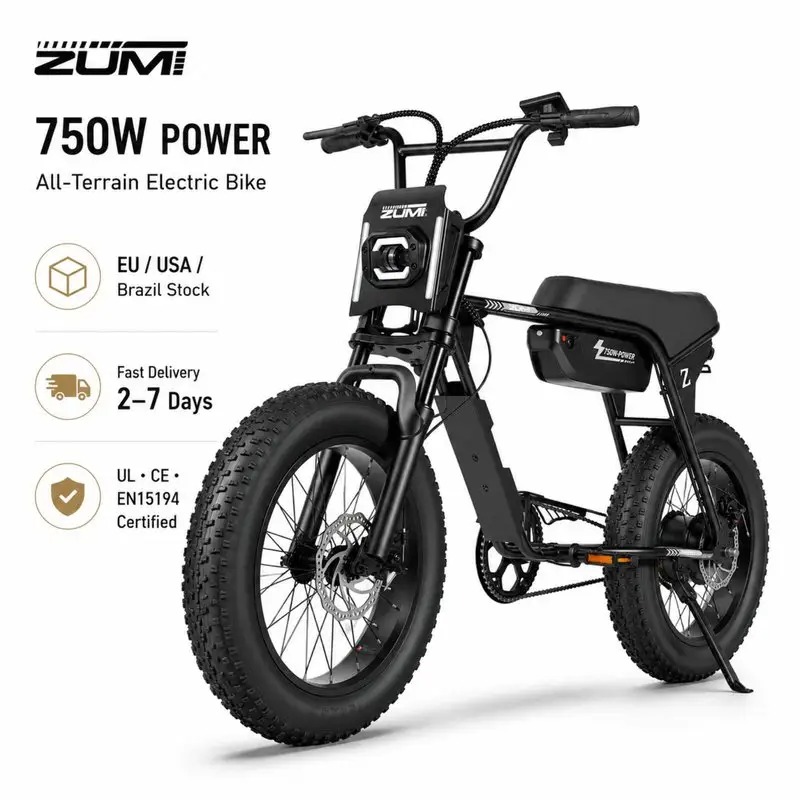
Developing new models at a fat tire electric bike factory involves navigating complex prototype variations that can derail timelines and budgets. When engineers and manufacturers work together to refine designs, small differences in component selection, frame geometry, and battery specifications create branching product lines that demand careful orchestration. Understanding how to solve prototype variations is essential for any fat tire electric bike factory aiming to bring reliable products to market without excessive cost or delay.
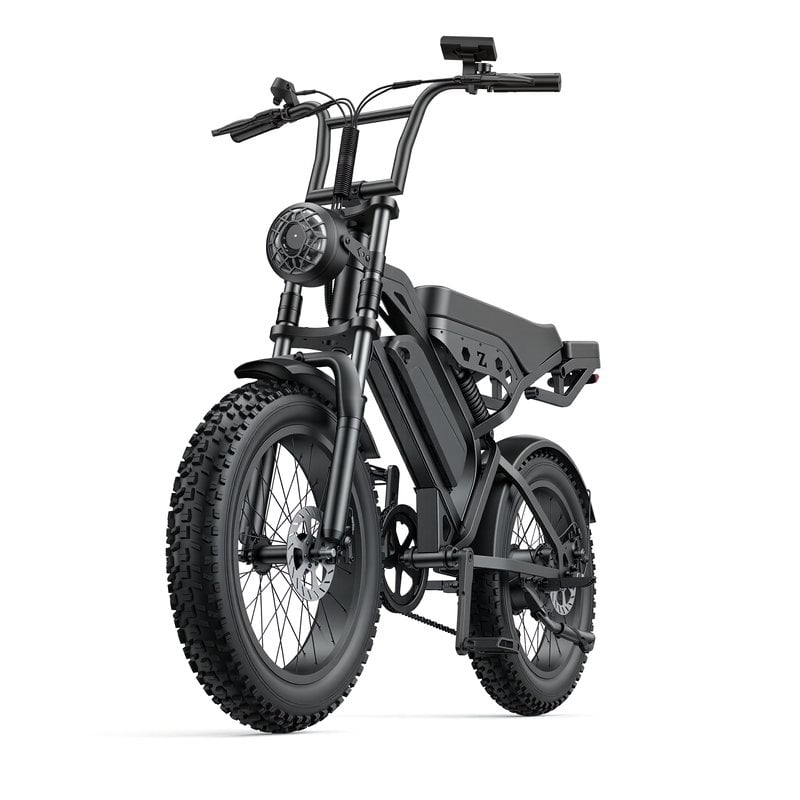
The challenge of prototype variations extends beyond simple design tweaks. An ebike factory must manage multiple iterations across motor power ratings, suspension options, frame materials, and aesthetic finishes simultaneously. Each variation introduces testing requirements, supplier coordination challenges, and inventory risks that multiply quickly without structured control systems. This article explores practical strategies that transform prototype chaos into manageable development workflows.
A fat tire ebike requires systematic tracking of every prototype variant introduced during development. The electric bike manufacturer must establish clear categories: base design, approved modifications, experimental features, and customer-specific requests. By creating a variation hierarchy, teams prevent duplicate work and maintain visibility into what has been tested and validated. Documentation systems should track each variation's origin, purpose, testing status, and decision point for advancement to production.
Design control at an ebike factory begins with a master product specification that defines performance targets, regulatory compliance requirements, and cost boundaries. Each prototype variant must reference this master specification and clearly identify which parameters deviate and why. This disciplined approach prevents scope creep and ensures that variations serve a strategic purpose rather than accumulating through informal requests.
Every component drawing, assembly instruction, and electrical schematic must carry version numbers linked to specific prototype builds. An electric bike manufacturer that loses track of which version was tested and when cannot make reliable decisions about design changes. Implementing a centralized design repository with change logs creates an audit trail that protects against costly rework and regulatory questions. When a fat tire electric bike factory receives feedback from field testing, version control ensures the correct design iteration receives analysis.
Configuration management tools help ebike factory teams assign unique identifiers to each prototype build, recording which components, firmware versions, and assembly procedures were used. This traceability becomes invaluable when comparing performance data or troubleshooting failures across variations. Customer feedback, test results, and engineering notes all link back to the exact configuration, accelerating root cause analysis and preventing similar issues in future variants.
Rather than testing all prototype variations simultaneously, a fat tire ebike should pass through staged validation gates. The first gate examines basic functionality: motor performance, battery integration, braking effectiveness, and frame integrity. Only prototypes meeting these baseline criteria advance to the second gate, which evaluates durability under extended use, component reliability, and manufacturing feasibility. The final gate focuses on regulatory compliance, user experience refinement, and production readiness. This tiered approach prevents wasting resources on variations that fail early and concentrates investment on the most promising candidates.
Each testing gate produces standardized data collected and compared across all active prototypes. An ebike factory that documents performance metrics consistently can identify which design variations genuinely outperform alternatives and which offer marginal improvements insufficient to justify production complexity. Testing protocols for a fat tire electric bike factory should include real-world conditions: steep climbs, rough terrain, temperature extremes, and extended range cycles that stress components under realistic demands.
Running select prototypes through parallel tests accelerates decision-making without compromising rigor. An electric bike manufacturer can assign different variations to independent test teams, each using standardized procedures and reporting formats. This parallel approach reveals performance differences quickly and generates comparative data that informs design selections. However, the fat tire ebike factory must ensure that parallel testing remains controlled: same test environment, same measurement tools, same evaluation criteria, and same time duration.
Customer beta testing programs add real-world validation that laboratory settings cannot replicate. Recruiting a diverse group of riders who use fat tire ebikes across varied terrain and climate conditions provides feedback on prototype comfort, reliability, and usability. An ebike factory should structure beta programs with clear reporting templates and feedback schedules, transforming anecdotal impressions into actionable design insights. Variations that perform well in beta testing gain momentum toward production, while those struggling in field conditions can be refined or abandoned.
Each prototype variation of a fat tire electric bike factory requires its own bill of materials specifying exact components, quantities, and supplier sources. Managing dozens of variant BOMs without discipline creates supplier confusion, inventory nightmares, and production delays. An electric bike manufacturer must use systematic tools that link each BOM to a specific design version, track component sourcing options, and highlight commonalities across variants. When variations share the same motor, battery pack, or suspension system, the fat tire ebike factory can consolidate purchasing, negotiate better pricing, and simplify inventory.
Supplier communication becomes critical when a fat tire electric bike factory manages multiple prototype variants. Each variant may require different lead times, minimum orders, or technical specifications from component vendors. The ebike factory must inform suppliers early which variants are moving toward production, which remain experimental, and which are being discontinued. This transparency allows suppliers to prepare manufacturing capacity, schedule tooling changes, and adjust inventory plans accordingly. Poor supplier alignment often becomes the hidden culprit behind delayed prototype launches and unexpectedly high costs.
Not every prototype variation that works in development proves practical to manufacture at scale. An electric bike manufacturer must evaluate each variant's production feasibility during the design phase, not after tooling investment. Feasibility assessments examine assembly sequence efficiency, fixture and tooling requirements, quality control checkpoint placement, and packaging complexity. A fat tire ebike that requires custom jigs for just one variant configuration may justify the investment if volume justifies it, but a marginal performance gain does not. The fat tire electric bike factory should involve manufacturing engineers early so they flag design features that create production bottlenecks or quality risks.
Cost analysis tied to production volume shapes which prototype variations advance to manufacturing. An ebike factory calculates the per-unit manufacturing cost for each variant at planned volume levels, identifying which configurations deliver the best value proposition. Variations requiring expensive custom components or complex assembly steps face higher hurdles. The fat tire ebike factory uses this cost-benefit analysis to make disciplined decisions: pursuing only those prototype variations that deliver meaningful customer benefits, competitive advantages, or market differentiation sufficient to offset manufacturing complexity.
Most ebike factories manage between three and eight active prototype variations during development, each exploring different strategic directions. Managing more than ten variations simultaneously creates administrative burden without generating meaningful comparative data. An electric bike manufacturer should focus on variations that address distinct market segments, performance classes, or regulatory markets rather than minor tweaks within the same category.
Design specifications, testing results, configuration records, and cost analysis form the essential documentation core. A fat tire ebike factory must maintain complete traceability linking test data back to exact design versions. Electronic change logs, component sourcing records, and supplier communications complete the documentation framework needed to make informed production decisions.
Yes, engaging suppliers during initial design phases helps identify components that offer multiple performance options within the same platform. An ebike factory working with motor and battery suppliers early can often select modular components supporting several prototype configurations. Early supplier collaboration also reveals manufacturing constraints that would otherwise create costly redesigns, allowing the fat tire ebike factory to optimize designs for both performance and producibility.
2026/08/03
Fix time zones, language gaps, and unclear protocols—boost speed, cut costs, and scale confidently.
2026/08/03
Avoid liability & import bans: Learn IEC 62619, UN 38.3, and UL 2271—plus how to verify real compliance (not fakes).
2026/08/03
Learn precise air pressure, rebound & compression tuning for optimal suspension performance. Get pro-level setup tips now.
2026/08/03
Discover how voltage drop saps performance—and proven fixes to restore responsiveness, range, and battery life. Read now.
2026/08/03
Discover data-backed protocols, smart infrastructure & operational fixes. Optimize now.
2026/08/03
How payload cuts 48V cargo ebike range by 15–50%+ — backed by real-world degradation curves, motor load science & fleet optimization strategies.
Comprehensive warranty, fast parts shipping, remote diagnostics and local dealer training


