 EN
EN
STEP 1
Full vehicle warranty for 2 years
2026/08/25
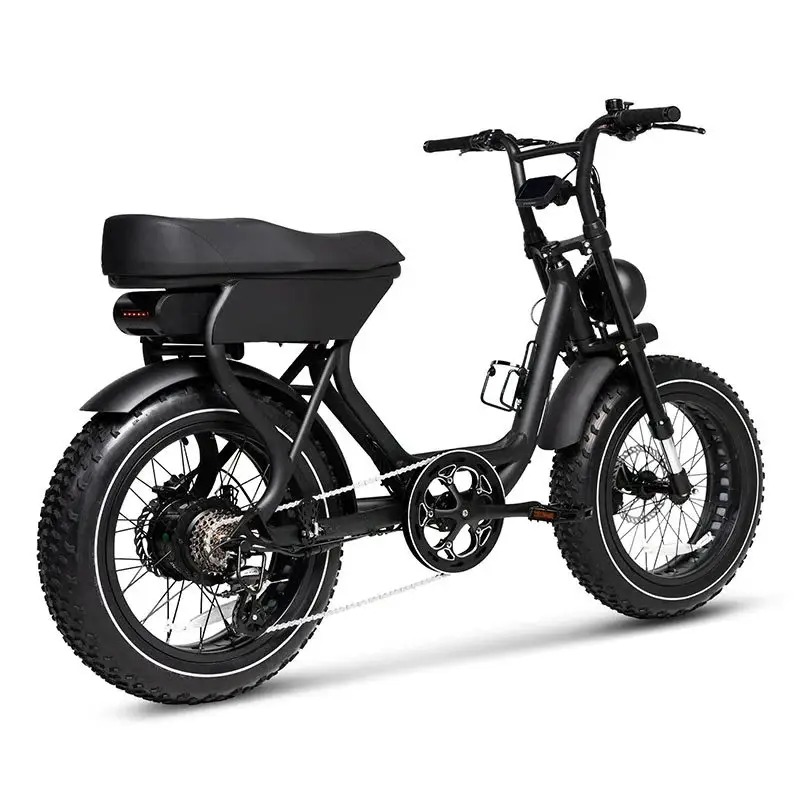
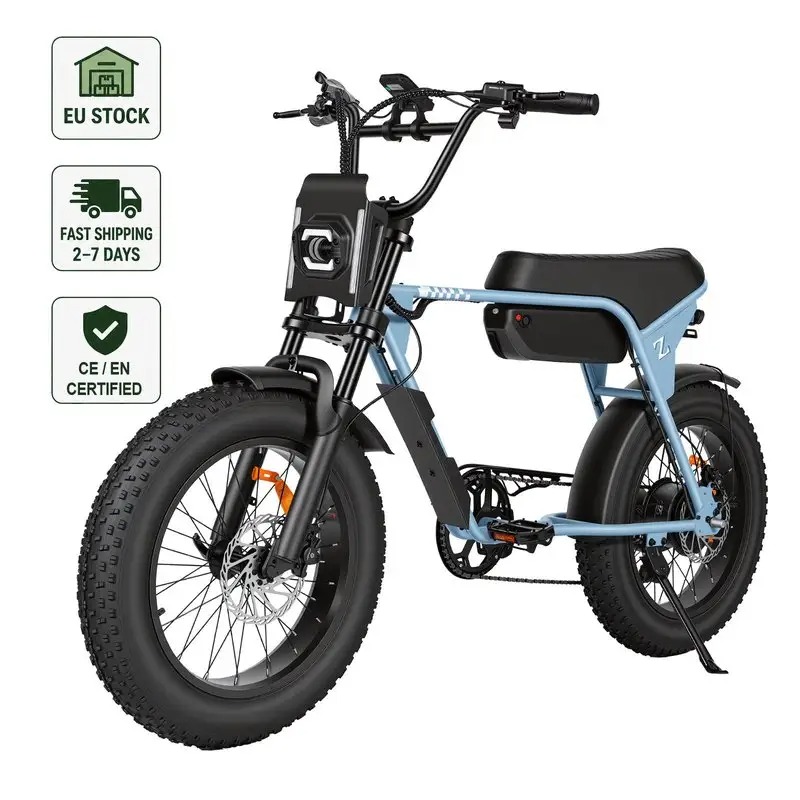
Sand intrusion represents one of the most damaging mechanical challenges faced by riders of a 1000w fat tire ebike. When fine sand particles penetrate the drivetrain system, they accelerate wear on critical components including chain, sprockets, cassettes, and bearings. This grinding action creates friction that reduces efficiency, increases power consumption, and ultimately shortens the lifespan of expensive drivetrain parts. Understanding the mechanisms of sand intrusion and implementing preventive measures is essential for maintaining peak performance and reliability of your electric fat bike.
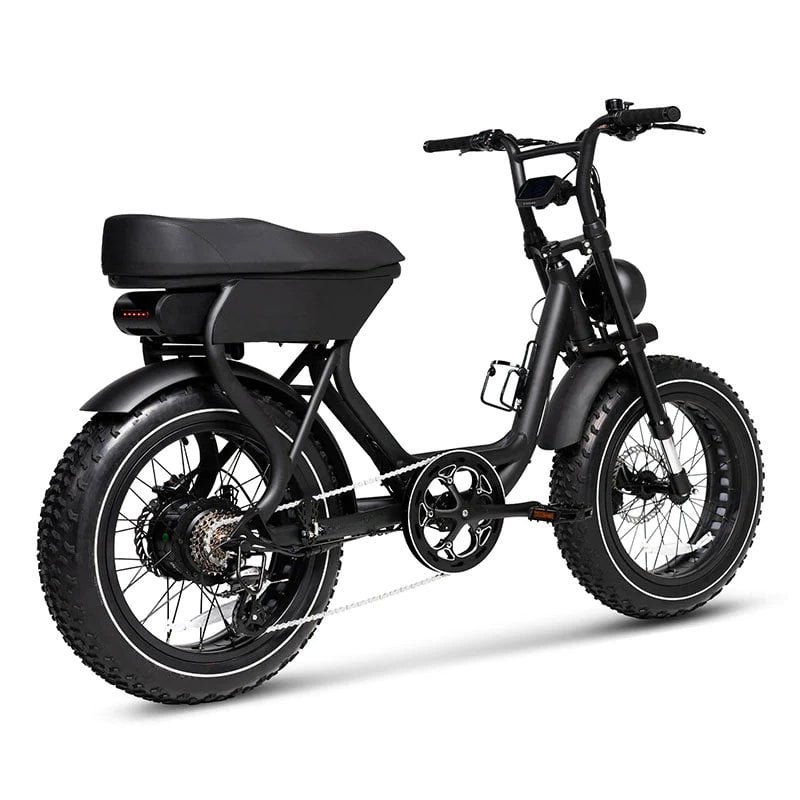
The 1000w ebike platform demands heightened protection against environmental contaminants because the powerful motor systems and sophisticated electrical components are coupled with mechanical drivetrains that are particularly vulnerable to debris. Fat tire ebike designs inherently collect more sand and dirt due to their lower ground clearance and wider tire profiles that displace material during operation. Recognizing early warning signs of sand contamination and addressing them immediately can prevent catastrophic drivetrain failure and maintain the performance advantages that make electric fat bikes so popular for off-road exploration.
Sand enters the drivetrain through multiple pathways on any 1000w ebike. The primary entry point is the chain line, where sand particles work their way between the chain links and sprockets during pedaling and motor assistance. The cassette housing, rear derailleur mechanism, and chain rings all present gaps where abrasive material can accumulate. Front chain guards offer partial protection, but manufacturers of fat tire ebike models often design these guards for aerodynamics rather than complete contamination exclusion. Water spray combined with sand creates a slurry that penetrates deeper into mechanical systems, particularly in sealed bearings and between closely fitted components.
Riding conditions directly determine contamination severity on your electric fat bike. Coastal environments, desert terrain, sandy beaches, and dry climates expose drivetrains to constant sand exposure. Wet sand followed by dry conditions hardens into an abrasive paste that causes accelerated wear. Winter riding in salted, sandy conditions compounds the problem by introducing corrosive minerals alongside abrasive particles. The 1000w fat tire ebike's higher speeds and powerful motor assistance mean sand particles are forced deeper into mechanical interfaces at greater velocity than traditional bicycles, creating more aggressive wear patterns. Seasonal transitions, particularly spring when roads are still treated with sand-salt mixtures, present especially challenging contamination periods.
Sand intrusion on a fat tire ebike follows a predictable damage progression. Initially, riders notice increased friction in the drivetrain, causing efficiency loss despite full motor power. The chain begins slipping intermittently under load, and pedal resistance increases noticeably. Within weeks of regular riding in sandy conditions, the chain elongates from accelerated wear, sprockets develop hooked teeth, and cassette cogs become unevenly worn. The 1000w ebike's higher torque output accelerates this timeline dramatically compared to manual bicycles. Bearings in the bottom bracket, wheel hubs, and derailleur pulleys develop grinding sensations and audible noise. Eventually, catastrophic failure occurs when a chain snaps, a cassette tooth breaks, or a bearing seizes completely, potentially causing loss of power transfer or wheel lockup during critical riding moments.
Sand contamination indirectly affects the electrical systems of your 1000w ebike. As mechanical efficiency drops due to drivetrain friction and wear, the motor works harder to maintain speed and acceleration, drawing increased current from the battery. A sandy drivetrain can reduce overall system efficiency by 15 to 25 percent, directly reducing range and battery life. Riders compensate for sluggish acceleration by demanding higher power levels, stressing electrical components and accelerating battery degradation. On a fat tire ebike with a 1000w motor, this compounding effect creates a vicious cycle where mechanical contamination becomes an electrical system drain, ultimately shortening both component lifespan and practical riding range.
Proactive protection begins with aftermarket drivetrain guards and chain covers specifically designed for electric fat bike applications. Heavy-duty chain guards that extend full coverage around the sprocket area can reduce sand ingestion by 70 to 80 percent. Full-coverage chainstay protectors shield the chain line from direct sand spray during off-road riding. Sealed bearing assemblies, when available for your electric fat bike model, provide superior protection compared to open bearing designs. For the 1000w ebike enthusiast, investing in a complete drivetrain enclosure system pays dividends through extended component life and reduced maintenance frequency. Fender upgrades that maximize mud and sand deflection further reduce contamination exposure, particularly important on fat tire ebike designs where tire width creates additional spray patterns.
Regular maintenance on a 1000w fat tire ebike requires more frequent drivetrain cleaning than standard bicycles. After riding in sandy conditions, immediate chain and sprocket cleaning prevents sand from grinding into metal during storage. Use high-pressure water spray cautiously on a fat tire ebike, as excessive pressure forces sand deeper into sealed components; a gentle rinse followed by manual debris removal with a soft brush proves most effective. Dry the drivetrain thoroughly before applying fresh lubricant, as trapped moisture combined with sand creates corrosive paste. Every 100 to 150 miles of sandy condition riding, perform a complete drivetrain degreasing on your 1000w ebike using biodegradable degreasers that lift embedded particles without damaging seals. Follow with comprehensive re-lubrication using quality chain lubricants designed for wet or dry conditions matching your riding environment. Inspect chain wear monthly using a chain stretch tool; the 1000w ebike's torque characteristics accelerate wear rates, so premature replacement often prevents more expensive cascading failures.
Damage progression depends on riding frequency and environmental exposure. In heavy sand exposure with weekly use, noticeable performance degradation appears within 3 to 6 weeks on a 1000w fat tire ebike. Casual monthly riding in sandy conditions might extend this timeline to 4 to 8 months. However, even minimal sand exposure creates cumulative damage, so preventive maintenance proves far more cost-effective than reactive repairs of a damaged drivetrain system.
Sealed bearings significantly reduce but cannot completely eliminate sand intrusion on a fat tire ebike. Premium sealed bearing assemblies reduce contamination by 80 to 90 percent compared to open designs, but sand can still migrate into mechanical systems through the chain line and cassette housing. Sealed bearings work best when combined with protective guards, regular cleaning protocols, and quality lubrication practices for optimal drivetrain protection on your 1000w ebike.
Preventive maintenance costs between $50 to $150 annually for protective accessories and regular cleaning supplies. Neglecting prevention typically results in complete drivetrain replacement costing $400 to $800 within 18 to 24 months on a 1000w fat tire ebike. Additionally, reduced efficiency from contaminated drivetrains increases motor strain, potentially shortening battery lifespan by 20 to 30 percent, adding $200 to $400 in premature battery replacement costs over the bicycle's operational life.
2026/08/03
Fix time zones, language gaps, and unclear protocols—boost speed, cut costs, and scale confidently.
2026/08/03
Avoid liability & import bans: Learn IEC 62619, UN 38.3, and UL 2271—plus how to verify real compliance (not fakes).
2026/08/03
Learn precise air pressure, rebound & compression tuning for optimal suspension performance. Get pro-level setup tips now.
2026/08/03
Discover how voltage drop saps performance—and proven fixes to restore responsiveness, range, and battery life. Read now.
2026/08/03
Discover data-backed protocols, smart infrastructure & operational fixes. Optimize now.
2026/08/03
How payload cuts 48V cargo ebike range by 15–50%+ — backed by real-world degradation curves, motor load science & fleet optimization strategies.
Comprehensive warranty, fast parts shipping, remote diagnostics and local dealer training


