 EN
EN
STEP 1
Full vehicle warranty for 2 years
2026/08/04
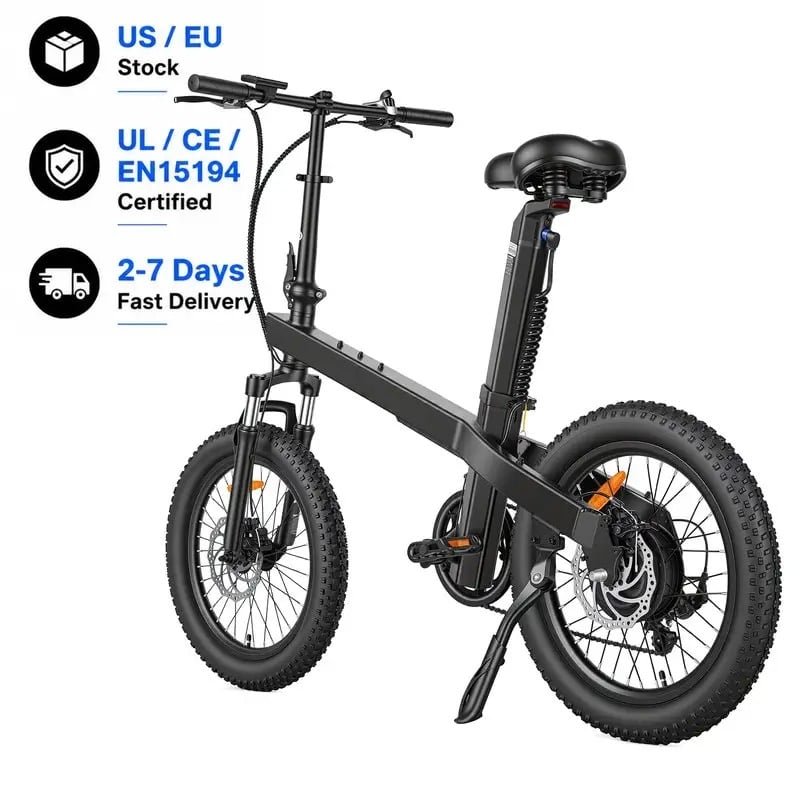
Shipment delays have become a persistent challenge for retailers and distributors working with overseas electric fat bike manufacturers. When products are stuck in transit or warehouses, cash flow suffers, customer satisfaction drops, and market opportunities vanish. The complexity of international logistics, combined with manufacturing lead times and customs procedures, creates a perfect storm of inefficiency that leaves businesses scrambling to meet demand.
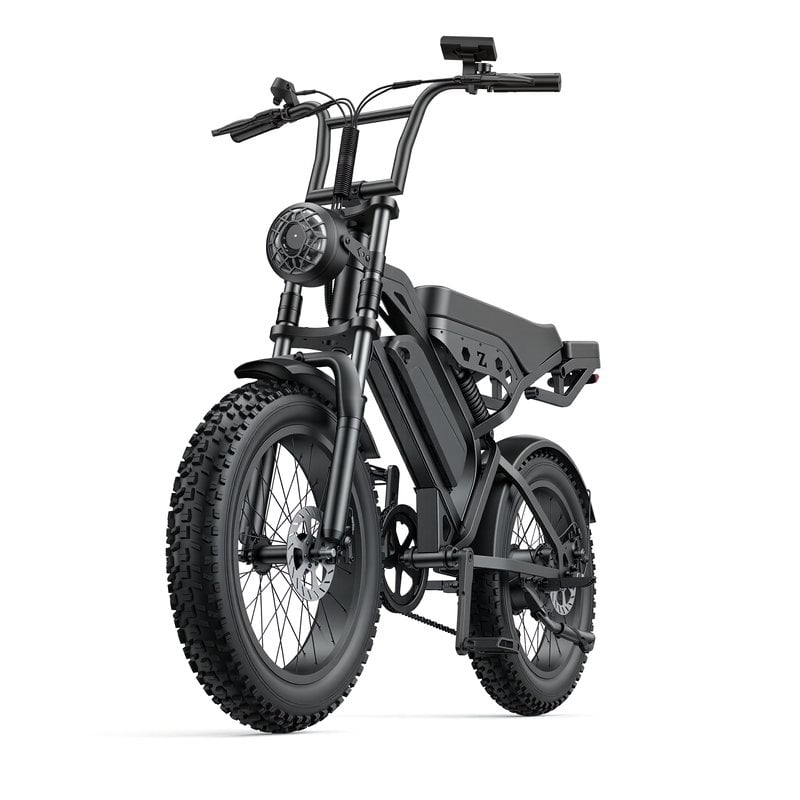
Solving these delays requires a multifaceted approach that addresses production scheduling, logistics coordination, and communication protocols with your fat tire ebike partners. By implementing strategic changes at every stage of the supply chain, businesses can dramatically reduce wait times and ensure consistent product availability. This guide explores practical solutions that experienced importers use to accelerate shipments from overseas ebike factory operations.
Most delays originate at the ebike manufacturer level before products ever leave the facility. An ebike factory managing multiple customer orders simultaneously may deprioritize shipments from smaller accounts or experience production bottlenecks when component suppliers fail to deliver on schedule. Raw material shortages, equipment maintenance, and workforce capacity constraints all contribute to extended production cycles. When you place orders without clear production timelines and milestone tracking, manufactured units can sit in holding areas for weeks before export preparation begins.
Communication gaps between your team and the ebike factory often mask these delays until it's too late to implement corrective action. Many manufacturers provide vague estimated ship dates rather than detailed production schedules. Without real-time visibility into production stages, you cannot anticipate problems or make proactive adjustments. Establishing direct relationships with production managers and requesting weekly status updates transforms this visibility gap into actionable intelligence.
Even when fat tire ebike units leave the factory on schedule, international logistics introduces unpredictable delays. Port congestion, container availability, and shipping line schedules create bottlenecks that compress lead times. Customs clearance represents another critical bottleneck where documentation errors or compliance issues can halt shipments for days or weeks. Import tariffs, product certifications, and regulatory requirements vary significantly by destination country, and incomplete paperwork forces costly delays and rework.
The lack of coordination between the ebike manufacturer, freight forwarder, and customs broker means each party operates independently without optimizing the entire journey. Shipments may arrive at ports only to discover that import documentation hasn't been filed. Container tracking often shows goods in transit but provides no information about remaining steps or potential obstacles ahead.
The most effective path to faster shipments begins with establishing direct production monitoring between your company and the ebike factory. Rather than relying on email updates, request real-time access to production dashboards or weekly video conference check-ins that allow you to see manufacturing progress firsthand. When you can observe which fat tire ebike units are in assembly, testing, or packaging stages, you gain early warning of any delays and can make informed decisions about expedited shipping or order adjustments.
Negotiate production slot guarantees with your electric fat bike manufacturers that commit to minimum lead times and prioritize your shipments during peak seasons. Some factories offer production priority programs for larger or long-term orders, ensuring your ebike units move through assembly queues faster. These arrangements typically cost slightly more but pay dividends through consistent delivery performance that strengthens your ability to serve customers reliably.
Coordinate with a specialized freight forwarder experienced in ebike imports before products ship from the factory. A knowledgeable forwarder can identify documentation requirements, tariff classifications, and regulatory compliance issues months in advance, ensuring nothing delays customs clearance. They maintain relationships with shipping lines and can often access container space when general availability appears tight. Request that your ebike manufacturer provide pre-shipment data to customs brokers in your destination country, allowing parallel processing while goods remain in transit.
Consolidate shipments strategically to balance speed against cost. Smaller orders might justify air freight if time-to-market is critical, while regular bulk shipments benefit from ocean freight cost savings. Your electric fat bike manufacturers can coordinate with your logistics partners to align production batches with available shipping slots, preventing situations where finished ebike inventory waits weeks for the next available container departure.
Relying on a single ebike factory creates vulnerability to delays that cascade throughout your entire operation. Identify secondary or tertiary sources for critical ebike models, even if unit costs run slightly higher. When your primary fat tire ebike manufacturer experiences unexpected delays, activating alternate production sources ensures customer orders ship on schedule. This approach requires upfront investment in qualifying additional suppliers, but the cost of expedited shipping to recover from delays typically exceeds that investment within two to three incidents.
Maintaining strategic inventory buffers at regional distribution points also cushions against shipping delays. Rather than ordering just-in-time from overseas ebike factory suppliers, holding 30 to 45 days of buffer stock allows you to fulfill unexpected demand spikes while waiting for restocked inventory to arrive. This inventory strategy trades carrying cost against the revenue loss and customer satisfaction damage caused by stockouts.
Establish clear metrics that measure performance with your electric fat bike manufacturers and logistics partners. Track production lead time, days from factory shipment to port departure, ocean transit time, and customs clearance duration. Compare actual performance against promised lead times for each ebike manufacturer and identify which facilities consistently underperform. When you present data-backed evidence to underperforming suppliers, they understand that reliability directly impacts order allocation and have motivation to improve.
Create monthly performance reviews with your ebike factory partners where delays are discussed transparently and collaborative solutions are developed. Rather than switching suppliers over occasional delays, work with manufacturers to identify root causes and implement corrective actions. Many ebike producers value stable customer relationships and will invest in process improvements when they understand the business impact of delays.
When delays occur despite preventive measures, having predetermined contingency protocols minimizes business impact. Establish tiered responses based on delay magnitude: minor delays might be absorbed through inventory buffer depletion, moderate delays trigger customer communication and order consolidation decisions, and severe delays activate alternate supplier activation. Document these protocols and communicate them to all stakeholders so when unexpected situations arise, everyone responds consistently and quickly rather than through reactive firefighting.
Regular communication with customers during delay events builds trust and prevents reputational damage. Transparent updates about restocking timelines and alternate product availability keep customers engaged rather than frustrated by radio silence. Many customers will wait longer for reliable communication than they will for delayed products with no explanation.
Start by requesting detailed production schedules and capacity information from your fat tire ebike supplier. Offer higher volume commitments in exchange for production priority and guaranteed lead times. Position your business as a reliable customer committed to consistent reorders rather than opportunistic spot purchases. Many ebike factories offer expedited production services for premium pricing, completing orders in 50% less time than standard lead times. Ask specifically about these options and whether production costs increase proportionally or include premium surcharges that make acceleration economically viable.
Work with your customs broker and the ebike manufacturer to ensure certificates of origin, commercial invoices, bills of lading, and product specifications are completed before shipment. Include detailed HS codes, component descriptions, and value declarations that customs officers require. Some countries mandate specific certifications or testing reports for electric bicycles, so verify these requirements months before ordering. Request that your ebike factory includes this documentation with the shipment and provide copies to your broker and freight forwarder immediately after production completes.
Absolutely. Diversifying across multiple electric fat bike manufacturers provides business continuity when one supplier faces production challenges or logistics disruptions. Start by qualifying a primary manufacturer based on cost and reliability, then develop relationships with a secondary supplier for backup production capacity. Split orders strategically so both ebike factories maintain sufficient volume to prioritize your requests. This approach costs more in upfront qualification efforts but eliminates the catastrophic risk of single-source dependency that can cripple operations when delays occur.
2026/08/03
Fix time zones, language gaps, and unclear protocols—boost speed, cut costs, and scale confidently.
2026/08/03
Avoid liability & import bans: Learn IEC 62619, UN 38.3, and UL 2271—plus how to verify real compliance (not fakes).
2026/08/03
Learn precise air pressure, rebound & compression tuning for optimal suspension performance. Get pro-level setup tips now.
2026/08/03
Discover how voltage drop saps performance—and proven fixes to restore responsiveness, range, and battery life. Read now.
2026/08/03
Discover data-backed protocols, smart infrastructure & operational fixes. Optimize now.
2026/08/03
How payload cuts 48V cargo ebike range by 15–50%+ — backed by real-world degradation curves, motor load science & fleet optimization strategies.
Comprehensive warranty, fast parts shipping, remote diagnostics and local dealer training


