 EN
EN
STEP 1
Full vehicle warranty for 2 years
2026/08/03
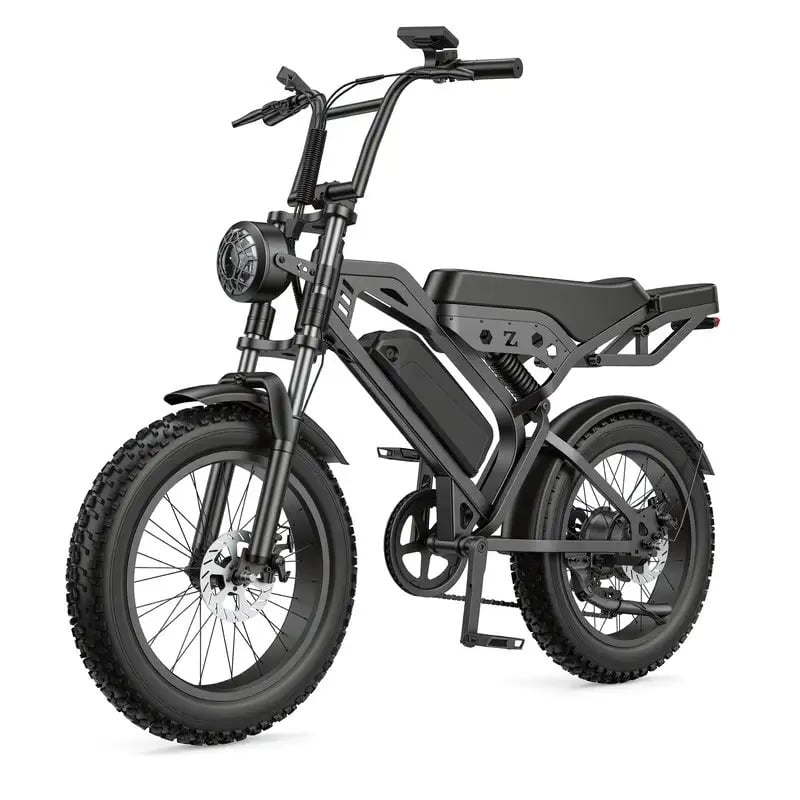
Designing custom made electric bikes requires careful attention to numerous mechanical and structural considerations, and tire clearance stands as one of the most critical challenges that engineers and builders face during the design phase. When developing a custom ebike, inadequate tire clearance can lead to rubbing, poor handling, accelerated wear, and potential safety issues. Understanding how to calculate and optimize tire clearance from the beginning of your design process is essential for delivering a functional, reliable product that riders will trust and enjoy.
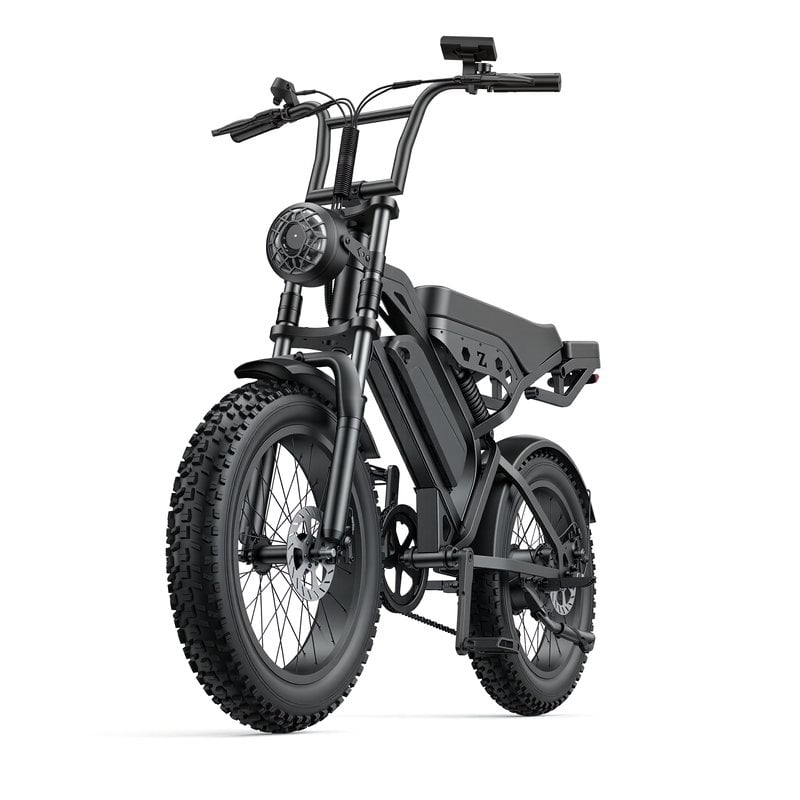
For any ebike manufacturer or ebike builder working on custom designs, tire clearance involves managing the space between the tire and frame, fork, brakes, and drivetrain components under all riding conditions. This becomes especially complex when designing custom ebike models with larger tires, suspension systems, or unconventional geometries. A well-executed clearance strategy prevents costly frame redesigns, manufacturing errors, and field complaints after production begins.
Tire clearance calculations require both static and dynamic analysis. Static clearance refers to the space between the tire and frame components when the bike is at rest with no load. Dynamic clearance accounts for tire flex, suspension compression, fork dive under braking, and frame flex during acceleration or climbing. An ebike builder must measure clearance at multiple points along the tire circumference, including the widest section of the tread, because tire sidewalls can expand slightly under load and lateral forces.
For custom made electric bikes, a typical minimum clearance specification ranges from 6 to 12 millimeters at the closest point when the bike is under load. This buffer accounts for manufacturing tolerances in frame construction, tire variations between production batches, and unexpected flex. An ebike manufacturer should add safety margins of at least 5 millimeters beyond this minimum to account for real-world variables and ensure the design remains robust across different tire brands and models.
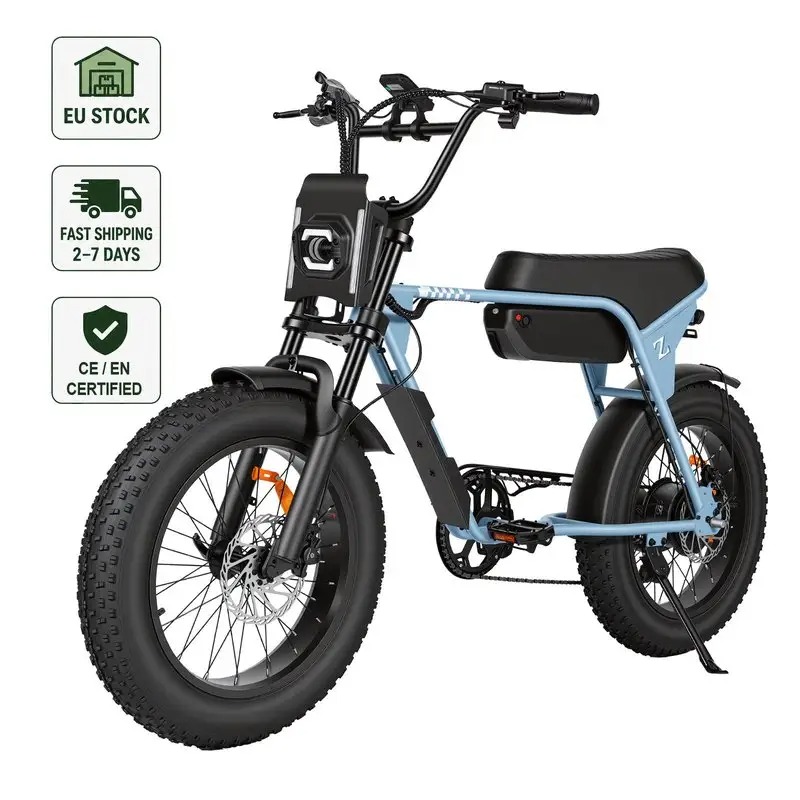
The tire size directly influences clearance complexity. Fat tire electric bikes require substantially more frame clearance than standard designs, often forcing custom ebike builders to widen the chainstays or adjust the overall frame geometry. When an ebike manufacturer selects a tire diameter and width, they must verify clearance at the seat tube, chainstays, seatstays, fork crown, and brake caliper areas. Wider tires can also affect bottom bracket height and pedal clearance, adding another layer of constraint to the design.
Tire sidewall construction also matters significantly. Some tire designs have stiffer sidewalls that maintain their shape under load, while others bulge outward, requiring larger clearance margins. Custom ebike designers should test actual tire samples during the prototype phase to verify real-world measurements rather than relying solely on manufacturer specifications, which often represent minimum values without accounting for sidewall expansion.
Chainstay length is one of the most constrained design parameters for custom made electric bikes because it must balance tire clearance with handling characteristics and motor placement. Shorter chainstays improve agility but reduce tire clearance space; longer chainstays provide more room but can make the bike feel less responsive. An ebike builder designing a custom ebike with a rear hub motor or mid-drive system must ensure the chainstays are long enough to prevent the rear tire from hitting the frame when the suspension compresses or the frame flexes under pedaling load.
The relationship between motor placement, battery location, and chainstay length is especially important for custom ebike designs. If the motor cable routing or battery pack occupies space that would otherwise provide clearance margin, the ebike manufacturer must either extend the chainstays further or reduce the maximum tire width. Many successful custom made electric bikes use chainstay lengths between 420 and 480 millimeters, but this varies based on tire size, suspension travel, and intended use.
Suspension systems introduce significant clearance complexity for custom ebike builders. When a front suspension fork compresses, the wheel moves upward and can shift laterally slightly, requiring additional clearance space near the fork crown and seat tube junction. Rear suspension compounds this problem because the rear wheel moves on an arc, changing the distance between the tire and frame components throughout the compression cycle. An ebike manufacturer must calculate clearance at full compression, not just at the bike's static ride height.
Travel amount directly impacts clearance requirements. A custom made electric bikes design with 100 millimeters of suspension travel needs substantially more clearance margin than a hardtail design. The ebike builder should create a three-dimensional dynamic simulation or build physical mockups to verify clearance throughout the entire suspension range, especially when combining full suspension with larger tire sizes.
Expert ebike manufacturers solve clearance issues through thoughtful geometry choices made early in the design process. Increasing the head tube angle slightly can pull the fork crown away from the tire. Adjusting the bottom bracket height shifts the tire position relative to the frame. Using a slacker seat tube angle creates more space for the rear tire without requiring significantly longer chainstays. These geometric adjustments require careful trade-offs because changing one parameter affects handling, standover height, and compatibility with specific motor and battery configurations.
The most successful custom ebike designs incorporate multiple small optimizations rather than relying on one large adjustment. For instance, a custom made electric bikes manufacturer might combine a slightly extended chainstay, a modestly increased head tube angle, and strategic placement of cable routing to achieve adequate clearance while maintaining desired handling characteristics and component compatibility.
Before full-scale production, an ebike builder must construct physical prototypes and test clearance under real-world conditions. This includes checking clearance while braking hard on rough terrain, with different rider weights, and with various tire brands that meet the design specification. Digital modeling provides valuable guidance, but physical testing reveals unanticipated interactions between components, frame flex patterns, and tire behavior that software cannot fully capture.
Documentation of clearance measurements becomes critical for the ebike manufacturer's quality control process. Establishing clear tolerance ranges and inspection procedures ensures that every production frame maintains adequate clearance. Custom made electric bikes should include assembly instructions that specify tire pressure ranges and highlight any clearance constraints relevant to end users.
Minimum static clearance should be at least 6 to 12 millimeters at the closest point when the bike is under rider load. An ebike builder should add 5 to 8 millimeters additional safety margin to account for manufacturing tolerances, tire variations, and frame flex. The exact specification depends on tire size, suspension travel, and how aggressively the custom ebike is designed to perform.
The most frequent issue occurs when the rear tire rubs the chainstays during hard acceleration or climbing on a custom made electric bikes with a powerful motor. This typically results from underestimating frame flex or sidewall expansion under load. An ebike builder can prevent this by extending chainstays, using stiffer frame materials, or reducing the maximum tire width to match the frame design.
Yes, absolutely. Different tire brands and construction methods produce slightly different sidewall profiles and expansion characteristics. A custom ebike manufacturer should test clearance with at least three respected tire models that match the design specification to ensure that the custom made electric bikes frame works reliably across the product's intended lifespan and across various replacement tire options that users might choose.
2026/08/03
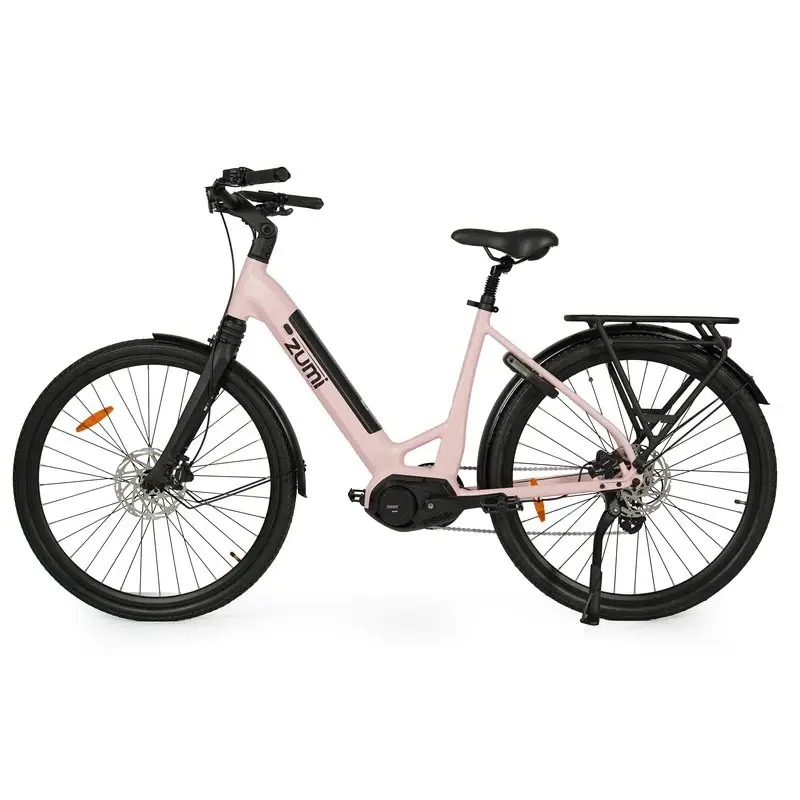
Fix time zones, language gaps, and unclear protocols—boost speed, cut costs, and scale confidently.
2026/08/03
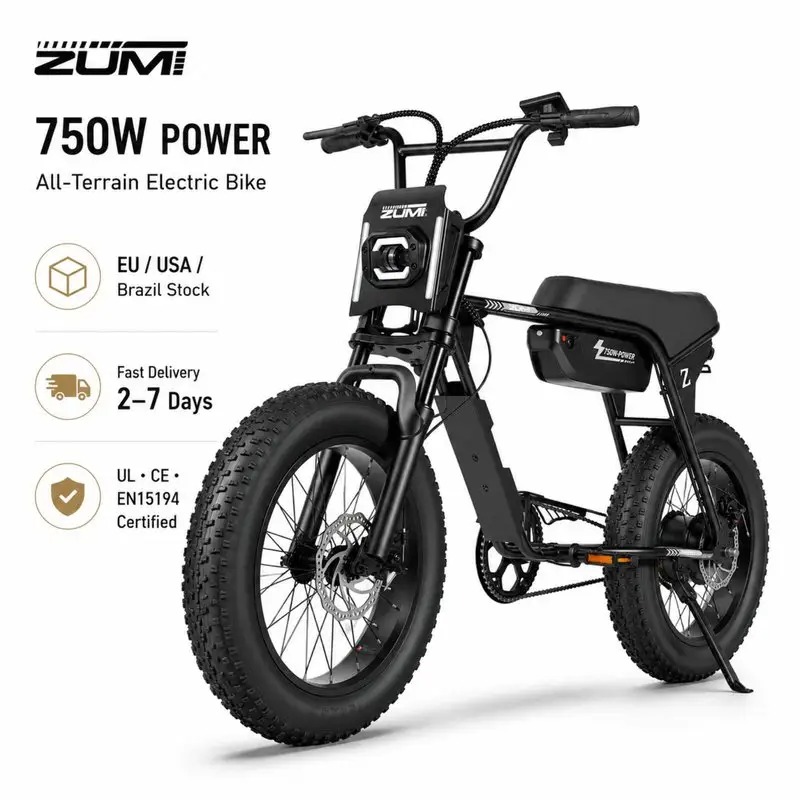
Avoid liability & import bans: Learn IEC 62619, UN 38.3, and UL 2271—plus how to verify real compliance (not fakes).
2026/08/03
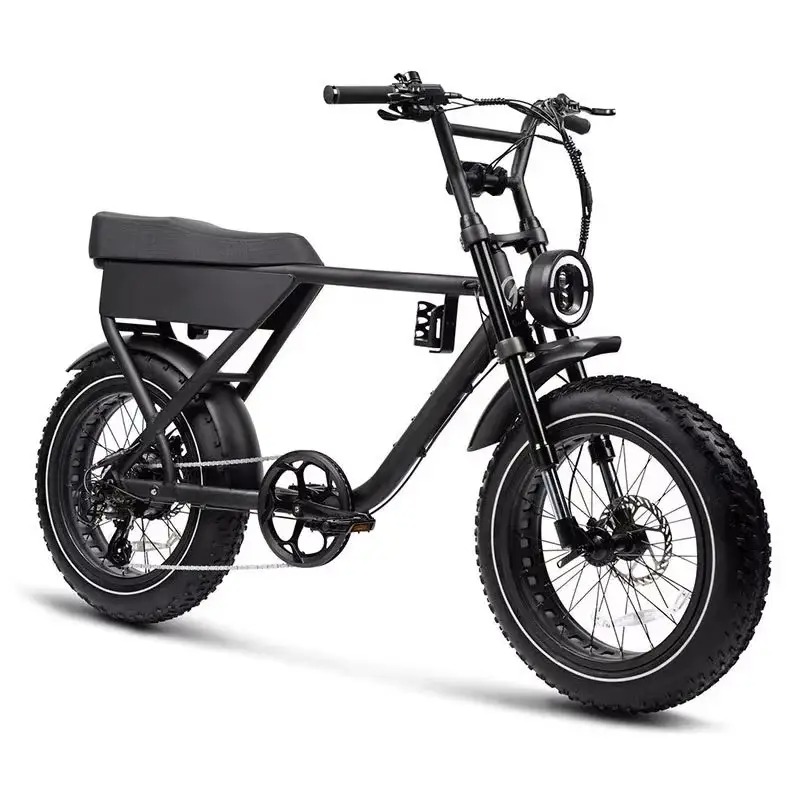
Learn precise air pressure, rebound & compression tuning for optimal suspension performance. Get pro-level setup tips now.
2026/08/03
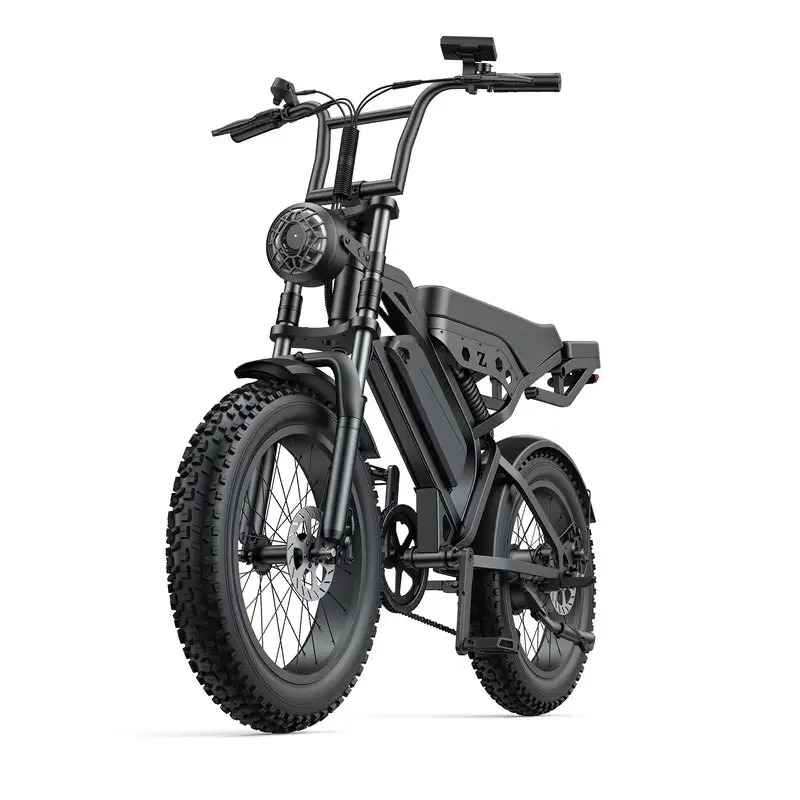
Discover how voltage drop saps performance—and proven fixes to restore responsiveness, range, and battery life. Read now.
2026/08/03
Discover data-backed protocols, smart infrastructure & operational fixes. Optimize now.
2026/08/03
How payload cuts 48V cargo ebike range by 15–50%+ — backed by real-world degradation curves, motor load science & fleet optimization strategies.
Comprehensive warranty, fast parts shipping, remote diagnostics and local dealer training


