 EN
EN
STEP 1
Full vehicle warranty for 2 years
2026/08/05
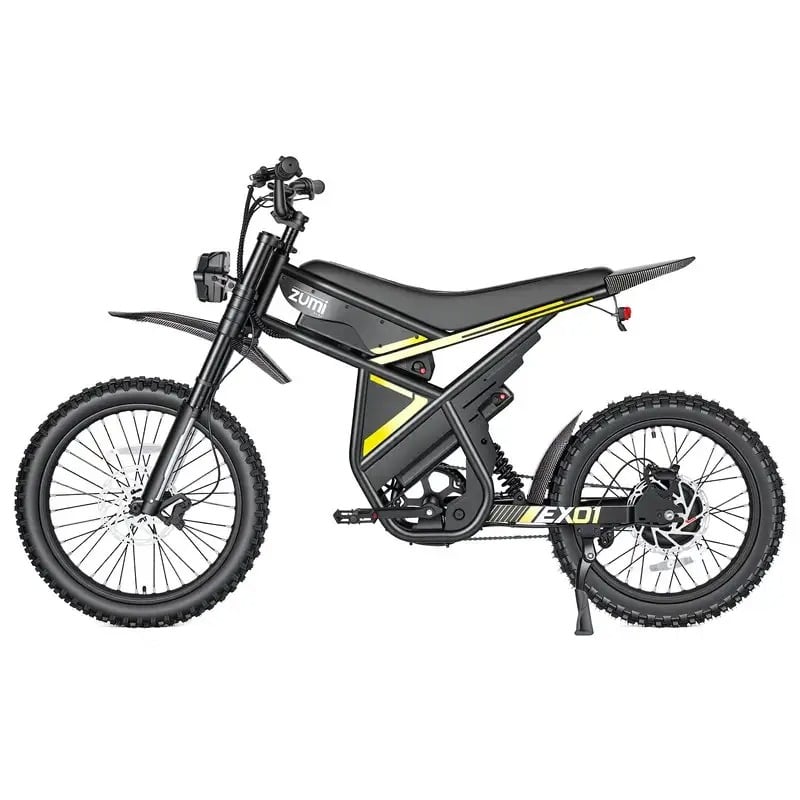
Custom electric bike builders face a critical challenge when sourcing reliable drivetrain parts that deliver both performance and durability. The drivetrain is the heart of any electric bike, translating motor power into smooth, efficient movement. For custom electric bike builders, selecting quality components from trustworthy suppliers directly impacts the final product's reliability, customer satisfaction, and competitive positioning in a growing market. Understanding how to identify and source the right parts requires knowledge of technical specifications, supplier capabilities, and long-term partnership strategies.
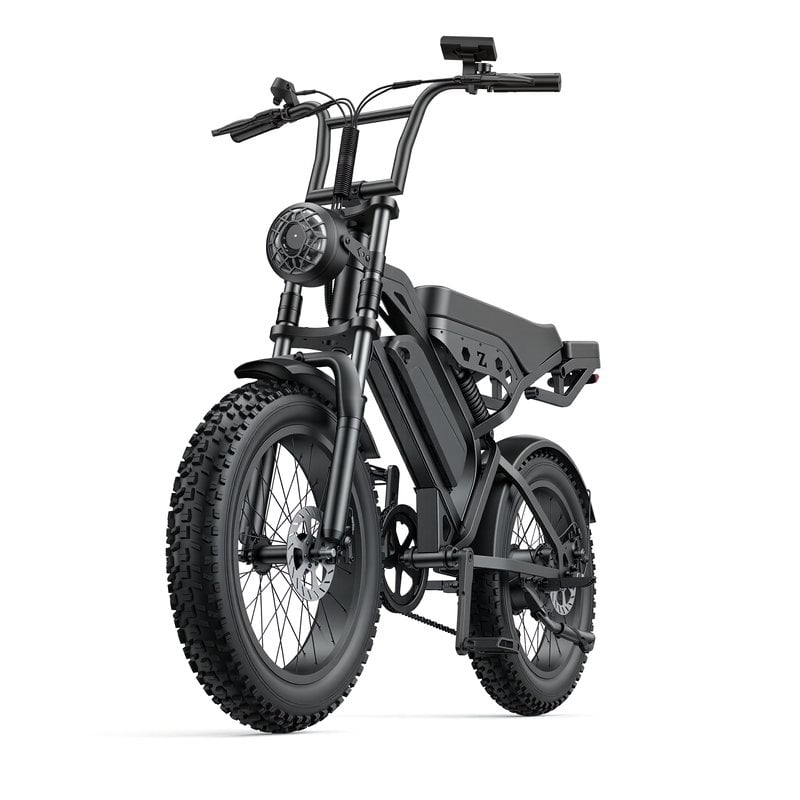
The drivetrain assembly includes motor controllers, chain drives, cassettes, derailleurs, and transmission systems that must work seamlessly with battery and motor specifications. When you build custom ebike models, you need suppliers who understand your design intent and can deliver components at scale. Whether you operate as an independent ebike manufacturer or scale toward becoming a full ebike factory, sourcing consistency ensures your reputation remains strong and production timelines stay on track.
Reliable drivetrain components must match your motor power output, voltage system, and intended use case. A custom ebike designed for urban commuting requires different gear ratios and braking systems than a mountain electric bike or cargo hauler. When selecting a custom ebike supplier, verify they can provide detailed specification sheets, performance test results, and compliance certifications for components like brushless hub motors, gearboxes, and torque sensors. Quality ebike manufacturers conduct rigorous testing on all drivetrain elements before incorporating them into finished products.
As your ebike factory grows from prototype to production scale, supplier reliability becomes non-negotiable. Request production capacity documentation, quality control procedures, and lead time commitments from potential partners. An ebike manufacturer needs suppliers capable of delivering consistent batches without defects, delays, or material substitutions. Visit facilities when possible, review their equipment, and confirm they maintain inventory buffers for seasonal demand spikes common in the electric bike industry.
The best relationships between custom ebike builders and drivetrain suppliers involve transparent communication and shared problem-solving. When issues arise—supply interruptions, design modifications, or performance concerns—reliable partners work actively toward solutions rather than simply fulfilling orders. Establish clear communication channels, schedule regular reviews, and create feedback mechanisms for quality issues. An ebike factory that treats suppliers as strategic partners rather than transactional vendors typically enjoys better pricing, priority allocation during shortages, and early access to new technologies.
Volume purchasing is your leverage point when building a custom ebike business. Even small manufacturers can negotiate better pricing by committing to annual purchase volumes, standardizing component selections, and offering longer payment windows. Request tiered pricing structures that reward growth, explore consignment or inventory management arrangements, and consider exclusive agreements if the supplier offers competitive advantages. Custom electric bike builders who establish formal supply agreements with clear pricing tiers, delivery schedules, and quality guarantees reduce costs and operational uncertainty.
Relying on one supplier for critical drivetrain components exposes your custom ebike operation to significant risk. If that supplier faces production delays, quality problems, or financial difficulties, your entire assembly line may halt. Identify at least two qualified suppliers for each major component category. This approach requires more upfront evaluation effort, but it ensures continuity when disruptions occur. An ebike manufacturer managing multiple supplier relationships also gains negotiating leverage and access to competitive innovations from different sources.
Verify that your drivetrain suppliers maintain proper certifications, safety compliance documentation, and intellectual property rights for components they provide. Request certificates of analysis, material safety data sheets, and warranty information for all parts. Confirm that components meet regulatory standards in your target markets, including CE marking for European sales or UL compliance where applicable. Custom electric bike builders operating at scale must maintain detailed supply chain documentation to address customer inquiries, warranty claims, and potential liability issues.
Prioritize technical capability to meet your motor specifications, consistent production quality with documented testing, reasonable lead times, and responsive communication. Verify their track record with other custom ebike builders or ebike manufacturers in similar market segments. Request references, sample components, and trial orders before committing to large volumes. An ebike factory should also assess their financial stability, geographic location relative to your operations, and willingness to collaborate on custom modifications or bulk pricing arrangements.
Diversify suppliers across geography and company size to avoid dependency on single sources. Maintain safety stock of critical components, establish formal supply agreements with clear terms, and build relationships with at least two qualified suppliers for each major drivetrain element. An ebike factory should implement inventory tracking systems, monitor supplier performance metrics, and regularly stress-test your supply chain assumptions. Create contingency plans for supply disruptions and communicate these strategies with your production team.
Request ISO 9001 quality management certification, motor efficiency certifications appropriate to your market, and compliance documentation for electrical safety standards. An ebike manufacturer should verify that components meet local regulations for the regions where you sell, including brake performance standards, electrical isolation requirements, and material safety compliance. Request detailed warranties, liability insurance information, and documentation of quality testing procedures. Custom ebike builders operating internationally face varying regulatory frameworks, so confirm supplier compliance with all relevant standards before integrating parts into finished products.
2026/08/03
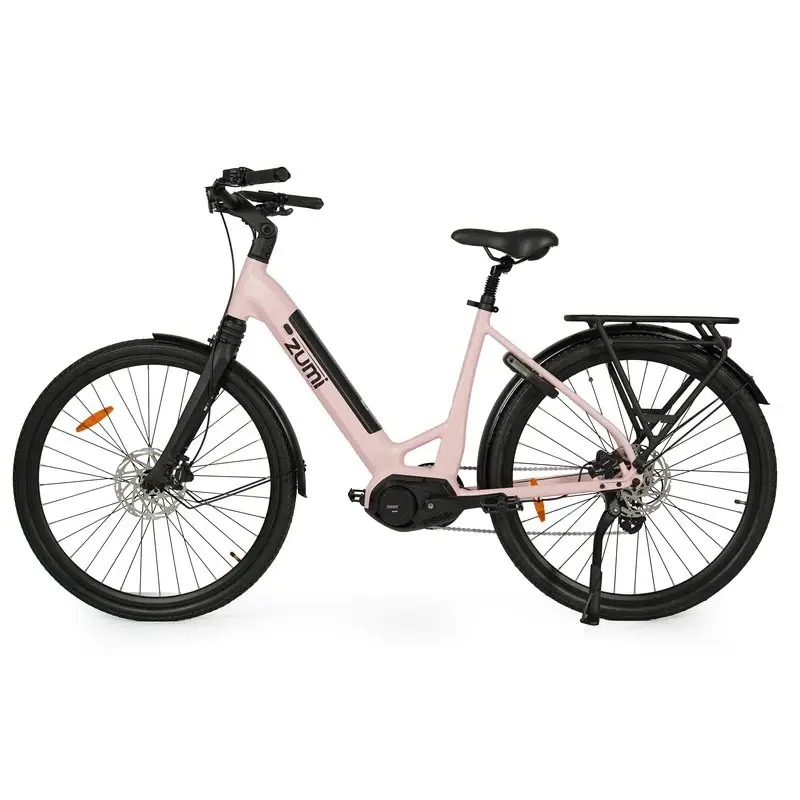
Fix time zones, language gaps, and unclear protocols—boost speed, cut costs, and scale confidently.
2026/08/03
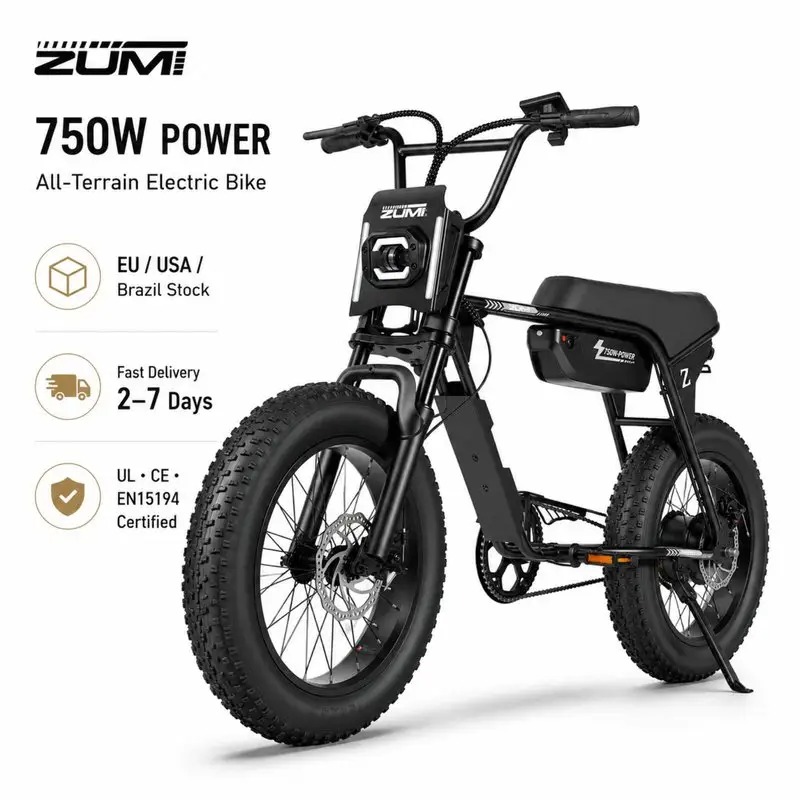
Avoid liability & import bans: Learn IEC 62619, UN 38.3, and UL 2271—plus how to verify real compliance (not fakes).
2026/08/03
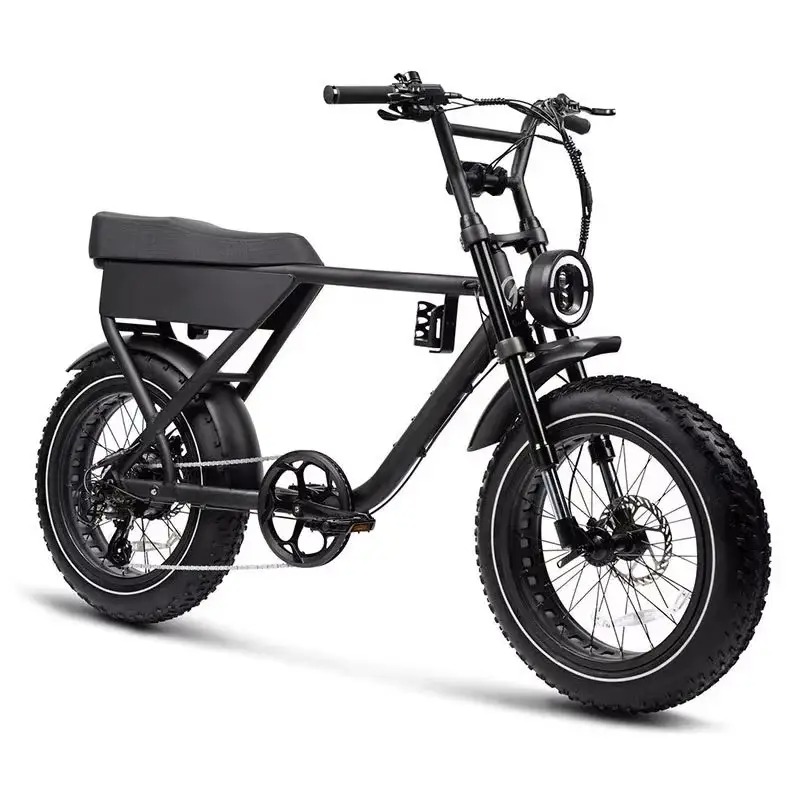
Learn precise air pressure, rebound & compression tuning for optimal suspension performance. Get pro-level setup tips now.
2026/08/03
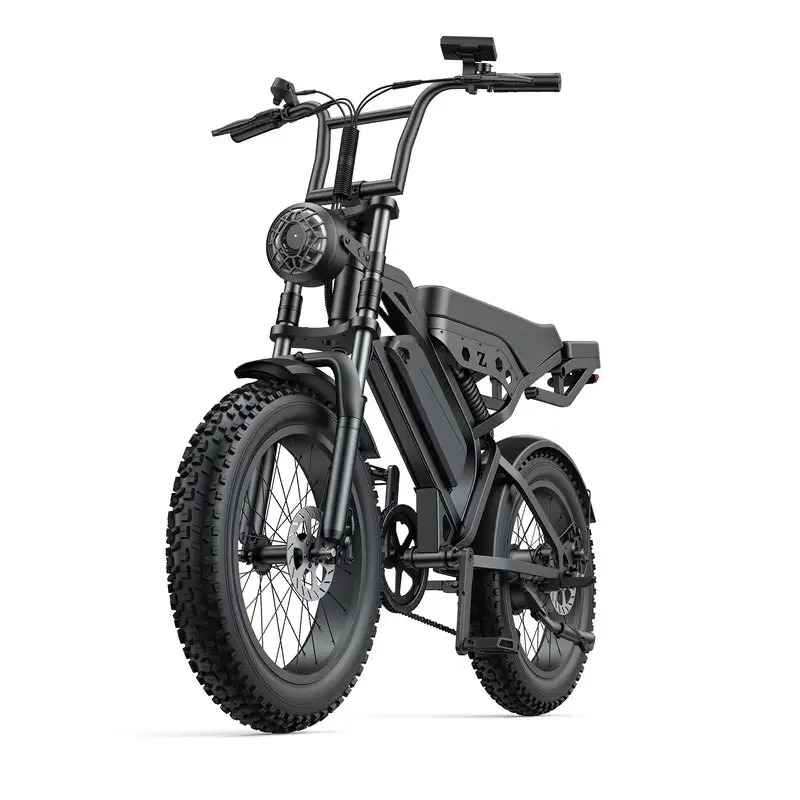
Discover how voltage drop saps performance—and proven fixes to restore responsiveness, range, and battery life. Read now.
2026/08/03
Discover data-backed protocols, smart infrastructure & operational fixes. Optimize now.
2026/08/03
How payload cuts 48V cargo ebike range by 15–50%+ — backed by real-world degradation curves, motor load science & fleet optimization strategies.
Comprehensive warranty, fast parts shipping, remote diagnostics and local dealer training


