 EN
EN
STEP 1
Full vehicle warranty for 2 years
2026/08/12
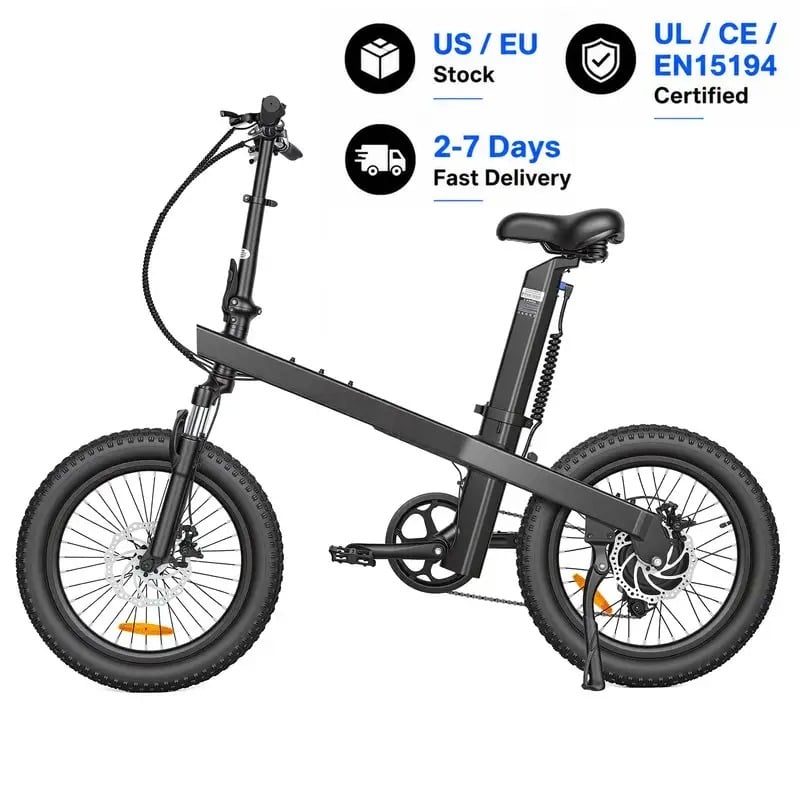
Managing trail conditions is critical for tour operators who depend on electric mountain bike experiences. Whether you offer tours with an adult electric mountain bike or specialized electric enduro mountain bike models, trail maintenance directly impacts guest safety, equipment longevity, and your business reputation. The added weight and torque of modern e-bikes demand more aggressive maintenance protocols than traditional bikes, making proactive trail work essential for any tour operator.
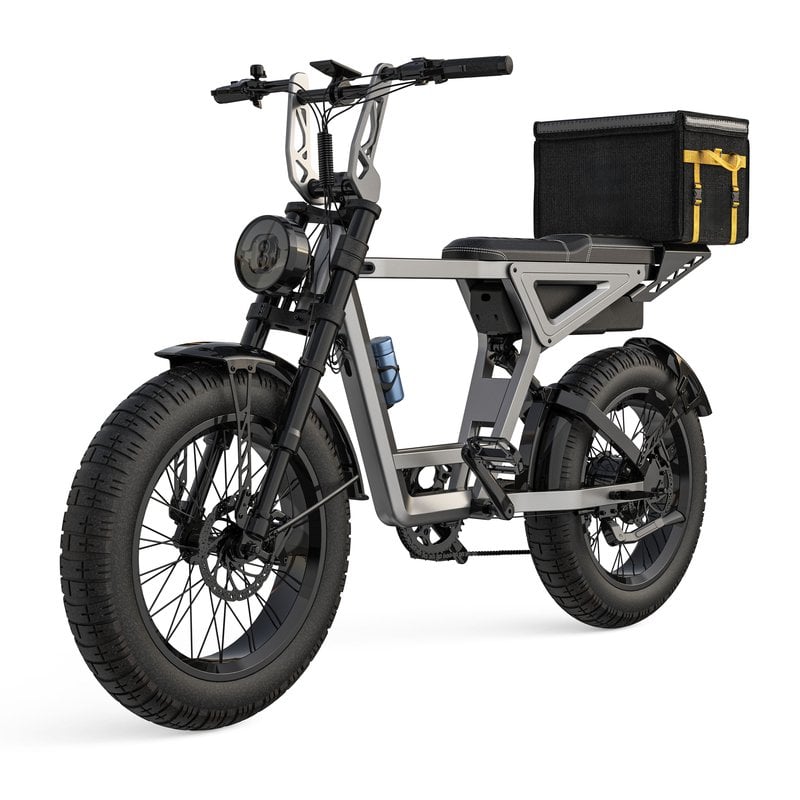
Tour operators running routes with hybrid electric mountain bike fleets face unique maintenance challenges. The combination of higher rider weight, motor assistance, and consistent usage patterns means trails degrade faster than they would under traditional cycling. Understanding these dynamics and implementing structured maintenance schedules protects your investment, ensures consistent guest experiences, and reduces liability. This guide outlines practical trail maintenance approaches specifically designed for e mtb cycle operations.
Spring and early summer require comprehensive trail inspections before launching your adult electric mountain bike tour season. Walk or ride each designated route with fresh eyes, documenting erosion, drainage issues, root exposure, and loose soil sections. E-bike riders tend to concentrate more weight in specific zones, particularly at braking points and technical sections, so these areas typically show wear patterns first. Map problem areas systematically and prioritize repairs that directly affect safety or create liability risks.
Weather patterns significantly influence trail degradation rates across different regions. Areas with heavy spring runoff require enhanced drainage work before the main tour season begins. Electric enduro mountain bike riders often tackle steeper, more technical terrain, which accelerates water erosion and root exposure on descents. Scheduling assessment rides after seasonal rainfall helps identify drainage failures before they become major obstacles.
Late fall and winter maintenance windows are ideal for structural repairs that demand minimal traffic. Rebuild water bars, reinforce technical features, and address drainage problems when hybrid electric mountain bike usage is lower. Create a prioritized repair list based on your spring assessments, allocating time and resources efficiently. Off-season work prevents emergency repairs during peak tour season and extends the life of your entire trail network.
Water accumulation is the primary cause of trail deterioration on e mtb cycle routes. The added mass of an adult electric mountain bike intensifies rutting in wet sections, so invest in reliable drainage infrastructure. Clean water bars, dips, and drainage trenches regularly to prevent blockages that force water across the tread. Electric enduro mountain bike users often ride through seasonal wet periods, making consistent drainage work a non-negotiable maintenance priority.
Grade water bars every 30 to 50 feet on slopes steeper than 8 degrees to direct flow away from the trail surface. Monitor newly constructed bars after the first significant rainfall to confirm proper water diversion. Adjust spacing on technical sections where hybrid electric mountain bike riders naturally bunch, as these areas experience accelerated drainage failures. Regular cleaning costs far less than rebuilding sections damaged by years of neglected runoff.
High-use routes require rock reinforcement in erosion-prone areas. Install rock steps on steep descents, armor berms, and line critical switchbacks to reduce soil displacement caused by electric mountain bike braking forces. These structures provide durability that outweighs higher initial installation effort. Adult electric mountain bike riders appreciate the increased traction and stability these features provide, improving both safety and ride quality.
Vegetation management also prevents erosion by stabilizing soil with root networks. Selectively clear brush and maintain shoulder vegetation to encourage slope stability on the electric enduro mountain bike trails. Avoid over-clearing, which exposes soil and accelerates runoff. Strategic planting of native species reinforces banks and improves long-term trail integrity with minimal ongoing maintenance.
Technical features on e mtb cycle routes endure unique stresses from electric mountain bikes' weight and braking patterns. Inspect berms, jumps, and rock features monthly for settlement, cracks, or loosening. Repair dropped berms immediately, as slippage accelerates on subsequent passes. Adult electric mountain bike riders often lack the experience to predict instability, so proactive feature maintenance directly reduces incident risk and insurance exposure.
Rock armoring and log replacement demand regular attention on hybrid electric mountain bike trails. Loose rocks create slip hazards and send riders toward hazardous drop-offs. Reset any rocks that have shifted and replace deteriorating logs that form edges or reinforcement. Document repairs with photos to establish maintenance records that support liability defense and demonstrate operational diligence.
The electric enduro mountain bike market attracts riders of varying technical abilities, making consistent surface conditions essential. Rake and smooth sections between more aggressive features to prevent unexpected obstacles that could cause loss of control. Remove branches, rocks, and debris weekly during peak season, especially after wind or weather events. E mtb cycle riders rely on predictability, so debris removal directly correlates with guest satisfaction and repeat bookings.
Consider establishing a pre-tour inspection routine where guides visually check high-risk sections before each group departure. This practice catches sudden hazards created by weather or wildlife, allowing real-time route adjustments. Documentation of these inspections demonstrates proactive safety management and professional operations standards.
Maintenance frequency depends on usage volume and seasonal conditions, but monthly comprehensive inspections are standard for active hybrid electric mountain bike operations. High-traffic sections demand weekly debris removal and bi-weekly technical feature checks. Post-storm inspections are non-negotiable regardless of season. Adult electric mountain bike trails require more frequent work than traditional trails due to increased wear rates from heavier riders and motor torque.
Electric enduro mountain bike trails experience accelerated erosion, more aggressive braking wear, and concentrated weight damage compared to unpowered routes. The extra mass demands stronger drainage systems, rock reinforcement, and feature durability. E mtb cycle riders often lack experience navigating deteriorated sections, making surface consistency critical. These differences require maintenance protocols specifically tailored to electric mountain bike operations rather than generic trail standards.
Absolutely. Staff who understand hybrid electric mountain bike maintenance principles and trail mechanics become force-multipliers for preventive work. Training enables guides to identify emerging problems early and document issues systematically. Knowledge of proper water management, feature repair, and drainage principles empowers your team to maintain professional standards and catch safety concerns before they escalate. Documented staff training also strengthens liability protection and demonstrates operational competence.
2026/08/03
Fix time zones, language gaps, and unclear protocols—boost speed, cut costs, and scale confidently.
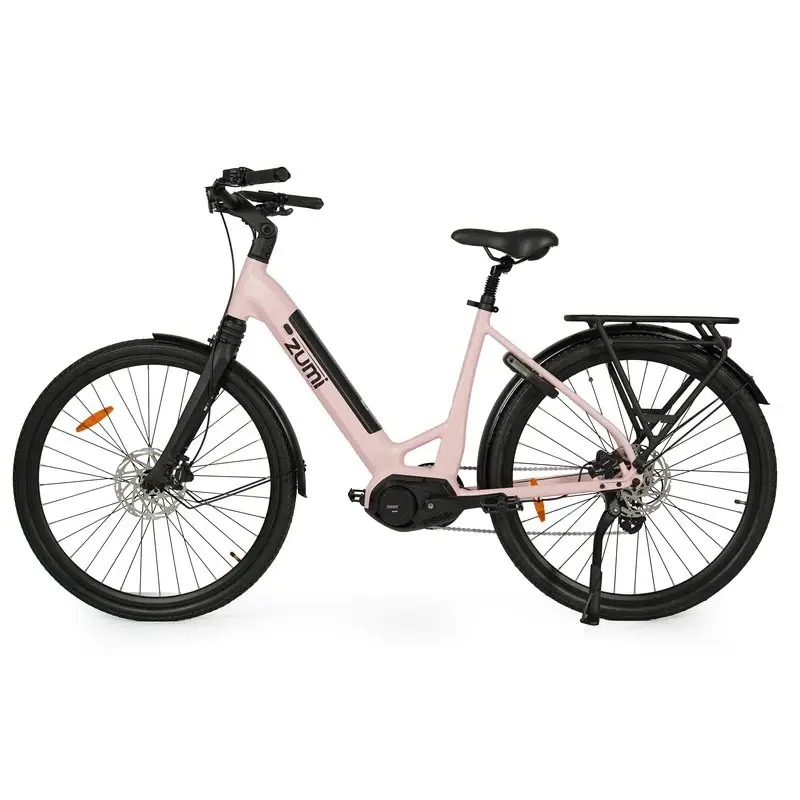
2026/08/03
Avoid liability & import bans: Learn IEC 62619, UN 38.3, and UL 2271—plus how to verify real compliance (not fakes).
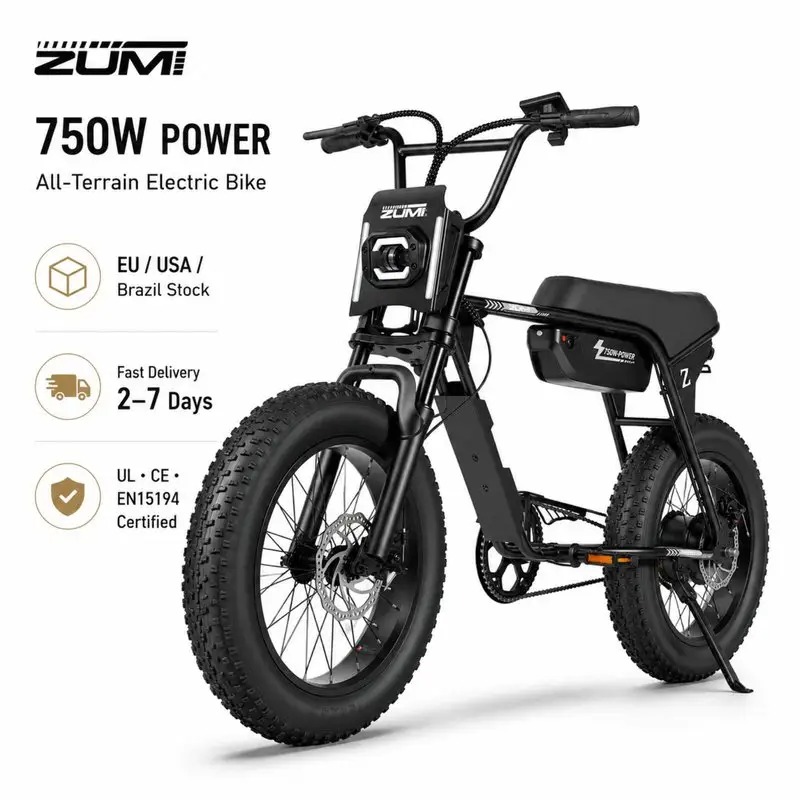
2026/08/03
Learn precise air pressure, rebound & compression tuning for optimal suspension performance. Get pro-level setup tips now.
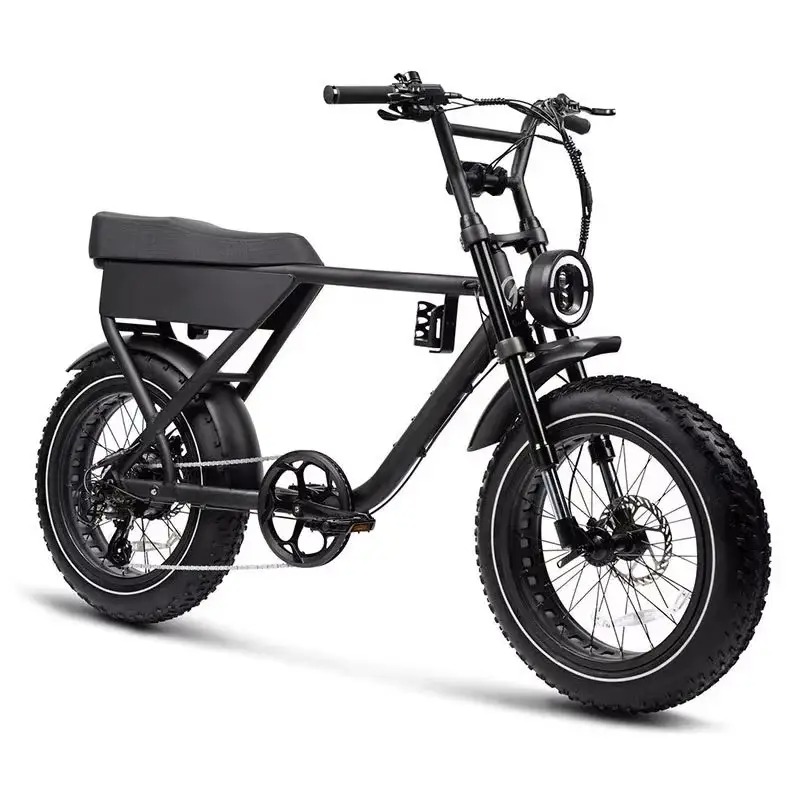
2026/08/03
Discover how voltage drop saps performance—and proven fixes to restore responsiveness, range, and battery life. Read now.
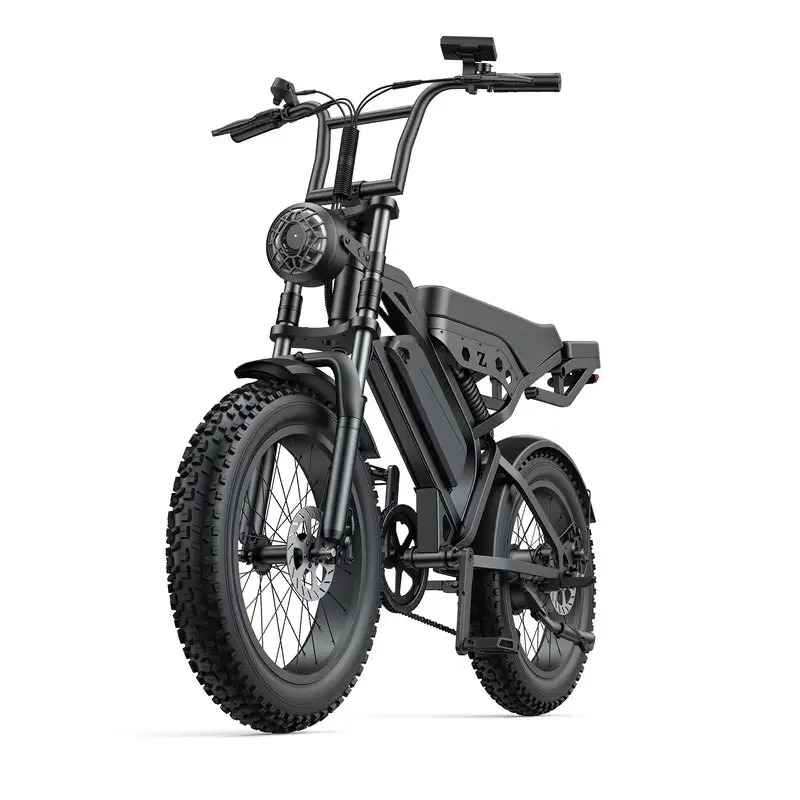
2026/08/03
Discover data-backed protocols, smart infrastructure & operational fixes. Optimize now.
2026/08/03
How payload cuts 48V cargo ebike range by 15–50%+ — backed by real-world degradation curves, motor load science & fleet optimization strategies.
Comprehensive warranty, fast parts shipping, remote diagnostics and local dealer training


