 EN
EN
STEP 1
Full vehicle warranty for 2 years
2026/08/04
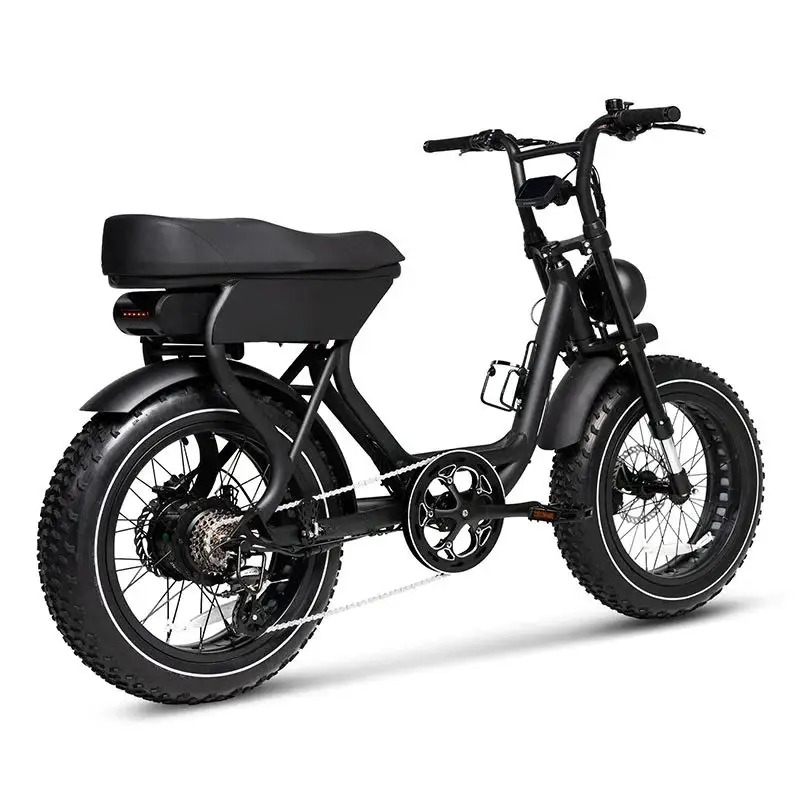
Component shortages represent one of the most pressing operational challenges facing any electric cycle manufacturer today. Supply chain disruptions, semiconductor delays, and global logistics constraints have created an unpredictable environment where securing critical parts—from motor controllers to battery cells—requires strategic foresight and adaptive planning. Understanding how to navigate these constraints enables electric bike wholesale operations to maintain production schedules, protect margins, and serve customers reliably.
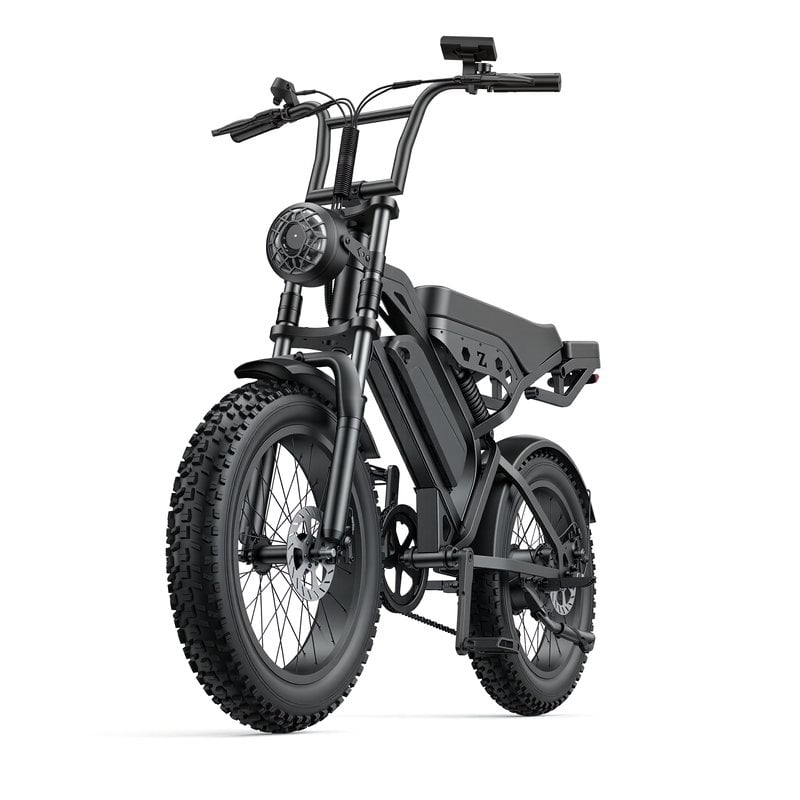
As an ebike manufacturer, your competitive advantage depends not only on innovative design and performance but also on supply chain resilience. Component shortages can halt production lines, delay deliveries, and erode customer trust. This guide explores practical solutions that help electric bike wholesale companies and ebike factories proactively manage scarcity, diversify supplier networks, and maintain operational continuity even when critical components become difficult to source.
Many ebike manufacturers historically relied on one or two primary suppliers for critical components such as hub motors, battery management systems, and controller boards. This concentration introduces significant risk. When an ebike factory faces supply delays from a single source, production stalls immediately. Developing relationships with multiple qualified suppliers—even at slightly higher unit costs—provides buffer capacity and negotiating leverage. An electric cycle manufacturer that sources battery controllers from three different suppliers instead of one can continue production even if one supplier experiences disruption.
Implementing a tiered supplier strategy strengthens resilience further. Assign your primary, secondary, and tertiary suppliers specific allocation percentages. For example, primary suppliers might fulfill 60 percent of monthly motor requirements, while secondary and tertiary suppliers each handle 20 percent. This approach ensures that supply interruptions from any single ebike factory partner do not halt your operations. Additionally, maintaining documented qualification records and performance history for backup suppliers allows rapid activation when primary sources become constrained.
Global supply chains expose electric bike wholesale operations to geopolitical risks, tariff changes, and transportation bottlenecks. An ebike manufacturer sourcing all components from a single region faces concentrated vulnerability. Strategic geographic diversification—such as sourcing hub motors from Southeast Asian facilities and battery cells from alternative regions—hedges against localized disruptions. This approach also provides flexibility in responding to trade policy changes, labor strikes, or infrastructure damage.
Understanding the origin and certification status of components becomes increasingly important. Many electric cycle manufacturer operations now document supply chain traceability to ensure compliance with emerging regulations and to identify alternative sourcing pathways quickly if primary routes become unavailable. When an ebike factory maintains supplier relationships across multiple continents, it gains options during regional supply constraints.
Component shortages often strike suddenly, leaving limited time for reaction. An electric cycle manufacturer implementing strategic buffer stock—holding additional quantities of long-lead or highly variable components—absorbs short-term disruptions without halting production. For an ebike factory, this might mean maintaining 45 to 60 days of supply for battery cells, motor controllers, and brake systems, while maintaining leaner stock of commodity frame materials with shorter lead times.
Calculating safety stock requires understanding supplier lead times, demand variability, and component cost. High-cost items like battery packs demand careful inventory balance to avoid excess capital lockup, while moderately priced components like controller boards benefit from larger safety buffers. Electric bike wholesale operations that apply statistical forecasting models to historical component demand can optimize buffer levels and free up working capital compared to arbitrary stockpiling approaches.
Accurate demand forecasting enables an ebike manufacturer to communicate realistic production quantities to suppliers well in advance. Many component shortages worsen because suppliers lack clear visibility into upcoming demand and cannot adjust their own production planning accordingly. Sharing quarterly and annual forecasts with your ebike factory partners—especially battery and motor suppliers—allows them to secure raw materials and capacity early, reducing your exposure to last-minute scarcity.
Implementing rolling forecasts rather than fixed annual plans helps electric bike wholesale operations adapt to market changes while still providing suppliers with actionable guidance. When an electric cycle manufacturer communicates that next quarter requires 10 percent higher production, suppliers can adjust procurement timing and potentially route critical materials your direction. This collaborative approach, combined with regular supplier performance reviews, creates mutual benefit and strengthens the partnership against external disruptions.
Component shortages often affect specific models or specifications while alternatives remain available. An ebike manufacturer practicing design modularity—creating platforms that accommodate multiple motor types, controller versions, or battery configurations—maintains production flexibility when primary components become scarce. For example, designing your mid-drive electric bike platform to work with both 250W and 350W motors allows the ebike factory to shift production between models if one motor type experiences shortage while the other remains available.
Conducting regular design reviews with your engineering and procurement teams to identify component substitution opportunities strengthens resilience further. An electric bike wholesale operation that maintains qualified alternative components for critical functions can quickly redirect production when scarcity strikes. This might mean having approved alternate controller boards, brake systems, or display units that meet your performance requirements but come from different suppliers. The upfront engineering work pays dividends when supply disruptions force rapid pivots.
When an ebike factory must substitute components due to shortage, clear communication and testing protocols minimize quality risk. Establishing qualified components lists that your manufacturing team can reference during production disruptions ensures substitutions maintain performance standards. For an electric cycle manufacturer, documenting which motor controllers work interchangeably, which battery management systems are functionally equivalent, and which frame materials meet structural specifications enables rapid decision-making without engineering delays.
Many ebike manufacturers now maintain substitution approval matrices for this purpose. When a primary component becomes unavailable, production teams reference the matrix, confirm an approved alternative is in stock, and proceed without requiring emergency engineering validation. This approach accelerates response time and keeps production lines moving during component shortages. Electric bike wholesale companies that build this capability into their standard operating procedures demonstrate operational maturity and protect customer delivery commitments.
Reducing lead times requires establishing long-term contracts with suppliers, committing to minimum volumes, and offering favorable payment terms. An electric cycle manufacturer that pays upon shipment rather than net-30 terms often qualifies for priority allocation and faster delivery windows. Additionally, positioning inventory at regional distribution centers operated by your ebike factory partners can create local stock availability, effectively shortening lead times for components even when purchase lead times remain long.
Supplier communication is critical because it creates mutual transparency and enables proactive planning. An ebike factory that maintains regular contact with its motor, battery, and controller suppliers learns about potential shortages weeks or months in advance rather than discovering problems when orders are cancelled. Monthly business reviews, quarterly forecasting sessions, and annual relationship assessments help electric bike wholesale operations and their suppliers align on capacity, expectations, and contingency plans before disruptions occur.
Dynamic pricing strategies allow ebike manufacturers to adjust finished-product pricing based on real-time component costs and availability. During shortage periods when component prices spike, an electric bike wholesale operation that built pricing flexibility into its contracts can pass costs to customers or adjust product mix toward models using more available components. However, transparent communication about pricing rationale maintains customer relationships, and many ebike factory operators prefer stable pricing contracts with volume commitments to unpredictable rate adjustments.
2026/08/03
Fix time zones, language gaps, and unclear protocols—boost speed, cut costs, and scale confidently.
2026/08/03
Avoid liability & import bans: Learn IEC 62619, UN 38.3, and UL 2271—plus how to verify real compliance (not fakes).
2026/08/03
Learn precise air pressure, rebound & compression tuning for optimal suspension performance. Get pro-level setup tips now.
2026/08/03
Discover how voltage drop saps performance—and proven fixes to restore responsiveness, range, and battery life. Read now.
2026/08/03
Discover data-backed protocols, smart infrastructure & operational fixes. Optimize now.
2026/08/03
How payload cuts 48V cargo ebike range by 15–50%+ — backed by real-world degradation curves, motor load science & fleet optimization strategies.
Comprehensive warranty, fast parts shipping, remote diagnostics and local dealer training


