 EN
EN
STEP 1
Full vehicle warranty for 2 years
2026/08/31
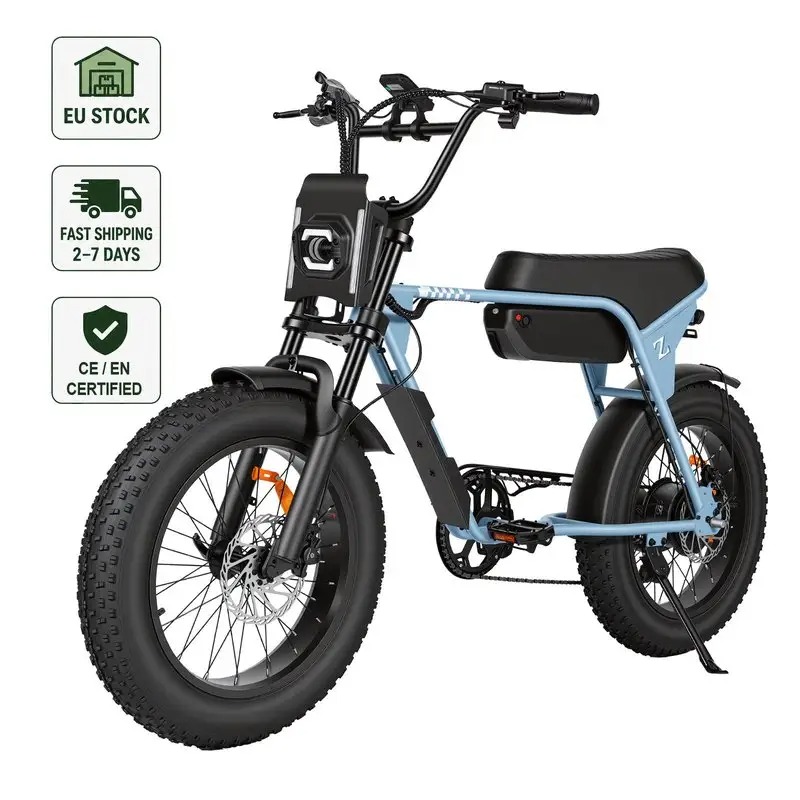
When you invest in building a custom electric mountain bike, you expect seamless power delivery and reliable performance on every trail. However, motor integration issues can arise during assembly, after firmware updates, or due to environmental stress. Understanding how to diagnose and resolve these problems ensures your custom ebike remains trail-ready and safe.
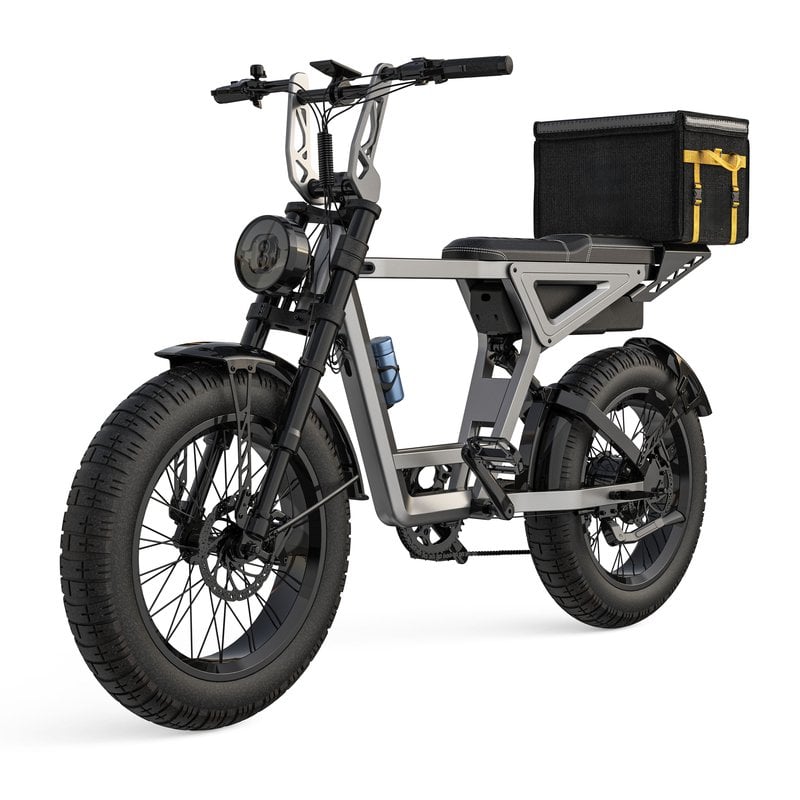
Motor integration troubleshooting requires a methodical approach that combines electrical diagnostics, mechanical inspection, and software verification. Whether your mountain ebike experiences power loss, inconsistent torque delivery, or sensor communication failures, the root cause often lies at the intersection of motor hardware, controller settings, and battery connectivity. This guide walks you through systematic diagnosis and practical solutions to restore your custom ebike to full operating capacity.
Motor integration failures on a custom ebike typically begin with electrical connection issues. When building a mountain ebike, loose connectors, corroded terminals, or improperly crimped wires create intermittent power delivery. Water ingress during wet trail riding accelerates corrosion on unshielded connectors, causing voltage drops that the controller interprets as sensor faults. Start your diagnostic by visually inspecting all motor connectors, phase wires, and sensor cables for green oxidation, bent pins, or loose seating. On a custom electric mountain bike, even a 0.1-volt drop across a connector can trigger safety shutdown protocols in modern motor controllers.
Your electric mountain bike motor relies on position sensors and speed feedback to coordinate phase switching and power modulation. When a custom ebike experiences intermittent dropouts or power stuttering, the torque sensor or hall sensor may have lost connection to the controller. This differs from outright motor failure because the motor still spins mechanically but lacks coordinated electrical firing. Test sensor continuity using a multimeter on the data lines running from the motor to your controller. Many custom ebike builders overlook shield grounding on these signal cables, leaving them vulnerable to electromagnetic interference from the battery pack or nearby electronics.
A systematic load test is essential for any custom electric mountain bike experiencing power delivery inconsistency. Begin with the motor unloaded by lifting the rear wheel and applying throttle at increasing power levels while monitoring for dropout events or unusual sounds. On a mountain ebike, listen for cogging (jerky resistance) which suggests phase imbalance or sensor misalignment. Then perform a stationary brake test where you apply gentle rolling resistance and gradually increase power to verify smooth torque curve and consistent acceleration. This reveals whether your custom ebike motor integrates properly across its full operating range or only functions reliably at specific power thresholds. Document the exact conditions under which failures occur, as this data directly guides your next diagnostic steps.
Motor integration issues on a custom ebike often stem from inadequate battery voltage delivery during peak demand. Install a real-time voltage monitor between your battery pack and controller to observe voltage sag under full-throttle load. A healthy electric mountain bike battery should maintain within 2–3 volts of nominal voltage during maximum current draw. If your custom ebike battery voltage collapses below that threshold, the controller may cut power to protect the battery and motor from over-current damage. This protective behavior mimics a motor failure but actually indicates insufficient battery capacity or high internal resistance in aged cells. Check battery connector quality and ensure your custom ebike harness uses appropriately gauged wire for the amp rating of your motor system.
Once you identify electrical weak points on your mountain ebike, corrective action involves upgrading connector quality and sealing against moisture. For a custom ebike experiencing intermittent dropout, replace standard automotive connectors with marine-grade or aviation-grade alternatives rated for higher current and equipped with environmental seals. Reseat every connector on your custom electric mountain bike with firm, deliberate pressure and verify audible or tactile clicks indicating full engagement. Apply dielectric grease to all exposed connector pins and sensor contacts to displace moisture and prevent corrosion. On a custom ebike operating in wet or muddy environments, consider heat-shrink tubing or conformal coating over exposed solder joints to create additional moisture barriers that prevent future motor integration faults.
Many motor integration problems on a custom electric mountain bike resolve through controller parameter adjustment and sensor recalibration. Access your mountain ebike controller settings via associated software or firmware tool and verify that motor torque limits, phase advance angles, and sensor thresholds match your specific motor model. A custom ebike controller tuned for one motor type may conflict with a different motor's electrical characteristics, causing erratic power delivery or thermal shutdown. Recalibrate hall sensors by rotating the motor through a complete revolution while the controller logs position feedback to ensure smooth phase alignment. After any custom ebike controller adjustment, perform extensive test riding on varied terrain to confirm stable performance before returning to aggressive trail use where motor failures become dangerous rather than merely inconvenient.
Sudden power loss typically results from battery voltage collapse, loose motor phase connectors, or controller thermal shutdown triggered by sensor faults. On a custom ebike, check battery voltage under load first, then systematically inspect all motor connectors. Sensor communication breakdown on your electric mountain bike often produces abrupt dropouts rather than gradual performance decline, so prioritize verifying hall sensor and torque sensor connections when troubleshooting a custom ebike.
Hardware problems typically produce consistent failures under identical conditions, while software or calibration issues create intermittent or variable performance. On a custom electric mountain bike, if power loss occurs predictably at specific throttle levels or ambient temperatures, controller settings are likely responsible. If the same conditions sometimes work and sometimes fail, inspect physical connections first on your custom ebike, as electrical intermittency strongly indicates loose contacts or corroded terminals rather than firmware errors on your mountain ebike.
Yes, preventive maintenance dramatically reduces motor integration faults on a custom electric mountain bike. Inspect connectors and sensor cables monthly, apply protective coatings before wet-season riding, upgrade to marine-grade connectors during initial build, and keep controller firmware current. On a mountain ebike, document your original calibration parameters and verify them after any significant impacts or environmental exposure. These practices on your custom ebike substantially lower the probability of motor integration failures during critical trail sessions.
2026/08/03
Fix time zones, language gaps, and unclear protocols—boost speed, cut costs, and scale confidently.
2026/08/03
Avoid liability & import bans: Learn IEC 62619, UN 38.3, and UL 2271—plus how to verify real compliance (not fakes).
2026/08/03
Learn precise air pressure, rebound & compression tuning for optimal suspension performance. Get pro-level setup tips now.
2026/08/03
Discover how voltage drop saps performance—and proven fixes to restore responsiveness, range, and battery life. Read now.
2026/08/03
Discover data-backed protocols, smart infrastructure & operational fixes. Optimize now.
2026/08/03
How payload cuts 48V cargo ebike range by 15–50%+ — backed by real-world degradation curves, motor load science & fleet optimization strategies.
Comprehensive warranty, fast parts shipping, remote diagnostics and local dealer training


