 EN
EN
STEP 1
Full vehicle warranty for 2 years
2026/08/28
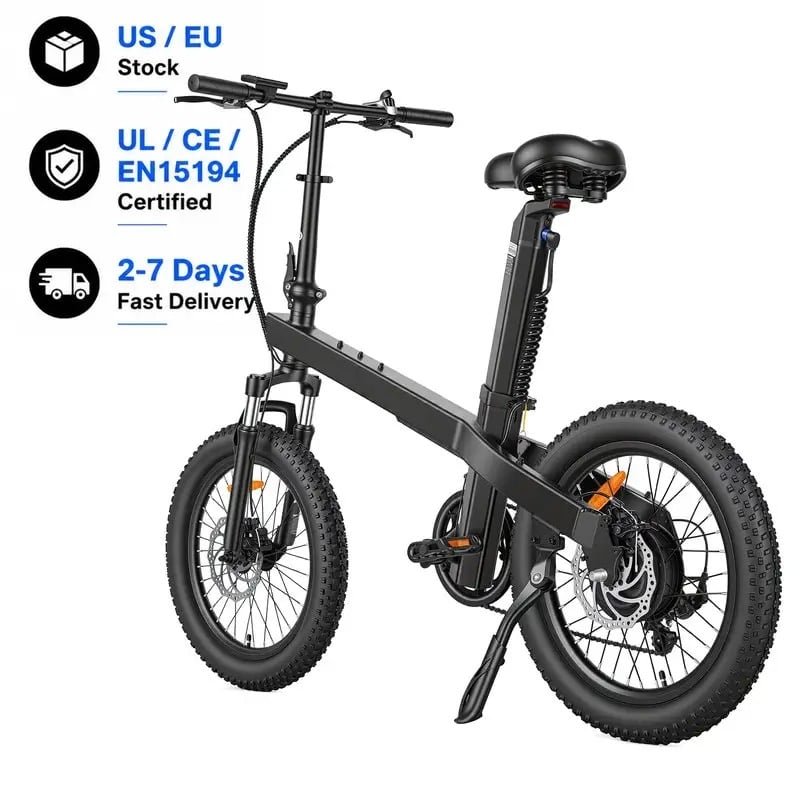
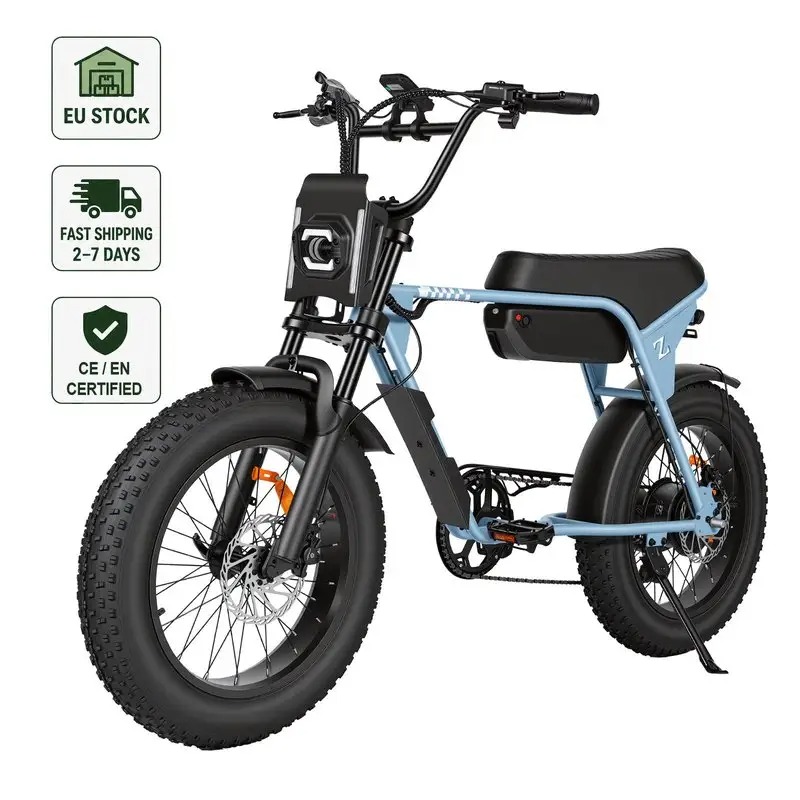
Packaging damage represents one of the most common challenges faced by retailers and distributors who handle wholesale orders of fat tire electric bikes. When a wholesale fat tire electric bike arrives at your distribution center or retail location with structural or cosmetic damage, the financial and operational impact can be significant. Understanding the root causes of packaging damage and implementing practical solutions protects your bottom line, maintains customer satisfaction, and ensures that each unit reaches end users in perfect condition.
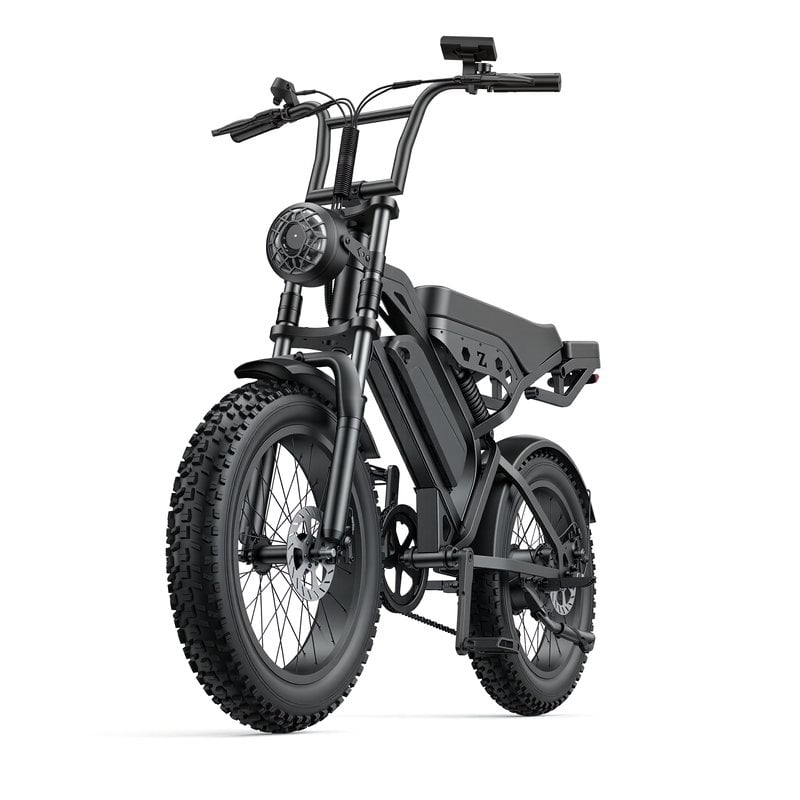
The unique characteristics of a fat tire ebike—including heavy frame weight, large wheel assemblies, and sensitive electronic components—require specialized packaging considerations that differ significantly from standard bicycles. When damage occurs during transit or storage, the cost of replacements, repairs, and customer returns multiplies quickly across wholesale orders. This guide walks you through the troubleshooting process, identifies common damage patterns, and provides actionable strategies to reduce incidents moving forward.
The most frequently reported damage type for wholesale ebike shipments involves crushed or dented boxes resulting from stacking pressure or rough handling during transport. Fat tire ebikes are heavy units, often weighing 60 to 80 pounds, and when multiple boxes are stacked in a freight container, the cumulative weight creates significant downward force. If the box material lacks sufficient rigidity or internal bracing, the frame or wheel components inside may experience compression damage. Inspect the exterior box for visible compression marks, and compare the current box dimensions to the manufacturer's specifications to determine whether the packaging design itself requires upgrading.
Another prevalent issue stems from insufficient internal padding or insecure fastening during the packing process. When ordering a fat tire ebike for wholesale distribution, the frame, wheels, handlebars, and electronic components must be immobilized to prevent movement during transit. Listen for rattling or sliding sounds when you gently shake the unopened box, which signals inadequate cushioning. A wholesale ebike packed loosely inside its container will sustain impact damage to paint, spokes, and sensitive battery or motor connections, even if the box exterior appears intact.
Begin by documenting all damage before opening the packaging. Photograph the exterior box from multiple angles, noting any dents, tears, water stains, or compression marks. Once you open the box, inspect the internal protective materials—foam inserts, bubble wrap, or air pillows—to assess whether they remain intact or show signs of compression or displacement. Check that the fat tire ebike frame has no visible bends, the wheels roll freely without wobbling, and all fasteners remain tight. Test the electrical components by checking battery charge level, throttle responsiveness, and brake function to ensure that no internal damage affects performance.
When damage occurs, document everything thoroughly and file a claim with the shipping carrier within the required timeframe, typically 30 days. Retain the damaged packaging and take detailed photos as evidence. Contact your supplier immediately to report the incident; they may cover replacement costs or negotiate better packaging standards with you. Many wholesale ebike suppliers will adjust their packaging process after receiving feedback about damage patterns, especially when you provide specific examples. This communication loop is essential for continuous improvement and helps establish accountability throughout the supply chain.
Work with your wholesale ebike supplier to establish clear packaging specifications that address the weight and fragility of electric bike components. Require double-wall corrugated boxes with a minimum edge crush strength rating suitable for stacking. Insist on internal bracing systems that keep the frame and wheels immobilized, and ensure that battery compartments and motor connections are protected by foam inserts at least two inches thick. Many suppliers who regularly ship electric bike wholesale orders have already refined their packaging through experience; ask them for their standard specifications and certifications. If damage continues despite these requests, consider switching suppliers or negotiating lower wholesale prices to offset replacement costs.
Implement proper handling procedures at your receiving dock to minimize damage during unloading. Train staff to avoid dropping boxes, stack them no more than three high, and keep them in a dry, climate-controlled environment until assembly or sale. Protect the wholesale ebike inventory from extreme temperature fluctuations, which can affect battery chemistry and electronic components. Keep the storage area well-ventilated to prevent moisture accumulation, and cover boxes if they must be stored outdoors temporarily. These practices complement good packaging by ensuring that units remain protected throughout your internal processes.
Document all damage with photographs and detailed notes, inspect the fat tire ebike for functional problems, and contact your supplier and shipping carrier within 24 hours. Keep the box and all packaging materials as evidence for the carrier claim. Do not attempt to repair or modify the unit before reporting the damage, as this may invalidate warranty coverage or carrier liability.
Specify packaging requirements in your purchase agreement, request samples before placing large orders, and communicate regularly with your supplier about damage incidents. Choose carriers known for careful handling, consider insurance for high-value shipments, and implement a receiving checklist to catch damage early. Working with a supplier who has experience shipping electric bike wholesale orders significantly reduces risk.
While no universal standard exists, the wholesale fat tire electric bike industry follows best practices including double-wall boxes rated for stacking, protective foam around critical components, secured frame and wheel positioning, and clear handling labels. Request detailed specifications from your supplier and consult with freight professionals who specialize in bicycle and sporting goods shipping to develop a robust packaging protocol for your operation.
2026/08/03
Fix time zones, language gaps, and unclear protocols—boost speed, cut costs, and scale confidently.
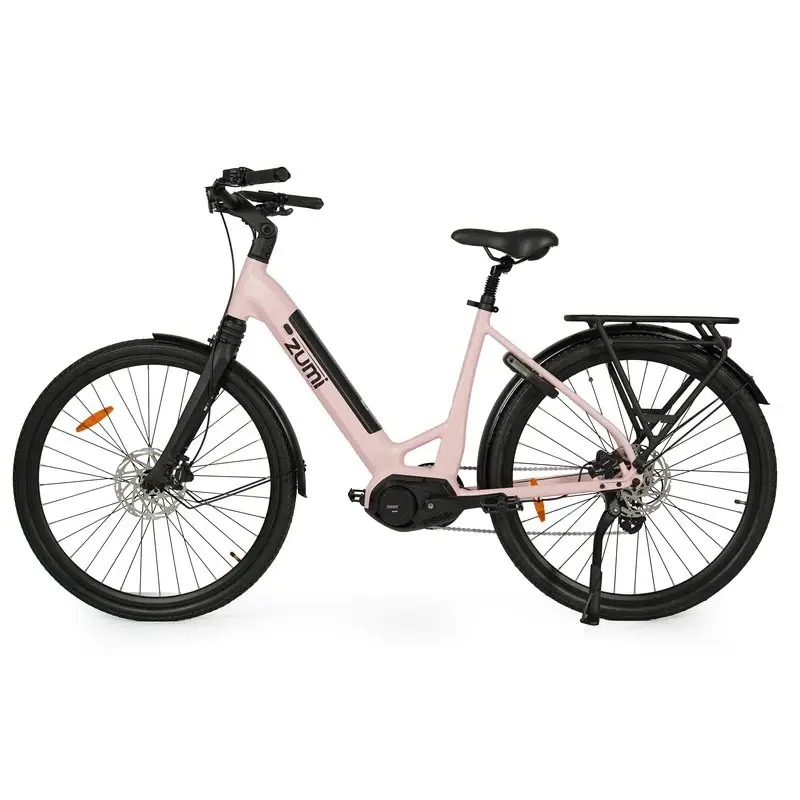
2026/08/03
Avoid liability & import bans: Learn IEC 62619, UN 38.3, and UL 2271—plus how to verify real compliance (not fakes).
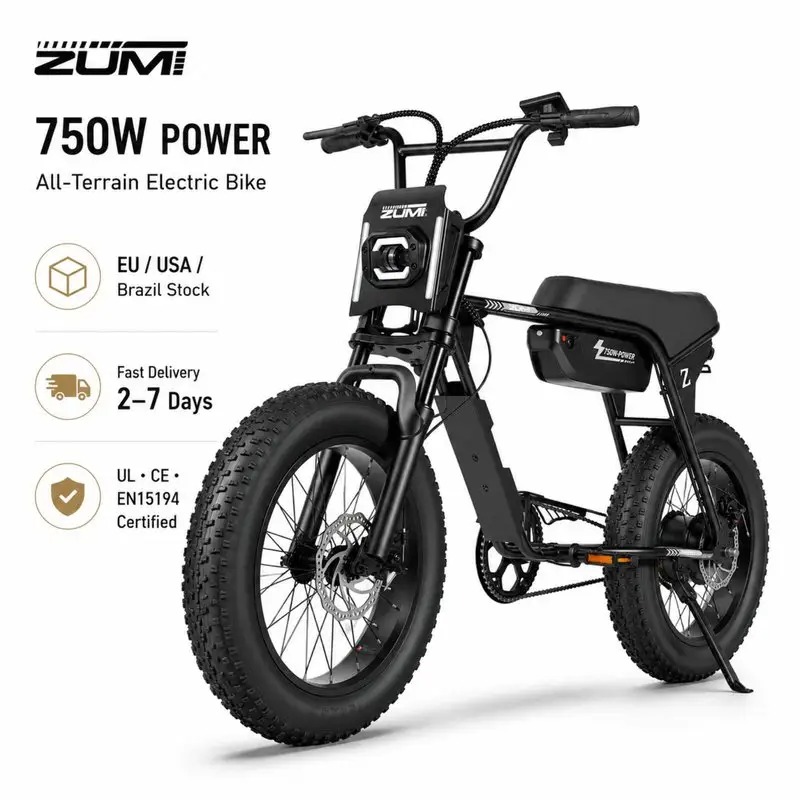
2026/08/03
Learn precise air pressure, rebound & compression tuning for optimal suspension performance. Get pro-level setup tips now.
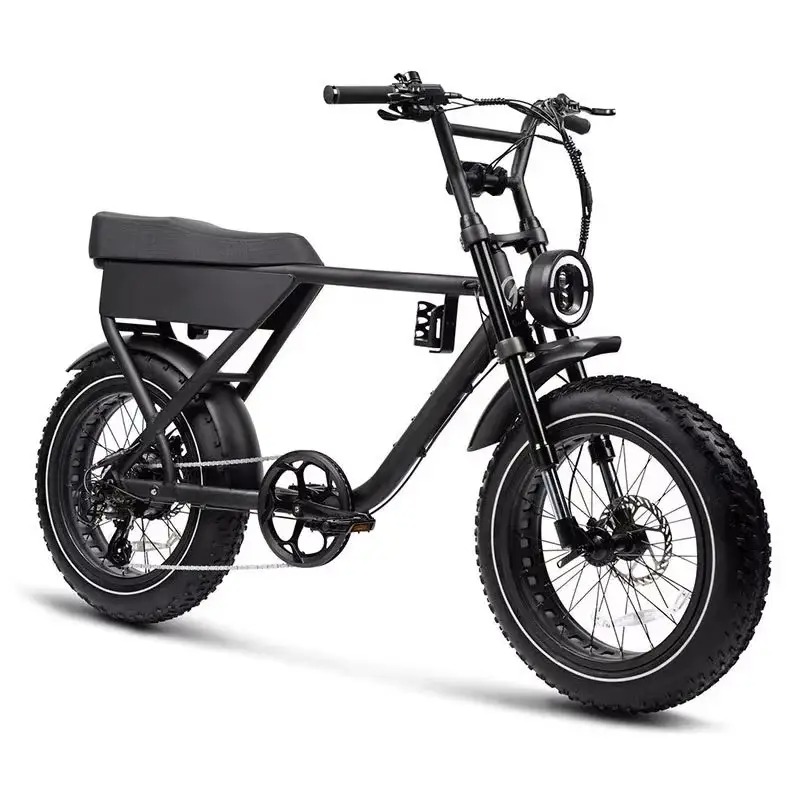
2026/08/03
Discover how voltage drop saps performance—and proven fixes to restore responsiveness, range, and battery life. Read now.
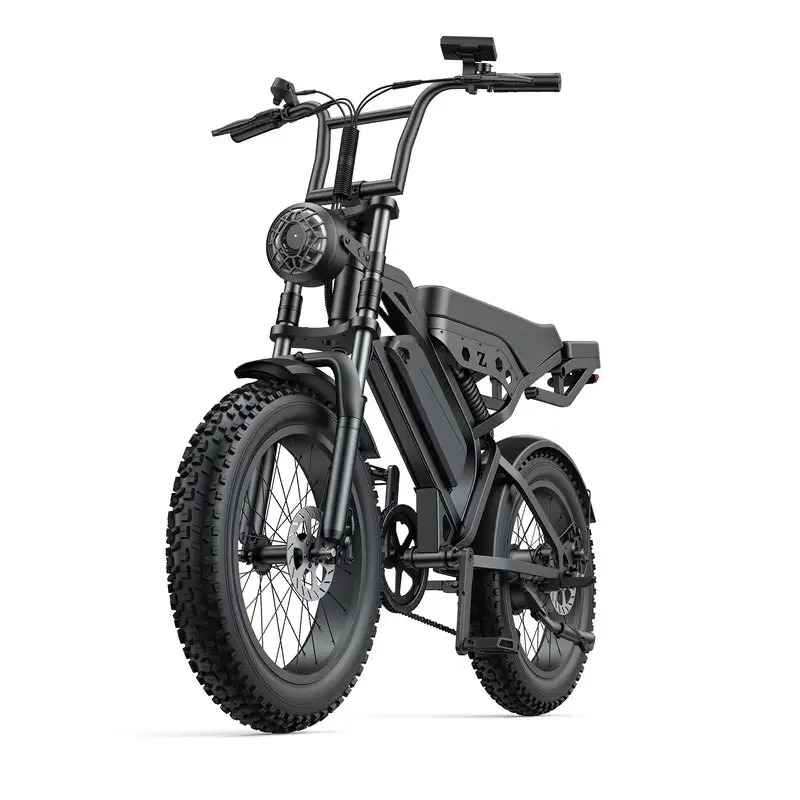
2026/08/03
Discover data-backed protocols, smart infrastructure & operational fixes. Optimize now.
2026/08/03
How payload cuts 48V cargo ebike range by 15–50%+ — backed by real-world degradation curves, motor load science & fleet optimization strategies.
Comprehensive warranty, fast parts shipping, remote diagnostics and local dealer training


