 EN
EN
STEP 1
Full vehicle warranty for 2 years
2026/08/06
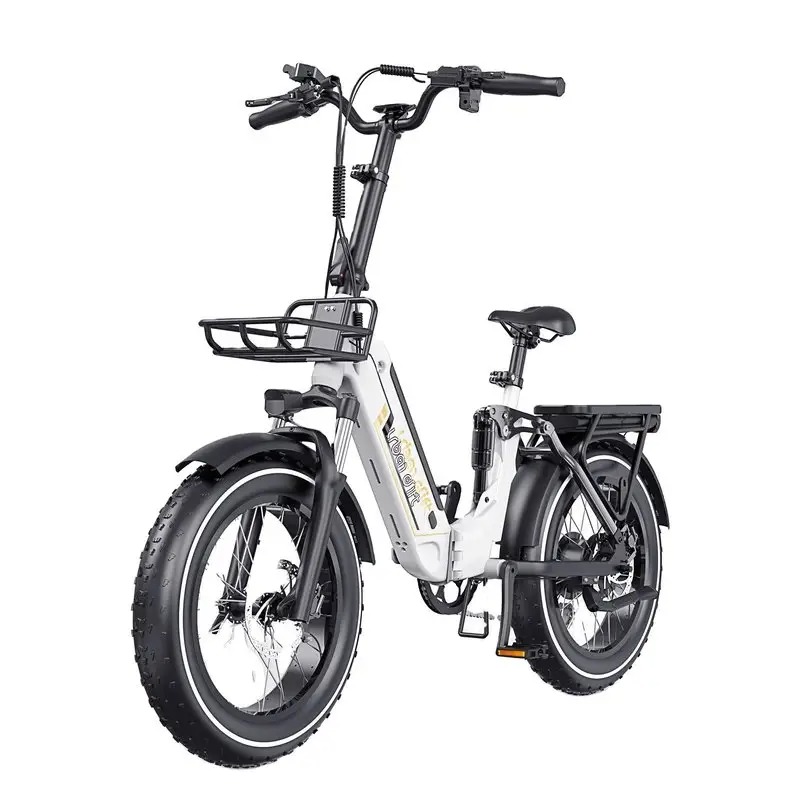
Spare part deficits represent one of the most pressing operational challenges facing regional e bike suppliers today. When critical components become unavailable, service delays cascade across entire distribution networks, directly impacting customer satisfaction and revenue. Understanding how to navigate and resolve these shortages is essential for any business relying on ebike supplier relationships. This article explores practical strategies that regional e bike suppliers use to mitigate spare part scarcity and maintain supply chain resilience.
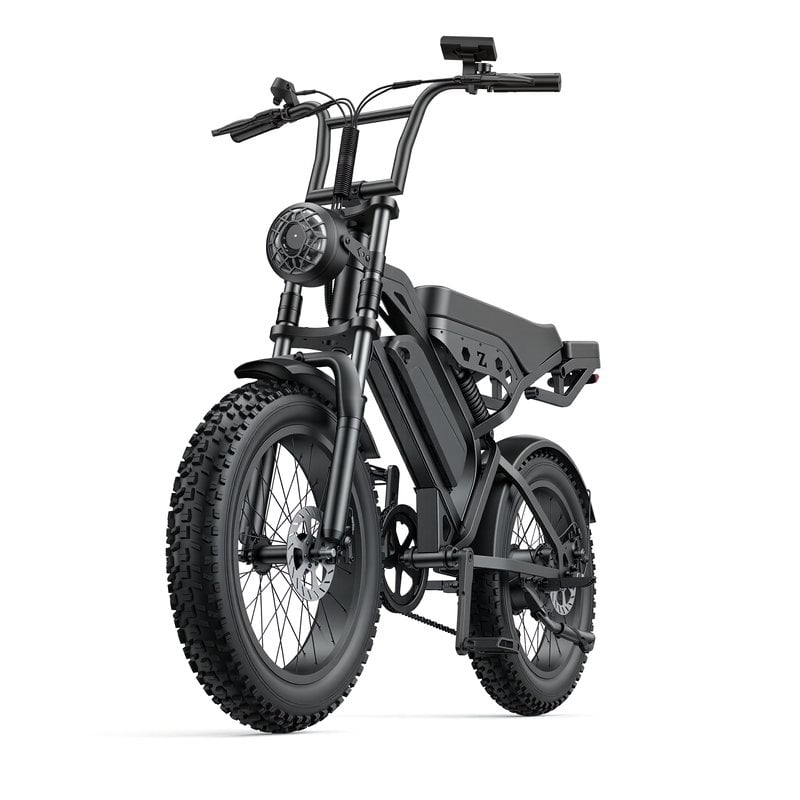
The landscape of electric bike wholesale has fundamentally changed over the past decade. Regional ebike factory operations now face unprecedented demand while simultaneously managing complex global supply chains. Spare parts that were once readily available from e bike suppliers have become constrained by material shortages, manufacturing delays, and logistics bottlenecks. Recognizing these challenges early enables businesses to develop proactive solutions rather than reactive crisis management.
Modern ebike supplier networks depend on intricate global logistics. Components manufactured in Asia must reach regional distribution centers, then flow to retailers and service centers. When disruptions occur at any stage, spare parts accumulate at wrong locations while deficits emerge elsewhere. Electric bike wholesale distributors frequently encounter situations where inventory exists but cannot be accessed due to shipping delays, customs clearance issues, or warehousing constraints. Understanding these logistics patterns helps regional operations anticipate and prevent shortages before they impact customer service.
Not all e bike suppliers produce identical components. An ebike factory manufacturing motors, batteries, or controllers may use proprietary specifications that differ from competing brands. This creates fragmentation across the market, making it difficult for service centers to stock comprehensive spare parts. Electric bike wholesale operations must navigate compatibility matrices when sourcing inventory. Regional ebike supplier networks benefit from partnerships that standardize component interfaces, reducing the number of variants that must be maintained in inventory while improving spare part availability.
Successful regional e bike suppliers maintain direct communication channels with manufacturing facilities. By working closely with ebike factory partners, distributors gain advance notice of production schedules, component availability, and potential constraints. This transparency enables electric bike wholesale operations to adjust demand forecasts and secure inventory allocations before shortages occur. Direct relationships also facilitate rapid expedited shipments when critical spare parts are needed urgently, reducing downtime for service networks.
Regional e bike suppliers use data analytics to predict spare part demand patterns across their territories. Electric bike wholesale operations now employ forecasting models that analyze historical repair data, seasonal trends, and customer demographics. By pre-positioning inventory in regional warehouses, ebike supplier networks reduce lead times and ensure spare parts are available when service calls arrive. This approach requires investment in local storage infrastructure but delivers significant returns through improved customer retention and operational efficiency.
Relying on a single ebike factory creates vulnerability when supply disruptions occur. Resilient e bike suppliers maintain relationships with multiple manufacturing partners for critical components like batteries, motors, and control systems. While managing multiple supplier relationships requires administrative overhead, the risk mitigation justifies the investment. Electric bike wholesale organizations that source from geographically diverse ebike factory networks experience fewer total shortages and can fulfill customer demand even when one supplier encounters difficulties.
Industry-level standardization efforts help e bike suppliers reduce spare part proliferation. When ebike factory manufacturers adopt common connector types, battery interfaces, or motor specifications, regional distributors can stock fewer variants while serving more customers. Electric bike wholesale networks benefit substantially from these standardization trends. Participating in industry working groups and advocating for interoperable standards positions forward-thinking ebike supplier organizations as market leaders while simultaneously solving spare part availability challenges for their service networks.
Regional e bike suppliers analyze historical repair ticket data, seasonal usage patterns, and customer demographics to predict spare part requirements. Advanced forecasting models incorporate weather patterns, market growth trends, and product age distribution to generate demand estimates. Collaborating with service centers to share repair data improves forecast accuracy across ebike supplier networks. Electric bike wholesale operations that implement systematic forecasting reduce both excess inventory and shortage incidents simultaneously.
Successful e bike suppliers maintain relationships with multiple ebike factory partners and expedited shipping options. When unexpected spare part deficits occur, having alternative sourcing channels and overnight delivery capabilities enables rapid response. Regional e bike suppliers also maintain safety stock of fast-moving components and establish priority allocation agreements with key manufacturing partners. Electric bike wholesale distributors that invest in flexible supply chain infrastructure gain competitive advantage during shortage periods.
Direct ebike factory relationships provide early warning about production constraints, component availability changes, and scheduled shutdowns. E bike suppliers who communicate regularly with manufacturers receive preferential treatment during tight supply periods and gain visibility into future capacity. Electric bike wholesale operations benefit from advance notice that allows proactive inventory adjustments. Strong partnerships between e bike suppliers and ebike factory partners create mutual trust that translates into better service levels and spare part access during challenging market conditions.
2026/08/03
Fix time zones, language gaps, and unclear protocols—boost speed, cut costs, and scale confidently.
2026/08/03
Avoid liability & import bans: Learn IEC 62619, UN 38.3, and UL 2271—plus how to verify real compliance (not fakes).
2026/08/03
Learn precise air pressure, rebound & compression tuning for optimal suspension performance. Get pro-level setup tips now.
2026/08/03
Discover how voltage drop saps performance—and proven fixes to restore responsiveness, range, and battery life. Read now.
2026/08/03
Discover data-backed protocols, smart infrastructure & operational fixes. Optimize now.
2026/08/03
How payload cuts 48V cargo ebike range by 15–50%+ — backed by real-world degradation curves, motor load science & fleet optimization strategies.
Comprehensive warranty, fast parts shipping, remote diagnostics and local dealer training


