 EN
EN
STEP 1
Full vehicle warranty for 2 years
2026/08/05
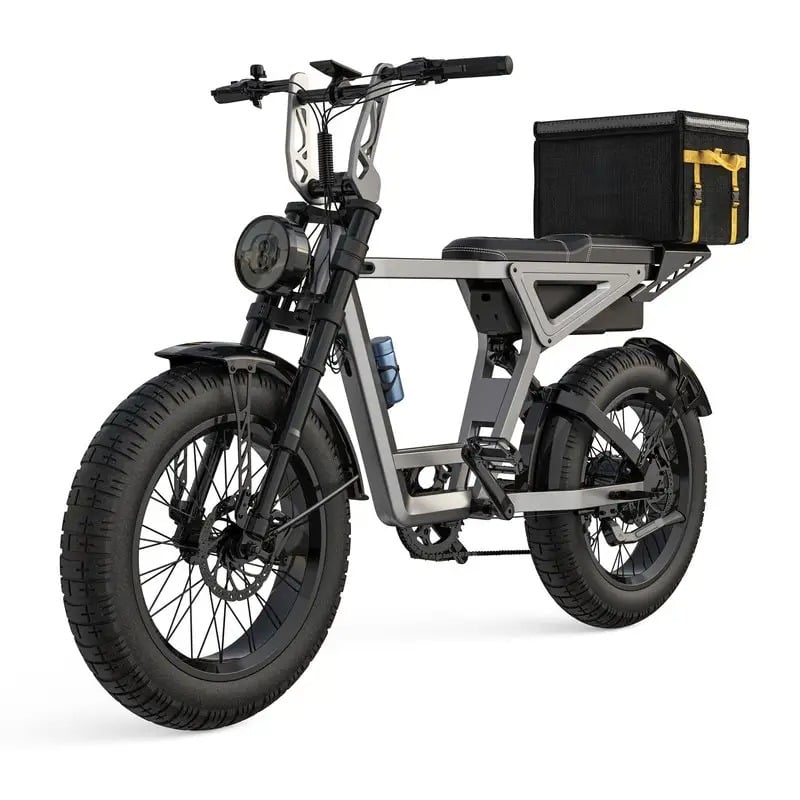
An electric cycle manufacturer must master assembly line flow to remain competitive in the rapidly expanding ebike market. The way components move through production stations, how quality is maintained at each checkpoint, and how inventory is managed directly impact profitability, delivery speed, and customer satisfaction. Modern ebike production demands precision engineering combined with lean manufacturing principles to achieve both high throughput and consistent product quality. Understanding the mechanics of assembly line organization reveals why some manufacturers scale successfully while others struggle with bottlenecks and waste.
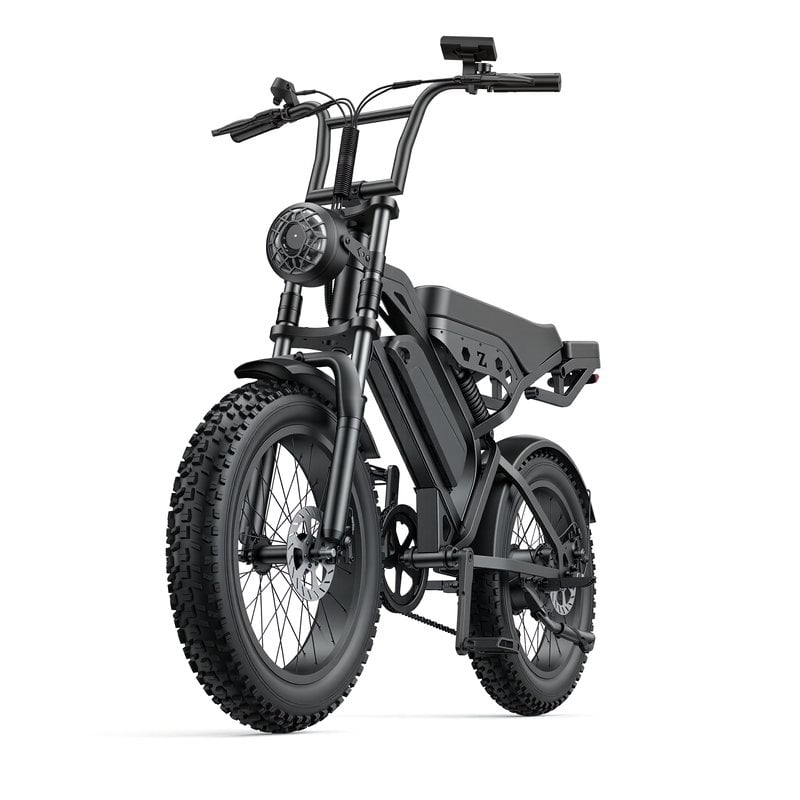
The assembly line flow at an ebike factory represents a carefully choreographed sequence of operations where each workstation adds value to the final product. From frame welding and battery integration to motor assembly and electrical testing, every step must be timed, resourced, and monitored to eliminate delays. An ebike manufacturer that organizes these processes effectively can reduce cycle times, lower defect rates, and respond faster to market demands. The complexity of electric bikes—combining mechanical components, electrical systems, and software integration—requires assembly strategies that differ fundamentally from traditional bicycle production.
The foundation of ebike assembly begins with frame production, where raw materials are cut, welded, and finished before entering the main assembly line. An ebike manufacturer must ensure frames arrive at the line free of defects and ready for component integration. This stage typically involves CNC machining for mounting points, welding for structural integrity, and surface treatment for corrosion resistance. The quality and consistency of frames directly influence the speed and reliability of downstream assembly stations, making frame preparation a critical bottleneck control point.
Integrating the motor and battery represents the most technically demanding phase in ebike factory operations. Motors require precise alignment with the drivetrain, while battery packs must be secured, wired, and tested before being installed in the frame. An ebike manufacturer coordinating this phase must maintain strict sequencing because motor and battery systems are among the highest-value components. Testing occurs both before installation and after final assembly to catch any electrical or mechanical faults. This dual-testing approach, though time-intensive, prevents costly product returns and warranty claims that would damage reputation in the competitive electric bike wholesale market.
Effective assembly line flow requires that each workstation operates with similar cycle times, preventing accumulation of inventory at slow stations or starvation at fast ones. An ebike manufacturer must analyze labor requirements, equipment capabilities, and task complexity to balance the load across the line. Some operations, such as frame preparation, may be automated with robotic welding systems, while others, like final assembly and testing, may remain manual to accommodate design variations. The goal is to create a rhythm where products move through the line smoothly without excessive queuing or idle worker time. This principle, borrowed from automotive manufacturing, becomes increasingly important as production volumes grow.
An ebike factory that embraces lean manufacturing can identify and eliminate non-value-adding activities that increase lead times and costs. Common waste sources include excessive movement between stations, rework caused by quality defects, waiting time for components, and over-processing of features that customers do not value. Regular gemba walks—where managers observe the line firsthand—reveal improvement opportunities that worker suggestions might surface. An electric bike wholesale supplier that systematizes continuous improvement gains cumulative advantages in cost structure, delivery reliability, and product innovation speed over competitors who treat assembly as static.
Quality cannot be inspected into a product; it must be built in at each assembly stage. An ebike manufacturer strategically places quality checkpoints where defects are most likely to occur or where discovering problems early prevents costly rework. After motor installation, electrical continuity tests verify that connections are secure and functional. After brake assembly, hydraulic pressure tests ensure stopping performance meets safety standards. After battery installation, voltage and charge-cycle tests confirm the power system operates within specifications. These in-process checks increase direct labor costs slightly but dramatically reduce the risk of shipping defective units that would trigger returns and damage market reputation.
Before ebikes leave the ebike factory, they undergo comprehensive functional testing that simulates real-world conditions. This includes motor power delivery under load, brake performance, electrical system stability, and software calibration verification. Many manufacturers use a test track or roller dynamometer where finished ebikes are operated under controlled conditions to catch any latent defects. An electric cycle manufacturer that invests in thorough final testing builds customer confidence and reduces warranty expenses. This discipline particularly matters for electric bike wholesale customers who resell units to end consumers and cannot tolerate quality surprises that reflect poorly on their brand.
Bottleneck reduction starts with identifying which stations have the longest cycle times using time studies and data collection. An ebike manufacturer can then allocate additional labor, invest in automation for that station, or redesign the process to eliminate unnecessary steps. Buffering components before the bottleneck station prevents upstream workers from becoming idle, while scheduling flexibility ensures resource availability. Regular rebalancing as processes improve prevents new bottlenecks from emerging.
Automation is most cost-effective for high-volume, repetitive tasks with minimal variation, such as frame welding, painting, and battery pack assembly. An ebike manufacturer invests in automation where the number of units justifies the capital cost and engineering effort. However, final assembly, quality testing, and customization typically remain manual because of design flexibility and cost economics at moderate volumes. The mix of automation and manual labor depends on the electric bike wholesale volumes the manufacturer targets and the variety of product configurations offered.
Supply chain resilience requires an ebike manufacturer to maintain strategic inventory buffers for high-impact, long-lead-time components like motors and battery cells. Diversifying suppliers across geographies reduces single-source dependency. Many manufacturers implement demand-driven scheduling using forecast data to adjust production rates without creating excess inventory. During disruptions, prioritizing orders for key customers and communicating transparently about delivery timelines maintains trust even when shortages occur.
2026/08/03
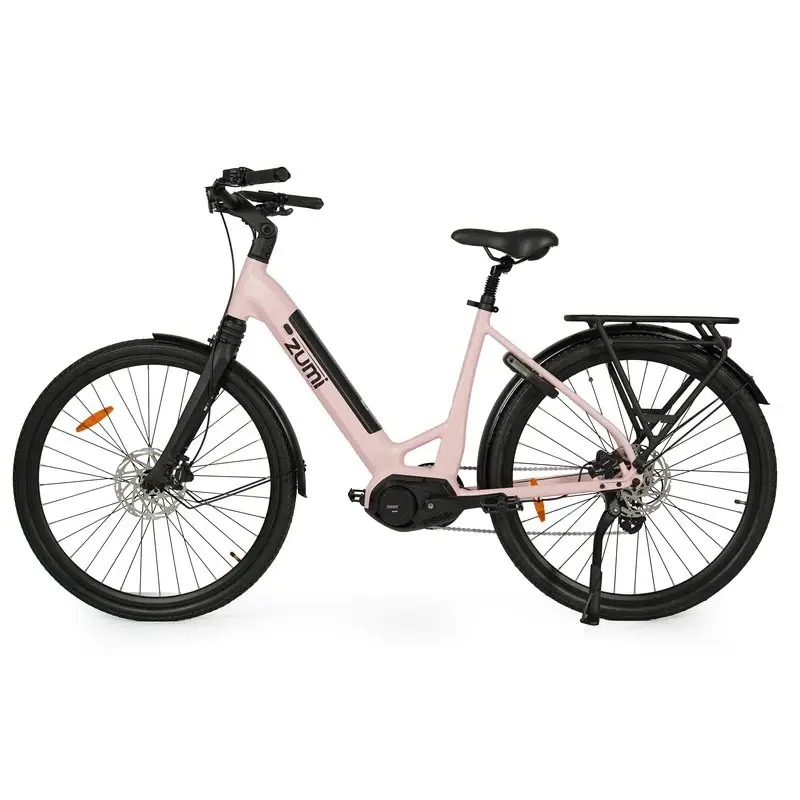
Fix time zones, language gaps, and unclear protocols—boost speed, cut costs, and scale confidently.
2026/08/03
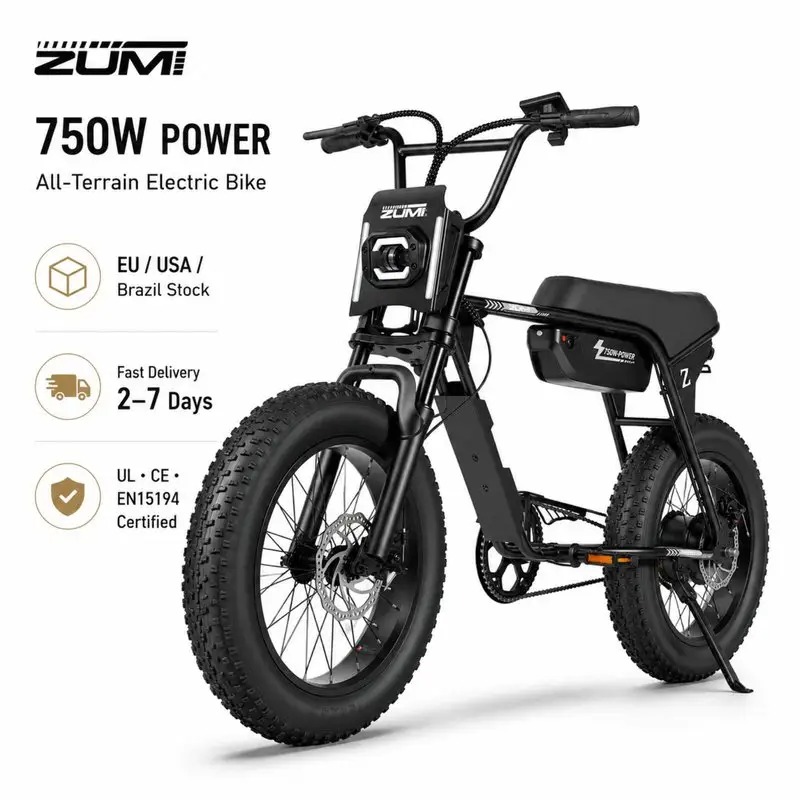
Avoid liability & import bans: Learn IEC 62619, UN 38.3, and UL 2271—plus how to verify real compliance (not fakes).
2026/08/03
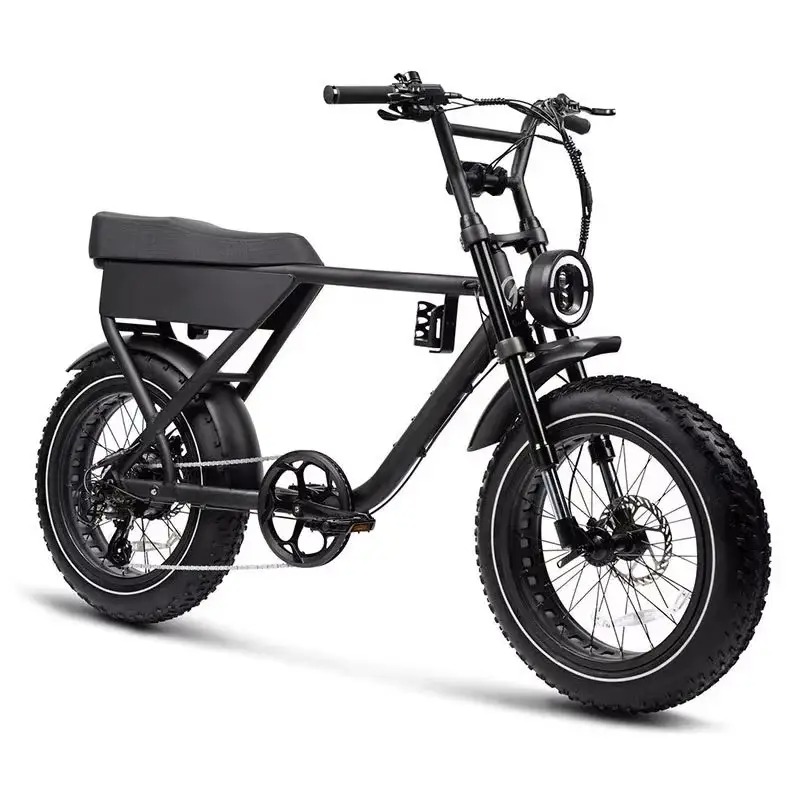
Learn precise air pressure, rebound & compression tuning for optimal suspension performance. Get pro-level setup tips now.
2026/08/03
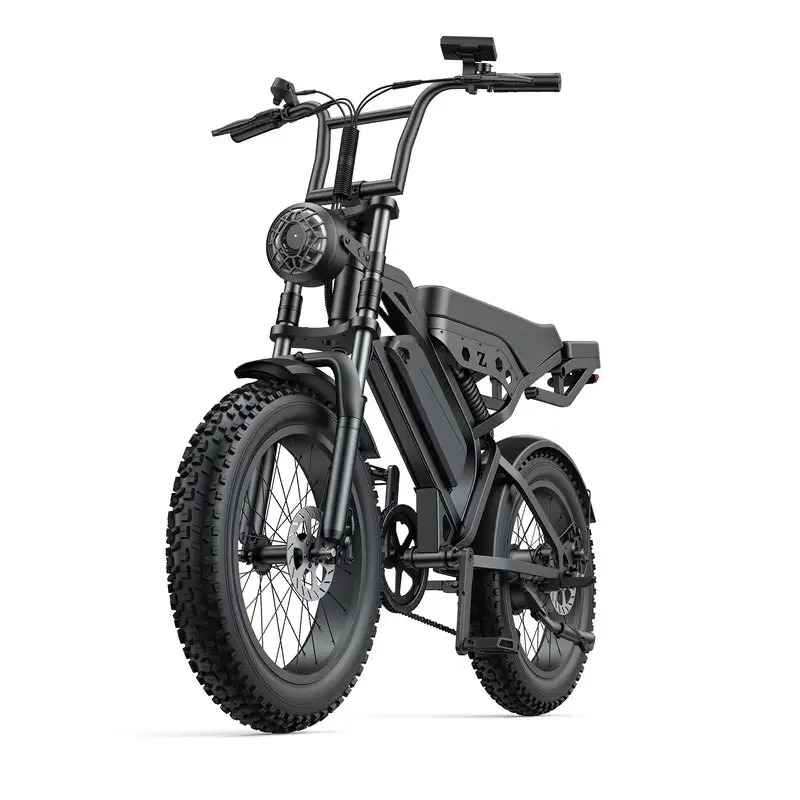
Discover how voltage drop saps performance—and proven fixes to restore responsiveness, range, and battery life. Read now.
2026/08/03
Discover data-backed protocols, smart infrastructure & operational fixes. Optimize now.
2026/08/03
How payload cuts 48V cargo ebike range by 15–50%+ — backed by real-world degradation curves, motor load science & fleet optimization strategies.
Comprehensive warranty, fast parts shipping, remote diagnostics and local dealer training


