 EN
EN
STEP 1
Full vehicle warranty for 2 years
2026/08/26
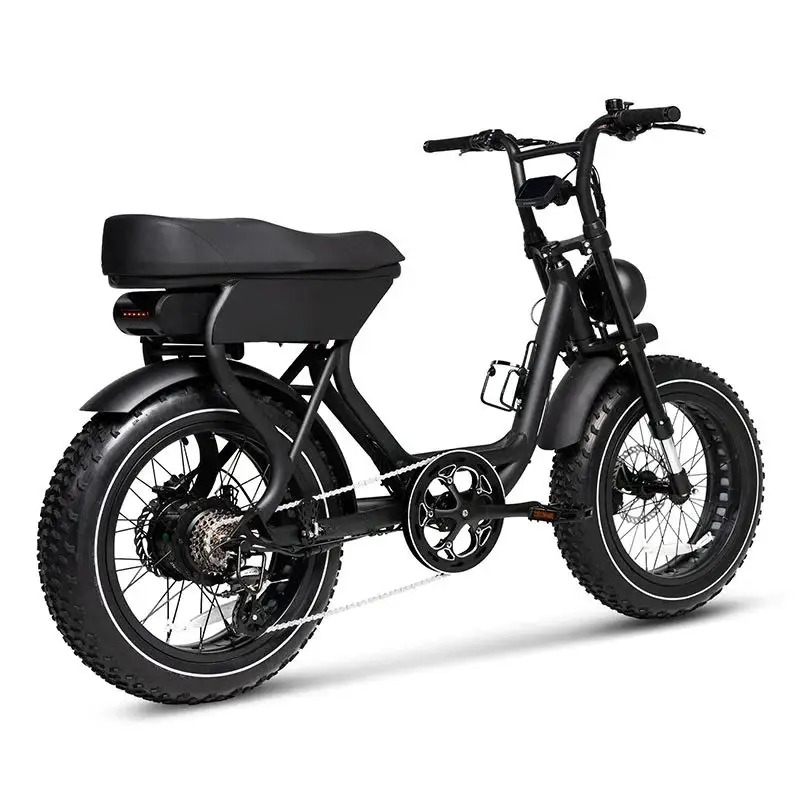
Assembly line testing represents a critical quality assurance checkpoint in modern electric bike production. Every electric bike manufacturer must implement systematic testing protocols to ensure each unit meets performance, safety, and durability standards before reaching customers. Assembly line testing catches defects early, reduces warranty claims, and protects brand reputation in an increasingly competitive market.
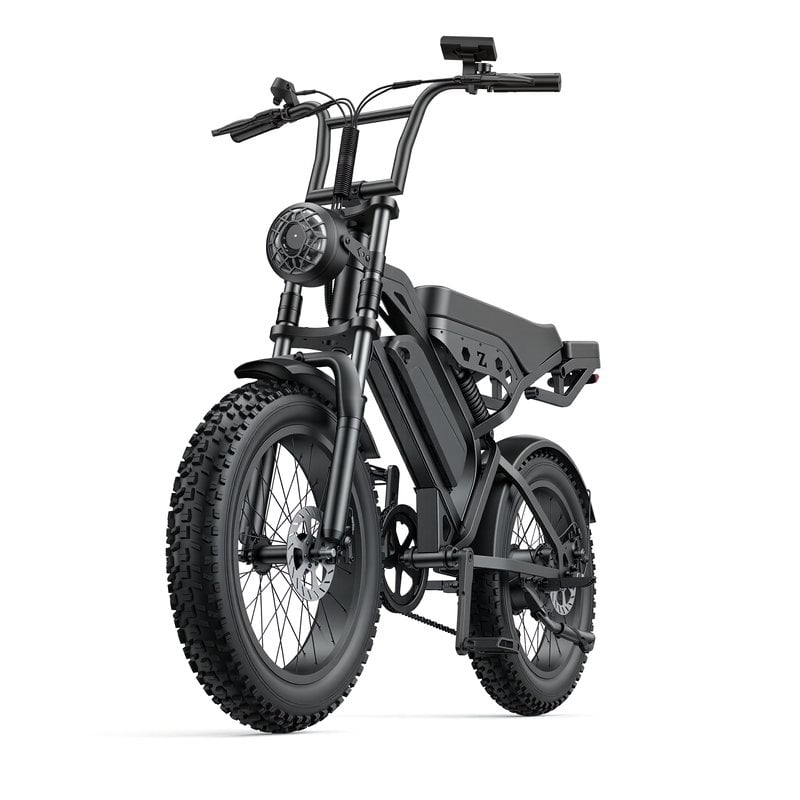
Testing occurs at multiple stages throughout the production workflow, from component inspection to final vehicle validation. Chinese electric bike companies and other electric bike makers have refined these processes to balance speed with thoroughness. Understanding how testing integrates into assembly line operations reveals why quality control is fundamental to manufacturing competitiveness and customer satisfaction.
Before any part reaches the assembly line, electric bikes factory operations begin with incoming component inspection. Battery cells, motor units, controllers, and frame materials undergo electrical and physical testing to verify specifications. Testing includes voltage output validation, insulation resistance checks, and dimensional accuracy assessments. Chinese electric bike companies maintain rigorous supplier standards because a single defective component can compromise the entire vehicle.
For 250w electric bike manufacturer operations, motor efficiency testing occurs early to ensure compliance with regional regulations and performance promises. Frame structural tests confirm weld integrity and material grade compliance. This upstream testing prevents defective parts from entering assembly, which would waste labor and create rework expenses. Quality gates at the component stage significantly reduce downstream problems and accelerate overall production efficiency.
As the electric bike progresses through assembly stations, technicians perform checkpoint tests at critical intervals. Motor mounting alignment is verified to ensure proper magnetic coil spacing and rotational balance. Brake line connections undergo pressure testing before the hydraulic system is fully sealed. Wheel alignment and spoke tension are measured against specification ranges specific to each model variant.
Electric bike makers conducting mid-assembly testing catch assembly errors before they compound into larger problems. A misaligned motor at station three becomes much more expensive to fix than at station six after electrical integration is complete. These checkpoint verifications follow lean manufacturing principles by preventing defect propagation and reducing the cost of corrections. Testing frequency at mid-assembly stages reflects the complexity of the specific electric bikes factory layout and production volume.
Final assembly line testing for electric bike manufacturers encompasses comprehensive electrical system verification. Battery pack voltage, charge acceptance rate, and cell balance are measured to confirm energy storage capacity and longevity. Motor controller programming is validated against the vehicle model specifications, ensuring torque curves, speed limits, and safety cutoffs function correctly. Power delivery consistency under load is tested using dynamometer equipment to simulate real-world riding conditions.
Electric bikes factory environments typically employ automated electrical testing rigs that cycle through standard test patterns within minutes. Chinese electric bike companies increasingly use software-controlled test benches that log detailed performance data for traceability. Each 250w electric bike manufacturer must verify that power output remains within specified tolerances across the intended temperature and load range. This electrical validation stage directly impacts customer safety and regulatory compliance.
Brake system testing ensures stopping distance meets safety standards across various load conditions and speeds. Hydraulic disc brakes are bled, pressurized, and tested for consistent friction response before the vehicle leaves the factory. Suspension components, if included, are checked for damping characteristics and travel range. Drivetrain components are tested for smooth shifting and chain tension consistency, which affects both performance and longevity.
Electric bike makers perform accelerated durability tests on sample units pulled from the production line, simulating months of customer use within hours. Vibration testing identifies loose connections or components prone to early failure. These mechanical checks protect the customer experience and reduce post-sale service costs. For 250w electric bike manufacturer operations, mechanical verification ensures the lighter power classification doesn't compromise structural integrity or rider safety.
Modern electric bikes factory operations integrate digital data logging into assembly line testing protocols. Each vehicle receives a unique serial number linked to test results, component batch codes, and technician identification. This traceability enables rapid root cause analysis if field failures occur and supports continuous improvement initiatives. Chinese electric bike companies employ cloud-based quality management systems that track testing data across multiple production facilities and shifts.
Data logging transforms testing from a compliance checkbox into a strategic business intelligence tool. Electric bike makers analyze trends across production batches to identify component suppliers with higher failure rates or assembly stations prone to specific defects. Statistical process control methods flag when test result variations exceed normal ranges, triggering investigation before customer-facing failures occur. For 250w electric bike manufacturer facilities, digital traceability also simplifies warranty claim processing and regulatory reporting requirements.
When assembly line testing identifies failures or out-of-specification results, documented corrective action procedures engage automatically. Defective units are segregated for rework or scrap decisions made by quality supervisors. Root cause investigations examine whether the issue stems from component quality, assembly technique, test equipment calibration, or environmental factors. Chinese electric bike companies and other electric bike makers use these insights to update work instructions, retrain technicians, or engage suppliers in performance improvement.
This closed-loop approach ensures testing drives continuous operational improvement rather than simply catching problems. Electric bikes factory managers review quality metrics weekly to identify trends requiring management attention. Defect prevention becomes a shared responsibility across procurement, engineering, and assembly teams. The combination of rigorous testing and systematic corrective action creates the foundation for consistent product quality and customer satisfaction.
Testing frequency depends on production volume, product complexity, and quality targets. Most electric bike makers implement testing at least at component intake, mid-assembly checkpoints, and final assembly before shipment. High-volume electric bikes factory operations may test every unit electronically and pull sample units for destructive durability testing. Chinese electric bike companies often perform 100% electrical testing on all units while using statistical sampling for mechanical durability validation. Testing intervals should be documented in quality plans and adjusted based on defect data and customer feedback.
A 250w electric bike manufacturer requires specialized test rigs for motor and controller validation, dynamometers for power output measurement, brake testing benches for stopping distance verification, and dimension inspection tools for mechanical fit verification. Digital multimeters, battery analyzers, and oscilloscopes support electrical diagnostics. Environmental chambers may simulate temperature extremes if the product operates in variable climates. Chinese electric bike companies increasingly invest in automated test stations to reduce labor costs and improve consistency. The specific equipment portfolio should match the vehicle specifications and regulatory requirements for target markets.
Electric bikes factory operations maintain test equipment calibration through regular validation against known reference standards, performed by certified metrology technicians. Calibration records are kept on file to demonstrate regulatory compliance. Test procedures are standardized through written work instructions and operator training certification. Chinese electric bike companies implement blind audits where quality supervisors independently verify test results on sample units to detect potential operator drift or equipment malfunction. Technology like automated testing rigs reduces operator-dependent variation and improves repeatability. Continuous monitoring of test result distributions helps identify when equipment needs maintenance or recalibration before actual product quality suffers.
2026/08/03
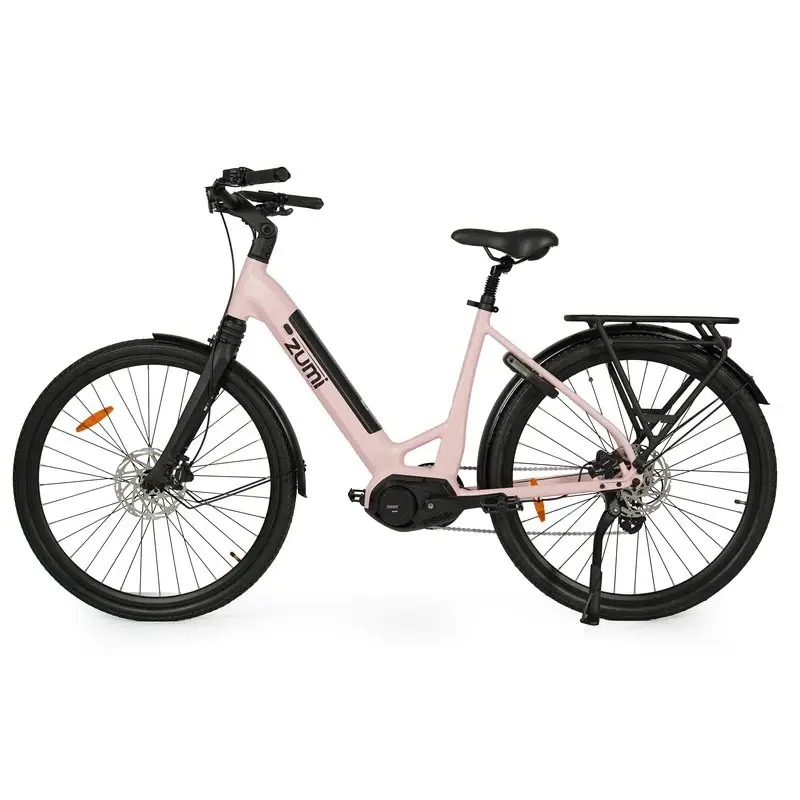
Fix time zones, language gaps, and unclear protocols—boost speed, cut costs, and scale confidently.
2026/08/03
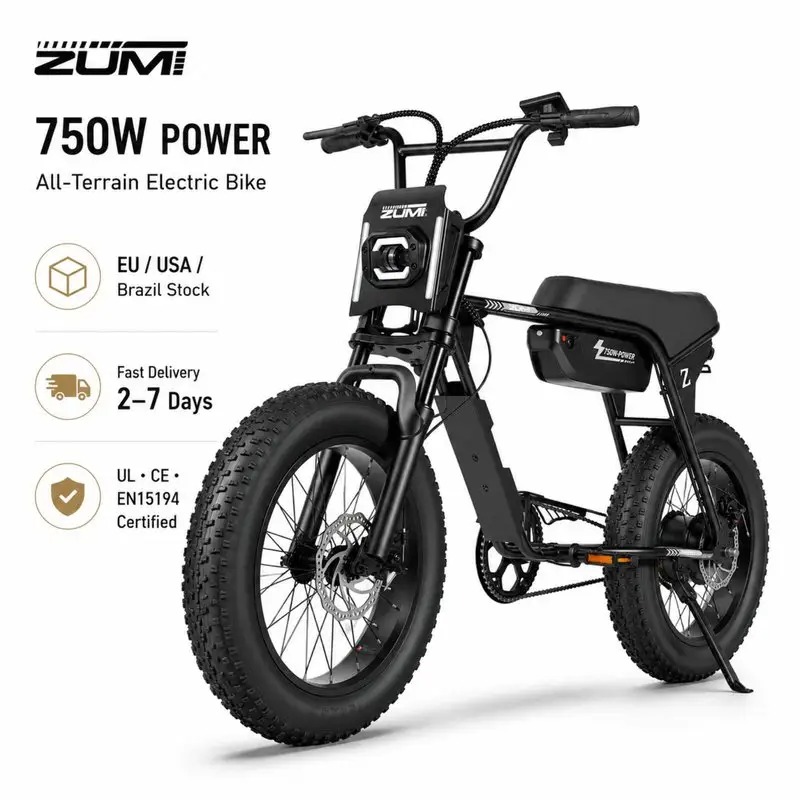
Avoid liability & import bans: Learn IEC 62619, UN 38.3, and UL 2271—plus how to verify real compliance (not fakes).
2026/08/03
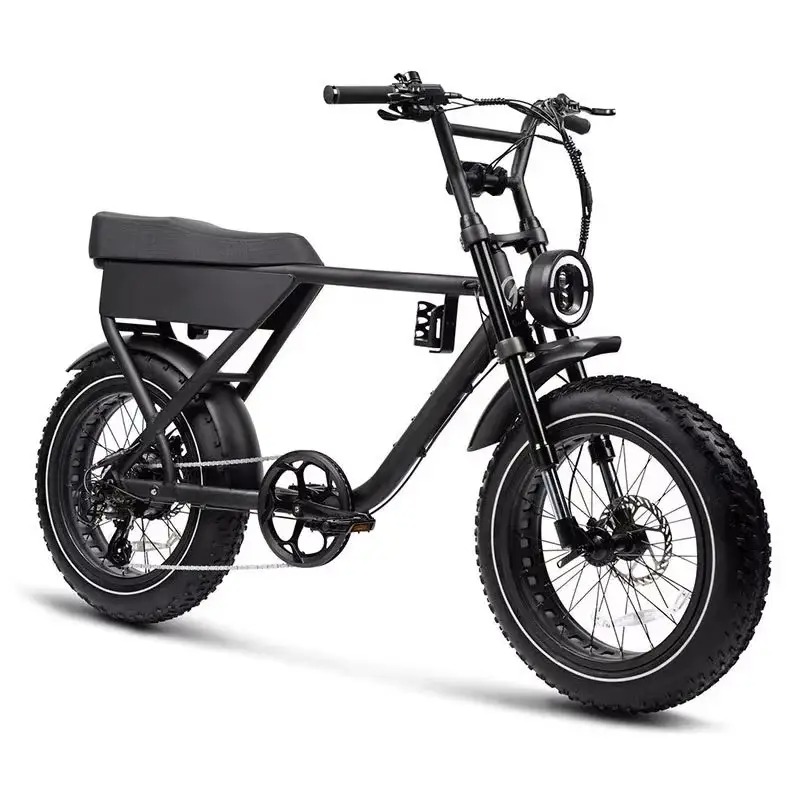
Learn precise air pressure, rebound & compression tuning for optimal suspension performance. Get pro-level setup tips now.
2026/08/03
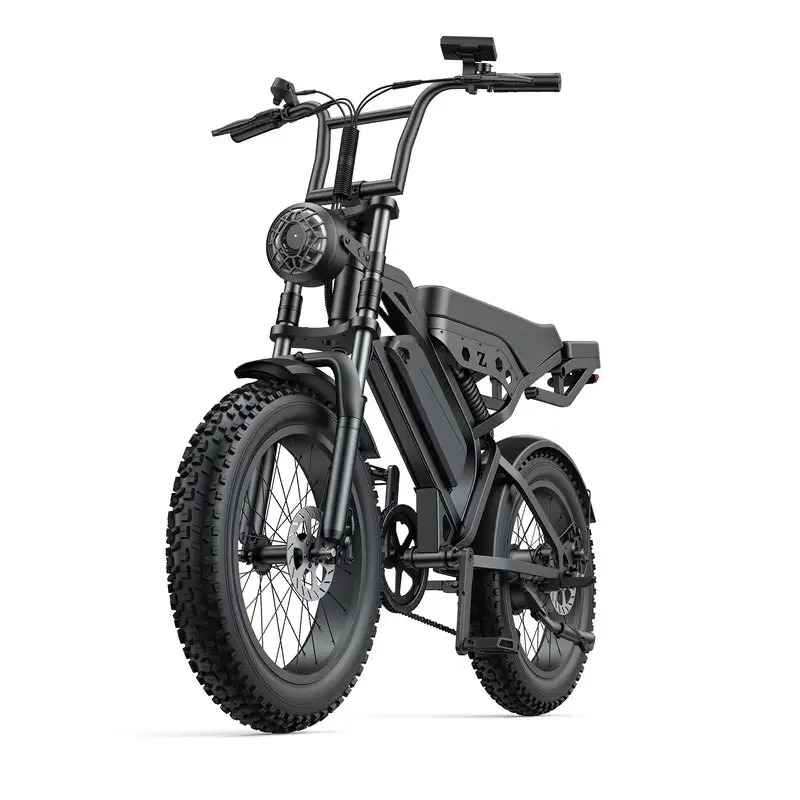
Discover how voltage drop saps performance—and proven fixes to restore responsiveness, range, and battery life. Read now.
2026/08/03
Discover data-backed protocols, smart infrastructure & operational fixes. Optimize now.
2026/08/03
How payload cuts 48V cargo ebike range by 15–50%+ — backed by real-world degradation curves, motor load science & fleet optimization strategies.
Comprehensive warranty, fast parts shipping, remote diagnostics and local dealer training


