 EN
EN
STEP 1
Full vehicle warranty for 2 years
2026/08/25
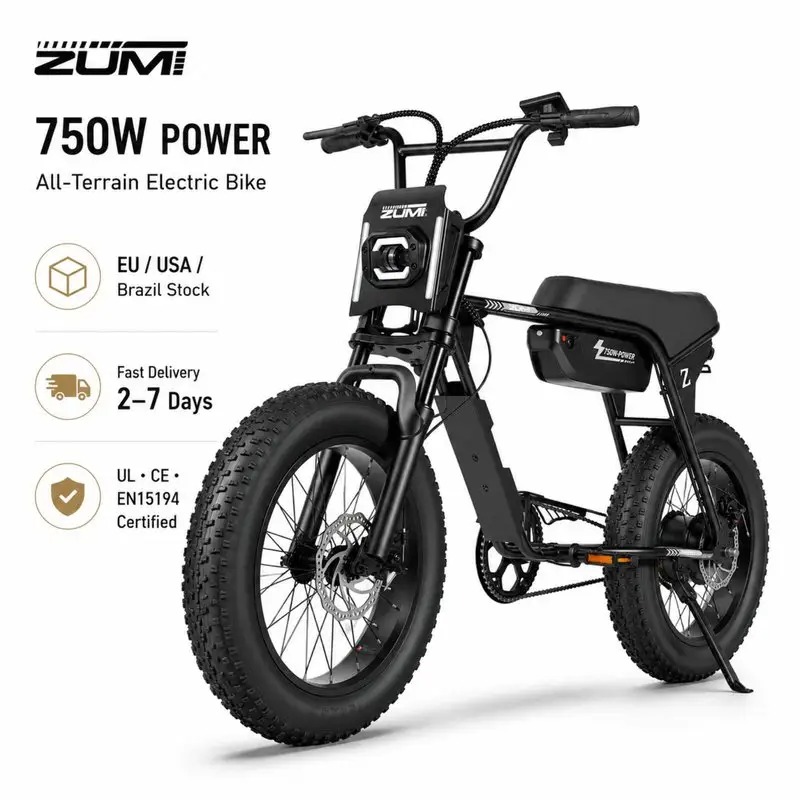
A 1000w e mountain bike represents a significant investment in off-road electric mobility, delivering power and performance that demands careful battery planning. Understanding the battery capacity required to support a 1000-watt motor is essential for riders who want to maximize range, maintain consistent performance, and avoid unexpected power depletion on technical terrain. The relationship between motor wattage and battery capacity is not arbitrary; it reflects real-world physics, riding conditions, and the practical demands of mountain biking.
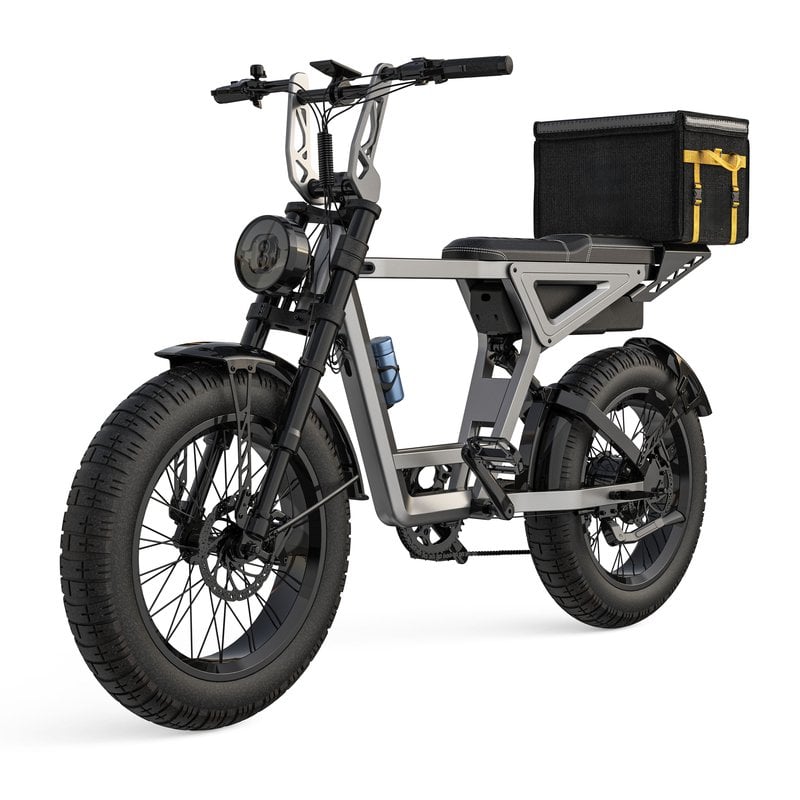
A 1000-watt motor consumes significantly more energy than lower-power alternatives, especially during sustained climbing, acceleration, and aggressive trail riding. Battery capacity directly influences how long your 1000w ebike can maintain peak performance before throttling or requiring a full charge. Riders must account for variables including motor efficiency, terrain difficulty, rider weight, assistive mode selection, and ambient temperature. This comprehensive guide explores the battery capacity demands of a 1000w electric mountain bike and provides practical insight into selecting and maintaining the right power system for your riding style.
A 1000w ebike motor operates at the threshold of high-performance electric assist, consuming power at rates that quickly deplete undersized battery packs. The 1000-watt classification refers to the motor's maximum power output, but actual consumption varies throughout a ride based on terrain gradient, speed, and rider input. On flat terrain at moderate assistance levels, the 1000w ebike draws less continuous power; however, steep climbs and full-throttle acceleration demand the motor operate near its rated capacity for extended periods, dramatically increasing energy consumption.
Battery voltage and amp-hour capacity determine how much total energy the system can deliver. Most modern 1000w ebike systems use 48-volt battery packs because this voltage supports the high current demands of powerful motors while maintaining manageable component weight. A 48-volt system paired with a 1000-watt motor typically requires substantial capacity, commonly ranging from 15 to 25 amp-hours, to provide practical range and sustained performance on challenging mountain trails.
Electric mountain bike motors are not 100 percent efficient; some energy converts to heat rather than mechanical power. A typical mid-drive or hub motor in a 1000w electric mountain bike operates at approximately 85 to 92 percent efficiency, meaning 8 to 15 percent of electrical energy is lost internally. This efficiency loss means a 1000-watt motor actually draws slightly more than 1000 watts from the battery during peak performance, reinforcing the importance of adequate battery capacity to sustain continuous output.
Real-world power consumption also depends on how you ride. Steady climbing at moderate speed consumes less total energy than repeated acceleration bursts, even though sustained climbing maintains near-peak power draw. Riders who frequently use full throttle or maximum assistance levels require significantly more battery capacity than those who rely on lower assistance tiers and pedal input for additional propulsion.
Battery capacity, measured in watt-hours (Wh), determines total energy availability for your electric mountain bike. Watt-hours equal voltage multiplied by amp-hours; a 48-volt, 20 amp-hour battery stores 960 watt-hours of energy. For a 1000w ebike to deliver meaningful range and reliable performance, industry standards suggest battery capacity of at least 750 to 1000 watt-hours, with premium mountain ebikes often exceeding 1200 watt-hours for extended adventures.
The relationship between motor power and required battery size follows practical guidelines developed through real-world testing. A rough rule suggests that each watt of continuous motor power requires approximately 0.5 to 1 watt-hour of usable battery capacity to sustain one hour of riding. For a 1000w electric mountain bike operating at moderate continuous output of 600 to 700 watts, this translates to requiring 600 to 700 watt-hours minimum, though manufacturers typically equip 1000-watt systems with 800 to 1500 watt-hours to ensure practical range and performance headroom.
Mountain terrain dramatically affects battery capacity demands because climbing and technical sections maintain near-peak motor output. A 1000w ebike climbing a steep hillside draws substantial current for extended periods, depleting battery reserves quickly compared to flat cross-country riding. Riders tackling predominantly hilly or mountainous terrain should prioritize battery capacity toward the higher end of the range, potentially choosing 1000 to 1500 watt-hour packs to maintain consistent performance throughout a full day of riding.
Ambient temperature also influences effective battery capacity; cold weather reduces electrochemical efficiency, effectively lowering available energy by 15 to 25 percent in freezing conditions. Riders in cooler climates or those riding during winter months should account for this performance reduction when selecting battery capacity for their 1000w electric mountain bike, potentially choosing systems with higher capacity than riders in temperate regions.
Larger capacity battery packs add weight to your mountain ebike, affecting handling, acceleration, and climbing feel. A 48-volt, 25 amp-hour battery weighs approximately 3.5 to 4.5 kilograms, representing a significant portion of total system mass for a 1000w ebike. Riders must balance the desire for extended range against the practical handling benefits of lighter systems, recognizing that the added weight impacts both climbing performance and technical trail control.
Battery placement also influences bike dynamics; frame-integrated or frame-mounted packs position weight near the bike's center of gravity, improving handling compared to rear-rack mounted systems. When evaluating a 1000w electric mountain bike, consider how battery placement interacts with suspension design and geometry to ensure optimal weight distribution and ride characteristics for your intended use.
Higher capacity battery packs require proportionally longer charging times, typically adding 4 to 8 hours or more for complete recharge from completely depleted state. Riders should consider realistic daily usage patterns; if you can only charge overnight, a larger capacity pack ensures sufficient energy for the next day's riding. Alternatively, riders with access to midday charging opportunities might choose moderate capacity systems paired with portable fast chargers for flexibility during extended adventures.
A 1000w ebike with moderate capacity of 750 to 1000 watt-hours typically charges in 3 to 5 hours with standard chargers, while higher-capacity systems reaching 1500 watt-hours may require 6 to 10 hours. Fast chargers can reduce these times by 30 to 50 percent but may slightly reduce battery lifespan through thermal stress. Understanding your realistic charging window helps determine optimal battery capacity for consistent trail access without constant management concerns.
Most 1000w ebike systems feature battery packs ranging from 750 to 1500 watt-hours, with 1000 to 1200 watt-hours representing the common sweet spot for balanced range and weight. The specific capacity depends on your terrain, riding style, and target range. A 48-volt system delivering 20 to 25 amp-hours provides practical performance for varied mountain conditions while maintaining acceptable bike weight and reasonable charging times.
A 1000w electric mountain bike drains battery capacity significantly faster than lower-wattage systems during sustained acceleration or climbing because the motor draws substantially higher current. At moderate assistance levels, a 1000w ebike may provide similar range to 500-watt systems; however, using full power output can deplete the battery 50 to 100 percent faster. Your actual range depends critically on how aggressively you use the motor; conservative riders may achieve 40 to 60 kilometers, while aggressive riders might see 20 to 35 kilometers on the same battery.
Many 1000w ebike systems support battery upgrades, provided the larger capacity pack uses compatible voltage and connector standards. Upgrading from a 20 amp-hour to a 25 amp-hour pack at the same voltage adds range and performance headroom without requiring motor or controller modifications. However, confirm compatibility with your specific bike's electrical system before purchasing upgrade batteries, as some systems have proprietary connections or software limitations that restrict interchangeability across manufacturers.
2026/08/03
Fix time zones, language gaps, and unclear protocols—boost speed, cut costs, and scale confidently.
2026/08/03
Avoid liability & import bans: Learn IEC 62619, UN 38.3, and UL 2271—plus how to verify real compliance (not fakes).
2026/08/03
Learn precise air pressure, rebound & compression tuning for optimal suspension performance. Get pro-level setup tips now.
2026/08/03
Discover how voltage drop saps performance—and proven fixes to restore responsiveness, range, and battery life. Read now.
2026/08/03
Discover data-backed protocols, smart infrastructure & operational fixes. Optimize now.
2026/08/03
How payload cuts 48V cargo ebike range by 15–50%+ — backed by real-world degradation curves, motor load science & fleet optimization strategies.
Comprehensive warranty, fast parts shipping, remote diagnostics and local dealer training


