 EN
EN
STEP 1
Full vehicle warranty for 2 years
2026/09/07
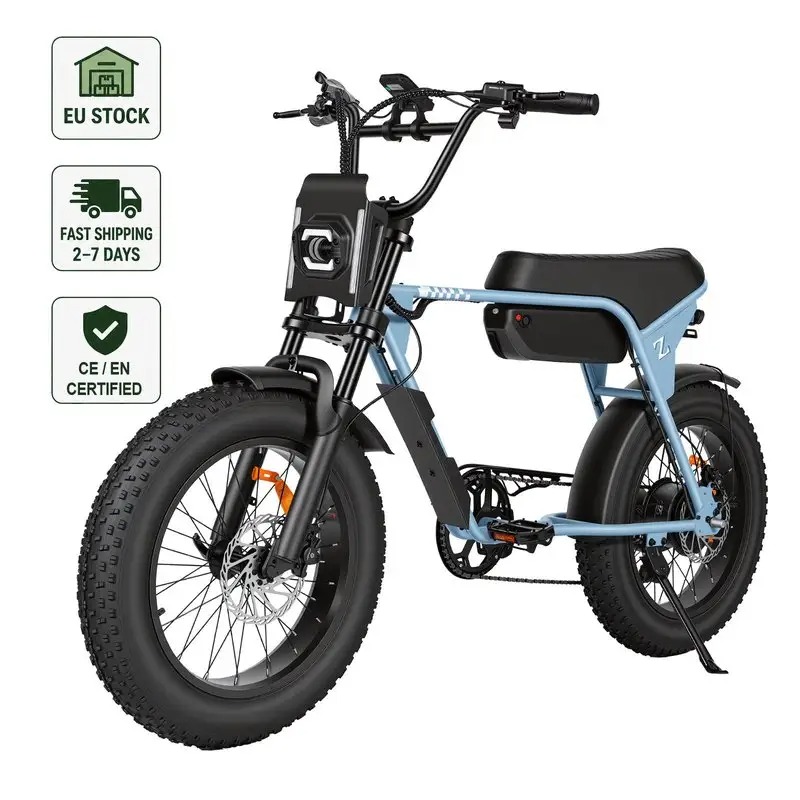
Selecting the right battery cells for your off road electric bike is one of the most critical decisions you will make when building or upgrading your ride. The battery cell choice directly impacts your machine's range, power delivery, weight distribution, and long-term reliability on challenging terrain. Whether you are tackling mountain trails or navigating desert landscapes, understanding battery cell fundamentals ensures you invest in components that match your riding demands and budget constraints.
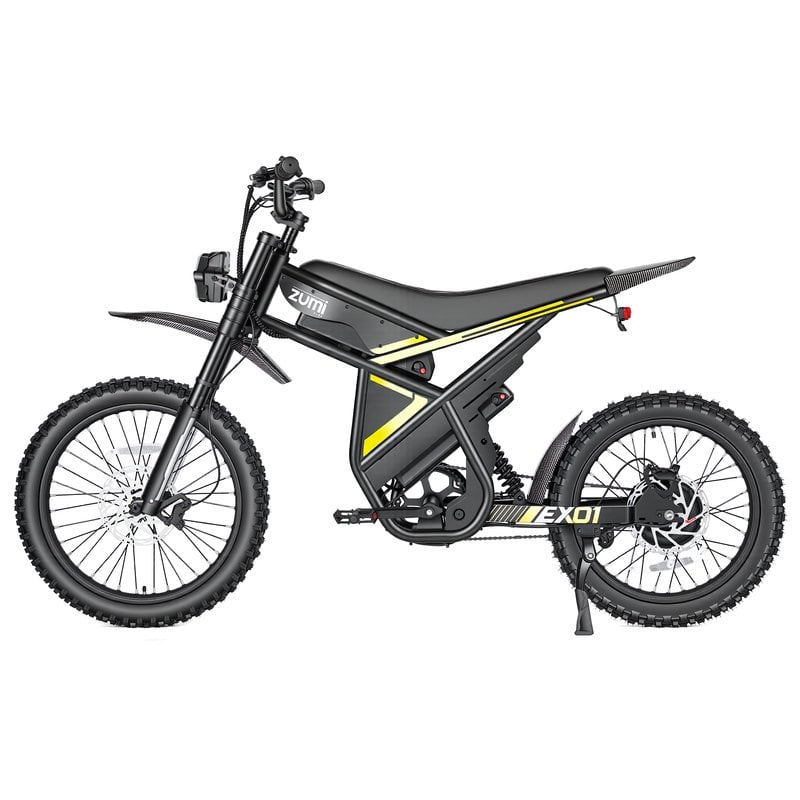
When considering ebikes off road, you encounter numerous cell chemistry options, capacity ratings, and discharge rate specifications. Each variable influences how your ebikes off road performs under load, how quickly it charges, and how many years it will reliably serve you. This guide walks you through the essential criteria for evaluating battery cells so you can make informed decisions that align with your riding style and terrain challenges.
Lithium-ion chemistry remains the industry standard for fat tire off road electric bikes due to its high energy density and proven reliability. These cells store more energy in a compact form compared to older nickel-based alternatives, reducing overall bike weight while maintaining sufficient power for steep climbs and rocky descents. Lithium-ion cells also exhibit lower self-discharge rates, meaning your electric off road mountain bike retains charge longer when stored between rides.
The discharge characteristics of lithium-ion cells deliver consistent voltage throughout the charge cycle, enabling predictable performance on technical trails. This stability allows your motor controller to maintain steady torque output as you navigate obstacles and uneven surfaces. Modern fat tire off road electric bike manufacturers prioritize lithium-ion cells because they handle rapid charging without degradation and tolerate temperature fluctuations common in outdoor riding environments.
Battery cell cycle life refers to the number of complete charge and discharge cycles a cell maintains before capacity drops below 80 percent of its original rating. For ebikes off road, premium lithium cells typically deliver between 800 and 1500 full cycles depending on chemistry variant and manufacturing quality. Understanding cycle life helps you estimate your total cost of ownership since replacing battery packs represents a significant expense over your electric off road mountain bike's lifespan.
Environmental factors including temperature, storage conditions, and charging habits directly influence how many cycles your cells provide. Extreme heat accelerates degradation, while proper maintenance protocols extend usable lifespan significantly. When evaluating fat tire off road electric bike battery options, prioritize manufacturers with transparent cycle life ratings and warranty coverage that reflects realistic durability expectations.
Battery capacity measured in amp-hours (Ah) indicates how much current a cell can deliver over one hour. Your ebikes off road range depends directly on total amp-hour capacity combined with your motor's power consumption and riding conditions. Rough terrain, heavy loads, and aggressive riding drain batteries faster than smooth paths, so realistic range always falls below manufacturer estimates in real-world riding scenarios.
A typical electric off road mountain bike battery pack containing cells rated at 500Wh to 1000Wh provides sufficient range for recreational trail riding, while serious riders often opt for fat tire off road electric bike configurations exceeding 1200Wh capacity. Larger capacity packs add weight and cost but enable longer adventures without exhausting power reserves. Evaluate your typical riding distance before selecting capacity to avoid overpaying for unnecessary energy storage.
Battery cell voltage significantly affects motor performance, controller selection, and overall system efficiency. Common off road electric bike configurations use 48V or 52V nominal voltages, with some premium ebikes off road systems utilizing 72V or higher. Your motor specifications must match your battery voltage precisely because mismatched systems result in poor performance or permanent hardware damage.
Higher voltage systems offer advantages for electric off road mountain bikes including better efficiency at high power levels and reduced current draw that minimizes resistive heating. However, 48V systems remain popular for fat tire off road electric bikes due to lower component costs and adequate performance for most trail conditions. When selecting cells, verify that your chosen configuration aligns with your motor's voltage requirements and controller specifications.
Advanced battery management systems integrated into quality off road electric bike packs incorporate temperature sensors that monitor cell conditions during charging and riding. These systems prevent thermal runaway by limiting charge rates when cells exceed safe temperature thresholds. Your ebikes off road battery pack should include built-in protection circuits that disconnect power if internal temperature or voltage reach dangerous levels.
When evaluating electric off road mountain bike batteries, confirm that the pack includes low-temperature cutoff features preventing discharge when cells become dangerously cold. This protection maintains cell integrity during winter riding or high-altitude adventures where temperatures drop significantly. Fat tire off road electric bikes operating in extreme climates benefit from batteries designed specifically for challenging environmental conditions with enhanced thermal regulation.
Battery cell internal resistance determines how much heat develops during charge and discharge cycles. Low internal resistance cells generate less waste heat, improving overall system efficiency and extending usable range per charge cycle. Your off road electric bike benefits from reduced heating because lower temperatures preserve cell capacity and extend the battery pack's operational lifespan.
Premium cells used in ebikes off road feature optimized internal construction that minimizes resistance while maintaining structural integrity under high discharge currents. Electric off road mountain bike manufacturers investing in quality cells reduce warranty claims and build customer loyalty through superior reliability. When comparing options, request internal resistance specifications and thermal performance data to identify cells that prioritize efficiency.
Choose capacity based on your typical riding distance and terrain difficulty. For casual trail riding within 30 miles per ride, a 500Wh to 750Wh pack provides adequate range. Serious off road electric mountain bike riders tackling challenging terrain should consider 1000Wh or larger packs to avoid power depletion mid-ride.
Quality lithium-ion cells in your off road electric bike battery pack typically deliver 800 to 1500 complete charge cycles before capacity degrades below 80 percent. This translates to approximately 3 to 5 years of regular riding, though proper maintenance and temperature management can extend longevity. Premium cells rated for more cycles may last longer but cost proportionally more upfront.
Yes, many fat tire off road electric bikes support battery pack upgrades provided the new pack matches your motor's voltage specifications and physical form factor. Upgrading to higher capacity cells increases your range, though you must verify compatibility with your existing controller and charging system before purchasing replacement packs.
2026/08/03
Fix time zones, language gaps, and unclear protocols—boost speed, cut costs, and scale confidently.
2026/08/03
Avoid liability & import bans: Learn IEC 62619, UN 38.3, and UL 2271—plus how to verify real compliance (not fakes).
2026/08/03
Learn precise air pressure, rebound & compression tuning for optimal suspension performance. Get pro-level setup tips now.
2026/08/03
Discover how voltage drop saps performance—and proven fixes to restore responsiveness, range, and battery life. Read now.
2026/08/03
Discover data-backed protocols, smart infrastructure & operational fixes. Optimize now.
2026/08/03
How payload cuts 48V cargo ebike range by 15–50%+ — backed by real-world degradation curves, motor load science & fleet optimization strategies.
Comprehensive warranty, fast parts shipping, remote diagnostics and local dealer training


