 EN
EN
STEP 1
Full vehicle warranty for 2 years
2026/08/31
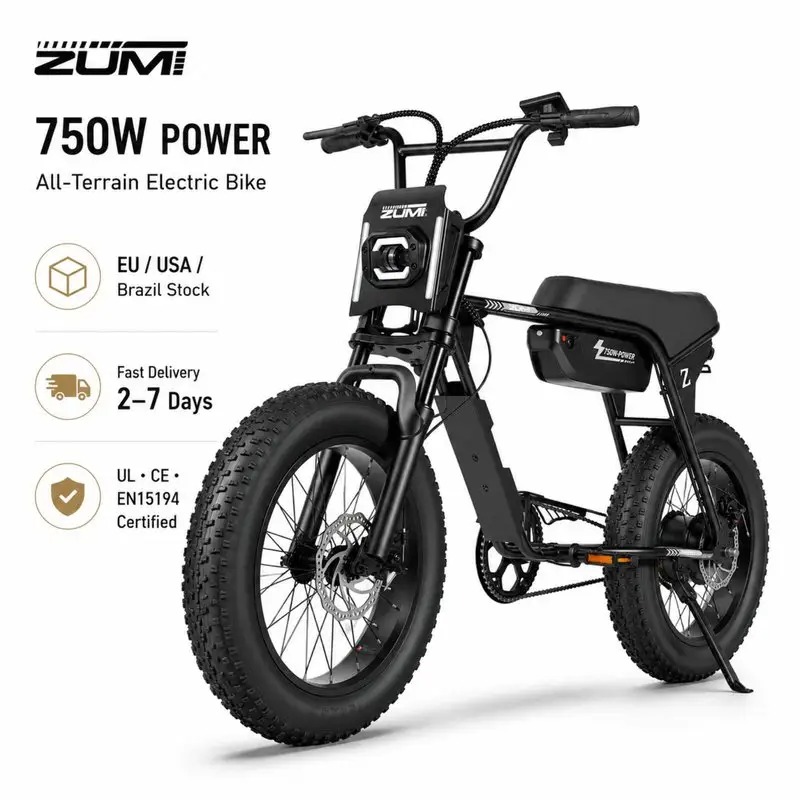
Battery management represents one of the most critical components in any wholesale electric mountain bike. The battery system directly influences how far riders can travel, how quickly the vehicle accelerates, and how long the entire electric mountain bike system remains reliable over years of use. For distributors, retailers, and end-users evaluating an ebike wholesale opportunity, understanding battery management separates informed purchasing decisions from costly mistakes. A properly managed battery extends lifespan, maintains consistent power delivery, and prevents dangerous thermal runaway or sudden failure on the trail.
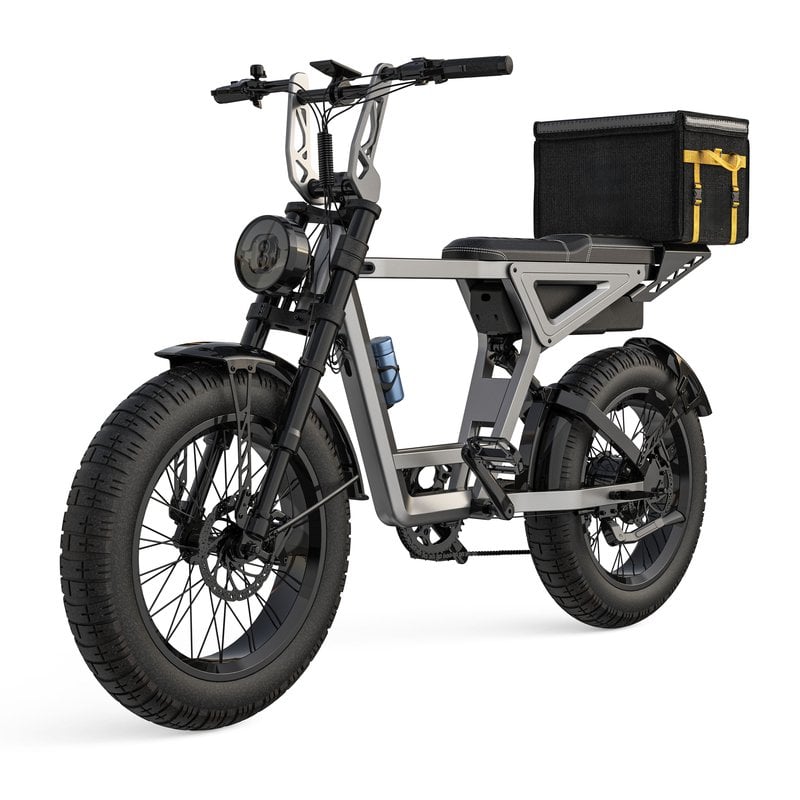
The mountain ebike market has grown significantly as technology matured and consumer demand for off-road electric performance increased. Battery management systems have evolved alongside this growth, now incorporating sophisticated electronics that monitor cell health, balance charge distribution, and optimize discharge patterns. Whether you operate in ebike wholesale distribution or manage a retail fleet of mountain ebike models, grasping how these systems function ensures you select reliable inventory and serve customers with confidence.
Modern wholesale electric mountain bike batteries rely almost exclusively on lithium ion chemistry. This technology offers superior energy density compared to older lead acid or nickel cadmium alternatives. Lithium ion cells pack more usable power into a lighter package, which is why the electric mountain bike industry adopted this chemistry as the standard. The cells contain lithium ions that move between positive and negative terminals during charge and discharge cycles, releasing electrical energy that powers the motor and drivetrain.
The specific energy density of lithium ion cells determines how long an ebike wholesale battery can sustain the motor under load. Higher density means longer range and lighter overall bike weight. Battery manufacturers structure these cells into modules and packs, connecting them in series and parallel configurations to achieve the voltage and capacity targets required for mountain ebike performance. A typical mountain ebike battery ranges from 400 to 1000 watt hours of capacity, depending on intended use and motor power ratings.
Cell balancing is fundamental to battery management in any electric mountain bike system. Lithium ion cells naturally drift in voltage and charge state as they cycle. Without active balancing, some cells degrade faster than others, reducing the overall pack lifespan and creating safety hazards. The battery management system monitors each cell group and redistributes charge to keep all cells within acceptable voltage ranges. This passive or active balancing extends battery life by 20 to 40 percent compared to unmanaged packs.
Ebike wholesale distributors must verify that their mountain ebike inventory includes robust balancing circuits. Packs using series-parallel cell arrangements benefit most from intelligent management. For example, a 48-volt 20-amp-hour battery common in wholesale electric mountain bike offerings contains 13 series cells balanced across multiple parallel branches. Proper balancing ensures each cell shares the charge burden fairly, preventing premature failure and maintaining consistent power output across the battery lifespan.
Thermal performance directly affects electric mountain bike reliability and rider safety. During discharge, lithium ion cells generate internal heat due to electrical resistance and chemical reaction inefficiencies. High ambient temperatures, steep climbing, and aggressive motor use accelerate heat buildup inside a mountain ebike battery pack. Excessive heat degrades cell chemistry, reduces available capacity, and increases the risk of thermal runaway, a dangerous condition where the battery rapidly heats and potentially catches fire.
Modern ebike wholesale battery packs employ thermal management strategies to mitigate these risks. Many designs incorporate aluminum or copper thermal pathways that conduct heat away from cell centers toward pack edges where ambient air can cool the system. Some advanced mountain ebike batteries include temperature sensors that throttle motor power if pack temperature exceeds safe limits. This active thermal limiting protects riders and extends battery lifespan by preventing cumulative heat damage during demanding trail rides.
Voltage monitoring ensures a wholesale electric mountain bike battery remains within safe operating windows. Each cell maintains an ideal voltage range, typically between 2.5 and 4.2 volts for lithium ion chemistry. The battery management system continuously samples voltage across all cell groups and triggers alerts or shutdowns if values drift outside acceptable bounds. Current monitoring complements this by tracking how much electrical flow the motor draws. Excessive current indicates mechanical failure, short circuits, or aggressive rider behavior that risks component damage.
Most ebike wholesale platforms integrate current limiters that cap motor draw to predetermined safe levels. This protects the mountain ebike motor, controller, and battery pack from sudden destructive failures. For instance, a 1000-watt mountain ebike might limit peak current to 30 amps, preventing the motor from drawing more than design specifications allow. These safeguards give retailers confidence that their electric mountain bike inventory will perform reliably across diverse riding conditions and customer skill levels.
Charging represents a critical touchpoint in battery management for any wholesale electric mountain bike. The charger communicates with the battery management system via data connections, adjusting charging current and voltage throughout the charging cycle. During the bulk charging phase, the charger delivers maximum current until the battery approaches full capacity. As cells reach their voltage limit, the charger enters constant voltage mode, tapering current to avoid overcharging. This two-stage profile, combined with battery management monitoring, protects cells from stress and maintains long-term reliability.
Ebike wholesale operators should educate customers on proper charging practices because charger behavior affects mountain ebike battery lifespan dramatically. Charging lithium ion batteries to only 80 percent capacity and avoiding complete depletion can extend cycle life from 500 to over 1000 full cycles. The battery management system helps enforce this by managing the usable voltage window during charging and discharging. A mountain ebike battery that reports 100 percent charged may actually reserve 5 to 10 percent of physical capacity for safety margins, extending practical lifespan significantly.
State of health tracking represents an advanced feature now common in premium wholesale electric mountain bike systems. The battery management system logs charging cycles, temperature history, and maximum current events. Over time, these data points reveal battery aging patterns and predict remaining useful life. A mountain ebike that originally delivered 1000 watt-hours might drop to 900 watt-hours after two years of regular use. Advanced systems alert users and retailers when capacity falls below acceptable thresholds, enabling proactive battery replacement before failure becomes imminent.
For ebike wholesale businesses, state of health diagnostics reduce warranty claims and improve customer satisfaction. Retailers can offer battery health checks as a service, informing customers when replacement becomes economically prudent. This transparency builds trust and encourages customers to maintain their electric mountain bike properly. Battery management systems that provide state of health metrics command premium prices in the wholesale electric mountain bike market because they reduce unexpected failures and extend product lifecycle value.
A battery management system extends lifespan through cell balancing, thermal management, and intelligent charging. By keeping all cells in a mountain ebike battery pack at similar voltage levels and preventing overcharge or overheating, the system reduces cumulative stress on individual cells. These measures can extend cycle life from 500 to over 1000 cycles, effectively doubling the useful lifespan of an ebike wholesale battery pack.
Most lithium ion cells in a wholesale electric mountain bike function optimally between 15 and 35 degrees Celsius. Operating below 0 degrees or above 45 degrees reduces available power and accelerates degradation. The battery management system monitors temperature and may limit motor power during extreme conditions. For ebike wholesale operations in cold climates, understanding these limits helps set customer expectations and prevents premature battery replacement.
While a battery management system cannot prevent all failures, it significantly reduces the probability of dangerous situations and premature degradation. By monitoring voltage, current, and temperature, the system detects problems early and reduces power before catastrophic events occur. An electric mountain bike with robust battery management will rarely experience sudden failure, though physical damage or manufacturing defects can still cause issues outside the system's control.
2026/08/03
Fix time zones, language gaps, and unclear protocols—boost speed, cut costs, and scale confidently.
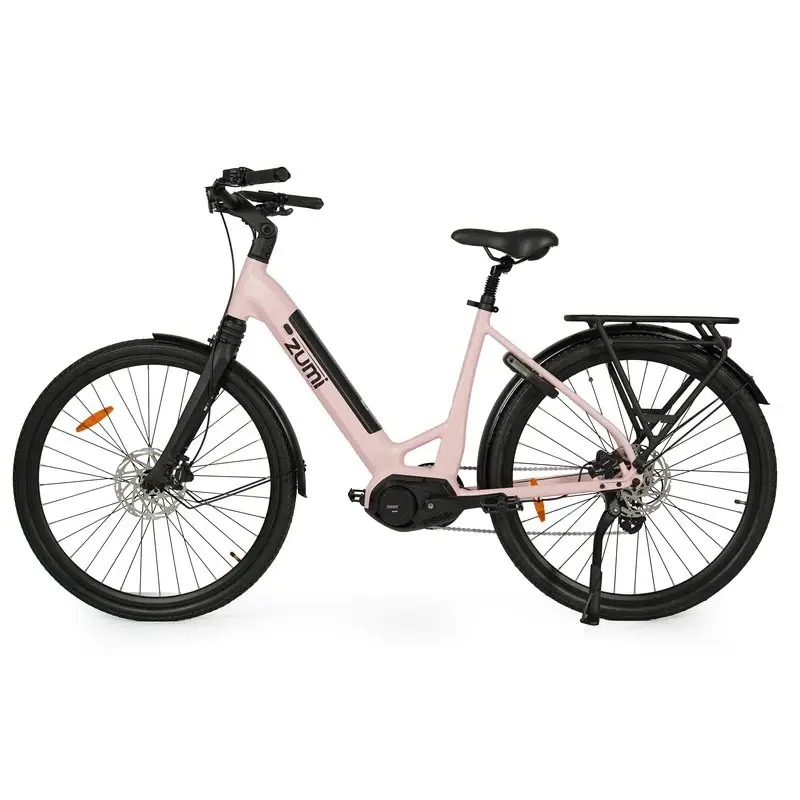
2026/08/03
Avoid liability & import bans: Learn IEC 62619, UN 38.3, and UL 2271—plus how to verify real compliance (not fakes).
2026/08/03
Learn precise air pressure, rebound & compression tuning for optimal suspension performance. Get pro-level setup tips now.
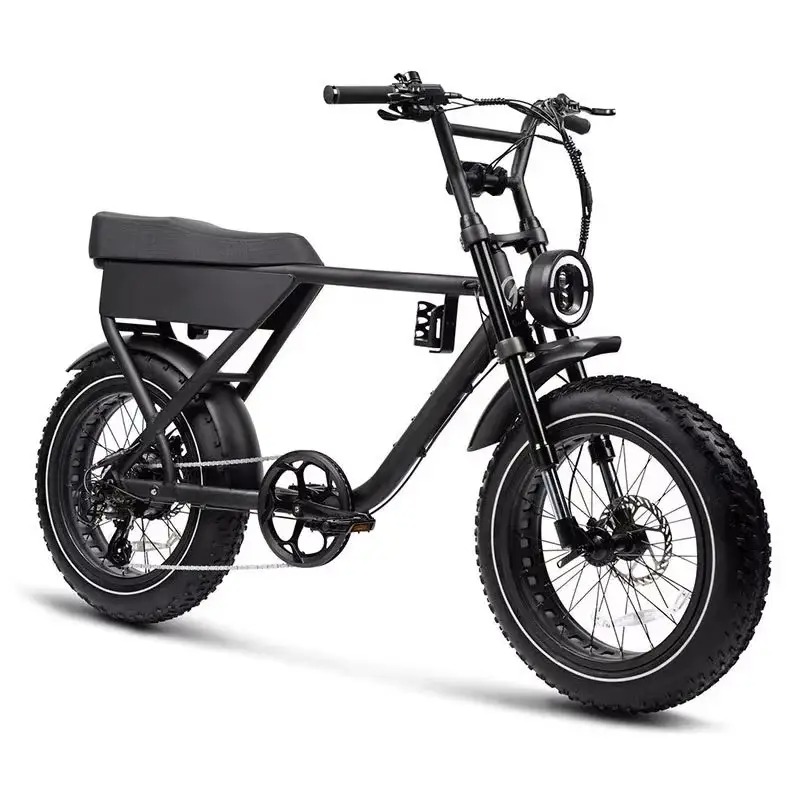
2026/08/03
Discover how voltage drop saps performance—and proven fixes to restore responsiveness, range, and battery life. Read now.
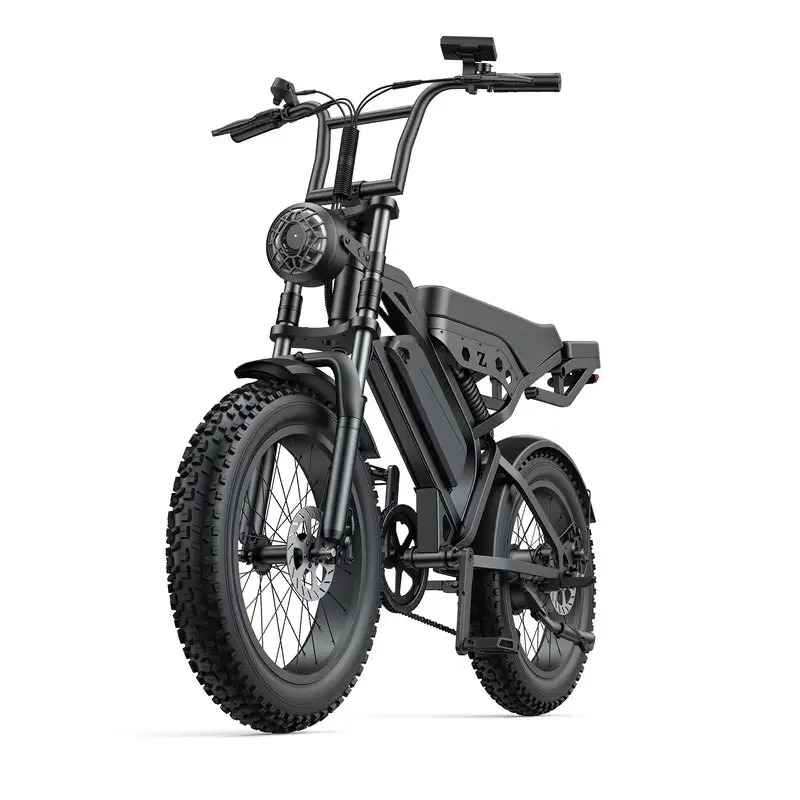
2026/08/03
Discover data-backed protocols, smart infrastructure & operational fixes. Optimize now.
2026/08/03
How payload cuts 48V cargo ebike range by 15–50%+ — backed by real-world degradation curves, motor load science & fleet optimization strategies.
Comprehensive warranty, fast parts shipping, remote diagnostics and local dealer training


