 EN
EN
STEP 1
Full vehicle warranty for 2 years
2026/08/27
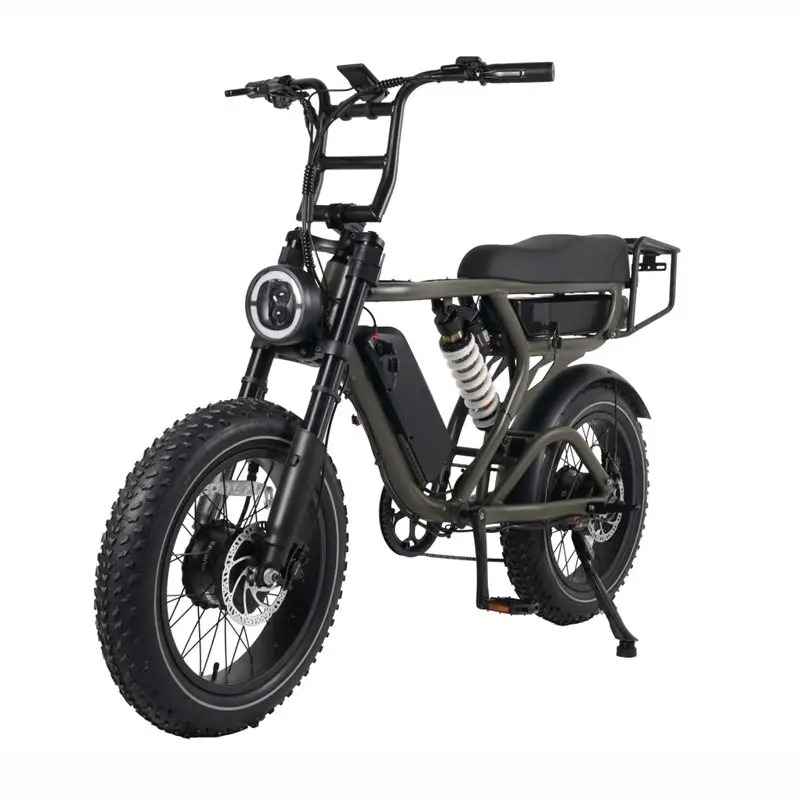
Importing and distributing a wholesale fat tire electric bike requires more than just sourcing products and managing logistics. One of the most critical yet often overlooked aspects of this business is understanding and obtaining the proper certification documentation. Whether you operate as a distributor, reseller, or retailer in the electric bike industry, compliance with regulatory and safety standards is non-negotiable. The certification documents serve as proof that your fat tire ebike meets all applicable safety, performance, and environmental requirements across your target markets.
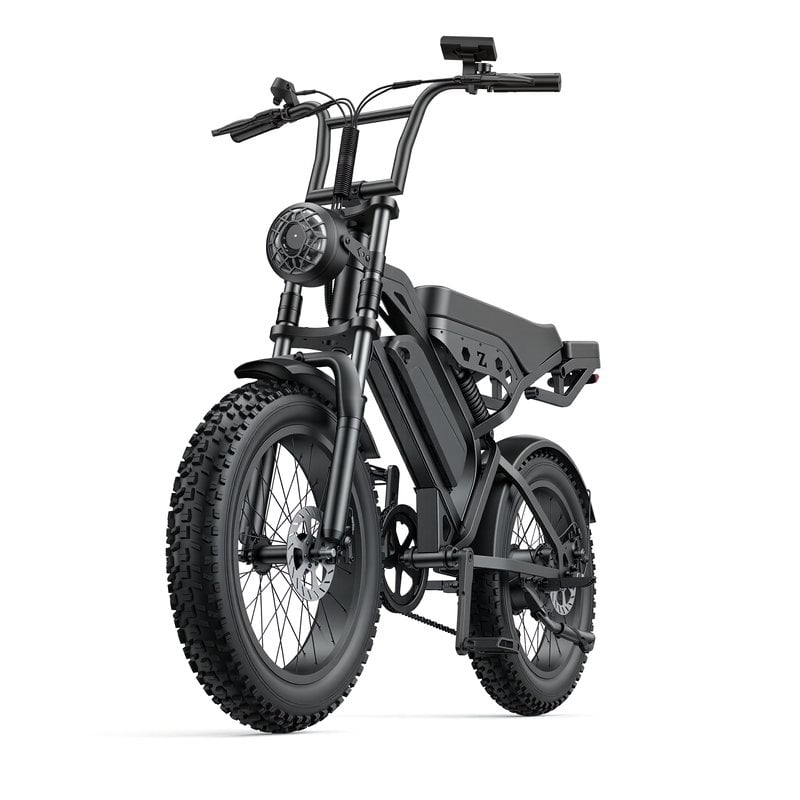
The landscape of electric bike regulations continues to evolve globally, with different regions implementing distinct safety and performance standards. When working with a wholesale ebike supplier, understanding what certifications are required in your jurisdiction is essential to avoid costly delays, legal issues, or product recalls. This guide walks you through the major certification frameworks, documentation requirements, and practical steps to ensure your wholesale fat tire electric bike operations remain compliant and your products reach customers with confidence.
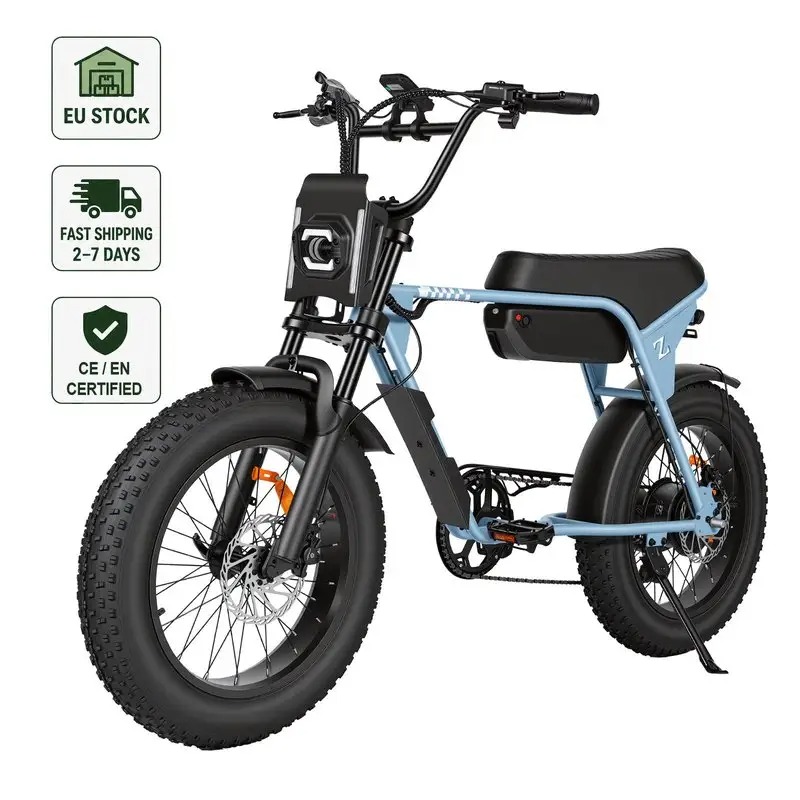
The CE mark is one of the most recognizable certification symbols in the electric bike industry, particularly for fat tire ebike products entering European markets. This marking indicates that your product complies with the Essential Health and Safety Requirements outlined in the Machinery Directive and the Low Voltage Directive. For a fat tire ebike, CE certification requires testing of electrical safety, mechanical stability, braking performance, and overall durability under load.
The process involves submitting your fat tire ebike design to a Notified Body, an independent third-party testing laboratory authorized by EU member states. They will conduct comprehensive testing of motor output, battery safety, frame integrity, and brake efficiency. Documentation must include technical files, risk assessments, test reports, and a Declaration of Conformity. For wholesale ebike operations targeting Europe, this certification is typically a mandatory first step before distribution begins.
In North America, the UL 2849 standard has become the primary safety certification for electric bikes, including fat tire models. UL 2849 covers electrical and mechanical safety, focusing on battery protection, motor control, braking systems, and frame robustness. Additionally, some states or provinces may require compliance with specific local regulations, particularly regarding maximum motor power output and speed limitations. A wholesale fat tire electric bike destined for the United States or Canada typically needs UL certification to gain retailer acceptance and consumer confidence.
The electric bike wholesale process often involves working directly with testing facilities to schedule inspections and obtain certification documents. UL certification requires sample testing, design verification, and ongoing compliance monitoring. This certification is particularly important for premium fat tire ebike models that command higher price points, as retailers and end-users view UL certification as a mark of quality and safety.
Every wholesale ebike distributor must maintain comprehensive technical documentation that details all specifications of their fat tire electric bike model. This includes motor specifications, battery capacity and chemistry, frame materials and dimensions, braking system type, weight capacity, and maximum speed. These specifications form the foundation of your certification applications and must be accurate and consistent across all submissions to testing bodies.
Technical files should also include design drawings, circuit schematics, material certifications, and component sourcing documents. When dealing with fat tire ebike suppliers, request complete technical documentation for every component batch to ensure traceability. This documentation protects both your wholesale fat tire electric bike business and your end customers by providing clear evidence of product specifications and compliance history.
Test reports generated by accredited laboratories are the backbone of your certification portfolio. For a fat tire ebike, these reports must cover battery safety testing, electrical safety analysis, mechanical durability assessments, braking performance verification, and structural integrity testing. The test reports should clearly state the testing standards used, the methods applied, the results obtained, and any compliance or non-compliance findings.
When managing wholesale ebike inventory, maintain copies of all test reports related to each product batch. Some jurisdictions may require retesting if significant time has passed since the original certification, or if product specifications have changed. Keeping detailed records of which fat tire ebike models have been tested and when ensures you can quickly verify compliance status for any product in your wholesale inventory.
A Declaration of Conformity is a legal document in which you, as the distributor or importer, declare that your fat tire electric bike complies with all applicable standards and regulations. This document must be issued in the language of the country where the product is being distributed. It should reference all applicable standards, list the test reports and certifications obtained, and include contact information for the responsible party.
For electric bike wholesale operations, the Declaration of Conformity serves as proof of your due diligence in ensuring compliance. It protects your business from liability claims by demonstrating that you took reasonable steps to ensure your wholesale ebike products meet safety and performance standards. This document must accompany your product shipments to retailers and should be readily available for regulatory inspections.
Effective management of certification documents requires a robust record-keeping system that tracks serial numbers, batch numbers, test dates, and certification expiration dates for each fat tire ebike product. Digital documentation systems are highly recommended for wholesale fat tire electric bike operations, as they enable quick retrieval and verification of compliance status. Your system should link each individual unit or batch to its corresponding certification documents and test reports.
Traceability becomes particularly important if product recalls or compliance issues arise. A well-organized wholesale ebike documentation system allows you to quickly identify affected units, contact customers, and implement corrective measures. This level of organization demonstrates professionalism to regulatory agencies and retailers, strengthening your market position.
Certification standards evolve, and your fat tire ebike products may require recertification if regulations change or if you modify product specifications. Establish protocols for monitoring regulatory updates in each market where you distribute your wholesale fat tire electric bike. Subscribe to regulatory alerts from relevant agencies, maintain relationships with testing laboratories, and schedule periodic compliance reviews.
When you update designs or suppliers, initiate the recertification process promptly. Some electric bike wholesale suppliers maintain ongoing relationships with testing bodies to streamline recertification when minor changes occur. This proactive approach minimizes production delays and ensures your fat tire ebike products remain compliant as regulations evolve.
The CE mark, obtained through compliance with EU Machinery and Low Voltage Directives, is the primary certification for fat tire ebike distribution in Europe. This requires testing by a Notified Body and submission of technical files and a Declaration of Conformity. The certification process ensures your wholesale ebike meets safety and performance requirements established by European regulators.
The timeline for certification depends on the complexity of your fat tire ebike design and the testing body's workload. Most UL and CE certifications take between eight to twelve weeks from initial application to completion. Planning certification early in your wholesale ebike product development cycle helps avoid delays when launching new models to market.
No, different regions have different certification requirements. A wholesale fat tire electric bike destined for the United States requires UL certification, while European distribution requires CE marking. Some regions may have additional or more stringent requirements. Consult with testing laboratories in each target market to understand specific certification obligations for your electric bike wholesale business.
2026/08/03
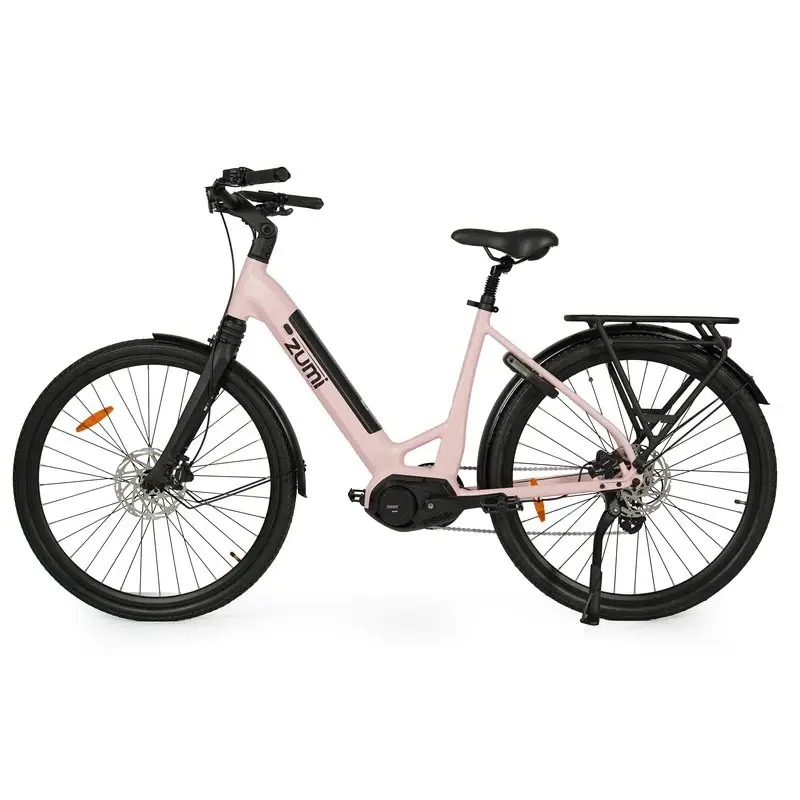
Fix time zones, language gaps, and unclear protocols—boost speed, cut costs, and scale confidently.
2026/08/03
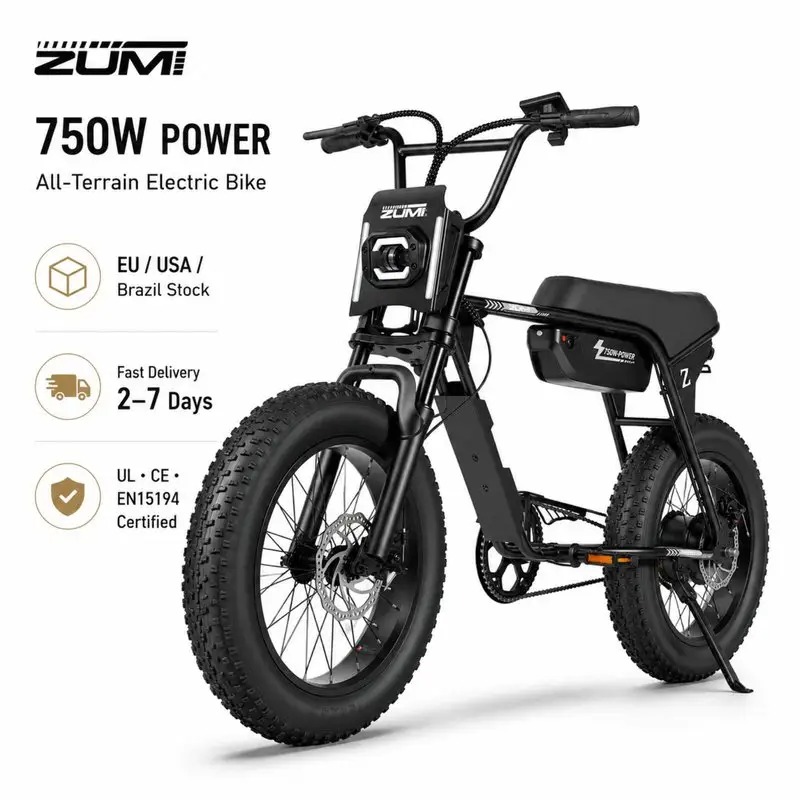
Avoid liability & import bans: Learn IEC 62619, UN 38.3, and UL 2271—plus how to verify real compliance (not fakes).
2026/08/03
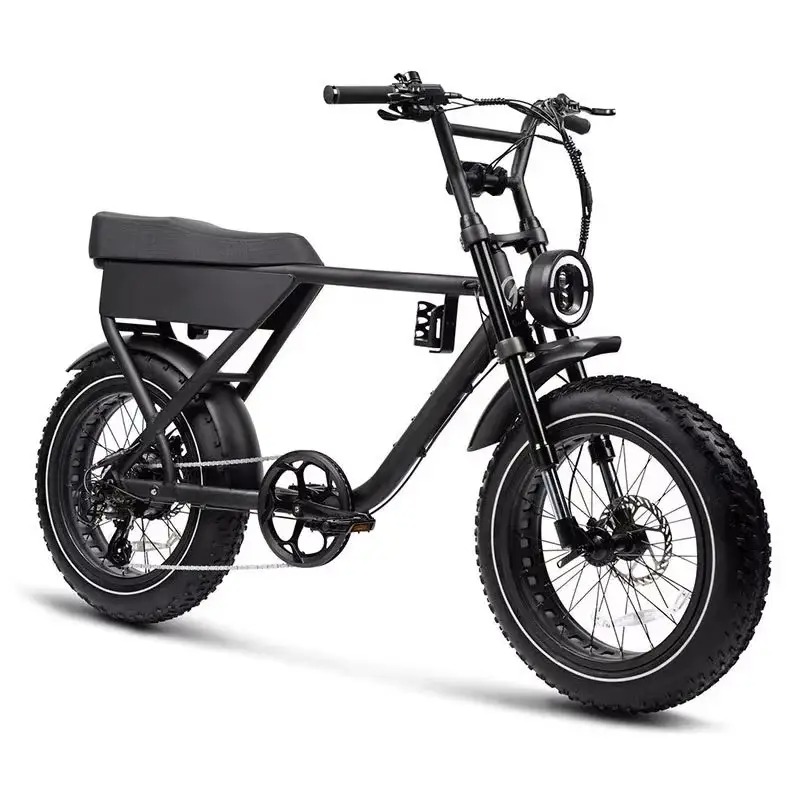
Learn precise air pressure, rebound & compression tuning for optimal suspension performance. Get pro-level setup tips now.
2026/08/03
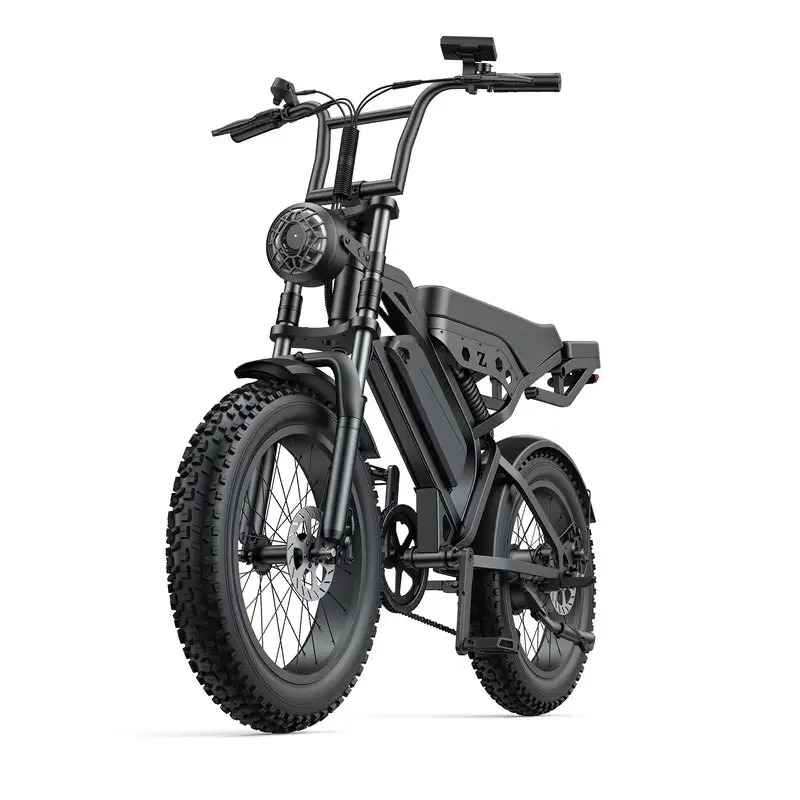
Discover how voltage drop saps performance—and proven fixes to restore responsiveness, range, and battery life. Read now.
2026/08/03
Discover data-backed protocols, smart infrastructure & operational fixes. Optimize now.
2026/08/03
How payload cuts 48V cargo ebike range by 15–50%+ — backed by real-world degradation curves, motor load science & fleet optimization strategies.
Comprehensive warranty, fast parts shipping, remote diagnostics and local dealer training


