 EN
EN
STEP 1
Full vehicle warranty for 2 years
2026/08/10
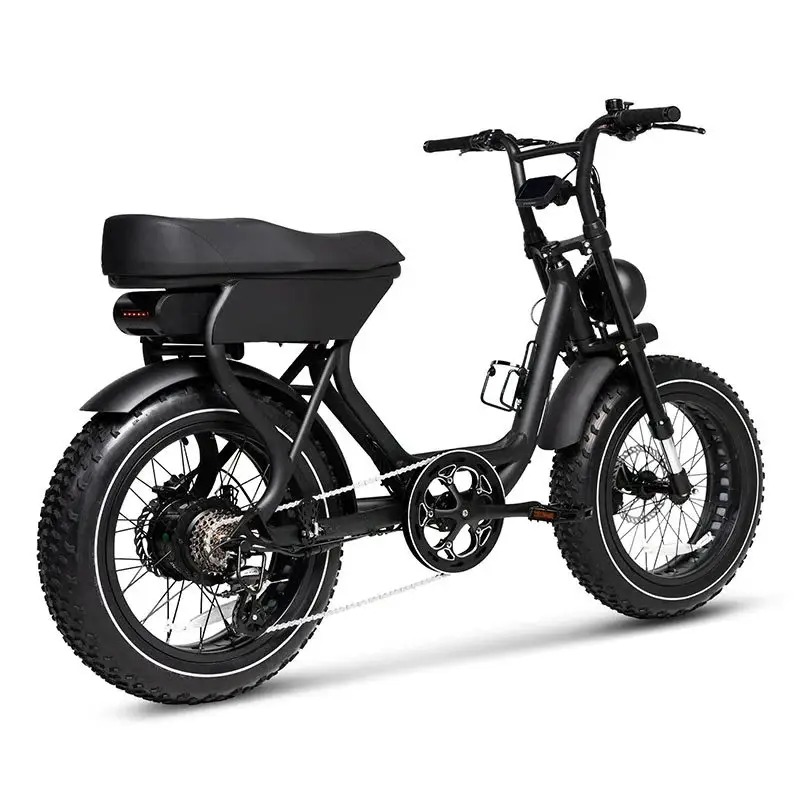
Compliance testing represents one of the most critical yet often underestimated expenses in ebikes wholesale operations. When you source electric bikes for wholesale distribution, regulatory compliance is not optional—it is a mandatory requirement that directly impacts your market access, liability exposure, and operational costs. Understanding the true cost of compliance testing helps wholesalers make informed decisions about sourcing, pricing, and risk management.
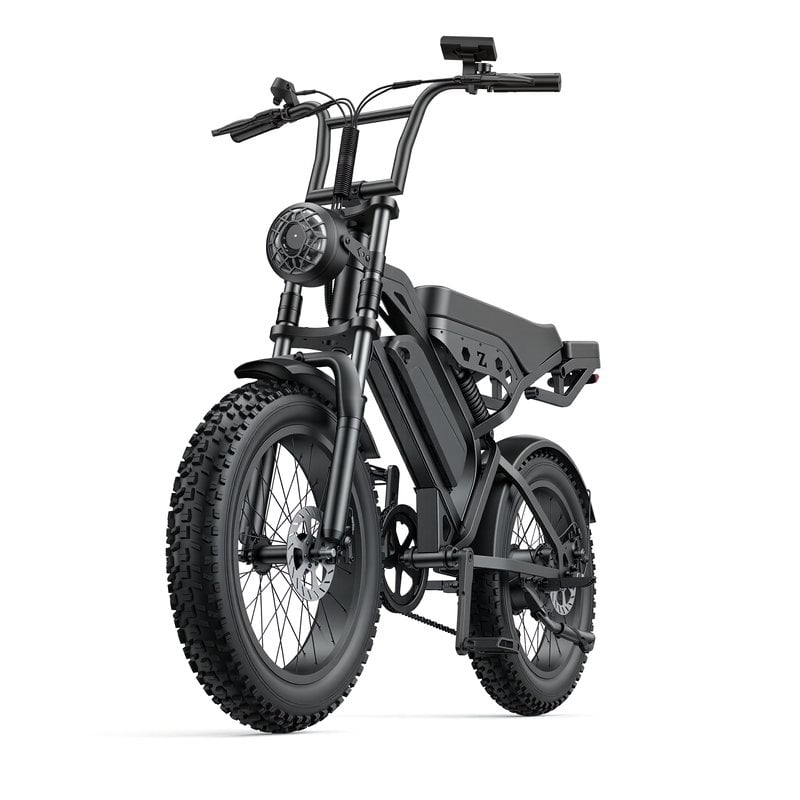
The regulatory landscape for electric bikes continues to tighten across major markets. Compliance testing costs vary widely depending on geography, battery chemistry, motor power, and production volume. For wholesale operations, these testing expenses are a foundational investment that affects profit margins, product viability, and the ability to scale successfully in competitive markets.
Electric bike wholesale businesses must navigate different regulatory standards in each target market. The European Union enforces EN 15194 certification, which requires rigorous testing of motor performance, battery safety, and mechanical components. In North America, the Consumer Product Safety Commission (CPSC) has implemented stricter standards for lithium-ion batteries and motor specifications. Asian markets, particularly China and Southeast Asia, have their own certification pathways that impact sourcing and re-export strategies for ebike wholesale operations. Each jurisdiction demands specific third-party testing, documentation, and mark compliance before products enter the distribution channel.
Compliance testing for electric bike wholesale typically includes battery safety testing, electrical safety assessment, mechanical durability testing, and electromagnetic compatibility (EMC) evaluation. Battery testing alone can cost between 2,000 and 8,000 USD per model, depending on battery capacity and chemistry. Motor and drivetrain testing ranges from 1,500 to 5,000 USD. Mechanical frame and brake testing adds another 1,000 to 3,000 USD. For a wholesale operation introducing five new ebike models, total compliance testing can reach 50,000 to 80,000 USD before any product reaches distribution partners.
When launching an ebikes wholesale business, initial compliance testing represents a significant upfront cost. A single new electric bike model typically requires 8,000 to 15,000 USD in comprehensive testing across all required certifications. This includes laboratory testing fees, certification body administration, documentation review, and re-testing if any components fail initial assessment. Wholesale operations introducing multiple models must budget accordingly, as economies of scale do not proportionally reduce per-unit testing costs. Testing laboratories charge based on model variation, not production volume, so a wholesale operation with 10 different ebike models faces substantially higher compliance expenses than a single-model distributor.
Beyond initial certification, ebike wholesale operations must budget for recurring compliance activities. Battery technology changes, component supplier modifications, and regulatory updates often trigger re-testing requirements. Annual recertification, safety audits, and documentation maintenance can cost 3,000 to 10,000 USD yearly for an active wholesale operation. Some markets require periodic retesting of stored inventory or batch-level verification before shipment. For wholesale electric bikes distributed across multiple regions, maintaining current compliance across all jurisdictions creates an ongoing operational overhead that must be factored into pricing and margin calculations.
Smart ebike wholesale operators coordinate with manufacturers to share testing costs or leverage pre-certified components. Many established electric bike manufacturers have already completed compliance testing for base models, allowing wholesale partners to reduce expenses by adding only marginal changes or variations. Standardizing battery sizes, motor types, and frame designs across your wholesale electric bikes portfolio minimizes redundant testing. Negotiating with suppliers to include compliance testing as part of the wholesale agreement can significantly reduce your direct costs, though this typically reflects in higher unit pricing.
Wholesale operations can reduce initial compliance burden by prioritizing high-value markets first. Focusing on EU certification initially, then progressively adding North American and Asian compliance, spreads testing expenses across multiple budget cycles. This phased approach to electric bike wholesale allows smaller operations to enter markets gradually without absorbing the full compliance cost burden simultaneously. However, this strategy requires careful supply chain planning to avoid costly delays or product repositioning later.
A new electric bike model typically requires 8,000 to 15,000 USD in comprehensive compliance testing, including battery safety, electrical systems, mechanical durability, and certification administration. For ebike wholesale operations introducing multiple models, per-unit testing costs scale linearly rather than declining with volume, making portfolio diversity a significant cost driver.
Yes, if models share identical battery packs, motor systems, and core mechanical components, some testing results can be leveraged across variants. However, ebike wholesale manufacturers must still conduct separate testing for any modified components, frame geometry changes, or weight variations, as these affect safety performance and certification validity.
Compliance testing costs must be amortized across your wholesale electric bikes sales volume and factored into your gross margin calculations. A wholesale operation with high-volume standardized models absorbs testing costs more efficiently per unit, while niche or low-volume ebike wholesale offerings require higher per-unit markups to achieve acceptable profitability while maintaining compliance investment capacity.
2026/08/03
Fix time zones, language gaps, and unclear protocols—boost speed, cut costs, and scale confidently.
2026/08/03
Avoid liability & import bans: Learn IEC 62619, UN 38.3, and UL 2271—plus how to verify real compliance (not fakes).
2026/08/03
Learn precise air pressure, rebound & compression tuning for optimal suspension performance. Get pro-level setup tips now.
2026/08/03
Discover how voltage drop saps performance—and proven fixes to restore responsiveness, range, and battery life. Read now.
2026/08/03
Discover data-backed protocols, smart infrastructure & operational fixes. Optimize now.
2026/08/03
How payload cuts 48V cargo ebike range by 15–50%+ — backed by real-world degradation curves, motor load science & fleet optimization strategies.
Comprehensive warranty, fast parts shipping, remote diagnostics and local dealer training


