 EN
EN
STEP 1
Full vehicle warranty for 2 years
2026/08/28
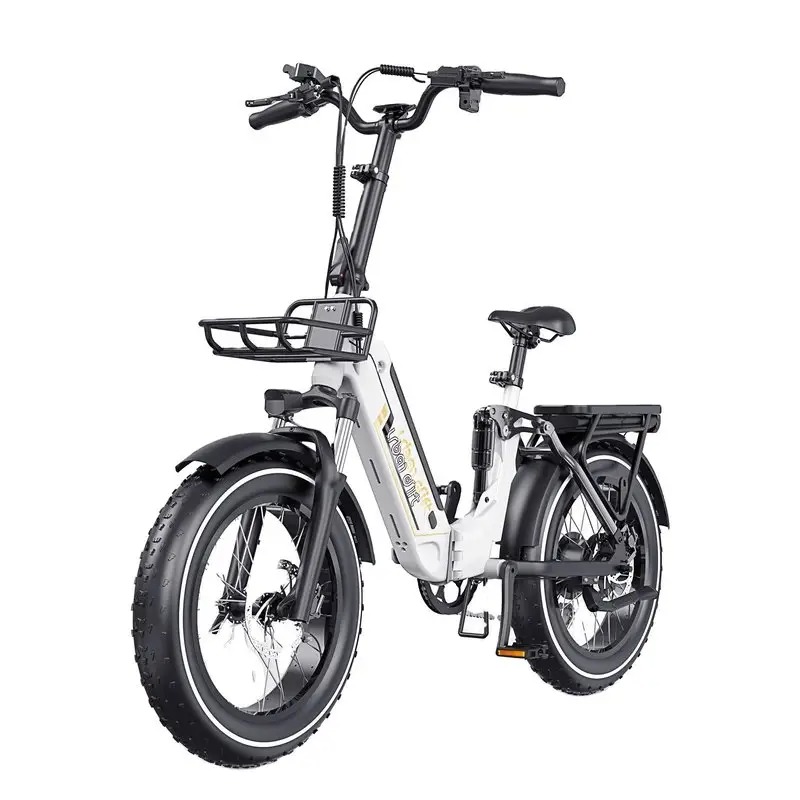
The thermal management system in a high-performance electric mountain bike 1500w directly impacts reliability, efficiency, and component lifespan. A 1500w ebike operates at significantly higher power levels than standard models, generating substantial heat within the motor controller during acceleration, climbing, and sustained high-speed riding. Without effective thermal management, the controller can overheat, triggering power throttling, system shutdowns, or permanent component damage. Controller heat sinks are engineered cooling solutions designed to dissipate this excess heat and maintain optimal operating temperatures, making them critical for any mountain ebike that demands consistent performance.
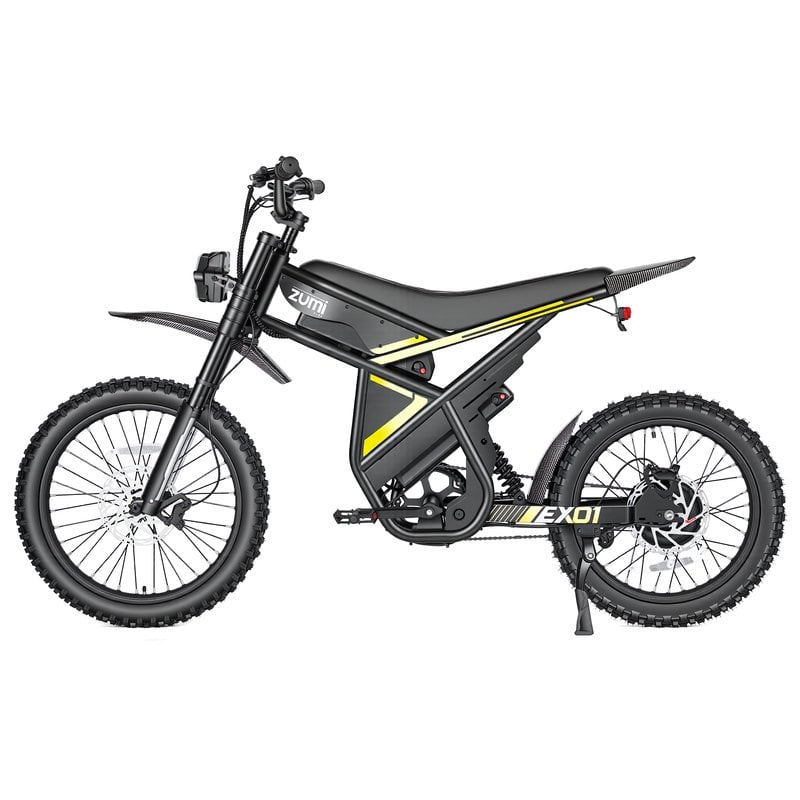
Understanding how controller heat sinks function within your 1500w ebike system helps riders make informed decisions about maintenance, upgrades, and long-term durability. The relationship between motor power, thermal load, and cooling capacity forms the foundation of system reliability in mountain ebike applications. This guide explores the design principles, installation considerations, and performance benefits of controller heat sinks, providing practical knowledge for anyone operating or investing in a high-power electric mountain bike.
The motor controller in a 1500w ebike processes electrical energy conversion at frequencies reaching thousands of cycles per second. During this conversion process, internal resistive losses generate heat within semiconductor components called MOSFETs and capacitors. On a typical mountain ebike, average ambient conditions may allow passive cooling, but sustained high-torque demand or steep climbing causes controller temperatures to rise rapidly. A heat sink, typically constructed from aluminum or copper alloys, increases the surface area available for heat transfer to the surrounding air, dramatically improving the rate at which thermal energy dissipates.
Aluminum is the industry standard for controller heat sinks because it balances thermal conductivity, weight, and cost-effectiveness. Aluminum conducts heat approximately 160 watts per meter-kelvin, enabling rapid temperature equalization across the sink surface. Copper offers superior thermal performance at 385 watts per meter-kelvin but adds significant weight and expense, making it less practical for mobile 1500w ebike applications. Engineers design fins and surface texture patterns into the heat sink to maximize air exposure and natural convection, allowing passive cooling without additional fans in many mountain ebike installations.
A properly designed heat sink maintains controller junction temperatures 20 to 40 degrees Celsius lower than operation without thermal management. For a 1500w ebike, this temperature reduction translates directly into extended component lifespan and reduced failure risk during off-road riding conditions. When a motor controller operates within its thermal design specifications, the semiconductor materials maintain stable electrical characteristics, delivering consistent power output and predictable performance. Riders experience fewer unexpected power cuts, smoother acceleration response, and improved reliability during demanding mountain terrain navigation.
Mountain ebike riders often encounter extended climbs or continuous high-torque demand situations that would cause overheating on systems with inadequate thermal management. A well-engineered controller heat sink allows sustained full-power operation for 20 to 40 minutes in typical riding scenarios, compared to 5 to 10 minutes without heat dissipation. This performance envelope directly impacts trail capability and ride enjoyment. For a 1500w ebike system, this extended thermal tolerance means riders can maintain consistent climbing power longer, navigate technical terrain with confidence, and avoid the frustration of mid-ride power throttling.
The effectiveness of any controller heat sink depends on fin design, spacing, and orientation relative to airflow patterns. For a 1500w ebike, especially models used in warm climates or at high ambient temperatures, fin spacing typically ranges from 3 to 6 millimeters. Tighter spacing increases surface area but can restrict airflow, while wider spacing reduces cooling efficiency. Engineers balance these factors through computational fluid dynamics analysis. Natural convection cooling, aided by the movement of the electric mountain bike through air, creates passive airflow that enhances heat dissipation without requiring active fans, keeping weight and power consumption minimal.
Proper installation of the heat sink requires thermal interface material, typically thermal paste or phase-change pads, between the controller and the heat sink surface. This interface material fills microscopic surface irregularities and ensures complete thermal contact. Poor installation, using insufficient thermal paste, or failing to re-apply it during maintenance can degrade cooling performance by 30 to 50 percent. For 1500w ebike owners performing controller upgrades or maintenance, ensuring firm, even pressure during assembly and using recommended thermal interface materials is essential. Over-tightening mounting hardware can damage components, while under-tightening creates thermal resistance that defeats the purpose of the heat sink.
Most motor controllers in a 1500w ebike are rated to operate safely up to 80 to 100 degrees Celsius, though optimal performance occurs between 40 and 70 degrees Celsius. With adequate heat sink cooling, junction temperatures typically remain in this ideal range even during sustained high-power operation. Temperatures consistently exceeding 85 degrees Celsius indicate inadequate thermal management or potential design issues requiring attention. Monitoring controller temperature during extended rides helps identify cooling performance and informs maintenance needs for mountain ebike systems.
Yes, well-designed passive aluminum heat sinks effectively cool most 1500w ebike controllers under typical riding conditions. The combination of natural convection and airflow created by forward motion removes sufficient heat for sustained performance in temperate climates. However, in extremely hot environments, continuous sustained high-power output scenarios, or enclosed mounting configurations, active cooling fans may become necessary to maintain safe operating temperatures on an electric mountain bike. Most manufacturers design systems with passive cooling as the primary method, with optional fans for specialized applications.
Thermal interface material typically remains effective for 3 to 5 years under normal riding conditions. If you disassemble the controller for maintenance, cleaning, or upgrades on your 1500w ebike, plan to replace the thermal paste or pads before reassembly. Monitor controller temperature performance during rides; if temperatures begin climbing above previous levels, thermal interface degradation may be the cause, warranting replacement. A mountain ebike experiencing unexplained performance throttling during previously manageable scenarios may benefit from thermal interface re-application as part of diagnostic maintenance.
2026/08/03
Fix time zones, language gaps, and unclear protocols—boost speed, cut costs, and scale confidently.
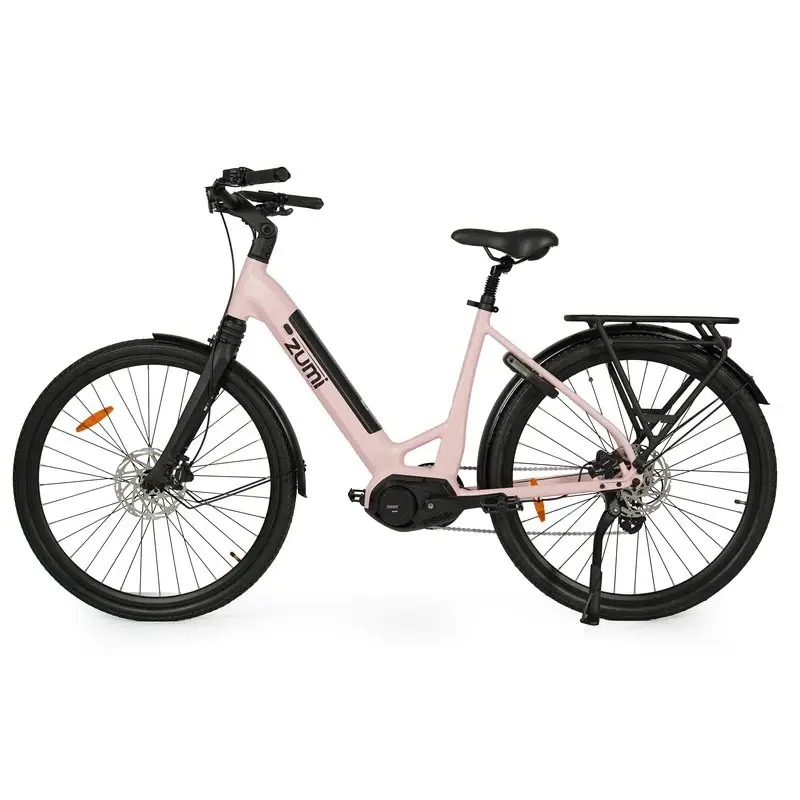
2026/08/03
Avoid liability & import bans: Learn IEC 62619, UN 38.3, and UL 2271—plus how to verify real compliance (not fakes).
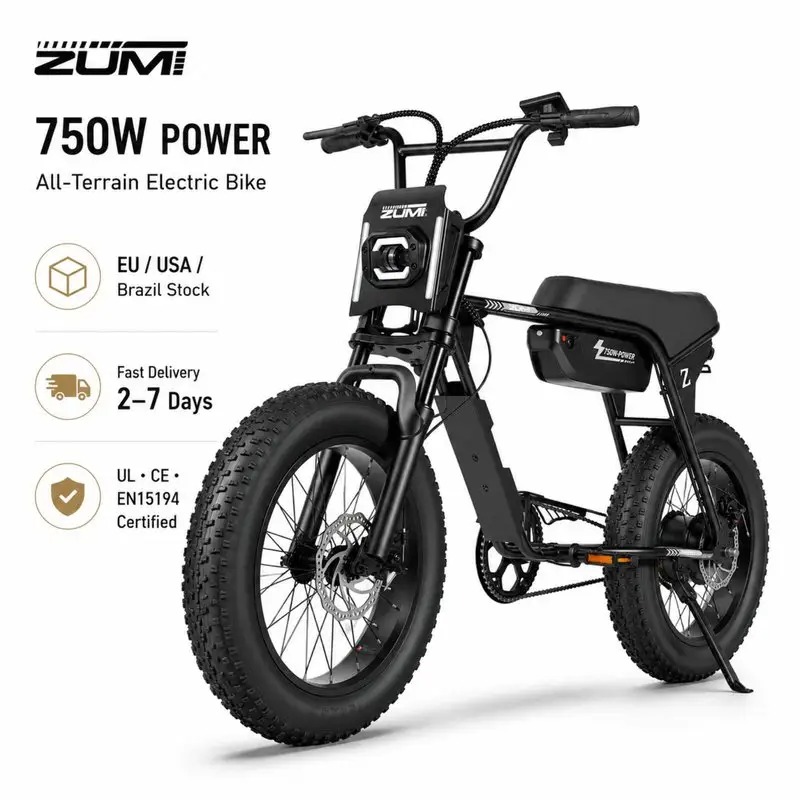
2026/08/03
Learn precise air pressure, rebound & compression tuning for optimal suspension performance. Get pro-level setup tips now.
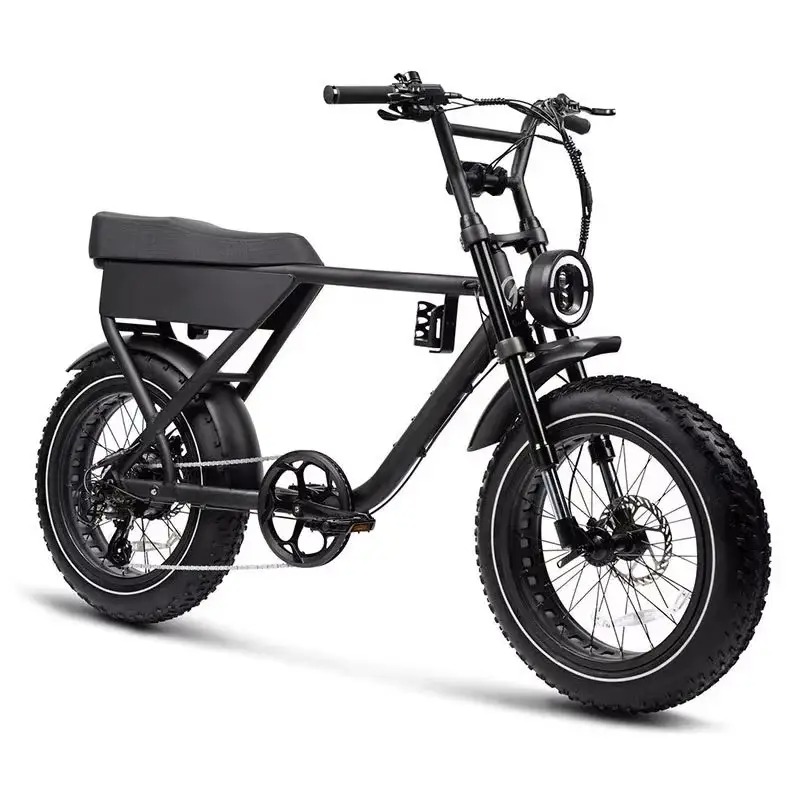
2026/08/03
Discover how voltage drop saps performance—and proven fixes to restore responsiveness, range, and battery life. Read now.
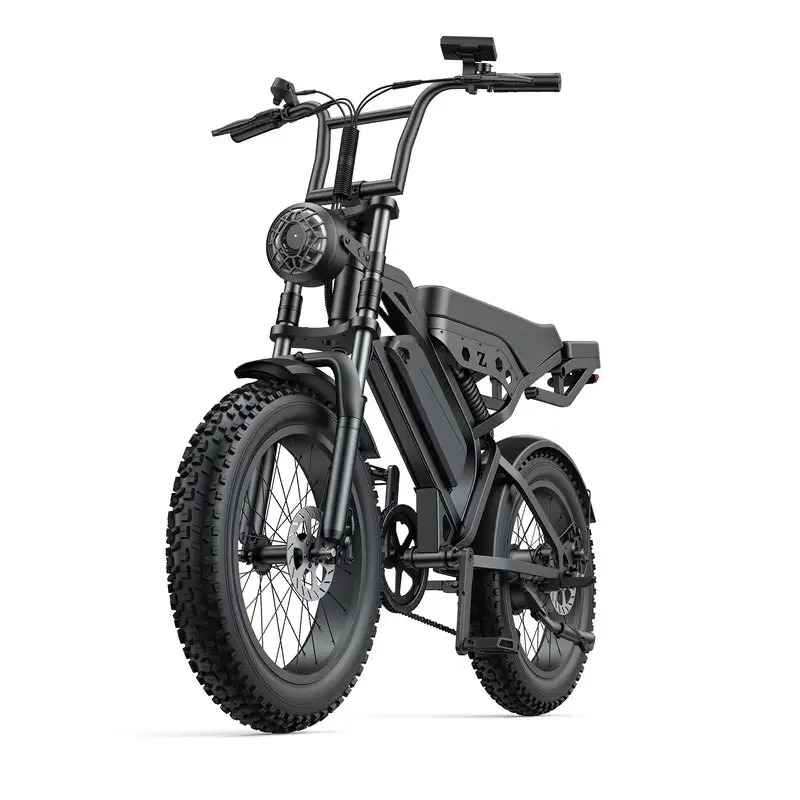
2026/08/03
Discover data-backed protocols, smart infrastructure & operational fixes. Optimize now.
2026/08/03
How payload cuts 48V cargo ebike range by 15–50%+ — backed by real-world degradation curves, motor load science & fleet optimization strategies.
Comprehensive warranty, fast parts shipping, remote diagnostics and local dealer training


