 EN
EN
STEP 1
Full vehicle warranty for 2 years
2026/08/21
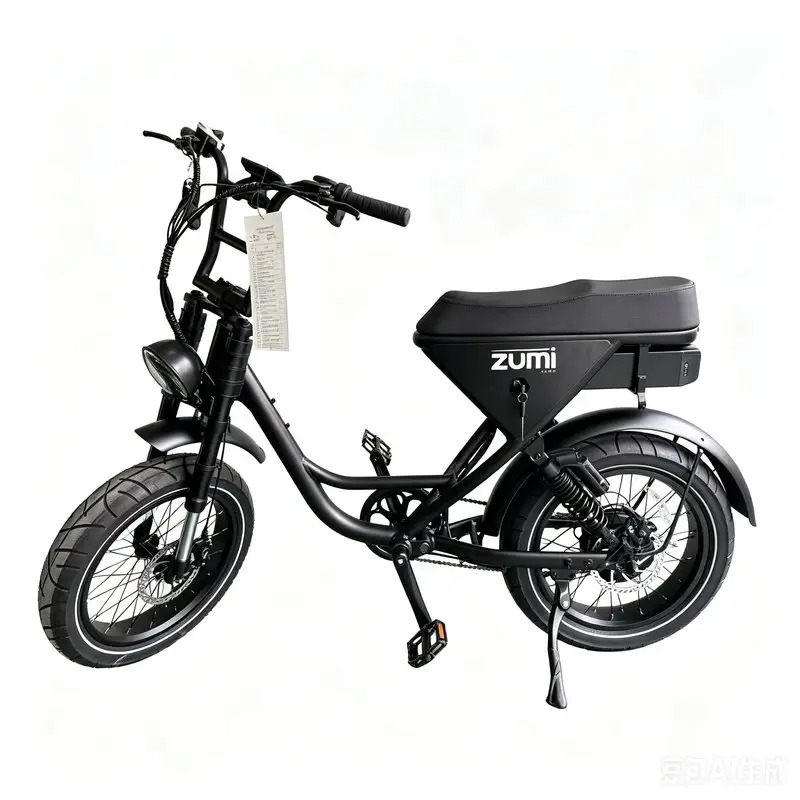
Understanding motor torque specifications is essential when evaluating an electric fat tire bike. Torque determines how quickly your electric fat tire bike accelerates, how effectively it climbs steep terrain, and how well it handles challenging conditions. For riders considering an adult fat tire electric bike, torque ratings directly influence real-world performance and riding experience. The motor's torque output, measured in Newton-meters (Nm), reveals whether an electric wide tire bike can deliver the power needed for muddy trails, sandy beaches, or mountain paths.
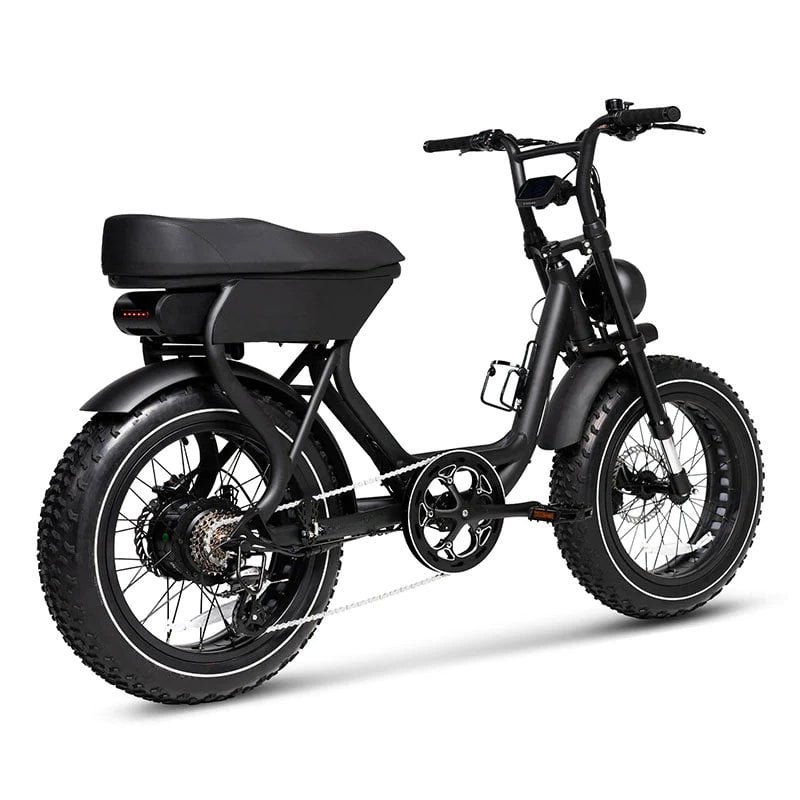
Motor torque is fundamentally different from peak power ratings, yet both matter for an off road fat tire electric bike. A motor might advertise 1000 watts of continuous power, but its torque curve—how that power translates into rotational force at different speeds—determines actual acceleration and climbing ability. Riders investing in an adult fat tire electric bike deserve clarity on what torque specifications mean and how they translate to trail performance.
Torque is the rotational force your motor produces, measured in Newton-meters. For an electric fat tire bike, higher torque enables faster acceleration from standstill and sustained climbing power on steep grades. Most electric wide tire bike motors range from 30 Nm to 160 Nm, depending on motor type, wattage, and design. Mid-drive motors on an adult fat tire electric bike typically deliver between 50 Nm and 120 Nm, while direct-drive hub motors on off road fat tire electric bikes can exceed 150 Nm. The distinction matters because an electric fat tire bike with insufficient torque feels sluggish on technical terrain and struggles with weight distribution across oversized tires.
An electric wide tire bike motor specification sheet usually lists two torque values: peak torque and nominal torque. Peak torque represents the maximum instantaneous force the motor produces, typically occurring during initial acceleration or hill climbing. Nominal torque is the sustained output your motor maintains under continuous load without thermal stress. When selecting an adult fat tire electric bike, nominal torque is more practical because it reflects everyday riding conditions. An off road fat tire electric bike with 80 Nm nominal torque and 120 Nm peak torque delivers consistent performance across varied terrain, whereas peak-only ratings can be misleading without context.
Torque directly determines how quickly your electric fat tire bike accelerates from a standstill. An electric wide tire bike with 50 Nm delivers moderate acceleration suitable for casual riding on relatively flat terrain. Conversely, an adult fat tire electric bike equipped with 100 Nm or higher launches with noticeable urgency, making it ideal for rapid trail access or frequent stop-and-go urban use. The relationship between torque and acceleration becomes especially evident when loading your electric fat tire bike with cargo, passengers, or suspension travel. An off road fat tire electric bike with insufficient torque under load feels bogged down, whereas proper torque specification ensures snappy, predictable response regardless of external weight.
Steep hills and technical climbs reveal the true merit of torque specifications in an electric wide tire bike. A motor producing lower torque requires higher speeds to maintain climbing momentum, reducing efficiency and increasing energy consumption. An adult fat tire electric bike with substantial torque can climb steep grades at lower speeds with less battery drain. Off road fat tire electric bikes face variable terrain, including loose surfaces, embedded rocks, and sandier substrates that demand reliable torque delivery. When your electric fat tire bike motor loses traction momentarily, adequate torque allows the system to recover quickly and continue ascending. Rider weight, cargo, and terrain angle multiply the importance of proper torque specification on an off road fat tire electric bike.
Different terrain types demand different torque profiles for an electric fat tire bike. Flat urban commuting and paved paths work well with an electric wide tire bike delivering 40 to 60 Nm. Rolling hills and mixed terrain favor an adult fat tire electric bike with 70 to 90 Nm for balanced acceleration and efficiency. Technical off road fat tire electric bikes benefit from 100 to 140 Nm to handle loose soil, river crossings, and steep rocky sections. Extremely demanding terrain such as mountain passes or rocky desert trails justifies the electric fat tire bike with 140 Nm or higher. Motor type also influences effective torque: mid-drive motors on an off road fat tire electric bike provide better weight distribution and leverage on hills, while direct-drive hubs deliver straightforward linear torque output.
An adult fat tire electric bike must overcome not only motor and frame mass but also rider weight, gear, and cargo. Heavier riders benefit from higher torque ratings on an electric wide tire bike to maintain responsive acceleration. A 250-pound rider on an off road fat tire electric bike with only 50 Nm experiences sluggish performance compared to the same motor on a lighter rider. Cargo-focused applications amplify torque importance; an electric fat tire bike designed for delivery, touring, or utility riding should prioritize torque over peak speed. Similarly, suspension travel and large tire rolling resistance on an adult fat tire electric bike increase the effective load on the motor, making higher torque specifications more practical and economical over the battery's lifespan.
Good torque for an electric fat tire bike typically ranges from 80 to 120 Nm for most riders on varied terrain. An adult fat tire electric bike in this range handles urban commuting, trail riding, and moderate climbing efficiently. For off road fat tire electric bikes used on technical terrain, 100 to 140 Nm is more suitable. Your specific choice depends on rider weight, typical terrain, cargo needs, and desired acceleration response on an electric wide tire bike.
Higher torque generally improves hill climbing and acceleration for an adult fat tire electric bike, but excessive torque can reduce overall efficiency and battery range. Very high torque on an electric wide tire bike may cause wheel slip on loose terrain and increase motor wear. The optimal torque for an electric fat tire bike balances responsiveness, efficiency, terrain demands, and durability rather than maximizing absolute numbers.
Mid-drive motors on an adult fat tire electric bike leverage the bike's gears, multiplying effective torque for climbing. Hub motors on an electric wide tire bike deliver torque directly to the wheel without gear assistance, requiring higher absolute Nm ratings to achieve similar performance. An off road fat tire electric bike with a mid-drive typically performs better on technical climbs despite lower peak Nm compared to direct-drive systems on an electric fat tire bike.
2026/08/03
Fix time zones, language gaps, and unclear protocols—boost speed, cut costs, and scale confidently.
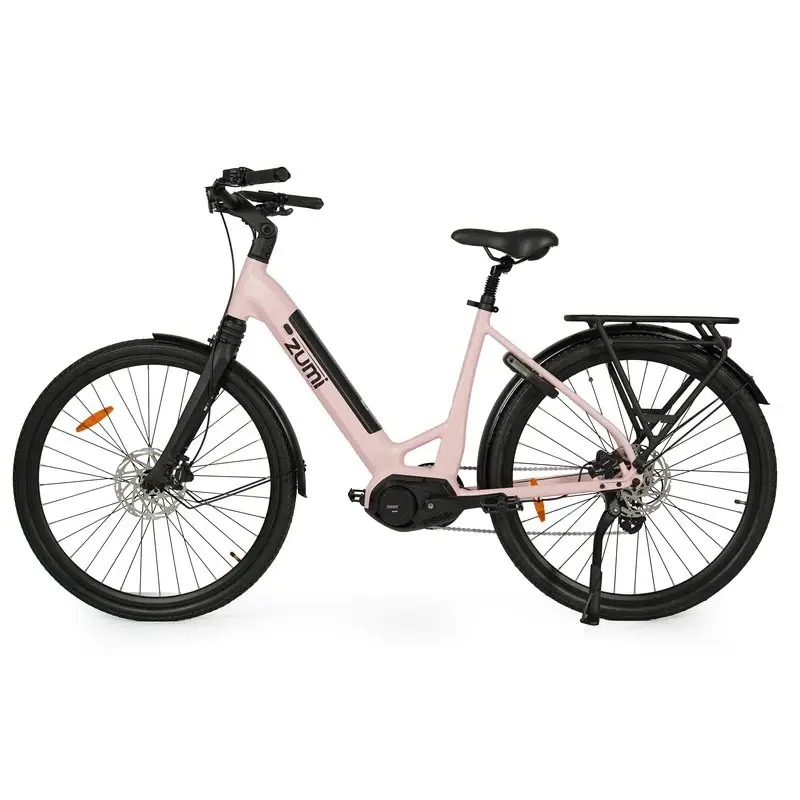
2026/08/03
Avoid liability & import bans: Learn IEC 62619, UN 38.3, and UL 2271—plus how to verify real compliance (not fakes).
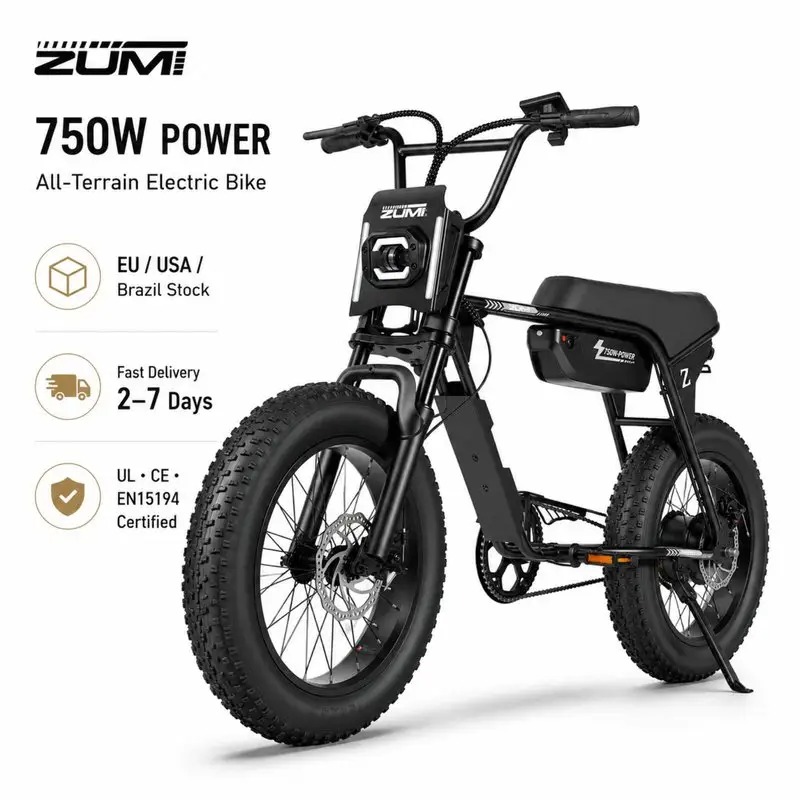
2026/08/03
Learn precise air pressure, rebound & compression tuning for optimal suspension performance. Get pro-level setup tips now.
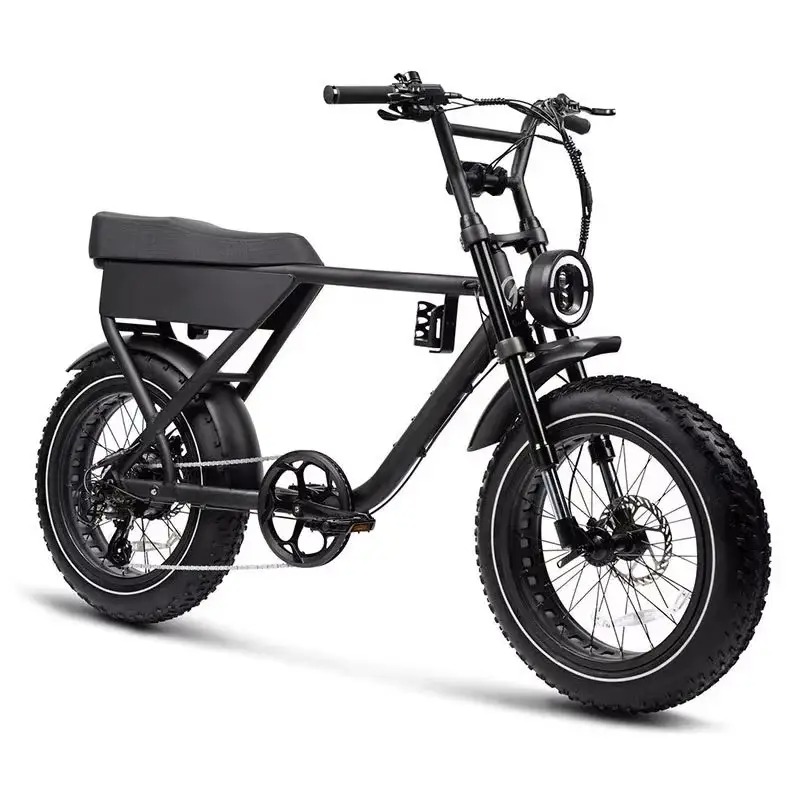
2026/08/03
Discover how voltage drop saps performance—and proven fixes to restore responsiveness, range, and battery life. Read now.
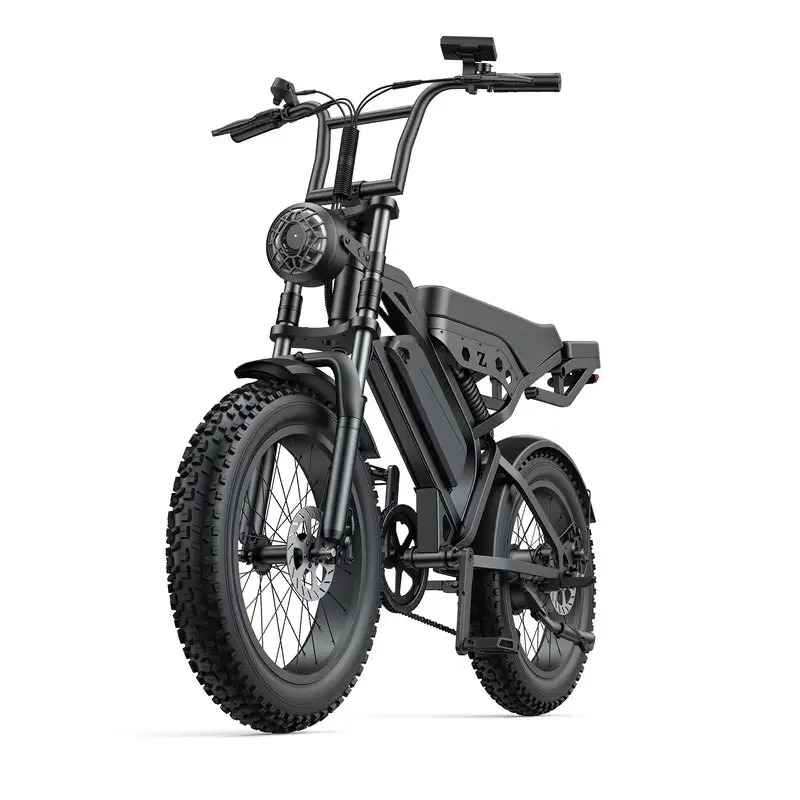
2026/08/03
Discover data-backed protocols, smart infrastructure & operational fixes. Optimize now.
2026/08/03
How payload cuts 48V cargo ebike range by 15–50%+ — backed by real-world degradation curves, motor load science & fleet optimization strategies.
Comprehensive warranty, fast parts shipping, remote diagnostics and local dealer training


