 EN
EN
STEP 1
Full vehicle warranty for 2 years
2026/09/02
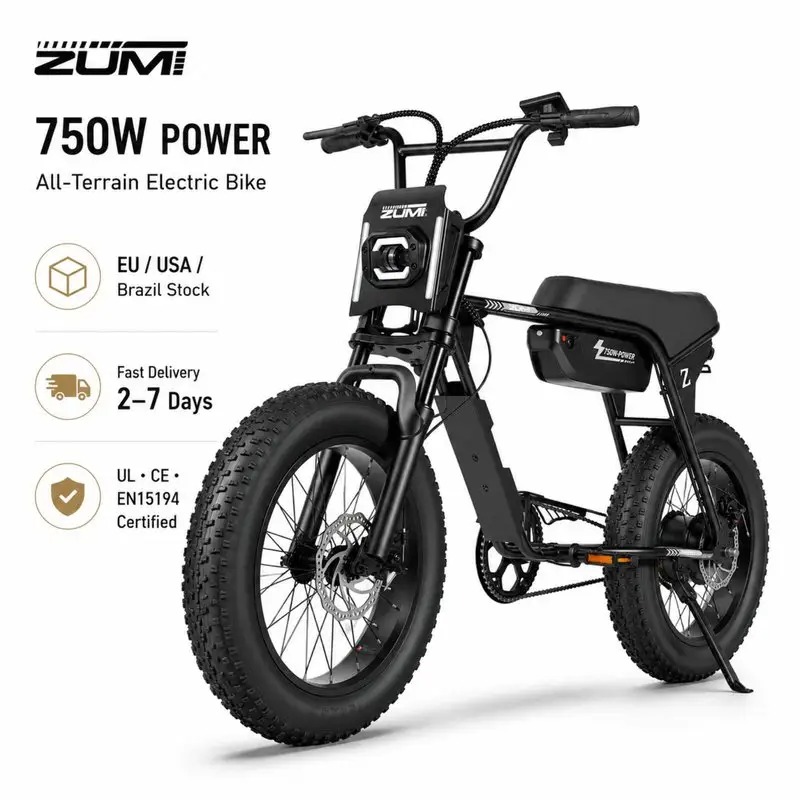
The term 'road-legal' carries significant weight in the electric bike industry, and understanding what makes a 250w electric bike compliant with regulations is essential for buyers and manufacturers alike. EN15194 is the European standard that defines the technical and safety requirements for electrically power-assisted cycles, commonly known as e-bikes or ebikes. This standard ensures that 250w ebikes meet strict guidelines for motor power output, battery safety, mechanical reliability, and rider protection. For consumers in Europe and regions adopting European standards, EN15194 compliance is not optional—it is the legal foundation that determines whether an ebike can be legally ridden on public roads and paths.
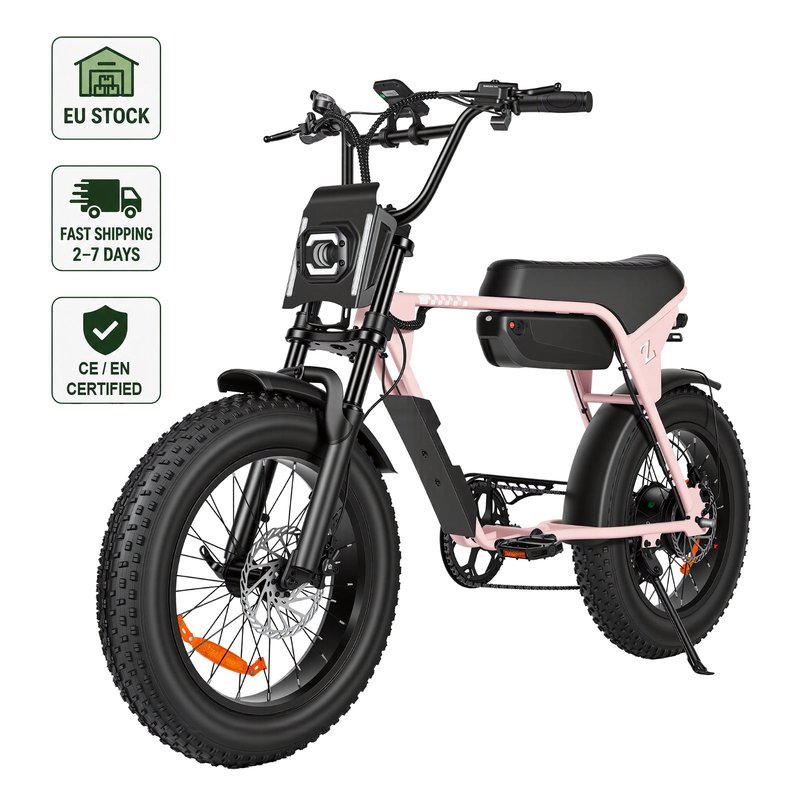
Compliance with EN15194 is not simply a marketing term—it represents verified adherence to measurable technical specifications and safety protocols. A 250w electric mountain bike or any 250w ebike 48v configuration must undergo rigorous testing to demonstrate that it operates within safe parameters, that its electrical components meet insulation and thermal standards, and that its mechanical structure can withstand intended use. This article explores the core requirements of EN15194, what compliance means for different 250w electric bike for sale offerings, and how manufacturers and retailers demonstrate compliance to ensure buyer confidence and legal certainty.
EN15194 establishes that an electrically power-assisted cycle must have a motor with a maximum continuous rated power output of 250 watts. The 250w electric bike specification is not arbitrary—it represents the threshold at which an ebike is classified as a bicycle rather than a moped or motorized vehicle in European law. The motor must cease assistance when the bicycle reaches 25 kilometers per hour on level ground, or when the rider stops pedaling. These speed and power boundaries ensure that 250w ebikes remain within the legal definition of bicycles, allowing them to use standard cycling infrastructure like bike lanes and paths. A 250w electric mountain bike with proper EN15194 certification will have its motor programmed with a cutoff mechanism that prevents exceeding these thresholds, providing both legal protection and consistent user experience across different riding conditions.
EN15194 compliance requires comprehensive electrical safety testing, particularly for battery systems and charging infrastructure. An ebike 250w 48v battery must demonstrate adequate insulation levels, thermal stability under normal and fault conditions, and protection against electrical shock. The standard mandates that rechargeable energy storage systems be tested for reliability, with particular attention to cell imbalance, overcharging protection, and thermal management. Manufacturers of 250w ebikes must provide detailed technical documentation showing that battery packs meet these standards through validated test protocols.
Beyond electrical systems, EN15194 compliance encompasses rigorous mechanical testing of the bicycle frame, wheels, brakes, and drive components. A 250w electric mountain bike frame must withstand cyclic stress testing that simulates real-world riding loads, including sudden acceleration, braking forces, and terrain impacts. The standard specifies that frames be tested for fatigue resistance to ensure they do not fail prematurely during normal use. Wheels, brakes, and transmission systems must meet performance thresholds appropriate to the assisted nature of ebikes—brakes must be capable of safely stopping the combined weight of the bike, battery, motor, and rider with consistent reliability.
EN15194 compliance also addresses how motor, battery, and bicycle components integrate as a unified system. An ebike 250w 48v configuration must demonstrate that the motor does not interfere with braking performance, that weight distribution remains balanced and controllable, and that all electrical connections remain secure throughout the product lifecycle. The standard requires that manufacturers test the complete assembled system under various conditions—different terrains, ambient temperatures, and riding scenarios—to confirm that performance remains consistent and safe.
EN15194 compliance verification typically involves third-party testing laboratories accredited to validate ebike designs and prototypes. Manufacturers of 250w electric bikes must submit their products for independent testing, and certification bodies issue compliance certificates when standards are met. These certificates are crucial evidence that a 250w electric mountain bike or any 250w ebike 48v model has been rigorously validated and is legally permissible for market sale and use. Many retailers of 250w electric bikes for sale will display certification documentation or reference compliance in product listings, which serves as a transparent assurance to buyers. The presence of EN15194 certification also simplifies interactions with local authorities and insurance providers, as it removes ambiguity about the legal classification and safety status of the bike.
EN15194 requires that compliant 250w electric bikes include specific labeling and documentation. The bike must carry a label indicating the motor's continuous rated power, maximum speed assistance threshold, and relevant safety warnings. Manufacturers must provide user manuals that explain proper operation, maintenance requirements, and safety guidelines specific to the 250w ebike's design. For a 250w electric mountain bike or any 250w electric bike for sale, this documentation ensures that users understand the capabilities and limitations of their product, reducing misuse and associated risks. Buyers should always request and review these materials before purchase, as they provide critical operational guidance and confirm that the product meets regulatory standards. Legitimate retailers and manufacturers of 250w ebikes will proactively share certification details and technical specifications, signaling confidence in their compliance status.
EN15194 compliance directly determines whether a 250w electric bike qualifies for access to public cycling infrastructure. In European Union member states and countries adopting the EN15194 standard, a compliant 250w electric mountain bike or 250w ebike 48v is legally classified as a bicycle, not a motorized vehicle. This classification grants access to bike lanes, cycle paths, and other infrastructure specifically designated for bicycles, which significantly enhances the practical utility and appeal of 250w ebikes. Conversely, ebikes that exceed the 250-watt power limit or 25 km/h speed threshold may be classified as mopeds or motorcycles, requiring registration, licensing, helmets, and restricted access to cycling infrastructure. For consumers purchasing 250w electric bikes for sale, EN15194 compliance ensures that their investment provides the intended freedom of movement and infrastructure access without regulatory complications or legal disputes.
EN15194 compliance also affects insurance and liability frameworks for 250w electric bikes. Insurers and legal jurisdictions recognize EN15194-compliant ebikes as lower-risk vehicles, often resulting in simpler coverage terms and lower premiums compared to non-compliant or more powerful alternatives. In case of accidents or disputes, certification of a 250w electric bike provides documented evidence that the product meets safety standards, which can support liability defense and reduce legal exposure for manufacturers and retailers. Buyers of 250w electric mountain bikes or 250w ebikes for sale should verify that their purchase is EN15194 certified, as this certification simplifies insurance claims and provides legal protection. Additionally, compliance documentation can be valuable for warranty enforcement and customer support, establishing clear standards against which product performance and durability can be measured and verified.
EN15194 compliance ensures that your 250w electric bike meets European safety and performance standards, confirming legal road access, reliable component quality, and regulatory recognition. A compliant 250w ebike has been independently tested for motor power, battery safety, mechanical durability, and system integration, providing assurance that the product is safe, durable, and legally permissible for use on public roads and cycling infrastructure. Compliance also simplifies insurance, warranty support, and interactions with local authorities.
Verify compliance by requesting certification documentation from the retailer or manufacturer of 250w electric bikes for sale. Look for third-party test certificates issued by accredited laboratories, check product labeling for compliance marks and motor power specifications, and review user manuals for required safety information. Reputable sellers of 250w electric mountain bikes will proactively share these materials and display compliance references on product listings or websites.
EN15194 is the universal European standard for electrically power-assisted cycles, applying to all ebikes regardless of power rating. However, only ebikes with motor power not exceeding 250 watts and maximum assisted speed not exceeding 25 km/h meet the legal definition of a bicycle in European jurisdictions. Ebikes exceeding these thresholds are classified as mopeds or motorcycles and face different regulatory requirements. When purchasing 250w electric bikes, compliance with EN15194 guarantees that your bike falls within the bicycle category with full access to standard cycling infrastructure.
2026/08/03
Fix time zones, language gaps, and unclear protocols—boost speed, cut costs, and scale confidently.
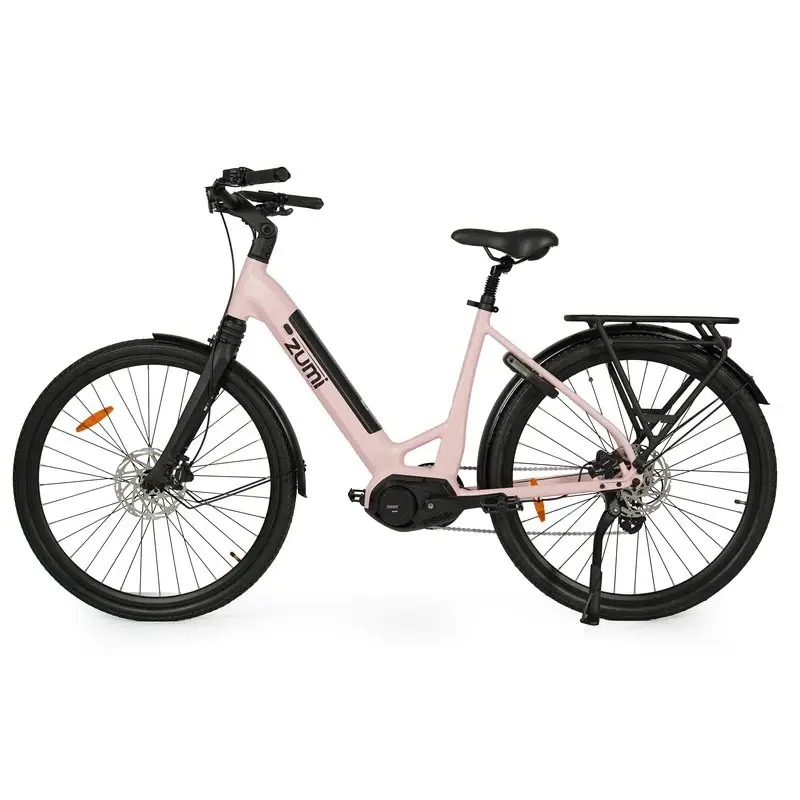
2026/08/03
Avoid liability & import bans: Learn IEC 62619, UN 38.3, and UL 2271—plus how to verify real compliance (not fakes).
2026/08/03
Learn precise air pressure, rebound & compression tuning for optimal suspension performance. Get pro-level setup tips now.
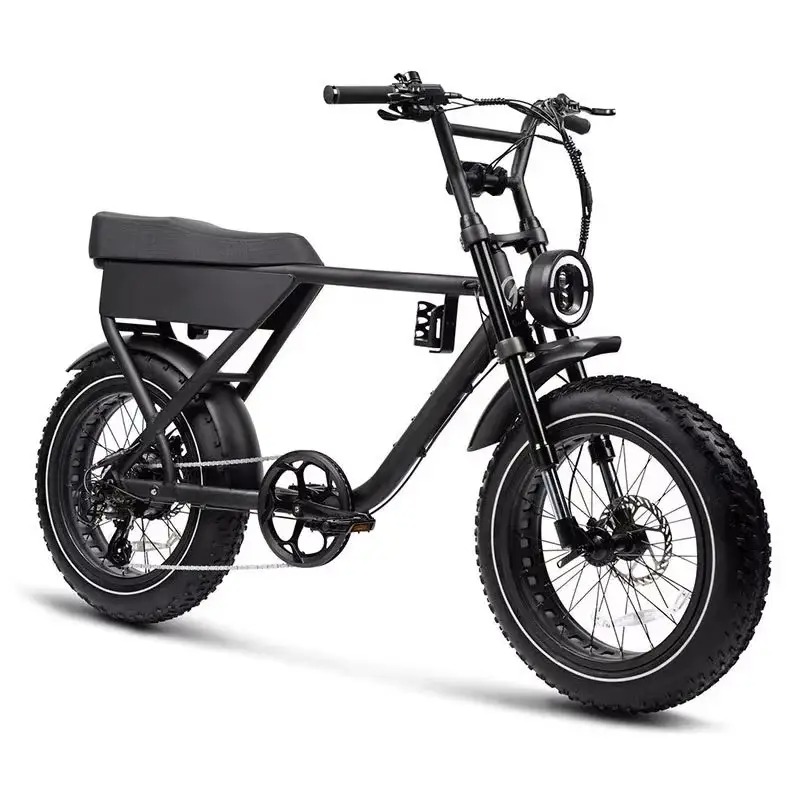
2026/08/03
Discover how voltage drop saps performance—and proven fixes to restore responsiveness, range, and battery life. Read now.
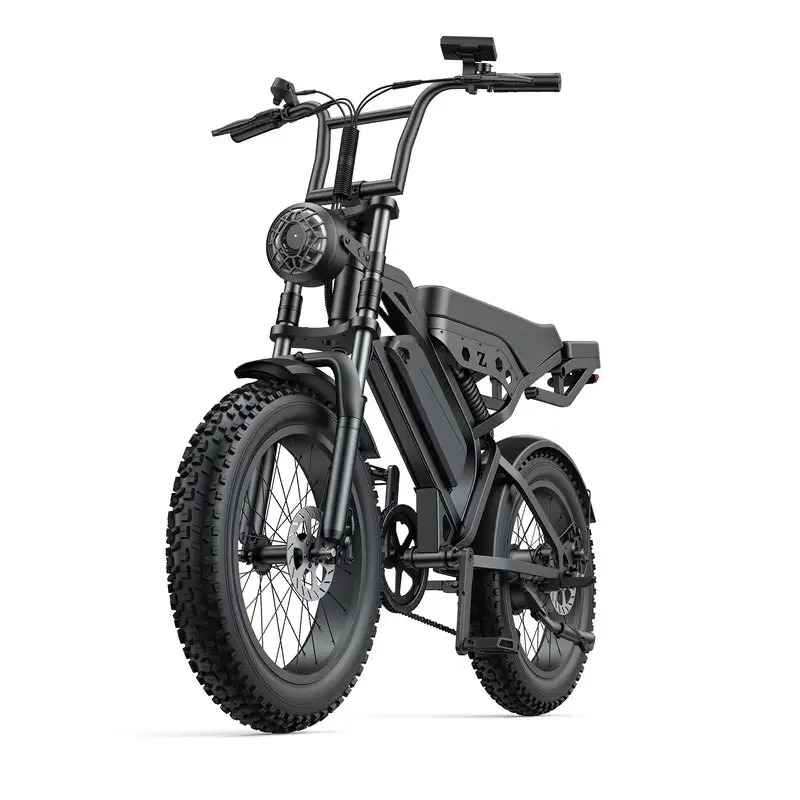
2026/08/03
Discover data-backed protocols, smart infrastructure & operational fixes. Optimize now.
2026/08/03
How payload cuts 48V cargo ebike range by 15–50%+ — backed by real-world degradation curves, motor load science & fleet optimization strategies.
Comprehensive warranty, fast parts shipping, remote diagnostics and local dealer training


