 EN
EN

STEP 1
Full vehicle warranty for 2 years
2026/08/11
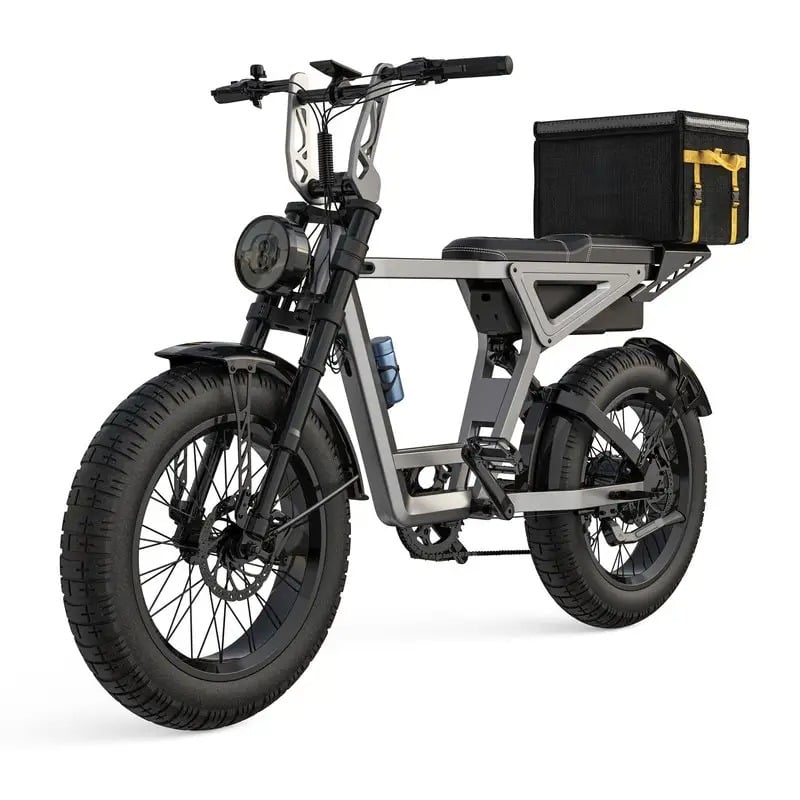
Gear sensor technology represents one of the most critical innovations in modern fat tire electric bike design. These sensors work seamlessly with your drivetrain to optimize power delivery, protect mechanical components, and deliver a smoother riding experience. Understanding how gear sensors function helps riders appreciate the engineering behind their e-bikes and make informed maintenance decisions.
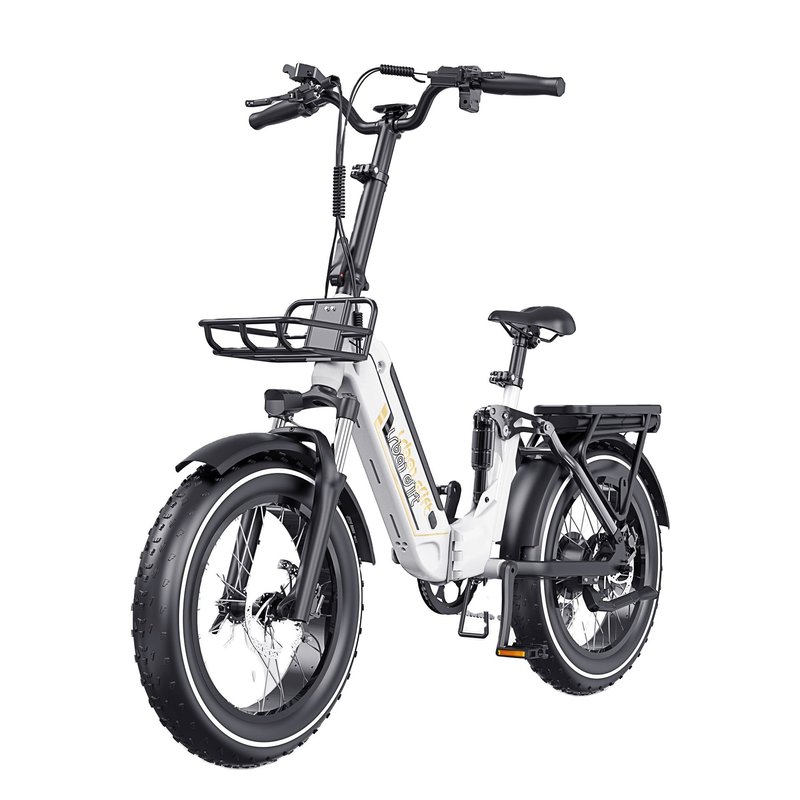
Whether you own a 26 fat tire electric bike, a fat tire electric bicycle for sale at your local dealer, or a cruiser fat tire electric bike, the underlying sensor systems follow similar principles. Gear sensors detect which chainring or sprocket is engaged and communicate this information to the motor controller in real time. This feedback loop enables intelligent power management that extends component lifespan and enhances rider comfort during acceleration, climbing, and cruising.
Gear sensors typically use magnetic or optical technology to identify the current gear position. A magnet is attached to the derailleur or cassette, and a sensor reads the magnetic field strength or position changes as you shift. When you change gears on your fat bike electric cycle, the sensor instantly reports the new gear ratio to the motor controller. This real-time feedback allows the motor to adjust its power output immediately, preventing mechanical stress during transitions.
Once a gear sensor detects a shift, the signal travels through the e-bike's control system to the battery management module and motor controller. The controller then modulates motor power based on the new gear ratio, ensuring smooth torque delivery without sudden load spikes. On a fat tire electric bicycle for sale today, this integration prevents chain jumping, sprocket wear, and drivetrain strain that could occur if the motor continued at full power during a downshift on a 26 fat tire electric bike.
Gear sensors enable your e-bike to anticipate gear changes and adjust motor output proactively. When you downshift to tackle a hill on your cruiser fat tire electric bike, the sensor immediately signals the motor to increase torque delivery in sync with the lower gear ratio. This coordinated response makes climbing feel natural and powerful, without the hesitation that occurs on e-bikes without sensor feedback. Riders report noticeably smoother acceleration patterns across different terrain types.
One of the most valuable functions of gear sensor technology in a fat bike electric cycle is mechanical protection. By preventing the motor from operating at full power during shifts, sensors reduce chain stress, cassette wear, and derailleur strain. A fat tire electric bike equipped with active gear sensing experiences significantly lower maintenance costs and longer component lifespan compared to models relying on passive power management. The sensor essentially acts as an intelligent safeguard for your drivetrain investment.
Regular maintenance keeps your gear sensors functioning optimally on any fat tire electric bicycle for sale. Dirt, mud, and moisture can interfere with magnetic or optical sensors over time. Riders should rinse their fat tire electric bikes after muddy rides and inspect sensor connections periodically. If your 26 fat tire electric bike exhibits erratic shifting or delayed motor response, a gear sensor malfunction may be the cause. Professional diagnostics can identify and resolve sensor issues quickly.
When evaluating a cruiser fat tire electric bike or any fat bike electric cycle model, inquire about the specific sensor technology used. Premium brands invest in robust, sealed sensors that resist environmental contamination. Look for bikes offering at least basic gear position sensing; this feature significantly improves real-world performance and reliability. Entry-level fat tire electric bikes may lack sensor integration, resulting in rougher power transitions and faster component degradation under the stress of the wider tires and heavier frame weight.
If the gear sensor malfunctions on your fat tire electric bicycle for sale, the motor controller loses real-time feedback about your current gear ratio. The motor may continue delivering constant power regardless of gear changes, leading to harsh shifting, chain noise, and accelerated drivetrain wear. Most e-bikes enter a 'limp mode' with reduced power output to minimize damage. Replacing or recalibrating the sensor typically restores normal operation on your fat bike electric cycle.
Not all fat tire electric bikes include gear sensors. Entry-level and budget-oriented cruiser fat tire electric bike models may rely on torque sensors alone, without dedicated gear position sensing. Mid-range and premium fat tire electric bikes commonly feature integrated gear sensors for enhanced performance and component protection. Check product specifications when shopping for a fat tire electric bicycle for sale to confirm whether the model includes this technology.
Gear sensors create a smoother, more responsive ride on your fat tire electric bike by coordinating motor power with your shifting behavior. On a cruiser fat tire electric bike, this means effortless transitions between gears and predictable acceleration regardless of terrain. Riders enjoy extended range and efficiency because the motor operates within optimal power zones defined by gear position. A 26 fat tire electric bike with quality gear sensing delivers a more natural, bike-like feel compared to models without this intelligent feedback system.
2026/08/03
Fix time zones, language gaps, and unclear protocols—boost speed, cut costs, and scale confidently.
2026/08/03
Avoid liability & import bans: Learn IEC 62619, UN 38.3, and UL 2271—plus how to verify real compliance (not fakes).
2026/08/03
Learn precise air pressure, rebound & compression tuning for optimal suspension performance. Get pro-level setup tips now.
2026/08/03
Discover how voltage drop saps performance—and proven fixes to restore responsiveness, range, and battery life. Read now.
2026/08/03
Discover data-backed protocols, smart infrastructure & operational fixes. Optimize now.
2026/08/03
How payload cuts 48V cargo ebike range by 15–50%+ — backed by real-world degradation curves, motor load science & fleet optimization strategies.
Comprehensive warranty, fast parts shipping, remote diagnostics and local dealer training


