 EN
EN
STEP 1
Full vehicle warranty for 2 years
2026/08/13
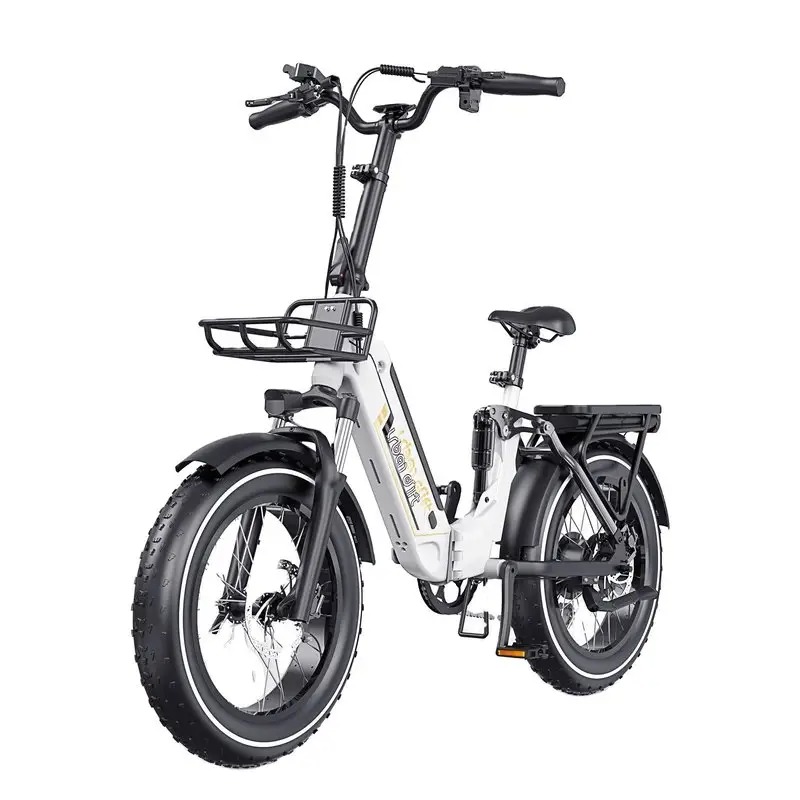
A custom electric bike frame represents far more than aesthetic preference. The geometric specifications of your frame directly influence how the bike handles, accelerates, climbs, and responds to rider input. For enthusiasts building custom made electric bikes or selecting custom built e bikes, understanding geometry modifications is essential to optimizing performance and comfort. Frame geometry encompasses measurements such as head tube angle, seat tube angle, wheelbase, bottom bracket height, and chainstay length. Each parameter affects ride quality, stability, and power delivery. When you invest in a custom electric mountain bike or explore custom e bikes for sale, the underlying geometry dictates whether that investment will genuinely serve your riding style and terrain.
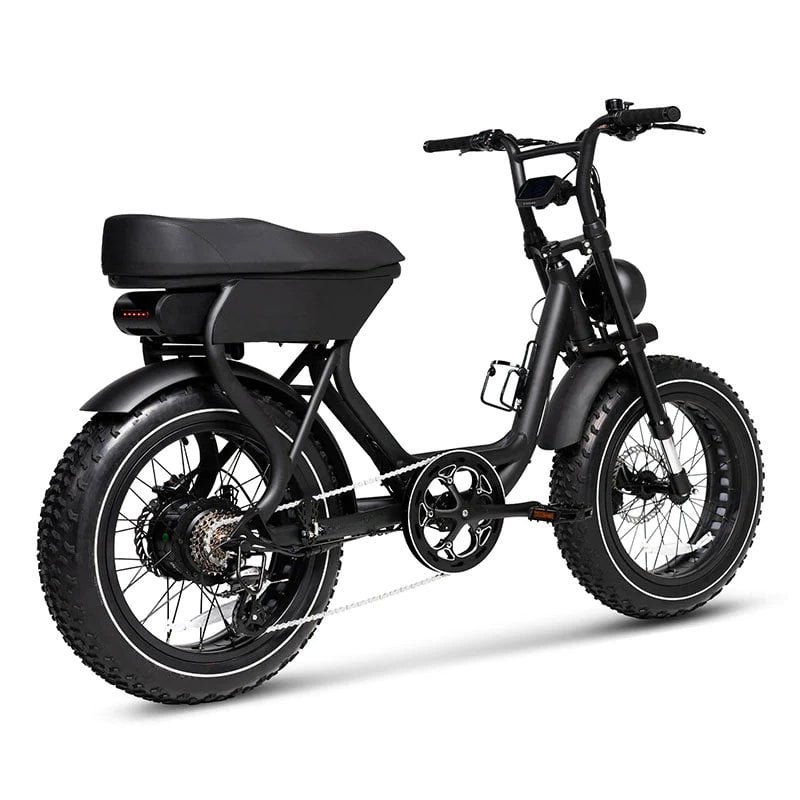
Building a custom made electric bike requires deliberate geometry choices. Unlike mass-market models, custom built e bikes allow you to prioritize specific performance traits. Whether you prioritize uphill efficiency, aggressive cornering, stable cruising, or technical trail navigation, geometry modifications shape every aspect of your ride experience. The relationship between motor output, battery weight, and frame geometry is particularly critical. A well-designed custom electric mountain bike integrates these elements seamlessly, while poor geometry planning can negate the benefits of premium components or high-capacity batteries.
The head tube angle, measured in degrees from horizontal, fundamentally shapes how your custom electric bike responds to steering input. Steeper angles, typically between 70 and 75 degrees, create quicker, more responsive steering. This geometry suits riders who value agility and precise control. Custom built e bikes with steep head tube angles excel in urban environments or technical trail sections where rapid direction changes matter. Conversely, slacker angles, ranging from 65 to 70 degrees, produce more stable, forgiving steering characteristics. Custom made electric bikes with slacker head tubes maintain composure on descents and rough terrain, though they require more deliberate steering inputs. For custom e bikes for sale in adventure or mountain categories, the head tube angle choice determines the personality of the entire ride.
Electric motors add significant weight to the front end of custom e bikes. This weight naturally increases the inertia in the steering column. A custom electric mountain bike with a steeper head tube angle compensates for this added mass by maintaining responsive handling despite the motor's presence. When selecting custom built e bikes, consider how the head tube geometry interacts with motor placement. A slacker geometry combined with a heavy front-mounted motor can create ponderous, laggy steering that fatigues the rider. Conversely, a well-matched steep head tube angle on a custom made electric bike restores the nimbleness riders expect from responsive bicycles.
The seat tube angle determines rider position relative to the pedals and drivetrain. A steep seat tube angle, typically 75 degrees or steeper, positions the rider more forward over the pedals. This geometry enhances power transfer and is favored by custom electric mountain bike builders targeting aggressive climbing or acceleration scenarios. Custom built e bikes with steep seat tube angles concentrate rider weight directly over the drivetrain, maximizing leverage and efficiency. Conversely, custom made electric bikes with more relaxed seat tube angles, around 73 degrees, position the rider further back, improving comfort on longer rides and distributing weight across a larger portion of the frame. For custom e bikes for sale targeting leisure or commuting, this relaxed geometry proves more appealing.
Many riders building custom made electric bikes want geometry that balances multiple demands. A moderately steep seat tube angle, around 74 degrees, offers a compromise between power efficiency and ride comfort. This specification suits custom built e bikes intended for mixed-terrain use. The custom electric mountain bike category increasingly embraces this balanced approach, recognizing that modern riders traverse varied terrain within single outings. Frame builders who understand this hybrid demand can craft custom e bikes for sale that perform credibly in multiple scenarios without compromising core strengths.
Wheelbase, the distance between front and rear wheel axles, profoundly influences how stable a custom electric bike feels, especially when climbing or accelerating. Longer wheelbases provide stability and confidence, particularly valuable on custom electric mountain bikes where technical terrain demands composure. Custom built e bikes with extended wheelbases distribute the motor's weight more evenly across the frame, reducing the likelihood of front wheel lift during hard acceleration. Custom made electric bikes designed for gravel or adventure riding benefit tremendously from this extended geometry. Shorter wheelbases make custom e bikes for sale more agile and responsive but sacrifice some stability. The ideal wheelbase for any custom electric bike depends on intended use, rider skill level, and motor power output.
Bottom bracket height, measured from ground to the center of the pedal crank, affects cornering confidence and pedal strike risk. A custom electric mountain bike with a lower bottom bracket provides better cornering confidence and lower center of gravity. This geometry proves particularly valuable when building custom made electric bikes for technical terrain. However, lower bottom brackets increase pedal strike risk on rough ground. Custom built e bikes intended for road or smooth-surface use can employ lower bottom brackets safely. For adventure-focused custom e bikes for sale, builders must balance stability gains against practical strike concerns. Modern custom electric bike design increasingly uses adjustable geometry or hybrid approaches to navigate these competing demands.
Chainstay length, the distance from the bottom bracket to the rear wheel axle, shapes how powerfully a custom electric bike accelerates and how the rear wheel grips during climbing. Shorter chainstays, common in custom built e bikes targeting aggressive performance, enable more dramatic weight transfer to the rear wheel during hard acceleration. This geometry advantage proves critical for custom electric mountain bikes ascending steep slopes with high motor torque. Custom made electric bikes with shorter chainstays deliver snappier response to acceleration input. However, longer chainstays provide more rear wheel grip and compliance. Custom e bikes for sale in comfort or touring categories favor longer chainstays that absorb bumps and maintain stability during sustained climbing.
Electric motors deliver torque instantly, with no gradual pedal engagement like human power. This characteristic demands that custom electric bike frames handle sudden, intense loads. A well-designed custom built e bike incorporates chainstay geometry that stabilizes the rear wheel during peak torque delivery. The chainstay length interacts with seat tube angle and wheelbase to create an integrated geometry package. When custom made electric bikes are designed without considering motor torque dynamics, geometry mismatches can cause traction loss or unpredictable handling. Professional builders of custom e bikes for sale invest time understanding how motor characteristics interact with frame geometry, creating cohesive packages rather than mismatched component assemblies.
Steeper head tube angles enhance steering precision on climbs, while steep seat tube angles concentrate rider weight over the pedals for maximum power transfer. Custom built e bikes designed for climbing also benefit from extended wheelbases that reduce front wheel lift during hard acceleration and slightly longer chainstays that maintain rear traction. Custom electric mountain bikes specifically designed for steep terrain typically employ these combined modifications to create responsive, confidence-inspiring climbing platforms.
Custom made electric bikes allow frame builders to adjust every geometric parameter based on specific use cases, rider preferences, and motor characteristics. Standard models make compromises to appeal to broader audiences. Custom built e bikes can prioritize climbing efficiency, descending confidence, technical trail performance, or comfort as the primary design driver. Custom e bikes for sale offer geometric precision that mass-produced models simply cannot match, resulting in more cohesive, purpose-specific riding experiences.
Mixed-terrain custom electric bikes benefit from moderate geometry choices that avoid extremes. Slightly steep head tube angles around 72 degrees provide responsive steering without over-exaggeration. Seat tube angles near 74 degrees balance power and comfort. Moderate wheelbases offer stability without sacrificing agility. Custom built e bikes designed for versatility employ these balanced specifications. Many custom electric mountain bike builders recognize that modern riders demand geometry serving multiple terrain types, making balanced design increasingly valuable in the custom e bikes for sale market.
2026/08/03
Fix time zones, language gaps, and unclear protocols—boost speed, cut costs, and scale confidently.
2026/08/03
Avoid liability & import bans: Learn IEC 62619, UN 38.3, and UL 2271—plus how to verify real compliance (not fakes).
2026/08/03
Learn precise air pressure, rebound & compression tuning for optimal suspension performance. Get pro-level setup tips now.
2026/08/03
Discover how voltage drop saps performance—and proven fixes to restore responsiveness, range, and battery life. Read now.
2026/08/03
Discover data-backed protocols, smart infrastructure & operational fixes. Optimize now.
2026/08/03
How payload cuts 48V cargo ebike range by 15–50%+ — backed by real-world degradation curves, motor load science & fleet optimization strategies.
Comprehensive warranty, fast parts shipping, remote diagnostics and local dealer training


