 EN
EN
STEP 1
Full vehicle warranty for 2 years
2026/08/12
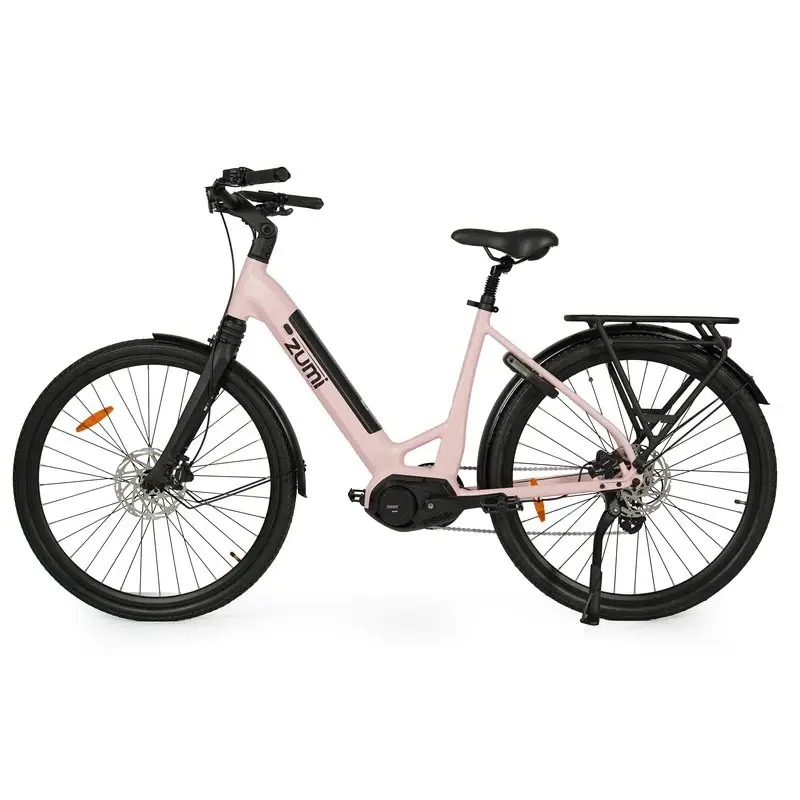
Understanding the kinematics of a full suspension electric bike frame is essential for riders seeking optimal performance, comfort, and handling on demanding terrain. Kinematics refers to the mechanical geometry and movement patterns of the suspension system, which directly influences how the bike responds to impacts, accelerates, and corners. For e-bike enthusiasts, grasping these principles helps explain why certain full suspension mountain ebikes excel on technical trails while others feel sluggish or unstable. The integration of motor weight and battery placement in electric full suspension designs adds layers of complexity that traditional mountain bikes do not face, making kinematic understanding particularly valuable for modern riders.
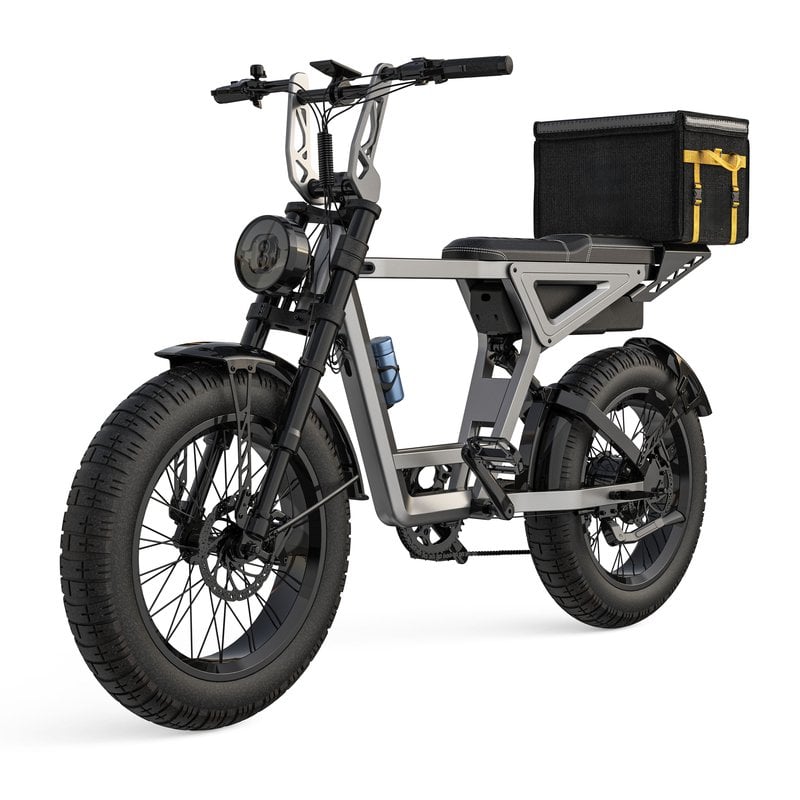
The kinematic behavior of a full suspension ebike mountain bike determines how the rear suspension compresses and extends during pedaling, braking, and impact absorption. Unlike rigid or hardtail designs, full suspension systems feature both front and rear shock absorbers that work together to manage energy transfer and maintain tire contact with uneven surfaces. Electric full suspension bikes must account for additional motor torque, which can dramatically affect rear-wheel anti-squat characteristics and chain tension dynamics.
The rear triangle of a full suspension mountain ebike consists of the chainstays, seatstays, and swingarm, all connected through precisely positioned pivot points. These pivot points create the kinematic pathway that determines how the suspension moves relative to the frame. The most common linkage types include single-pivot, virtual pivot point (VPP), Horst link, and floating-link designs, each offering distinct kinematic characteristics.
Anti-squat is a critical kinematic parameter that determines how much the suspension compresses during acceleration and pedaling. In full suspension ebike mountain bike platforms, high anti-squat values prevent excessive compression during motor-assisted climbing, preserving traction and pedaling efficiency. Anti-rise, conversely, relates to how the suspension extends during braking. Full suspension electric bikes require balanced anti-squat and anti-rise geometry to handle the unique demands of powered propulsion. Designers use advanced linkage angles and pivot positioning to achieve optimal anti-squat values, typically ranging from sixty to ninety percent depending on riding style and terrain.
Shock travel defines the maximum distance the rear suspension can compress, typically ranging from one hundred twenty to one hundred sixty millimeters on modern full suspension mountain ebikes. The kinematic ratio between shock travel and rear wheel travel is determined by the linkage design, meaning a given shock stroke translates into different amounts of actual suspension movement depending on frame geometry. Full suspension electric bikes often feature longer shock strokes to handle the additional weight of battery and motor components while maintaining adequate ground clearance. The mechanical advantage provided by linkage design means that a forty-millimeter shock compression might translate to fifty or sixty millimeters of rear wheel movement, depending on the specific kinematic curve. Understanding this relationship helps riders and engineers predict how a full suspension ebike mountain bike will feel on technical terrain and whether the suspension utilization is optimized for intended riding conditions.
Progressive spring rates ensure that suspension becomes increasingly stiff as it compresses, preventing bottom-out while maintaining sensitivity to small impacts. Full suspension electric bikes typically employ air springs with progressive volume chambers or coil springs with progressive coils to achieve this behavior. The kinematic progression of the linkage interacts with the spring rate progression to create a combined response curve that absorbs small bumps smoothly while resisting large compressions. Electric full suspension designs must account for varying motor torque across the pedal stroke, which creates inconsistent loads on the rear suspension. Advanced kinematic designs use variable linkage ratios that naturally adapt compression resistance to match these changing forces, resulting in more predictable handling throughout the entire pedal cycle.
Chain growth refers to how the distance between the crankset and rear hub changes as the suspension compresses. In a full suspension mountain ebike, compression increases the effective wheelbase, which can cause the chain to become slack or create additional tension depending on linkage design. Poorly managed chain growth in electric full suspension systems can cause chain bounce, reduced drivetrain efficiency, and premature wear. Modern full suspension ebike mountain bike designers use specific pivot point positioning to minimize chain growth or counteract it through swingarm geometry. Some advanced designs employ active chain management through precise kinematic calculation that keeps chain tension consistent regardless of suspension position, which is particularly important for high-torque electric motors that amplify drivetrain stress.
The electric motor introduces significant torque to the rear wheel, typically ranging from forty to one hundred forty newton-meters depending on motor type and power rating. This additional torque affects suspension kinematics by increasing squat forces during acceleration, which can either compress or extend suspension depending on linkage design. Full suspension electric bikes with high anti-squat geometry maintain a stiffer suspension feel during assisted acceleration, preserving traction and wheel contact. Conversely, full suspension mountain ebikes designed with lower anti-squat values allow more compliance during motor engagement, which can enhance comfort but may sacrifice efficiency. Engineers balance these considerations by using sophisticated linkage designs that adapt suspension behavior based on pedal input and motor assistance level, creating responsive full suspension electric systems that feel natural across varied riding conditions.
Proper suspension sag setup is fundamental to optimizing kinematic performance on any full suspension ebike mountain bike. Sag refers to the amount of suspension compression caused by rider weight and bike mass, typically set between twenty-five and thirty-five percent of total travel. For electric full suspension bikes, heavier riders may need to adjust shock pressure upward to achieve appropriate sag while preventing excessive compression on moderate impacts. The kinematic characteristics of the linkage design determine how sensitive the suspension is to weight changes, with some designs exhibiting more sag consistency than others. Correctly set suspension sag ensures that the bike operates in the optimal portion of its kinematic curve, preserving both small-bump sensitivity and large-impact resistance. Riders should measure sag regularly, especially after adjusting air pressure or adding weight to the frame.
Understanding full suspension mountain ebike kinematics allows riders to adapt their technique to different terrain and riding styles. Steep descents benefit from full suspension electric bikes with longer travel and progressive leverage curves that build support as suspension compresses. Technical rock gardens require responsive kinematics with quick anti-rise characteristics to maintain wheel contact during braking and course changes. Climbing sections demand high anti-squat geometry that prevents excessive bob while maintaining pedaling efficiency under motor assistance.
Different linkage types such as single-pivot, virtual pivot point, and Horst links create distinct kinematic curves that determine how suspension responds to pedaling, impacts, and braking. Virtual pivot point designs, for example, provide excellent anti-squat characteristics ideal for electric full suspension performance, while single-pivot systems offer simplicity and reliability. The specific linkage geometry defines the suspension's progression curve, anti-squat percentage, and overall feel across the travel range. Engineers select linkage types based on intended use and terrain, balancing efficiency for full suspension electric bikes with comfort and predictability.
Suspension sag determines where in the kinematic curve the bike operates at rest, which directly influences small-bump sensitivity and mid-travel support. Incorrect sag positioning causes the suspension to work outside its optimized range, resulting in either excessive harshness or excessive softness depending on whether sag is too low or too high. Full suspension electric bikes with heavier motors and batteries require more careful sag adjustment than traditional mountain bikes to maintain optimal kinematic performance. Setting sag correctly ensures consistent pedaling feel and predictable handling across varied terrain types.
Chain growth, the change in effective wheelbase as suspension compresses, can cause drivetrain inefficiency, chain noise, and accelerated wear if not properly managed. Electric full suspension bikes experience magnified chain growth effects because powerful motors increase drivetrain stress and make tension inconsistencies more noticeable. Poor chain growth compensation results in suspension binding, chain bounce, and unpredictable handling as the bike compresses and extends. Modern full suspension ebike mountain bike designers use precise kinematic calculation to minimize chain growth through swingarm pivot positioning and linkage geometry. Proper chain growth management in electric full suspension systems enhances drivetrain reliability, improves power transfer efficiency, and extends component lifespan by maintaining consistent chain tension throughout the suspension travel range.
2026/08/03
Fix time zones, language gaps, and unclear protocols—boost speed, cut costs, and scale confidently.
2026/08/03
Avoid liability & import bans: Learn IEC 62619, UN 38.3, and UL 2271—plus how to verify real compliance (not fakes).
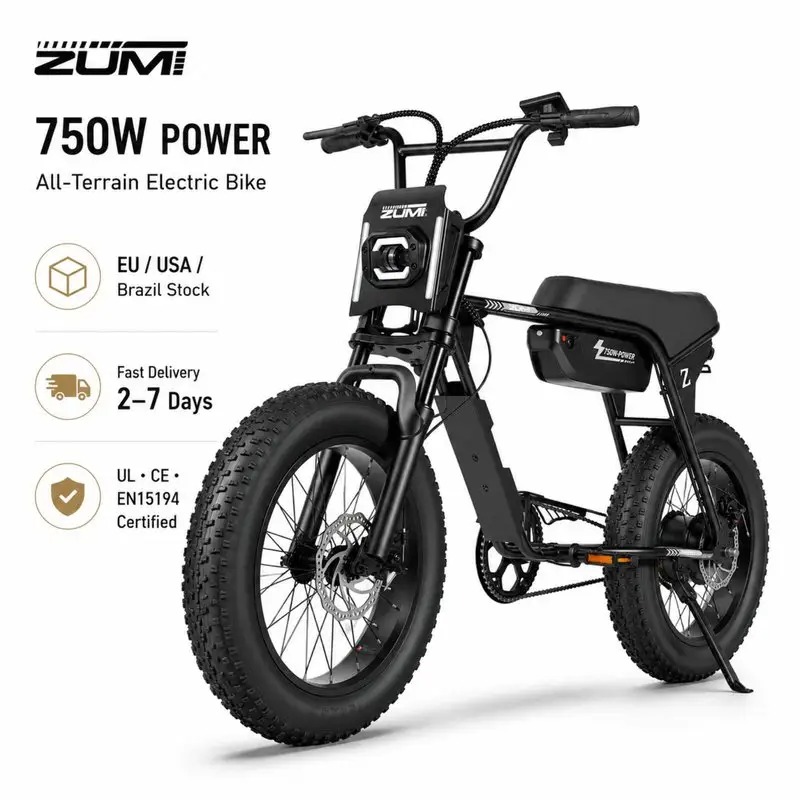
2026/08/03
Learn precise air pressure, rebound & compression tuning for optimal suspension performance. Get pro-level setup tips now.
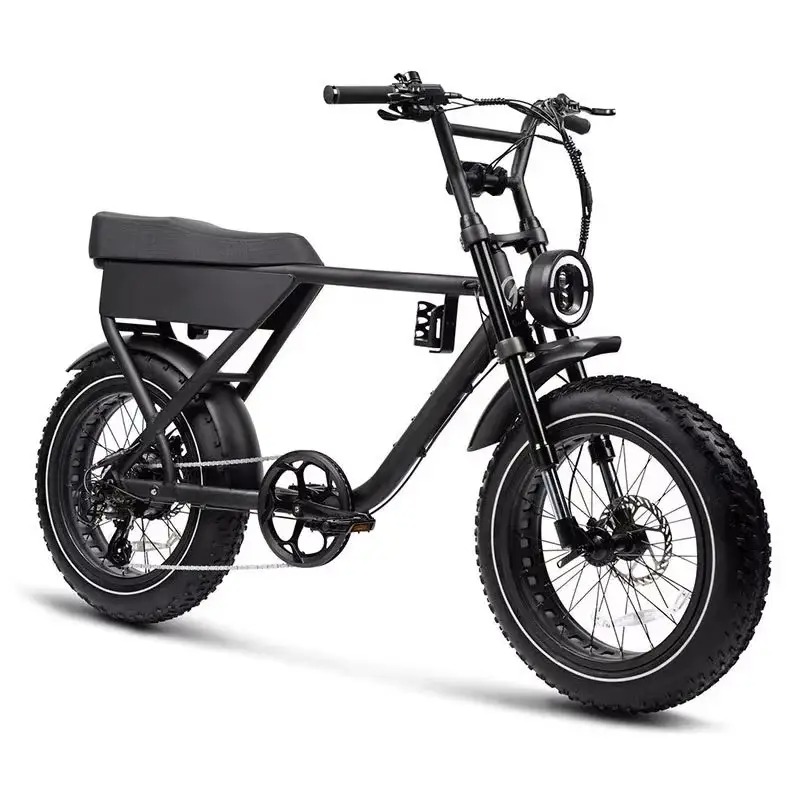
2026/08/03
Discover how voltage drop saps performance—and proven fixes to restore responsiveness, range, and battery life. Read now.
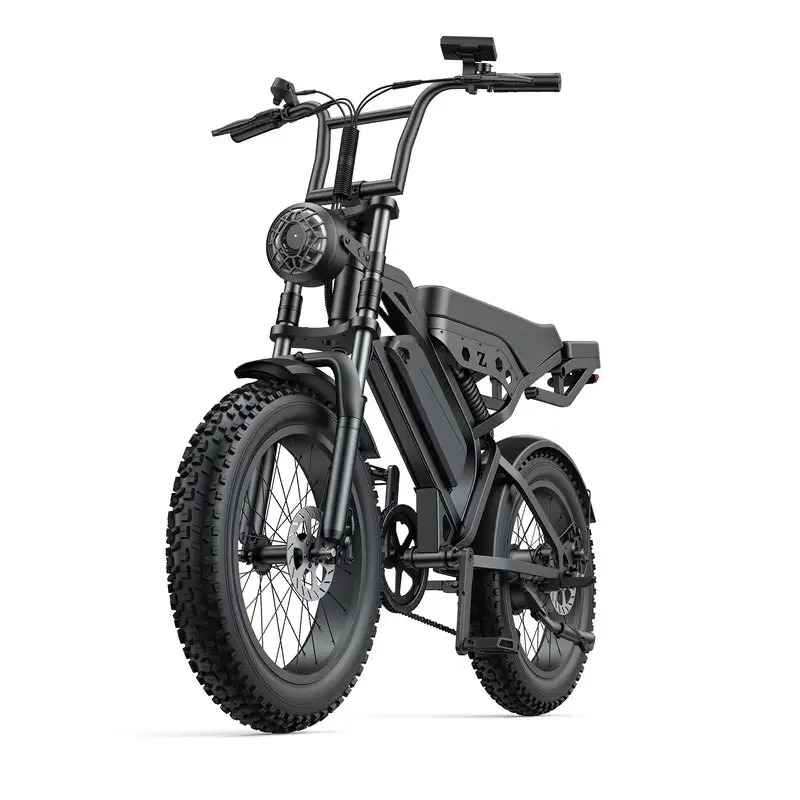
2026/08/03
Discover data-backed protocols, smart infrastructure & operational fixes. Optimize now.
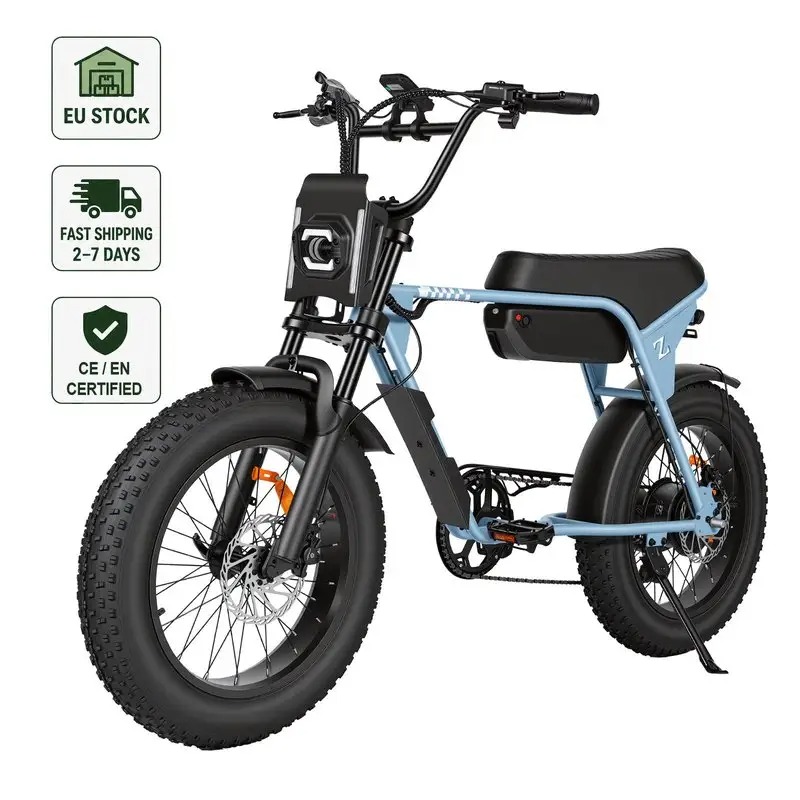
2026/08/03
How payload cuts 48V cargo ebike range by 15–50%+ — backed by real-world degradation curves, motor load science & fleet optimization strategies.
Comprehensive warranty, fast parts shipping, remote diagnostics and local dealer training


