 EN
EN
STEP 1
Full vehicle warranty for 2 years
2026/08/25
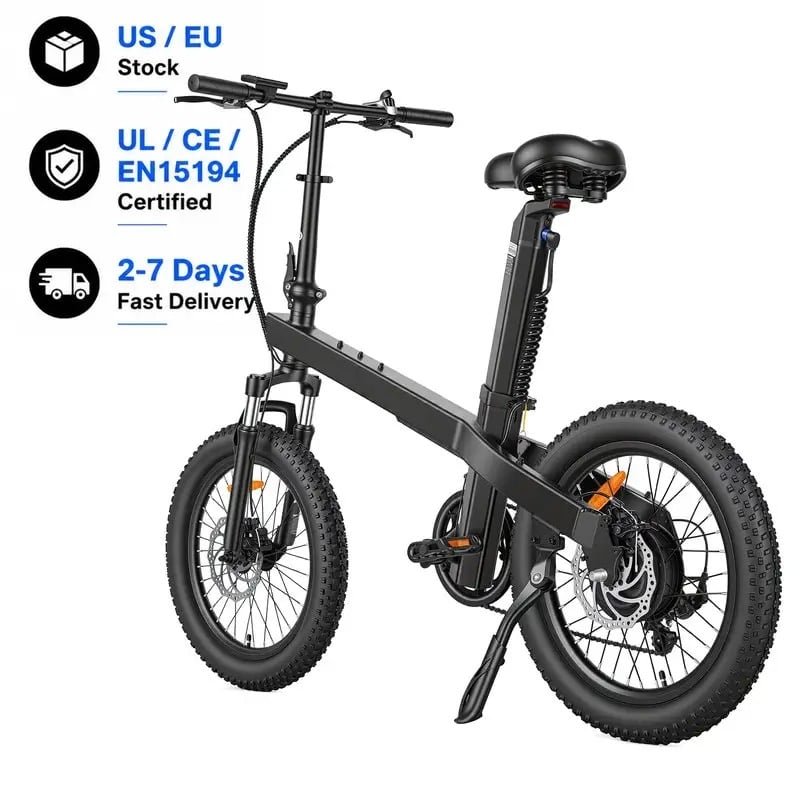
Navigating lithium-ion shipping regulations is essential for anyone involved in ebike wholesale operations. Electric bicycles powered by lithium-ion batteries represent a rapidly growing segment of the sustainable transportation market, yet their movement across borders and jurisdictions is tightly controlled by international and domestic regulations. Understanding these rules is not optional for wholesale operations but rather a critical operational requirement that directly affects cost, timeline, liability, and market access.
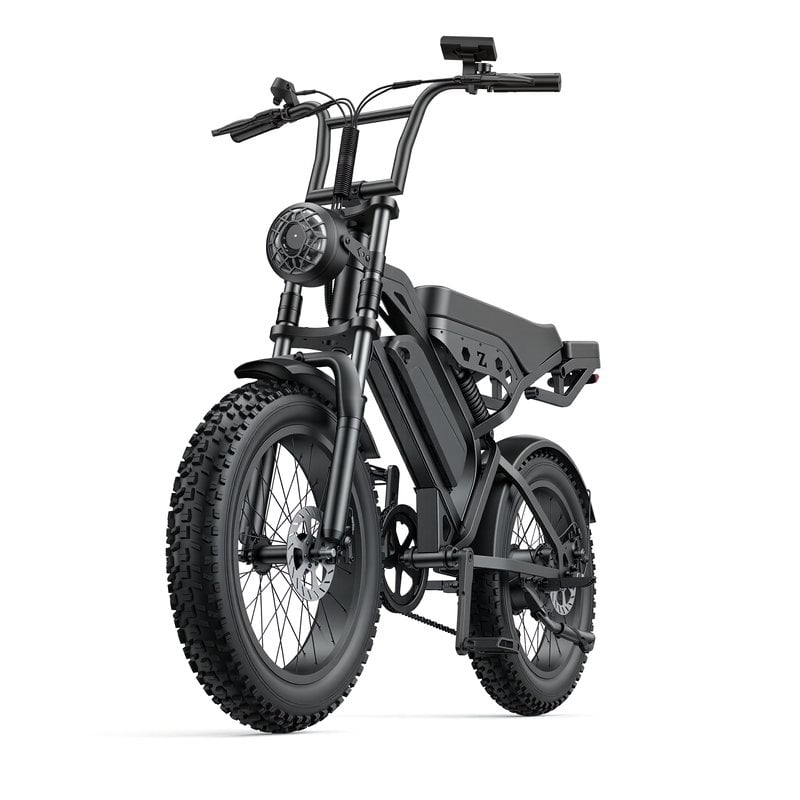
For distributors and wholesalers in the ebikes wholesale market, compliance failures can result in shipment delays, confiscation, substantial fines, and damage to business relationships with retailers and logistics partners. The regulatory landscape encompasses IATA (International Air Transport Association) rules, IMDG (International Maritime Dangerous Goods) codes, DOT (Department of Transportation) standards in the United States, and similar frameworks in other jurisdictions. Each pathway—whether air, sea, or ground—carries distinct requirements for battery packaging, labeling, documentation, and handler training.
The IATA Dangerous Goods Regulations represent the strictest and most frequently updated framework governing lithium-ion battery shipments by air. For ebike wholesale usa operations, understanding IATA Class 9 designation is fundamental. Lithium-ion batteries are classified as dangerous goods due to their potential for thermal runaway, which means they cannot be shipped as passenger cargo and are limited to cargo-only aircraft under stringent conditions.
Each lithium-ion battery or battery pack must undergo testing per UN 38.3 standards, which evaluate thermal stability, short circuit resistance, external short circuit tolerance, and thermal shock performance. For those operating in the electric bicycle distributors space, this testing requirement applies whether you are importing finished ebikes or battery packs intended for assembly or retail distribution. Documentation must accompany every shipment, including test reports, safety data sheets, and shipper declarations for dangerous goods.
The IMDG Code governs maritime transport of lithium-ion batteries and applies to any ebike wholesale shipment traveling by sea. Batteries are classified as Class 9 hazardous materials under IMDG, with specific stowage requirements, segregation mandates, and container marking standards. Unlike air transport, maritime routes offer greater capacity and lower costs for large wholesale shipments, but the regulatory complexity remains equally rigorous.
Ground transport within the United States falls under DOT Hazardous Materials Regulations. Wholesale ebikes containing lithium-ion batteries must be transported in vehicles operated by companies holding DOT hazmat endorsements and must comply with packaging, labeling, placarding, and documentation standards. For ebikes wholesale usa distributors, using non-compliant carriers exposes the business to federal penalties and customer liability claims.
Before any wholesale ebikes shipment leaves a production facility, battery testing documentation must be complete and current. UN 38.3 testing is valid for a specific duration and must be repeated if formulations, designs, or manufacturing processes change. For electric bicycle distributors operating in multiple markets, maintaining separate testing records for different battery specifications ensures that each product variant meets its destination market requirements.
Third-party testing laboratories accredited to UN 38.3 standards conduct these evaluations, and the cost per battery type typically ranges from several hundred to several thousand dollars depending on test scope and lab location. Many wholesale ebikes operations amortize this cost across large batch shipments to optimize per-unit expense, which incentivizes higher order volumes and longer production runs.
Lithium-ion batteries in wholesale ebikes must be packaged to prevent short circuits, thermal propagation, and damage during transit. Individual cells or modules require insulation materials such as plastic sleeves or foam separators. Completed battery packs must be enclosed in rigid containers with shock-absorbing materials, and packaging must be certified to withstand drop tests and vibration standards relevant to transport mode.
Labels and markings required for ebike wholesale shipments include the Class 9 hazard label, proper shipping name, technical names, packing group designation, and shipper contact information. For ebikes wholesale usa operations moving across state lines or internationally, multilingual labeling may be necessary. Each shipping mode—air, sea, ground—has specific label placement, size, and format requirements that must be followed precisely to avoid rejection or confiscation at port or carrier facilities.
Every shipment of wholesale ebikes requires supporting documentation including commercial invoices, packing lists, shipper's declarations for dangerous goods, certificates of analysis, test reports, and insurance documentation. For import and export operations, customs brokers must file hazmat declarations and obtain applicable import permits or licenses depending on destination country requirements.
Chain of custody documentation ensures that every handler in the supply chain acknowledges receipt and condition of the shipment. For electric bicycle distributors working with multiple carriers, freight forwarders, and warehouse operators, maintaining complete audit trails protects the business in case of loss, damage, or regulatory investigation. Digital tracking systems that capture signatures, photos, and handler certifications have become standard practice for high-value wholesale ebikes operations.
Ebike wholesale usa operations face regulations from DOT, FAA, PHMSA (Pipeline and Hazardous Materials Safety Administration), and state-level authorities. The FAA Modernization and Reform Act contains specific restrictions on lithium-ion battery shipments, including limitations on quantity per package and per transport vehicle. State regulations may impose additional requirements such as carrier licensing, training certifications, or restricted routing through populated areas.
California, for example, has implemented supplemental environmental and safety requirements for battery shipments, making it a more complex jurisdiction for ebikes wholesale operations. Distributors serving multiple states must track and comply with varying standards, which often necessitates working with specialized logistics providers familiar with regional nuances and enforcement patterns.
International ebike wholesale operations must align with destination country regulations, which vary significantly. European Union member states follow the Battery Regulation (EU) 2023/1542, which includes transportation safety requirements in addition to environmental and labeling standards. Canada regulates lithium-ion battery shipments under TSB (Transportation of Dangerous Goods) regulations. For electric bicycle distributors targeting multiple international markets, compliance complexity increases substantially and often requires consulting with customs brokers, logistics specialists, and legal advisors familiar with each jurisdiction.
Yes, but only via cargo aircraft and only when batteries have passed UN 38.3 testing and comply with IATA Dangerous Goods Regulations. There are strict quantity limits per package and per aircraft, and only authorized dangerous goods handlers certified by the airline may process shipments. Air transport typically costs significantly more than ground or sea but offers faster delivery times for time-sensitive wholesale ebikes orders.
Non-compliant shipments can be refused by carriers, impounded at ports or border crossings, returned to origin at the shipper's expense, or destroyed by government authorities. Beyond financial loss, regulatory violations can result in civil fines ranging from thousands to hundreds of thousands of dollars, criminal liability for responsible parties, and permanent damage to business relationships with logistics partners and retailers. Insurance typically does not cover losses resulting from regulatory non-compliance.
Distributors themselves do not typically need hazmat licenses, but the carriers they hire must hold appropriate DOT or equivalent certifications. However, distributors are legally responsible for ensuring accurate hazmat declarations, proper packaging, and selecting compliant carriers. Many wholesale ebikes operations maintain dedicated compliance officers or work with third-party logistics providers holding full hazmat certifications to reduce liability and operational burden.
2026/08/03
Fix time zones, language gaps, and unclear protocols—boost speed, cut costs, and scale confidently.
2026/08/03
Avoid liability & import bans: Learn IEC 62619, UN 38.3, and UL 2271—plus how to verify real compliance (not fakes).
2026/08/03
Learn precise air pressure, rebound & compression tuning for optimal suspension performance. Get pro-level setup tips now.
2026/08/03
Discover how voltage drop saps performance—and proven fixes to restore responsiveness, range, and battery life. Read now.
2026/08/03
Discover data-backed protocols, smart infrastructure & operational fixes. Optimize now.
2026/08/03
How payload cuts 48V cargo ebike range by 15–50%+ — backed by real-world degradation curves, motor load science & fleet optimization strategies.
Comprehensive warranty, fast parts shipping, remote diagnostics and local dealer training


