 EN
EN
STEP 1
Full vehicle warranty for 2 years
2026/08/06
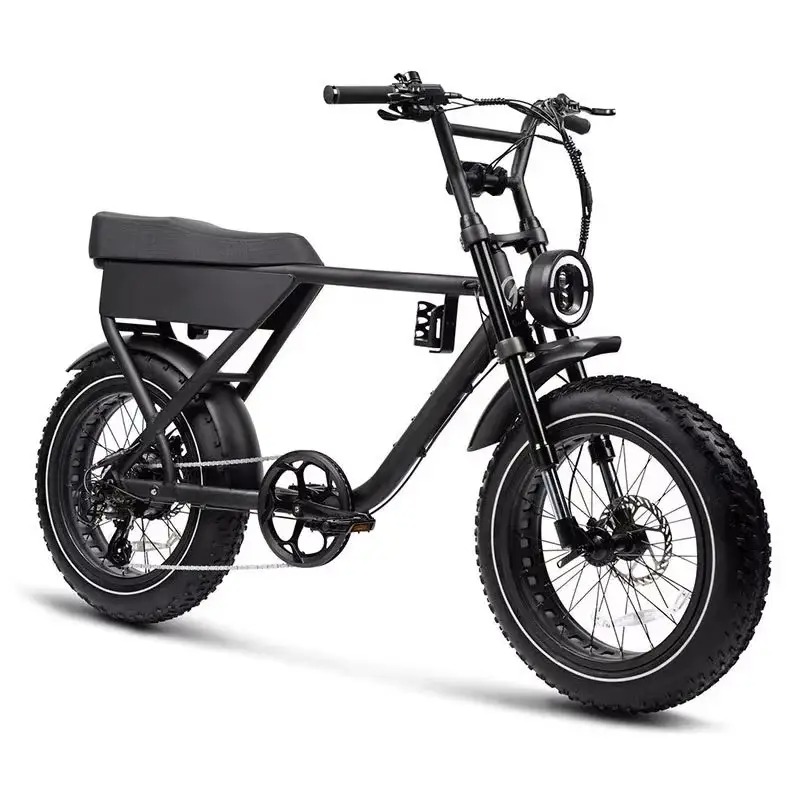
Managing logistics inside a high-volume electric bicycles factory requires coordinated systems that balance speed, accuracy, and cost control. As production volumes scale, the complexity of moving raw materials, components, work-in-progress inventory, and finished products through the facility becomes a critical bottleneck or competitive advantage. The logistics operation directly impacts cycle time, product quality, workforce efficiency, and ultimately profitability in the competitive ebike market.
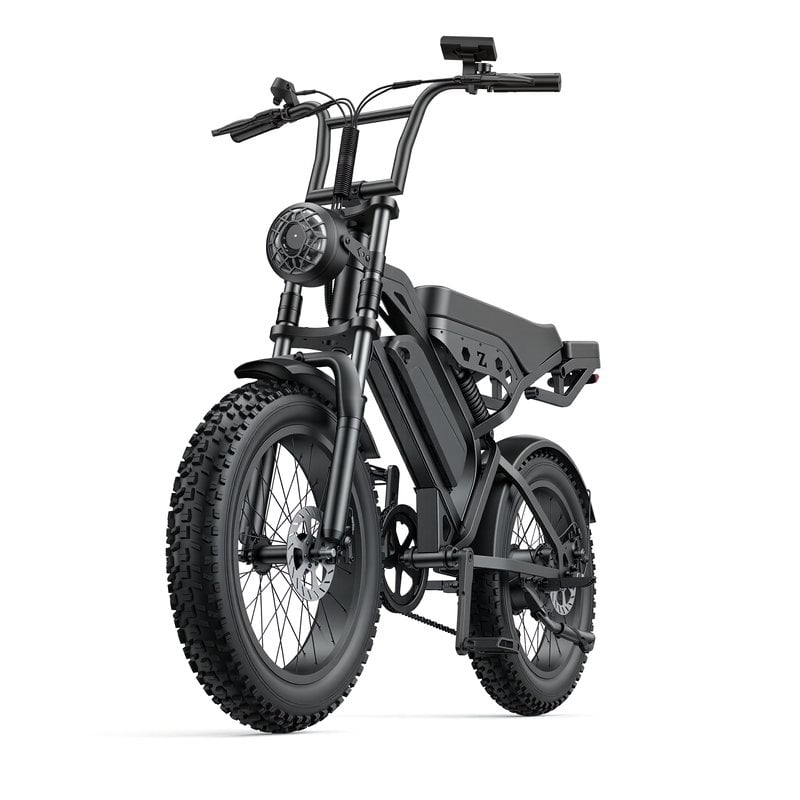
An ebike factory handling high production volumes must orchestrate material flow from receiving docks through assembly stations and out to shipping areas without creating bottlenecks or excessive inventory buildup. This article explores the core logistics handling practices, workflow design principles, and operational challenges that define modern ebike manufacturing. Understanding these systems is essential for stakeholders in the ebike manufacturer ecosystem, including facility managers, supply chain professionals, and production planners.
When components and raw materials arrive at an ebike factory, the receiving process sets the tone for all downstream logistics. Materials must be verified against purchase orders, inspected for damage or defects, and sorted into storage areas or directly to production lines. High-volume operations use barcode scanning and inventory management software to track inbound shipments in real time, reducing manual data entry errors and acceleration receiving throughput.
An ebike manufacturer receiving critical components such as motors, batteries, frames, and wheels implements quality gates at entry. Incoming inspection catches defects before materials enter the production workflow, preventing costly rework or customer returns. Receiving teams work closely with procurement to manage supplier lead times and coordinate delivery schedules so that material arrives aligned with production demand.
Within an ebike factory, storage organization directly influences picking efficiency and assembly-line performance. Components are typically organized by product model, assembly sequence, or supplier to minimize travel distance when retrieving items for the production line. Many high-volume facilities adopt bin location systems where each component type has a designated zone, reducing confusion and speeding up material picking.
The electric bike wholesale environment demands rapid turnover, so inventory should be stored close to where it will be used in assembly. Vertical racking, mezzanine levels, and automated picking systems help maximize storage density without creating long retrieval distances. Regular inventory audits ensure stock levels match system records, preventing stockouts that halt production or overstock situations that tie up working capital.
High-volume ebike factory operations increasingly adopt just-in-time principles to minimize work-in-progress inventory and production floor congestion. Rather than stockpiling components at each workstation, materials are delivered in controlled batches timed to match assembly consumption rates. This approach reduces space requirements, lowers inventory carrying costs, and improves cash flow—critical advantages in the competitive ebike manufacturer sector.
Material handlers or automated carts move components from storage to assembly stations at predetermined intervals, ensuring workers always have required parts without excessive buildup. Coordination between production scheduling and logistics teams is essential to prevent shortages that idle workers or excess inventory that clogs the assembly line. Many ebike factories use visual management boards to display material needs and pickup schedules for transparency.
Staging areas near assembly workstations hold small quantities of high-turnover components to enable rapid access without workers leaving their stations. An electric bike wholesale factory might maintain line-side buffers for batteries, motors, and frame components—items that are used frequently and require precision placement. Overfilled buffers waste floor space; underfilled buffers create delays, so buffer sizing requires ongoing monitoring and adjustment.
Work-in-progress tracking systems monitor how long ebike components remain in buffer zones before consumption. Extended dwell times signal production delays or demand misalignment, prompting logistics adjustments. Efficient workstation layout ensures that completed subassemblies move immediately to the next production stage rather than accumulating as clutter.
Once ebike units reach final assembly completion, they move into staging areas where quality inspections, packaging, and shipping preparation occur. An ebike factory must balance rapid throughput with careful inspection to ensure finished products meet specifications before customer delivery. Quality verification at this stage catches assembly defects, preventing returns and protecting brand reputation in the electric bike wholesale marketplace.
Packaging logistics require space, materials handling equipment, and coordination between quality assurance and shipping teams. Finished ebikes are secured on pallet racks, wrapped for protection, and labeled with shipping information. Staging areas must be sized to buffer production variability while keeping products moving toward dock areas to avoid congestion.
The shipping dock represents the final logistics touchpoint in an ebike factory, where finished products transfer from facility control to carrier custody. Dock managers schedule carrier pickups, stage pallets for efficient loading, and coordinate documentation including invoices, bills of lading, and tracking numbers. Minimizing dock dwell time reduces inventory holding costs and ensures timely customer delivery.
Effective dock operations require close communication with sales, customer service, and transportation partners to prioritize shipments and manage delivery commitments. An ebike manufacturer shipping high volumes must maintain dock capacity to handle peak production periods without creating bottlenecks. Some facilities implement separate areas for different shipping modes or geographic destinations to streamline loading sequences.
Automation in an electric bicycles factory improves material handling speed and accuracy, particularly for repetitive tasks like component picking, pallet movement, and conveyor-based assembly line feeding. Automated guided vehicles move materials between storage and assembly stations without driver intervention, reducing labor costs and increasing throughput. However, automation requires significant capital investment and works best in facilities with stable, high-volume production; smaller or custom-focused ebike manufacturers may rely more on manual material handling with strong process discipline.
An ebike manufacturer forecasts demand through sales data, market trends, and customer orders to establish production schedules that drive material requirements. Buffer inventory at key points—receiving storage, line-side staging, and finished goods areas—absorbs short-term demand fluctuations without disrupting production. Flexible supplier partnerships and responsive material replenishment systems enable the electric bike wholesale business to adjust component orders as demand signals change, balancing inventory investment against service reliability.
Key logistics metrics include receiving-to-production cycle time, material picking accuracy, work-in-progress inventory turnover, dock utilization rate, and on-time shipment percentage. Tracking days inventory outstanding measures how long materials remain in storage before use, revealing storage efficiency and demand-supply alignment. An ebike factory should monitor inventory accuracy through cycle counts and system audits, ensuring that planned material quantities match actual stock. These metrics inform continuous improvement efforts and help logistics teams identify bottlenecks affecting overall production performance.
2026/08/03
Fix time zones, language gaps, and unclear protocols—boost speed, cut costs, and scale confidently.
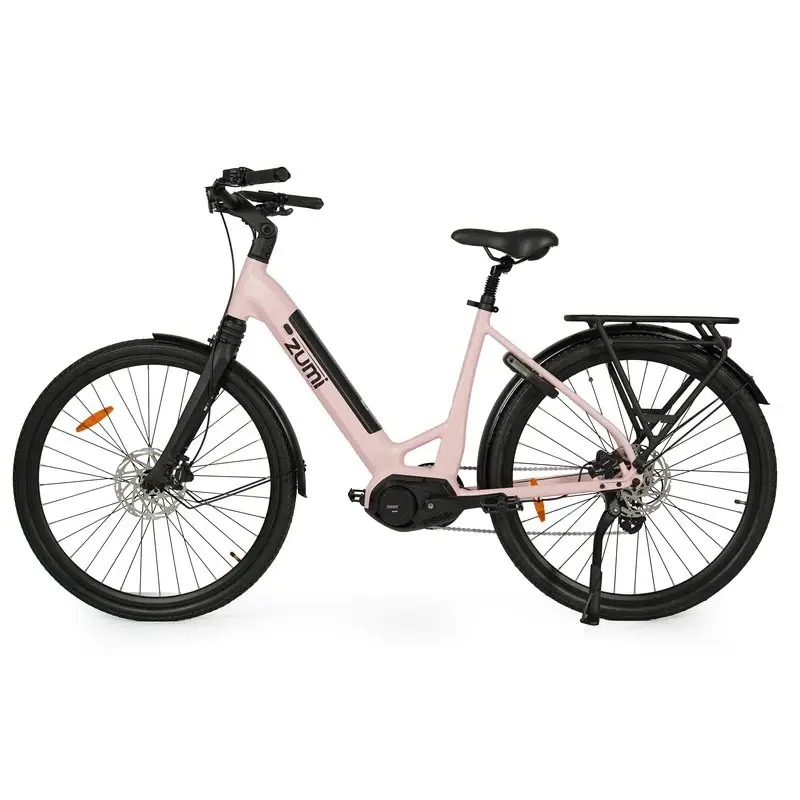
2026/08/03
Avoid liability & import bans: Learn IEC 62619, UN 38.3, and UL 2271—plus how to verify real compliance (not fakes).
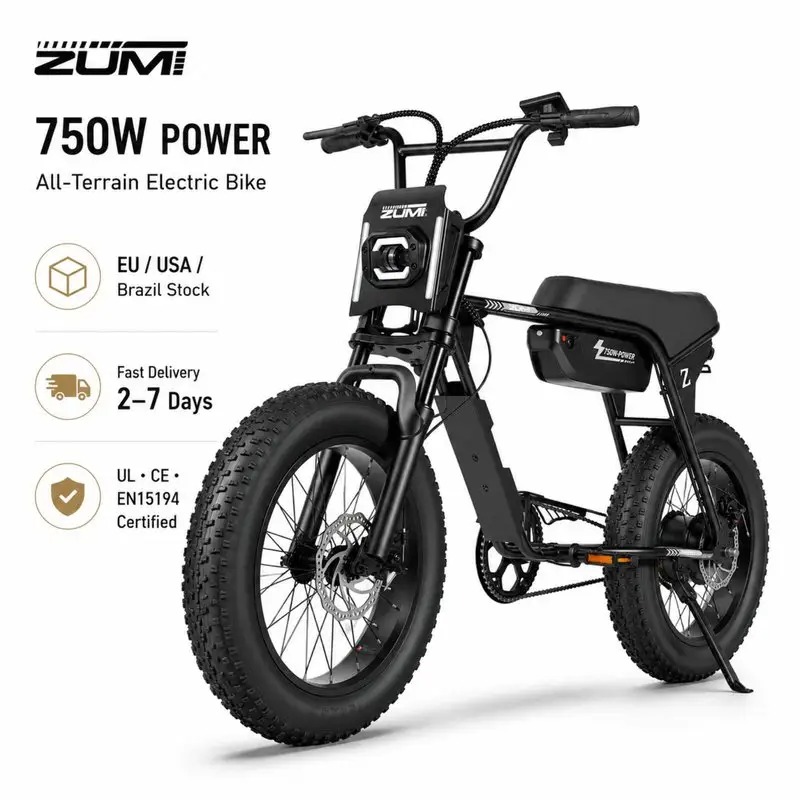
2026/08/03
Learn precise air pressure, rebound & compression tuning for optimal suspension performance. Get pro-level setup tips now.
2026/08/03
Discover how voltage drop saps performance—and proven fixes to restore responsiveness, range, and battery life. Read now.
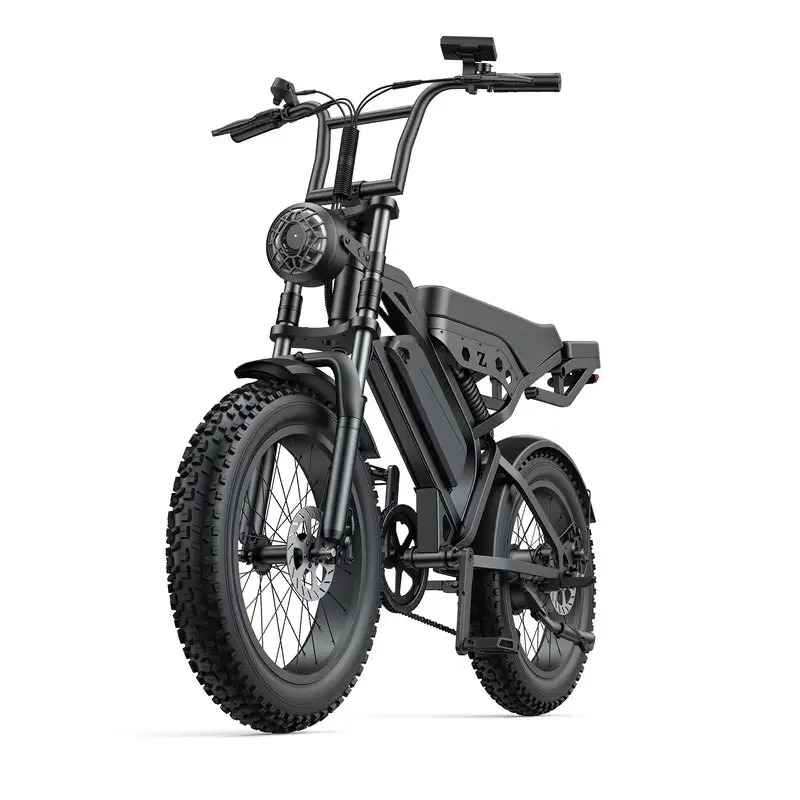
2026/08/03
Discover data-backed protocols, smart infrastructure & operational fixes. Optimize now.
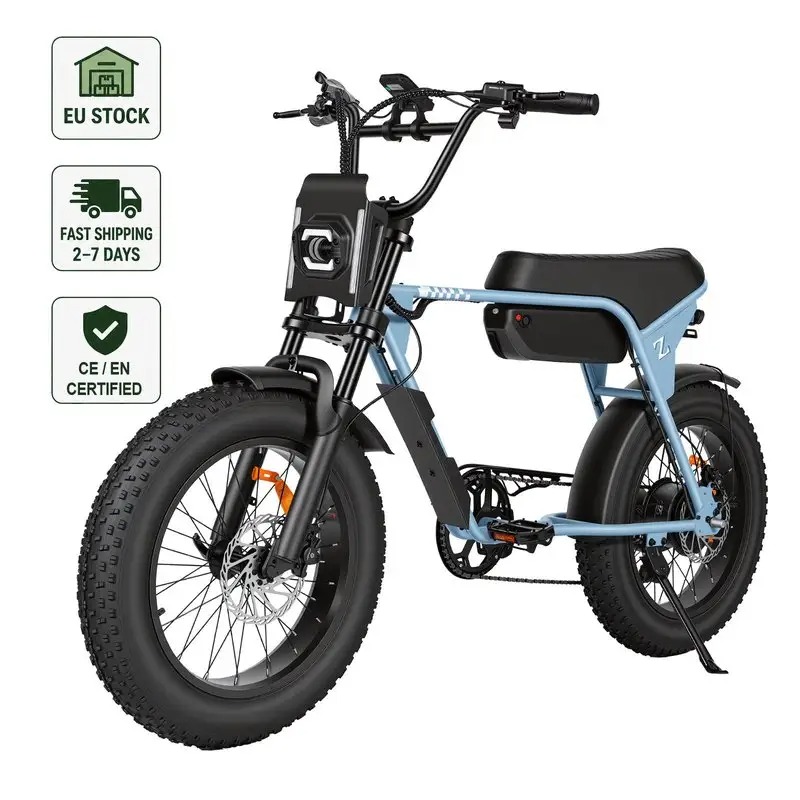
2026/08/03
How payload cuts 48V cargo ebike range by 15–50%+ — backed by real-world degradation curves, motor load science & fleet optimization strategies.
Comprehensive warranty, fast parts shipping, remote diagnostics and local dealer training


