 EN
EN
STEP 1
Full vehicle warranty for 2 years
2026/09/04
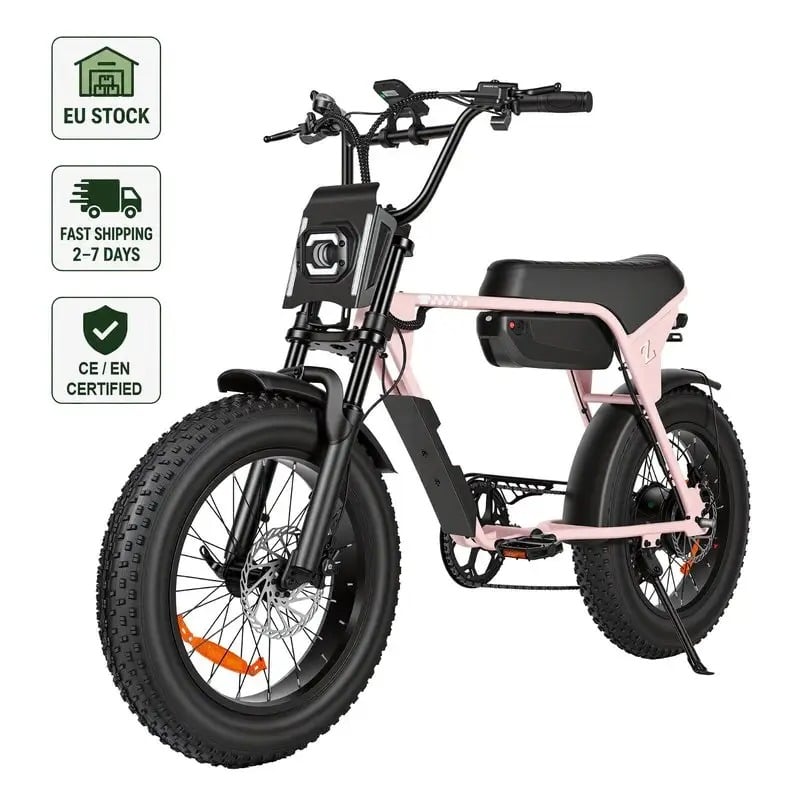
Understanding maximum torque requirements is essential when selecting an electric cargo bike for your specific needs. Torque represents the rotational force that determines how effectively your bike accelerates under load, climbs hills, and handles demanding terrain. Unlike conventional bicycles, an electric cargo bike relies on motor torque to support heavy payloads, making this specification critical to performance and rider satisfaction. The torque requirements vary significantly based on payload capacity, terrain type, and intended use case.
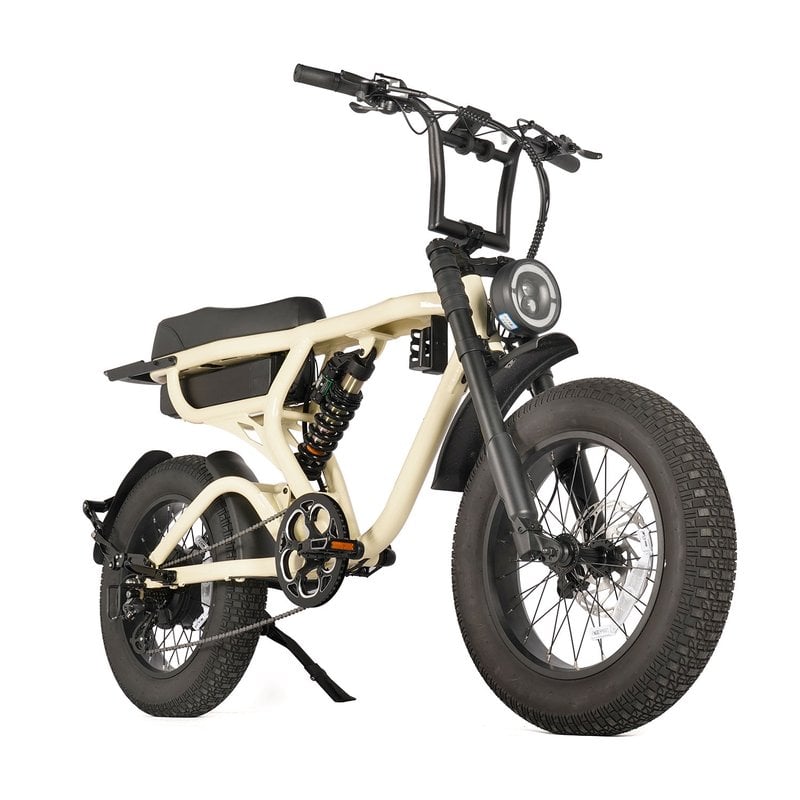
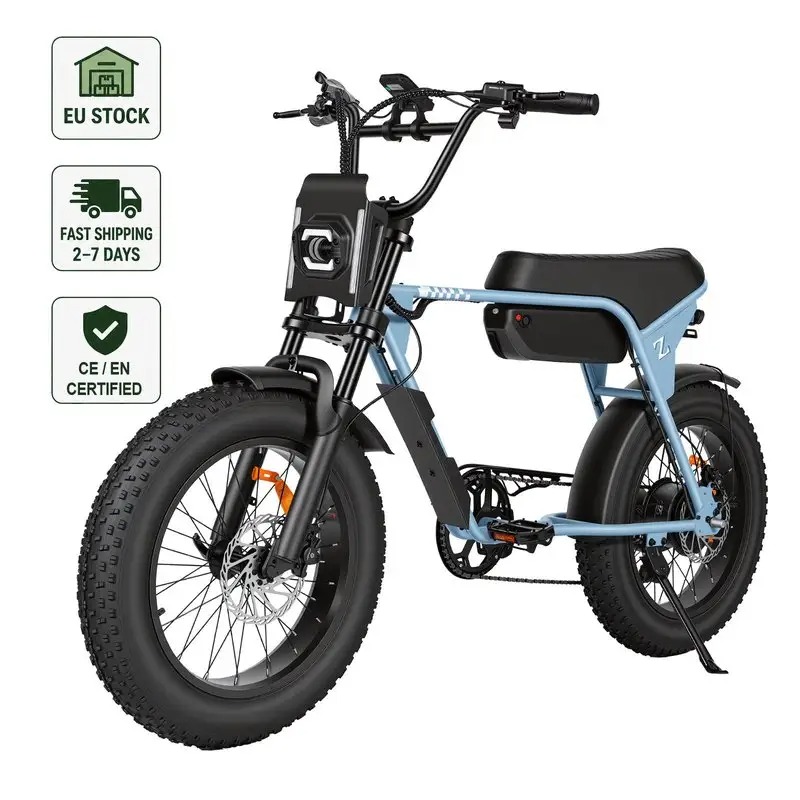
Motor torque directly impacts your ability to transport cargo efficiently across various conditions. A long tail electric cargo bike or compact electric cargo bike designed for urban delivery demands different torque profiles than a fat tire cargo ebike intended for off-road use. Understanding these distinctions helps you choose a wholesale electric cargo bike model that genuinely matches your operational requirements rather than settling for generic specifications that may underperform.
The torque needed for an electric cargo bike depends heavily on the combined weight of the rider, cargo, and bike itself. Most urban delivery operations require between 60 and 80 Newton-meters of torque to handle typical payloads smoothly. For heavier applications, such as transporting construction materials or bulk goods, torque requirements can reach 100 Newton-meters or higher. The fat tire cargo ebike category typically offers higher torque ratings because the robust frame and wide tires support greater loads and traction demands.
Hilly or mountainous terrain dramatically increases torque requirements for an electric cargo bike. When climbing grades exceeding 10 percent with a full payload, motors need sufficient torque to maintain consistent speed without throttle strain. Flat urban routes require significantly less torque than mixed-terrain environments. A compact electric cargo bike suited for city delivery may operate efficiently with 50 to 70 Newton-meters, while off-road variants demand 80 to 120 Newton-meters. Selecting the right torque specification prevents motor overheating and extends component lifespan.
Motor wattage and torque are distinct but related specifications for an electric cargo bike. A 750-watt motor typically generates 60 to 80 Newton-meters, while a 1000-watt system produces 80 to 120 Newton-meters under similar conditions. Higher wattage generally enables greater torque, but efficiency and thermal management matter equally. Long tail electric cargo bike designs often prioritize steady torque delivery over peak power, supporting sustained hill climbing and consistent load handling. Conversely, wholesale electric cargo bike models may emphasize rapid acceleration, requiring different motor tuning.
Hub motor systems deliver direct torque to the wheel, simplifying mechanics but offering fixed torque curves. Mid-drive motors provide leverage through the bike's drivetrain, multiplying effective torque and improving climbing ability. A compact electric cargo bike with mid-drive architecture often requires less raw motor torque because mechanical advantage increases the force applied to the road. Fat tire cargo ebike models frequently use hub motors for simplicity and reliability, accepting the need for higher motor torque to achieve comparable real-world performance. Understanding this distinction helps evaluate torque specifications accurately across different electric cargo bike architectures.
Urban couriers rely on an electric cargo bike with torque in the 60 to 80 Newton-meter range to handle frequent stops, accelerations, and moderate elevation changes. Last-mile delivery scenarios benefit from responsive torque enabling quick repositioning and efficient energy use. Agricultural or construction transport applications demand higher torque, with 100 to 150 Newton-meters supporting consistent operation under extreme loads. A long tail electric cargo bike for family grocery shopping typically requires 50 to 70 Newton-meters, sufficient for regular payloads on mixed terrain. Evaluating your specific duty cycle ensures you invest in appropriate torque capacity without overspending on unnecessary power.
Operating an electric cargo bike consistently near maximum torque generates heat that degrades motor efficiency and lifespan. Selecting a system with adequate torque reserves allows comfortable operation at 70 to 80 percent of maximum capacity, extending component durability and maintaining consistent performance. A compact electric cargo bike or fat tire cargo ebike with oversized cooling systems handles demanding applications more reliably. Wholesale electric cargo bike buyers benefit from specifying torque margins that accommodate growth and unexpected load increases without forcing component stress. Regular monitoring of motor temperature prevents premature failure and maintains warranty coverage.
Most urban electric cargo bike operations function optimally between 60 and 80 Newton-meters. This range accommodates typical delivery payloads, handles moderate grades, and maintains thermal efficiency during frequent use. A compact electric cargo bike or long tail electric cargo bike designed for city distribution typically targets this specification, balancing performance with efficiency and cost-effectiveness.
Heavier payloads increase torque demands proportionally. Each additional 10 kilograms of cargo requires approximately 5 to 10 percent more torque to maintain consistent acceleration and hill-climbing ability. A fat tire cargo ebike rated for maximum payloads requires torque specifications reflecting full-load scenarios. Undersizing torque for average loads risks poor performance during peak-demand periods, making proper payload planning essential when selecting your electric cargo bike.
The choice depends on your primary constraint. If range limits your operations, battery capacity becomes the priority. If hill climbing or rapid acceleration with full loads affects efficiency, adequate torque prevents energy waste and motor strain. Most practical electric cargo bike selections optimize both factors: sufficient torque for duty-cycle demands combined with battery capacity matching your route distance. Consulting your specific use case ensures balanced investment in motor and battery specifications.
2026/08/03
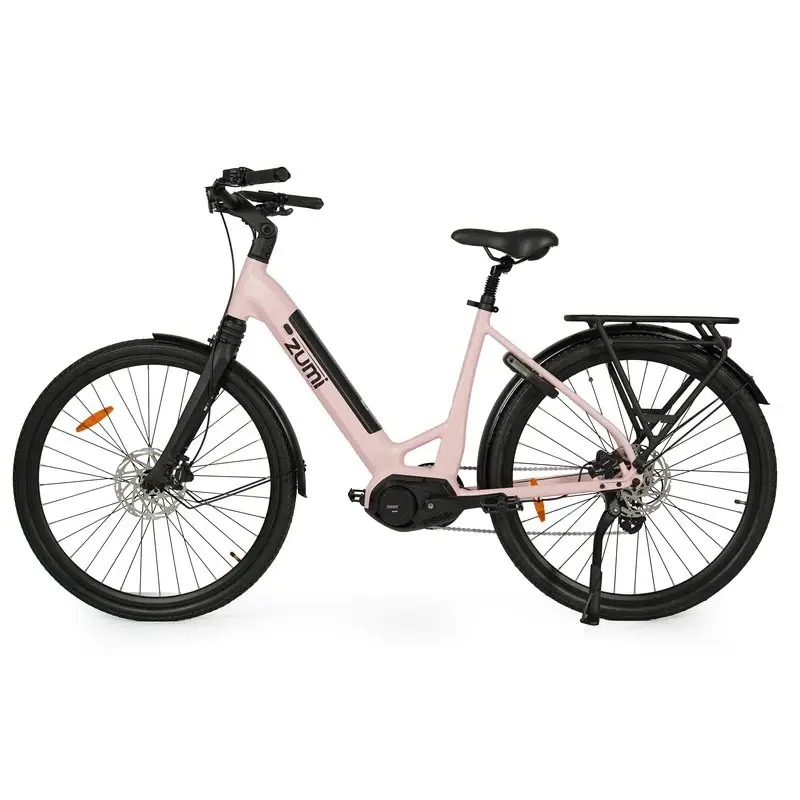
Fix time zones, language gaps, and unclear protocols—boost speed, cut costs, and scale confidently.
2026/08/03
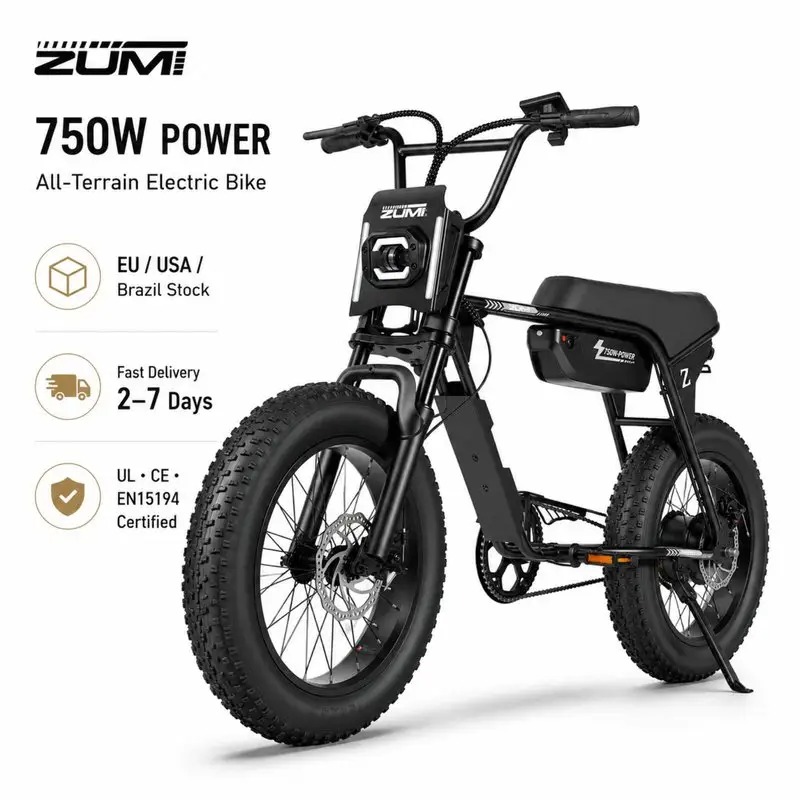
Avoid liability & import bans: Learn IEC 62619, UN 38.3, and UL 2271—plus how to verify real compliance (not fakes).
2026/08/03
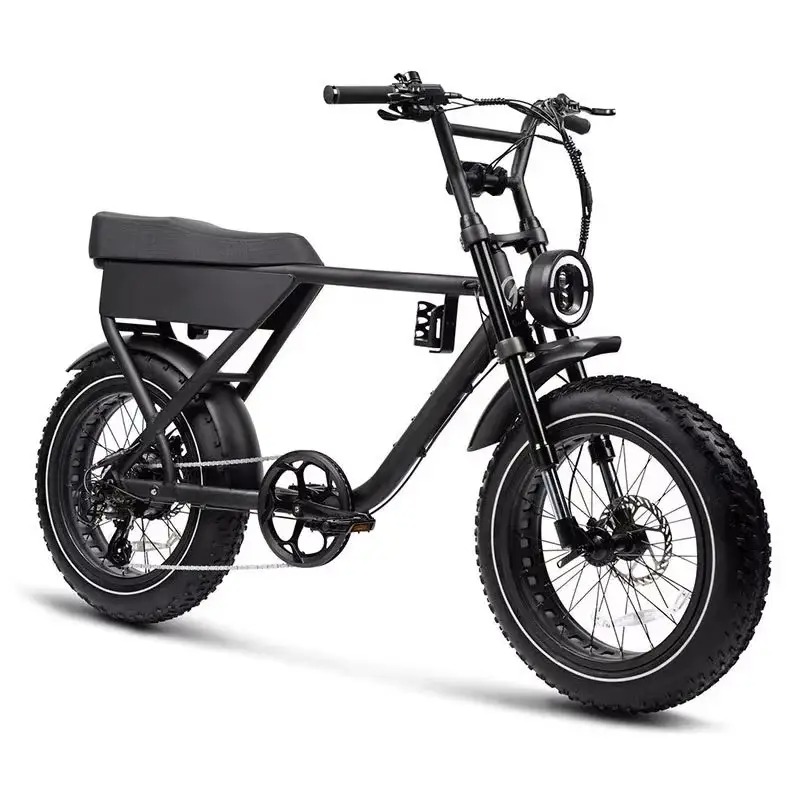
Learn precise air pressure, rebound & compression tuning for optimal suspension performance. Get pro-level setup tips now.
2026/08/03
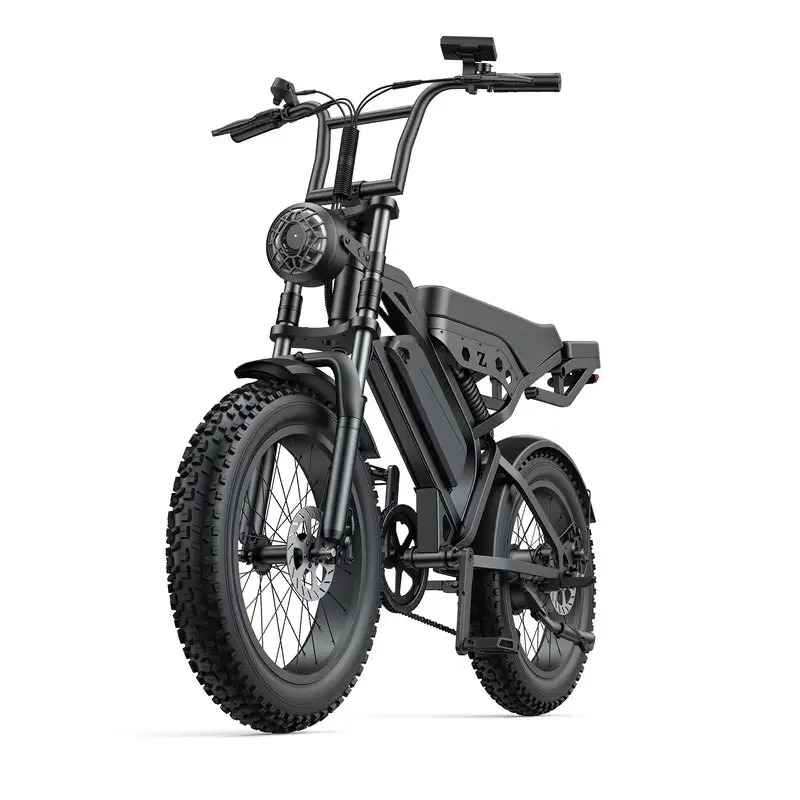
Discover how voltage drop saps performance—and proven fixes to restore responsiveness, range, and battery life. Read now.
2026/08/03
Discover data-backed protocols, smart infrastructure & operational fixes. Optimize now.
2026/08/03
How payload cuts 48V cargo ebike range by 15–50%+ — backed by real-world degradation curves, motor load science & fleet optimization strategies.
Comprehensive warranty, fast parts shipping, remote diagnostics and local dealer training


