 EN
EN
STEP 1
Full vehicle warranty for 2 years
2026/08/06
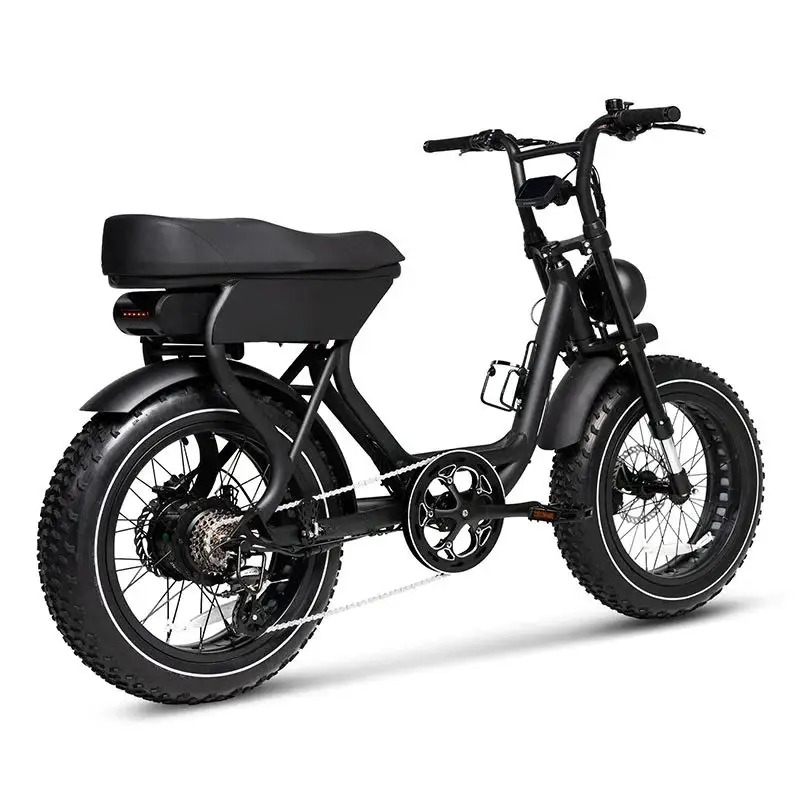
When sourcing electric bicycles for your business, understanding minimum order quantities from electric bicycle suppliers is essential to your procurement strategy. Minimum order quantities, commonly called MOQs, represent the smallest number of units a supplier will accept in a single purchase order. For businesses entering the ebike market or expanding their product lines, MOQ requirements directly impact inventory costs, cash flow management, and overall profitability. The relationship between order volume and pricing creates both challenges and opportunities that every buyer must navigate carefully.
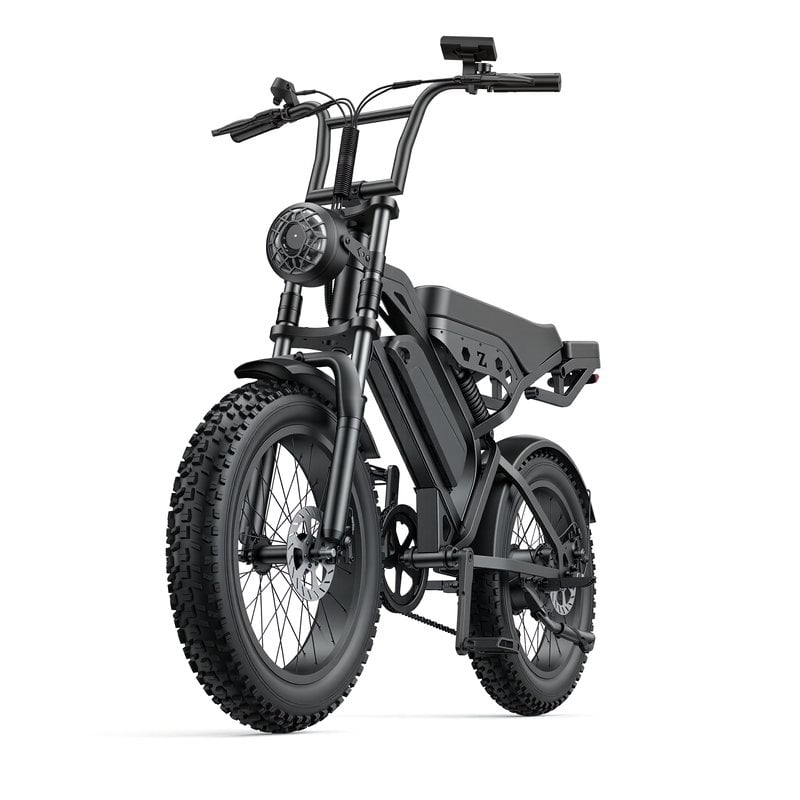
The ebike industry has grown rapidly over the past decade, attracting numerous manufacturers and distributors worldwide. Each ebike supplier operates under distinct business models, production capacities, and market positioning. Understanding how MOQ structures work helps buyers identify suppliers that match their operational scale and financial capacity. Whether you are a retail distributor, rental fleet operator, or direct-to-consumer seller, the MOQ framework shapes which suppliers you can realistically partner with and which terms you can negotiate.
An ebike factory operates with fixed overhead costs, labor expenses, tooling requirements, and material procurement channels. When an ebike supplier establishes an MOQ, they are balancing production efficiency against the risk of holding unsold inventory. A typical ebike factory may set MOQs ranging from 50 to 500 units depending on their scale, automation level, and market focus. Larger contract manufacturers benefit from economies of scale that allow lower MOQs, while smaller specialized producers often require higher minimums to justify production setup and quality control processes. The MOQ decision reflects the supplier's ability to source components, coordinate assembly, run quality inspections, and prepare shipments within their operational constraints.
Electric bicycle suppliers depend on reliable sourcing of specialized components including motors, batteries, controllers, and frames. An ebike factory negotiates component pricing based on their own order volumes with upstream suppliers. When you place a larger order with an electric bike wholesale distributor or manufacturer, they benefit from reduced per-unit component costs, which they sometimes pass along through better pricing. MOQ thresholds often align with the ebike supplier's ability to order components in economical batch sizes. Understanding this cascading supply chain helps explain why some suppliers maintain firm MOQs while others show flexibility for larger commitments.
Electric bike wholesale channels typically employ tiered pricing models where unit costs decrease as order quantities increase. An ebike supplier might offer one price point for orders of 50–100 units, a lower rate for 101–250 units, and even better pricing for 500+ unit orders. This structure incentivizes larger purchases and helps suppliers achieve better capacity utilization. Buyers need to calculate the total acquisition cost across different MOQ levels, not just focus on per-unit pricing. A supplier's MOQ of 200 units at a favorable rate may deliver better total value than a 50-unit MOQ at a premium price, depending on your sales forecast and storage capability. Financial modeling becomes critical when evaluating terms from different ebike factory options.
While published MOQs represent standard requirements, experienced buyers recognize that electric bicycle suppliers often negotiate terms for credible partners. An ebike supplier evaluating a first-time buyer may strictly enforce MOQ limits to reduce risk. However, buyers demonstrating purchase commitment, solid financial standing, or multi-year volume projections can sometimes negotiate lower MOQs or split orders across shipments. Building long-term relationships with your electric bike wholesale partner creates opportunities for customization, technical support, and more favorable commercial terms. Many ebike factory managers value reliable, growing customers over one-time transactions and adjust MOQ expectations accordingly.
Retail distributors, rental operators, and direct manufacturers each face distinct inventory and cash flow pressures. A rental fleet operator might absorb a 200-unit MOQ for a popular ebike model because the high utilization rate justifies the inventory investment. Conversely, a specialty retailer focusing on premium or niche models may struggle with the same MOQ due to slower sales velocity. An ebike supplier's MOQ must align with your demand forecasting accuracy, storage capacity, and financing capability. Before committing to any electric bicycle suppliers, conduct honest internal analysis of your realistic monthly sales volume and working capital constraints. Selecting a supplier whose MOQ exceeds your safe inventory level creates financial strain and wastes capital tied up in slow-moving stock.
Many sophisticated buyers work with multiple electric bike wholesale partners rather than relying on a single ebike supplier. Diversification reduces dependency risk, improves negotiating power, and allows you to source different product lines from factories best suited to each segment. One ebike factory might excel at cargo bike production with a 100-unit MOQ, while another specializes in performance models with a 150-unit MOQ. By spreading orders across complementary suppliers, you reduce total inventory while maintaining product variety. This approach also provides backup capacity if one electric bicycle suppliers faces production delays or quality issues. Starting with smaller volume commitments from multiple ebike factory options gives you flexibility to scale with the partner that delivers best results.
MOQs vary significantly based on supplier size and specialization. Larger ebike factory operations often work with MOQs between 50 and 200 units, while smaller boutique electric bicycle suppliers might require 300–500 units. Premium or custom-built models typically carry higher MOQs because setup and tooling costs are higher. The best approach is to request specific MOQ information from multiple ebike suppliers and compare terms against your projected sales volume and cash position.
Yes, negotiation is common in the electric bike wholesale channel, especially for serious buyers with volume potential. An ebike factory may reduce MOQ requirements for first orders if you demonstrate financial credibility, provide written purchase commitments, or agree to longer payment terms. Building a relationship over multiple smaller orders sometimes leads to better terms on future purchases. However, initial MOQs often reflect hard production constraints, so realistic expectations and flexibility improve negotiation outcomes with any electric bicycle suppliers.
Consider requesting split shipments where your ebike factory partner delivers your total order in multiple smaller batches over time, reducing cash outlay upfront. Some electric bike wholesale suppliers allow partial advance payments or consignment arrangements for qualified buyers. Calculate your inventory carrying costs and compare against the per-unit savings from placing larger orders. Alternatively, explore smaller electric bicycle suppliers with lower MOQs, even if per-unit pricing is slightly higher. The total cost of ownership often matters more than headline pricing when working capital is constrained.
2026/08/03
Fix time zones, language gaps, and unclear protocols—boost speed, cut costs, and scale confidently.
2026/08/03
Avoid liability & import bans: Learn IEC 62619, UN 38.3, and UL 2271—plus how to verify real compliance (not fakes).
2026/08/03
Learn precise air pressure, rebound & compression tuning for optimal suspension performance. Get pro-level setup tips now.
2026/08/03
Discover how voltage drop saps performance—and proven fixes to restore responsiveness, range, and battery life. Read now.
2026/08/03
Discover data-backed protocols, smart infrastructure & operational fixes. Optimize now.
2026/08/03
How payload cuts 48V cargo ebike range by 15–50%+ — backed by real-world degradation curves, motor load science & fleet optimization strategies.
Comprehensive warranty, fast parts shipping, remote diagnostics and local dealer training


