 EN
EN
STEP 1
Full vehicle warranty for 2 years
2026/08/20
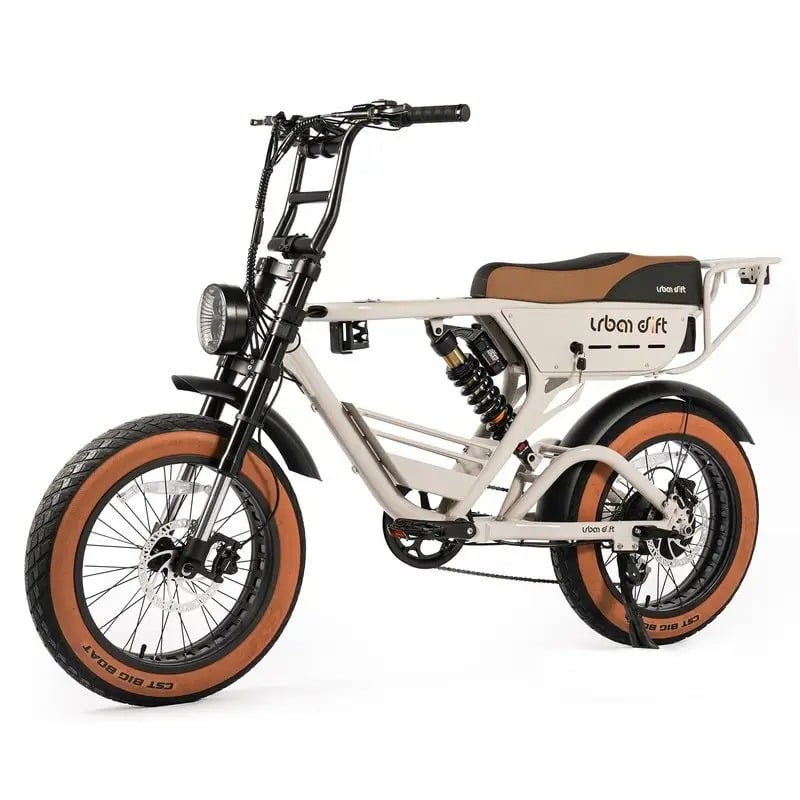
Understanding minimum order quantities and pricing tiers is essential for anyone entering the electric bike wholesale market. These foundational concepts directly shape your procurement costs, inventory management, and overall business profitability. Whether you operate a small retail shop, manage a distribution network, or oversee an e-commerce platform, grasping how MOQs and pricing structures function within the industry becomes a competitive advantage.
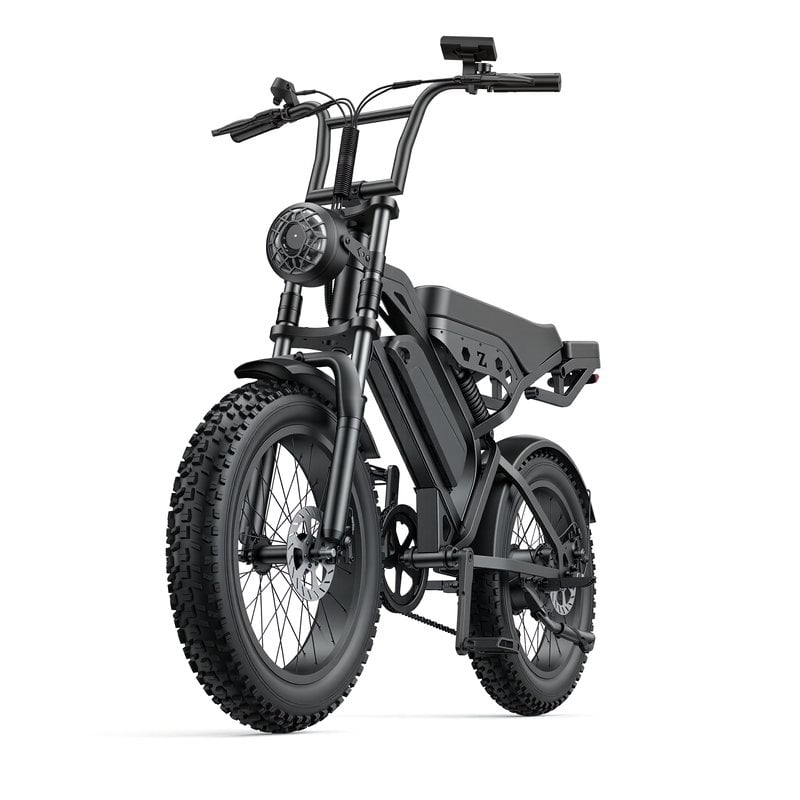
Wholesale electric bikes suppliers typically structure their business models around volume commitments and tiered pricing arrangements. Understanding these frameworks allows buyers to negotiate effectively, forecast costs accurately, and maintain healthy margins across their sales channels. This guide explores the mechanics of MOQs, pricing tiers, and strategic considerations that influence your purchasing decisions in the electric bicycle wholesale sector.
Minimum order quantities represent the smallest purchase volume that an electric bikes factory will accept for a single transaction. These thresholds exist because manufacturers and distributors need to optimize production runs, shipping logistics, and administrative overhead. For electric bicycle wholesale operations, MOQs typically range from 10 to 100 units per order, though some premium models or specialized configurations may require higher volumes.
The rationale behind MOQs reflects the reality of industrial manufacturing. Setting up production lines, allocating warehouse space, processing invoices, and arranging shipping incurs fixed costs that manufacturers distribute across units sold. Lower MOQs often mean higher per-unit costs, while higher volumes trigger progressively better pricing. Understanding this relationship helps buyers plan their inventory strategy and cash flow requirements strategically.
Not all electric bikes carry identical MOQs. Entry-level models with standardized designs and established demand patterns typically have lower minimum quantities, sometimes 20 to 30 units. Conversely, high-performance ebikes, specialized configurations, or customized builds for specific markets often require MOQs of 50 to 100 units or higher. Wholesale electric bikes suppliers adjust these thresholds based on production capacity, inventory holding costs, and expected market demand for each variant.
Ebike wholesale pricing typically follows a tiered discount model where per-unit costs decrease as order volume increases. A supplier might offer pricing like the following: 20 to 50 units at one price point, 51 to 100 units at a reduced rate, and 100+ units at an even lower tier. This structure incentivizes larger orders while remaining accessible to smaller retailers and emerging distributors. The discount increments reflect manufacturing efficiency gains and reduced per-unit distribution costs at higher volumes.
Strategic pricing tiers also serve as negotiation anchors. Buyers often discover that reaching the next pricing tier requires only a modest increase in order volume, making the marginal investment attractive. For example, committing to 60 units instead of 50 might reduce the per-unit cost by 5 to 10 percent, directly improving gross margins across your retail network. Experienced electric bicycle wholesale buyers analyze these thresholds carefully during procurement planning.
Multiple variables affect how steeply prices decline across wholesale electric bikes suppliers' tiered structures. Production efficiency improvements, component procurement discounts at scale, reduced labor costs per unit, and amortized shipping expenses all contribute to lower per-unit prices. Additionally, market conditions, supplier inventory levels, and competitive dynamics in the electric bikes factory landscape influence how aggressively suppliers price different volume bands.
One of the central tensions in electric bike wholesale purchasing lies between capturing volume discounts and managing working capital efficiently. Placing larger orders to access better pricing can tie up significant cash in inventory, particularly for slower-moving models or seasonal variations. Conversely, ordering at minimum quantities preserves liquidity but results in higher per-unit costs that compress retail margins. Successful buyers develop inventory models that project demand across multiple quarters, allowing them to identify optimal order volumes that balance cost savings against holding expenses.
Market seasonality plays a crucial role in this calculation. Summer months typically see strong demand for electric bikes, while winter sales may slow considerably in many regions. Wholesale electric bikes suppliers often adjust MOQs and pricing seasonally, offering more favorable terms during peak demand periods. Anticipating these patterns enables buyers to position inventory strategically without excessive carrying costs during low-demand seasons.
Direct communication with wholesale electric bikes suppliers about your volume projections, growth timeline, and long-term partnership potential can unlock pricing flexibility. Many suppliers value consistent, predictable demand from reliable partners more than sporadic large orders. Some negotiate hybrid arrangements where buyers commit to minimum annual volumes distributed across quarterly orders, receiving pricing that acknowledges the total commitment while maintaining manageable inventory levels. Building relationships with electric bikes factory representatives creates opportunities for custom terms that reflect your specific business model and cash flow capabilities.
Payment terms also influence negotiated pricing in electric bicycle wholesale. Suppliers offering cash-on-delivery or prepayment terms sometimes expect higher per-unit costs compared to buyers with established credit lines who pay on net-30 or net-60 terms. Understanding how your financial arrangements affect pricing negotiations allows for more comprehensive cost analysis beyond just unit prices and order volumes.
Most electric bikes factory suppliers set MOQs between 10 and 100 units, depending on the model complexity and your established relationship status. Standard entry-level models often start at 20 to 30 units, while specialized or high-performance variants may require 50 to 100 units minimum. New customers typically face higher thresholds than established distributors with consistent order histories. Direct communication with your supplier about your business scale and projections can sometimes secure MOQ reductions.
Price reductions across ebike wholesale tiers typically range from 5 to 15 percent between consecutive volume bands. Moving from a 50-unit tier to a 100-unit tier might reduce per-unit costs by 8 to 12 percent, directly improving your retail margins. The exact percentage varies by supplier, product category, and current market conditions. Analyzing supplier price lists and modeling different order volumes helps identify which tier transitions deliver the most attractive cost improvements for your business model.
Yes, negotiation is common in electric bicycle wholesale, particularly once you establish a reliable payment history and demonstrate consistent ordering patterns. Suppliers often prioritize stable, predictable customers over one-time large orders. Presenting your growth projections, discussing long-term partnership potential, and proposing alternative arrangements like quarterly commitments can result in more favorable MOQs and pricing. Building genuine relationships with your electric bikes factory contacts and showing respect for their operational constraints increases the likelihood of successful negotiations.
2026/08/03
Fix time zones, language gaps, and unclear protocols—boost speed, cut costs, and scale confidently.
2026/08/03
Avoid liability & import bans: Learn IEC 62619, UN 38.3, and UL 2271—plus how to verify real compliance (not fakes).
2026/08/03
Learn precise air pressure, rebound & compression tuning for optimal suspension performance. Get pro-level setup tips now.
2026/08/03
Discover how voltage drop saps performance—and proven fixes to restore responsiveness, range, and battery life. Read now.
2026/08/03
Discover data-backed protocols, smart infrastructure & operational fixes. Optimize now.
2026/08/03
How payload cuts 48V cargo ebike range by 15–50%+ — backed by real-world degradation curves, motor load science & fleet optimization strategies.
Comprehensive warranty, fast parts shipping, remote diagnostics and local dealer training


