 EN
EN
STEP 1
Full vehicle warranty for 2 years
2026/08/18
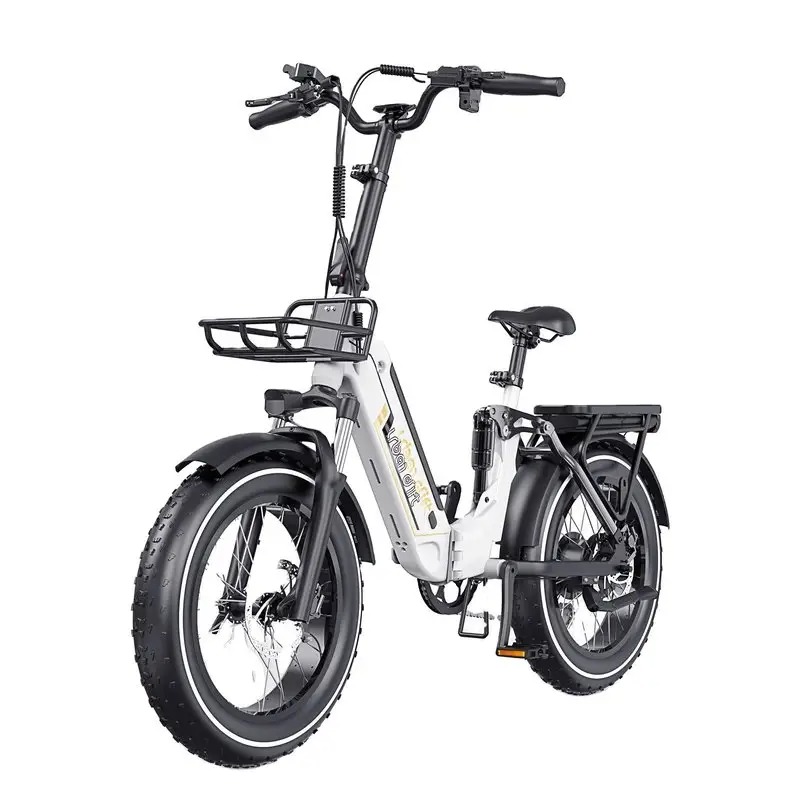
Electric bikes have revolutionized personal transportation, and understanding motor specifications is essential for making informed purchasing decisions. When shopping for a 1000w electric bike, you will encounter two critical power ratings: peak power and nominal power. These terms describe very different aspects of motor performance, and conflating them can lead to unrealistic expectations about acceleration, speed, and real-world riding capability.
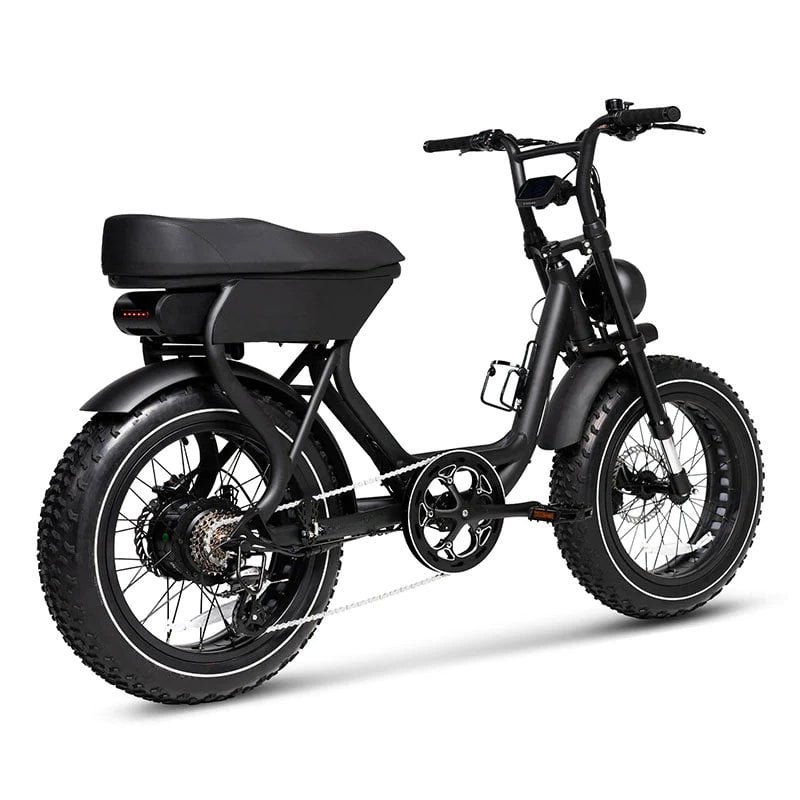
The distinction between peak and nominal power determines how a 1000 watt ebike actually performs during your commute or trail ride. Peak power represents the maximum output the motor can generate in short bursts, while nominal power is the sustained output the motor can maintain continuously without thermal damage. This fundamental difference affects acceleration response, motor longevity, and practical performance in real riding scenarios.
Peak power is the maximum electrical power output a motor can produce, typically lasting for seconds or a few minutes under ideal conditions. In a 1000 watt ebike, the peak power rating might represent the absolute upper limit achieved during hard acceleration or climbing steep hills. This burst capacity is valuable because it provides rapid torque delivery when you need responsive acceleration from a standstill or when navigating challenging terrain. The peak output is achieved by temporarily drawing maximum current from the battery and controller, pushing the motor windings to their thermal limit.
During actual riding, your 1000w fat tire ebike operates at peak power for only brief windows. When you accelerate hard from a stop, the motor draws maximum current and delivers that peak output. Similarly, when climbing a steep grade or breaking through sand, the motor may operate at or near peak capacity. However, sustaining peak power continuously is impossible because the motor windings generate heat, and exceeding safe temperature thresholds risks permanent damage. A 1000 watt e bikes motor design tolerates these peaks because they are intermittent, not constant.
Nominal power, also called continuous or rated power, is the electrical output the motor can safely produce indefinitely without overheating. For a 1000 watt ebike, the nominal power rating might be 500 to 750 watts, depending on motor design and cooling capacity. This sustained output is what determines your average speed, climbing ability over long distances, and motor lifespan. Riding consistently at nominal power levels keeps the motor in its safe operating temperature range, ensuring reliability and durability across thousands of miles.
Motor windings generate heat proportional to electrical resistance and current squared. If you continuously draw peak power, the windings rapidly overheat, causing insulation breakdown and motor failure. Nominal power ratings exist precisely to prevent this damage, ensuring the motor can operate for years without degradation. An ebike 1000w 48v system with a nominal power of 600 watts can deliver that output continuously because the motor design, winding gauge, and cooling pathway manage heat dissipation effectively. Exceeding nominal power for extended periods voids warranties and shortens motor lifespan.
Peak power delivers snappy acceleration and strong climbing torque exactly when you need it. A 1000w fat tire ebike with high peak power rating responds instantly when you twist the throttle or demand assistance on a steep incline. This burst capacity is especially valuable for riders tackling technical terrain, sand, snow, or heavy loads. Peak power output determines how quickly you can overcome inertia and navigate obstacles. However, once you reach steady cruising speed or climb a long hill, the motor transitions to nominal power output, which becomes the limiting factor for sustained performance.
Nominal power rating directly impacts range and efficiency because it represents the power draw during typical riding. If your 1000 watt e bikes nominal power is 600 watts and you cruise at that level for one hour, you extract 0.6 kilowatt-hours from the battery. If the battery is 48 volts and 15 amp-hours, your total capacity is approximately 0.72 kilowatt-hours, yielding roughly one hour of continuous riding at nominal power. Real-world range is dramatically longer because you rarely sustain even nominal power for extended periods. Recreational riding involves varied throttle input, coasting, and pedal assistance, significantly reducing average power draw and extending range to 25 to 50 miles depending on terrain and riding style.
Manufacturers balance peak power against nominal power through motor winding design. A motor with higher peak-to-nominal ratio excels at acceleration and climbing but cannot sustain that peak output. A motor with lower ratio offers more consistent, predictable performance but slightly less explosive acceleration. The ebike 1000w 48v configuration is popular because it offers reasonable peak output for responsive riding while maintaining respectable nominal power for sustained cruising. Understanding your riding priorities helps you evaluate whether a particular motor's power profile suits your needs.
Your motor is likely operating at nominal power during steady cruising, not peak power. Peak power is only available in short bursts during hard acceleration or climbing. Once you reach cruising speed, the motor settles into nominal output, which may be significantly lower than the peak rating. This is normal and does not indicate a defect. The motor is designed to perform this way for reliability and longevity.
Controller tuning can increase power draw, but the motor's thermal limits remain unchanged. Pushing the motor beyond nominal specifications for extended periods risks overheating and permanent damage. While some riders modify controllers to boost performance, this practice voids warranties and shortens motor lifespan significantly. Respecting nominal power ratings preserves your investment and ensures thousands of trouble-free miles.
A peak-to-nominal ratio of 1.3 to 1.5 times is typical for balanced performance. A 1000 watt ebike with 1000 watts peak and 700 watts nominal offers good responsiveness without excessive thermal stress. Ratios exceeding 2.0 times provide explosive acceleration but limited sustained climbing power. Your ideal ratio depends on terrain, riding style, and priorities. Desert and mountain terrain favor higher ratios for technical obstacle navigation, while urban commuting benefits from lower ratios for efficient steady cruising.
2026/08/03
Fix time zones, language gaps, and unclear protocols—boost speed, cut costs, and scale confidently.
2026/08/03
Avoid liability & import bans: Learn IEC 62619, UN 38.3, and UL 2271—plus how to verify real compliance (not fakes).
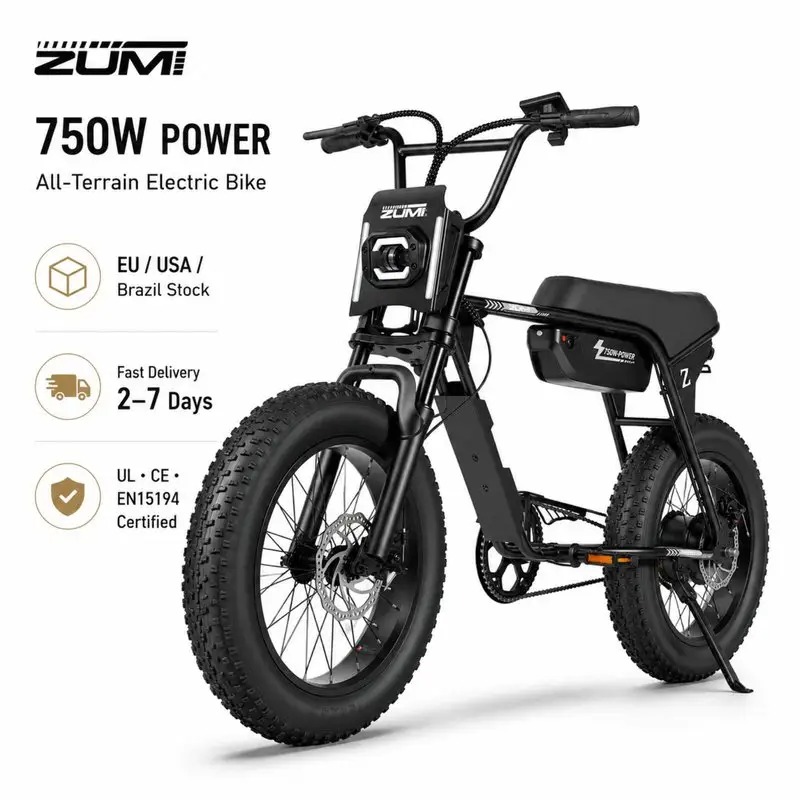
2026/08/03
Learn precise air pressure, rebound & compression tuning for optimal suspension performance. Get pro-level setup tips now.
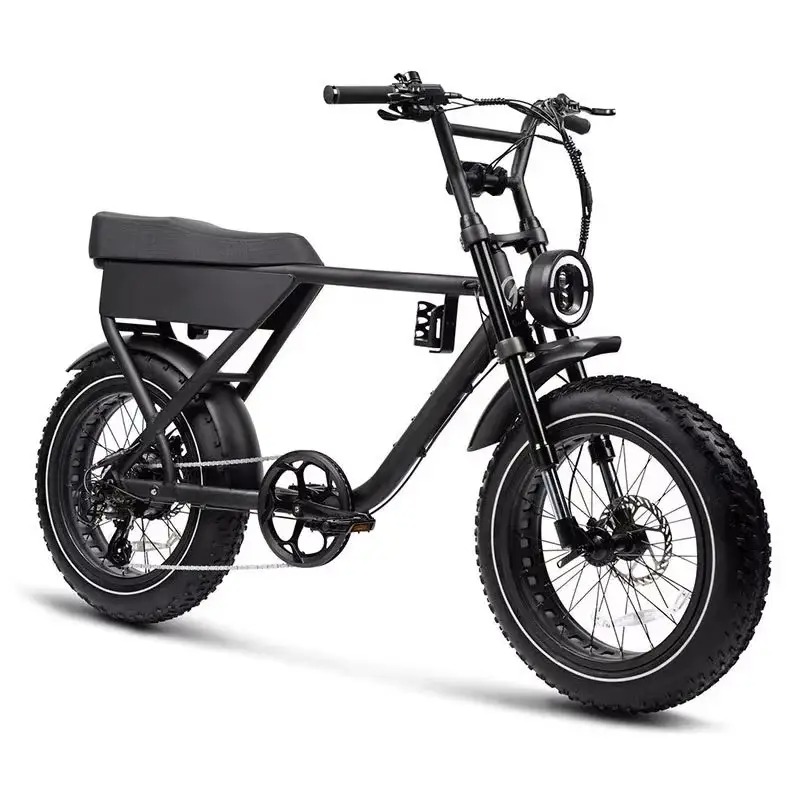
2026/08/03
Discover how voltage drop saps performance—and proven fixes to restore responsiveness, range, and battery life. Read now.
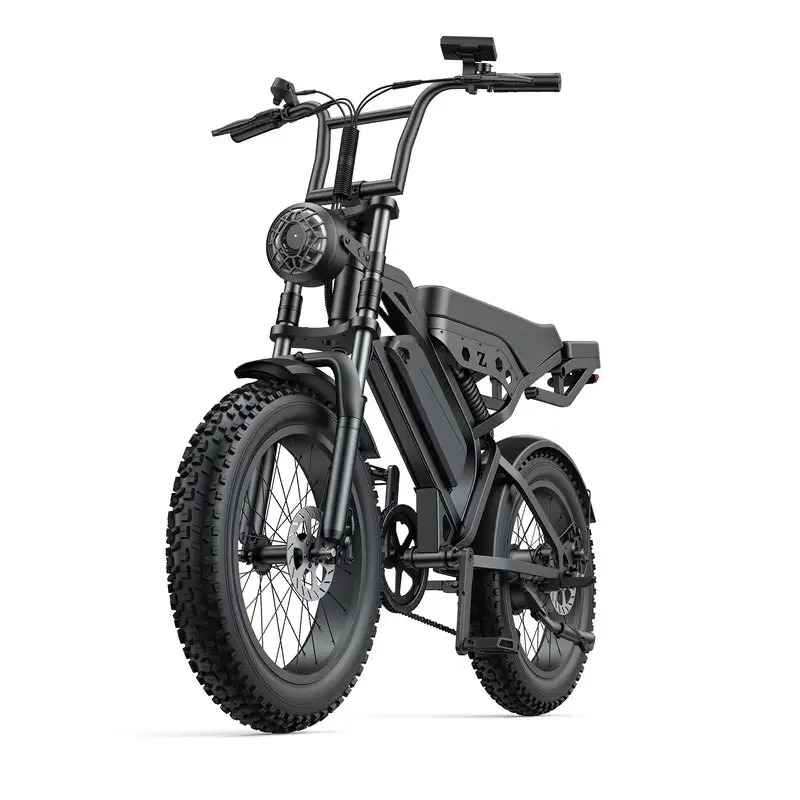
2026/08/03
Discover data-backed protocols, smart infrastructure & operational fixes. Optimize now.
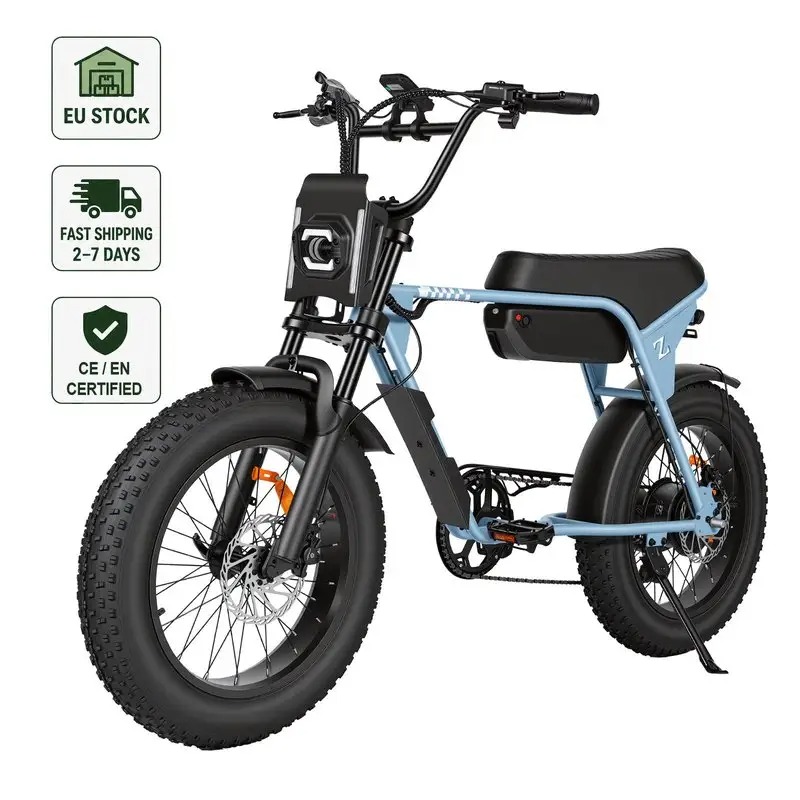
2026/08/03
How payload cuts 48V cargo ebike range by 15–50%+ — backed by real-world degradation curves, motor load science & fleet optimization strategies.
Comprehensive warranty, fast parts shipping, remote diagnostics and local dealer training


