 EN
EN
STEP 1
Full vehicle warranty for 2 years
2026/08/11
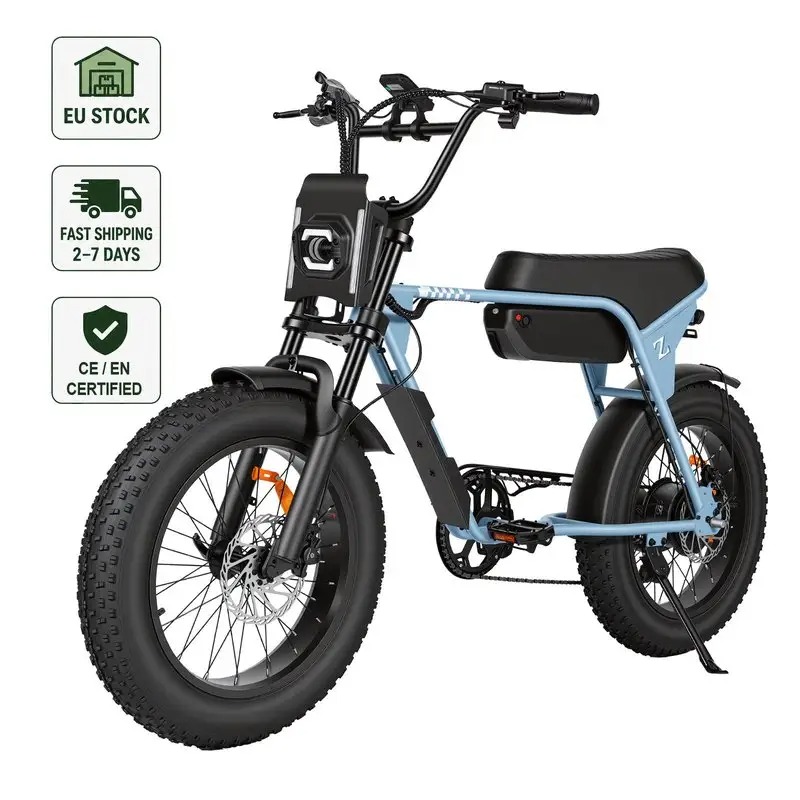
Pedal assist algorithms represent one of the most sophisticated technologies in modern electric mountain bike design. These intelligent systems transform how riders experience off-road cycling by seamlessly blending human power with electric motor assistance. Understanding how pedal assist algorithms function is essential for anyone considering an adult electric mountain bike purchase or seeking to optimize their riding performance on technical terrain.
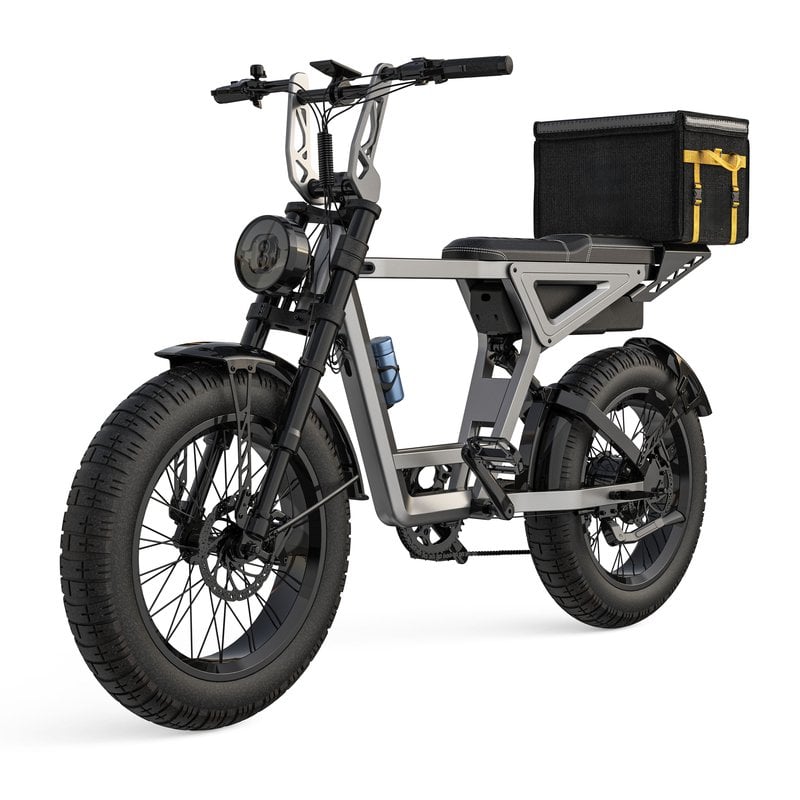
The integration of pedal assist technology has revolutionized electric enduro mountain bike performance, enabling riders to conquer steep climbs and extended distances while maintaining natural pedaling mechanics. An electric enduro mountain bike equipped with advanced algorithms delivers responsive assistance that adapts to terrain changes, rider input, and battery conditions in real time. This dynamic responsiveness creates a riding experience that feels intuitive and powerful, making electric mountain bikes increasingly popular across diverse skill levels and riding disciplines.
At the core of every e mtb cycle system lies a network of sensors that capture detailed information about your pedaling behavior. Torque sensors, the most sophisticated option, measure the actual force you apply to the pedals and translate this into precise assistance levels. Cadence sensors alternatively count your pedaling revolutions per minute, providing simpler but less nuanced feedback. Most advanced adult electric mountain bike models employ torque sensing combined with cadence detection to create a comprehensive picture of rider intention.
Modern e mtb cycle controllers process sensor data through sophisticated algorithms that evaluate multiple variables simultaneously. These systems analyze pedal pressure, pedaling speed, wheel speed, battery state, motor temperature, and terrain gradient to determine optimal assistance levels. The processing happens within milliseconds, allowing the motor to respond before you even consciously realize terrain has changed. This rapid adaptation is what distinguishes premium electric enduro mountain bike systems from basic models, creating seamless power delivery rather than jerky or delayed assistance.
The accuracy of your hybrid electric mountain bike performance depends heavily on proper sensor calibration. Factory calibration establishes baseline readings for zero-load states and maximum torque conditions. Over time, sensors in an electric mountain bike may require recalibration to maintain precision, particularly after impacts, harsh weather exposure, or extended use. Quality manufacturers provide diagnostic tools that allow riders or service centers to verify sensor accuracy and adjust calibration parameters when necessary to ensure consistent assistance response.
Pedal assist algorithms operate within predefined assistance modes that act as frameworks for how aggressively the motor responds to your pedaling. Most e mtb cycle systems offer multiple modes such as Eco, Trail, Sport, and Turbo, each representing different assistance thresholds and power delivery characteristics. The algorithm uses sensor input to determine your current riding situation and applies the assistance curve appropriate to the selected mode. An electric enduro mountain bike in Eco mode might provide assistance once torque exceeds 50 Nm, while Trail mode might activate at 35 Nm, allowing finer control over energy consumption versus assistance intensity.
Behind each assistance mode lies a specific assistance curve, a mathematical function that maps your input torque or cadence to motor power output. A linear curve provides assistance proportional to your effort, while progressive curves offer more assistance at higher input levels. An adult electric mountain bike designer can tune these curves to feel responsive, efficient, or powerful depending on the intended riding style. Steep curves favor quick motor engagement, while gradual curves create smoother, more predictable power transitions that reduce fatigue and improve control on technical sections.
Advanced hybrid electric mountain bike algorithms incorporate dynamic adjustment logic that modifies assistance response based on recognized terrain patterns. When the system detects steep inclines through wheel speed and cadence drop, it may increase assistance aggressiveness to maintain consistent rider effort. Conversely, on flat terrain or descents, algorithms reduce assistance or cut it entirely to preserve battery energy. Some premium electric mountain bike systems use barometric sensors to detect altitude changes, further refining terrain classification and optimizing power delivery for changing conditions.
Pedal assist algorithms must balance performance demands against battery capacity constraints, a challenge particularly relevant for long-distance electric enduro mountain bike riding. The algorithm continuously monitors battery voltage and remaining capacity, adjusting maximum assistance levels to prevent deep discharge in remote locations. Most e mtb cycle controllers reduce peak power output gradually as battery level drops below 20 percent, preserving enough charge to reach home safely. This conservative approach reflects the algorithm designer's priority to maximize range while maintaining adequate assistance throughout your entire ride.
Modern electric mountain bike systems estimate energy consumption through algorithms that model motor efficiency at different power levels and speeds. The algorithm learns your typical riding style and predicts remaining range, accounting for terrain difficulty and assistance mode selection. An adult electric mountain bike with accurate consumption modeling helps you make informed decisions about pacing, mode selection, and routing to complete your intended ride. This predictive capability transforms range anxiety into reliable planning tools that enhance ride confidence and enjoyment.
Extended steep climbing demands sustained high power output, which can stress battery and motor systems beyond safe operating limits. Intelligent hybrid electric mountain bike algorithms implement dynamic power limiting that reduces maximum assistance if motor or battery temperature approaches critical thresholds. This thermal protection prioritizes equipment longevity and safety over momentary peak performance, a trade-off that most riders accept willingly. The algorithm typically restores full power capability once temperatures normalize, ensuring that protection doesn't permanently compromise your electric mountain bike performance.
Pedal assist algorithms ultimately exist to enhance rider experience by delivering assistance that feels intuitive and responsive to your intentions. When algorithms work perfectly, you forget you're riding an e mtb cycle and simply experience enhanced climbing power and extended range. Poor algorithm tuning, conversely, creates jerky assistance, delayed response, or over-aggressive motor engagement that feels disconnected from your pedaling input. The best electric enduro mountain bike systems balance power delivery smoothness with responsiveness, ensuring assistance arrives when you need it without feeling artificial or constraining.
Most adult electric mountain bike controllers display real-time information about assistance mode, power output, cadence, and battery status through digital screens or smartphone applications. This feedback allows you to monitor how your pedaling influences assistance levels and make real-time adjustments to your technique and mode selection. Quality electric mountain bike systems enable customization of information display, allowing riders to focus on metrics most relevant to their riding style. Some advanced e mtb cycle systems offer companion apps that record ride data, facilitating analysis of your performance patterns and algorithm responsiveness.
Premium hybrid electric mountain bike systems often allow personalization of assistance algorithms through adjustable parameters such as torque sensitivity, cadence response, and mode aggressiveness. This customization capability enables you to tune your electric mountain bike to match your individual riding preferences and physiology. Some riders prefer aggressive motor engagement and maximum assistance, while others favor more subtle support that encourages higher personal effort. The ability to fine-tune algorithm response transforms your e mtb cycle into a truly personalized machine that adapts to your unique needs and preferences.
Pedal assist algorithms process sensor data from your pedaling effort and environmental conditions to deliver precisely calibrated motor assistance. These algorithms ensure that motor power responds proportionally to your input, creating seamless integration between your pedaling and electric assistance. An adult electric mountain bike with well-designed pedal assist algorithms feels like a natural extension of your physical effort rather than a separate system.
Many electric enduro mountain bike systems allow customization through adjustable assistance modes and parameter settings, though customization extent varies by manufacturer. Premium e mtb cycle controllers often provide access to torque sensitivity adjustments, cadence response settings, and individual mode tuning. Professional servicing centers can reprogram assistance curves entirely, enabling comprehensive personalization of your electric mountain bike performance characteristics.
Pedal assist algorithms implement battery protection through dynamic power limiting that reduces assistance as battery voltage drops or temperature rises. The hybrid electric mountain bike system gradually reduces maximum power output, prioritizing battery longevity and safety over momentary peak performance. This intelligent throttling ensures your electric mountain bike maintains adequate assistance to complete your ride while preventing battery damage or thermal stress from extended high-power demands.
2026/08/03
Fix time zones, language gaps, and unclear protocols—boost speed, cut costs, and scale confidently.
2026/08/03
Avoid liability & import bans: Learn IEC 62619, UN 38.3, and UL 2271—plus how to verify real compliance (not fakes).
2026/08/03
Learn precise air pressure, rebound & compression tuning for optimal suspension performance. Get pro-level setup tips now.
2026/08/03
Discover how voltage drop saps performance—and proven fixes to restore responsiveness, range, and battery life. Read now.
2026/08/03
Discover data-backed protocols, smart infrastructure & operational fixes. Optimize now.
2026/08/03
How payload cuts 48V cargo ebike range by 15–50%+ — backed by real-world degradation curves, motor load science & fleet optimization strategies.
Comprehensive warranty, fast parts shipping, remote diagnostics and local dealer training


