 EN
EN
STEP 1
Full vehicle warranty for 2 years
2026/09/02
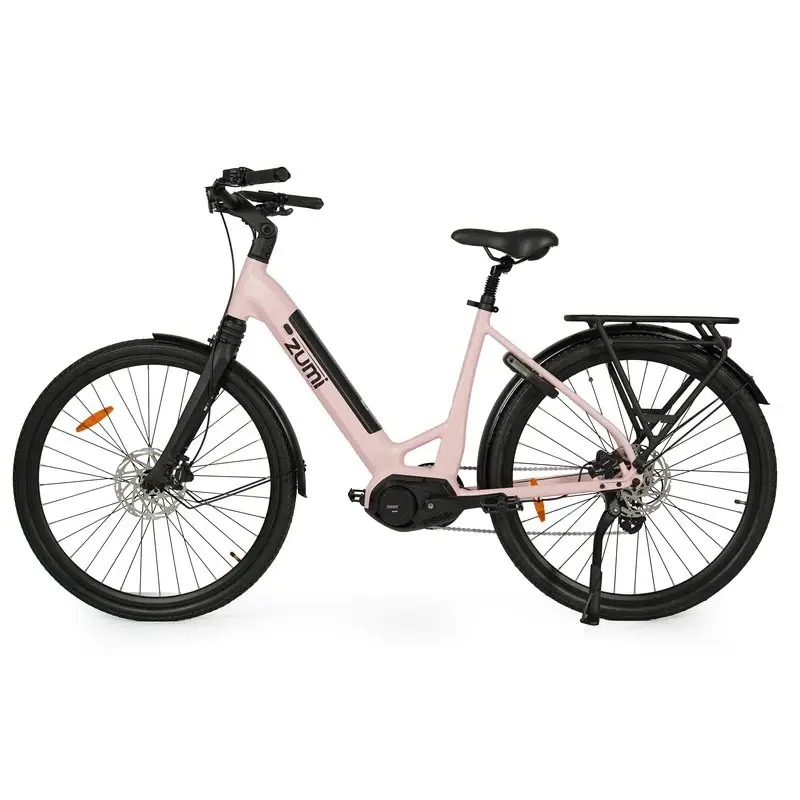
The market for wholesale electric bikes USA has expanded rapidly, but navigating the complex patchwork of state regulations remains a significant challenge for distributors and retailers. Unlike traditional bicycles, electric bikes fall into a gray area where federal guidelines exist alongside distinct state-level requirements that can vary dramatically. Understanding these regulatory differences is essential for anyone planning to import, distribute, or sell ebikes wholesale in USA markets, as non-compliance can result in inventory seizures, fines, and damaged business relationships.
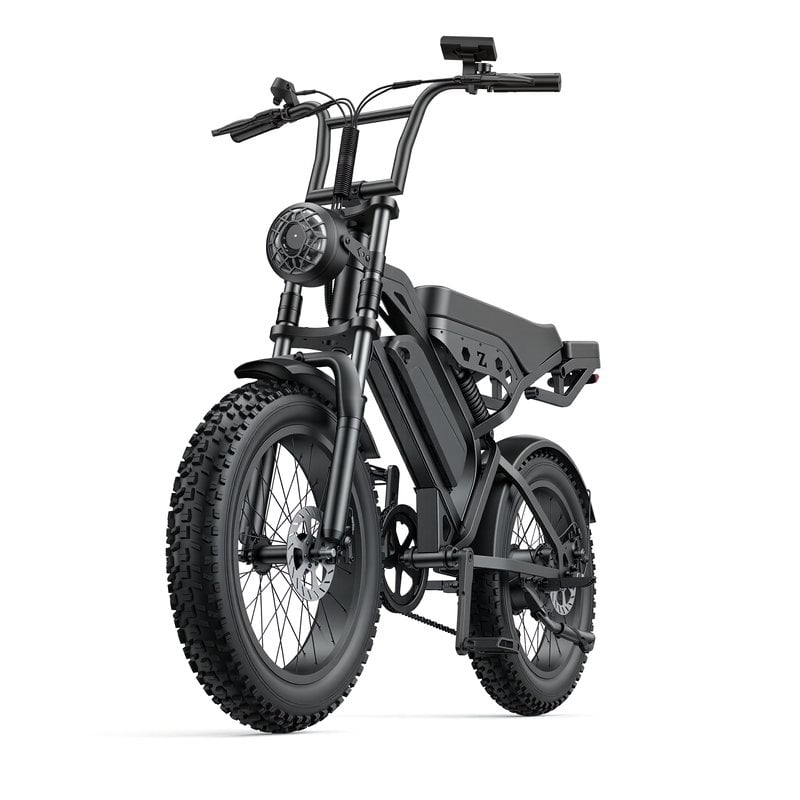
Federal regulations establish baseline parameters for ebikes wholesale, defining power limits, motor types, and speed thresholds that manufacturers and wholesale electric bikes suppliers must follow. However, individual states have adopted varying definitions and restrictions that go beyond federal standards. Some states recognize three-class systems for electric bikes, while others use different taxonomies entirely. This regulatory fragmentation means that a bike compliant in one state may not be legal in another, requiring wholesale businesses to maintain detailed knowledge of each target market's specifications.
Federal law under the Consumer Product Safety Commission defines electric bicycles as having a motor of 750 watts or less, with a maximum assisted speed of 20 miles per hour on level ground. This baseline applies across the nation, but the challenge for ebike wholesale usa operations emerges when states layer additional requirements. The three-class system—Class 1 (pedal-assist, 20 mph), Class 2 (throttle-assist, 20 mph), and Class 3 (pedal-assist, 28 mph)—has become a national standard, yet enforcement and recognition vary significantly by jurisdiction. Wholesale electric bikes suppliers must verify whether their inventory aligns with state-specific interpretations of these classes.
California leads as the first state to formally recognize the three-class ebike system in its Vehicle Code, setting a template many states have adopted. However, states like New York, Colorado, and Washington have implemented their own variations, sometimes with additional restrictions on where ebikes can be ridden or age requirements for riders. Some states prohibit certain motor types, require specific lighting configurations, or impose helmet mandates tied to bike class. For businesses engaging in ebikes wholesale, understanding whether a state recognizes federal preemption or maintains stricter local standards is crucial for legal operation and customer satisfaction.
Wholesale electric bikes suppliers face increasing pressure to maintain detailed documentation about product specifications, motor power, maximum assisted speeds, and component origins. Many states now require manufacturers to provide compliance certificates or technical specifications that confirm adherence to state definitions. When purchasing electric bike wholesale in usa, retailers expect distributors to provide clear documentation demonstrating that products meet state standards. Failing to supply this documentation can expose wholesale operators to liability if bikes are later deemed non-compliant or if customers face legal issues arising from product misclassification.
Importing ebikes wholesale requires understanding both federal tariff classifications and state import restrictions. Some states have begun requiring importers to register electric bikes or obtain permits before sales commence. Port authorities may conduct inspections based on product specifications, and delayed clearance due to regulatory questions can disrupt supply chains. Wholesale electric bikes usa suppliers must coordinate with legal specialists or customs brokers familiar with current state and federal requirements to avoid shipment holds or rejection.
Urban areas, particularly in progressive states, tend to have more permissive ebike regulations designed to encourage adoption for commuting and environmental benefits. Conversely, rural states sometimes maintain stricter definitions or classify ebikes alongside motor scooters and mopeds, applying additional licensing requirements. When developing a wholesale strategy for electric bike wholesale in usa operations, understanding these regional patterns helps identify higher-demand markets and lower-friction distribution channels. Urban retailers in California, Washington, and New York typically represent larger volume opportunities with clearer regulatory pathways than some rural or conservative markets.
Successful ebikes wholesale businesses invest in educating retail partners about state-specific regulations applicable to their jurisdictions. Providing retailers with clear compliance guides, marketing materials that highlight state-compliant features, and liability protection frameworks strengthens relationships and reduces the risk of customer disputes. Retailers who understand that their inventory meets local standards can confidently market products and avoid customer returns due to regulatory issues. This educational support becomes a competitive advantage for wholesale electric bikes suppliers who prioritize transparency and legal alignment.
Federal law caps electric bicycle motors at 750 watts, and this limit applies across all states. However, some states recognize Class 3 ebikes with higher assisted speeds but maintain the same wattage limit. Always verify your state's specific classification system to ensure your inventory complies with local definitions, as some regions may enforce stricter interpretations.
While federal preemption applies to many aspects of ebike regulation, several states require manufacturers or importers to provide compliance documentation proving adherence to state standards. The requirement varies by state and product type. Working with distributors and wholesale electric bikes suppliers who maintain current certifications and documentation reduces compliance risk for retailers purchasing your inventory.
California, Washington, Colorado, and New York have formally adopted the three-class system with relatively clear definitions, making them predictable markets for ebike wholesale operations. These states generally recognize Class 1, Class 2, and Class 3 categories and provide retailers with straightforward compliance frameworks. However, regulations continue to evolve, so consulting current state resources before launching distribution in any region is essential.
2026/08/03
Fix time zones, language gaps, and unclear protocols—boost speed, cut costs, and scale confidently.
2026/08/03
Avoid liability & import bans: Learn IEC 62619, UN 38.3, and UL 2271—plus how to verify real compliance (not fakes).
2026/08/03
Learn precise air pressure, rebound & compression tuning for optimal suspension performance. Get pro-level setup tips now.
2026/08/03
Discover how voltage drop saps performance—and proven fixes to restore responsiveness, range, and battery life. Read now.
2026/08/03
Discover data-backed protocols, smart infrastructure & operational fixes. Optimize now.
2026/08/03
How payload cuts 48V cargo ebike range by 15–50%+ — backed by real-world degradation curves, motor load science & fleet optimization strategies.
Comprehensive warranty, fast parts shipping, remote diagnostics and local dealer training


